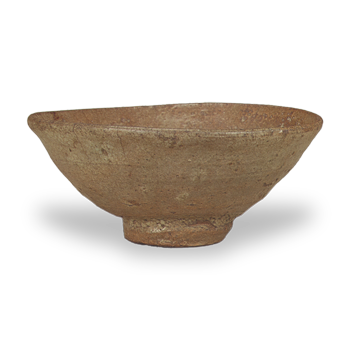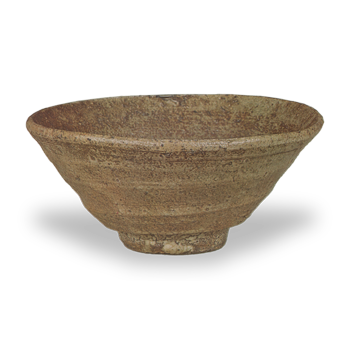
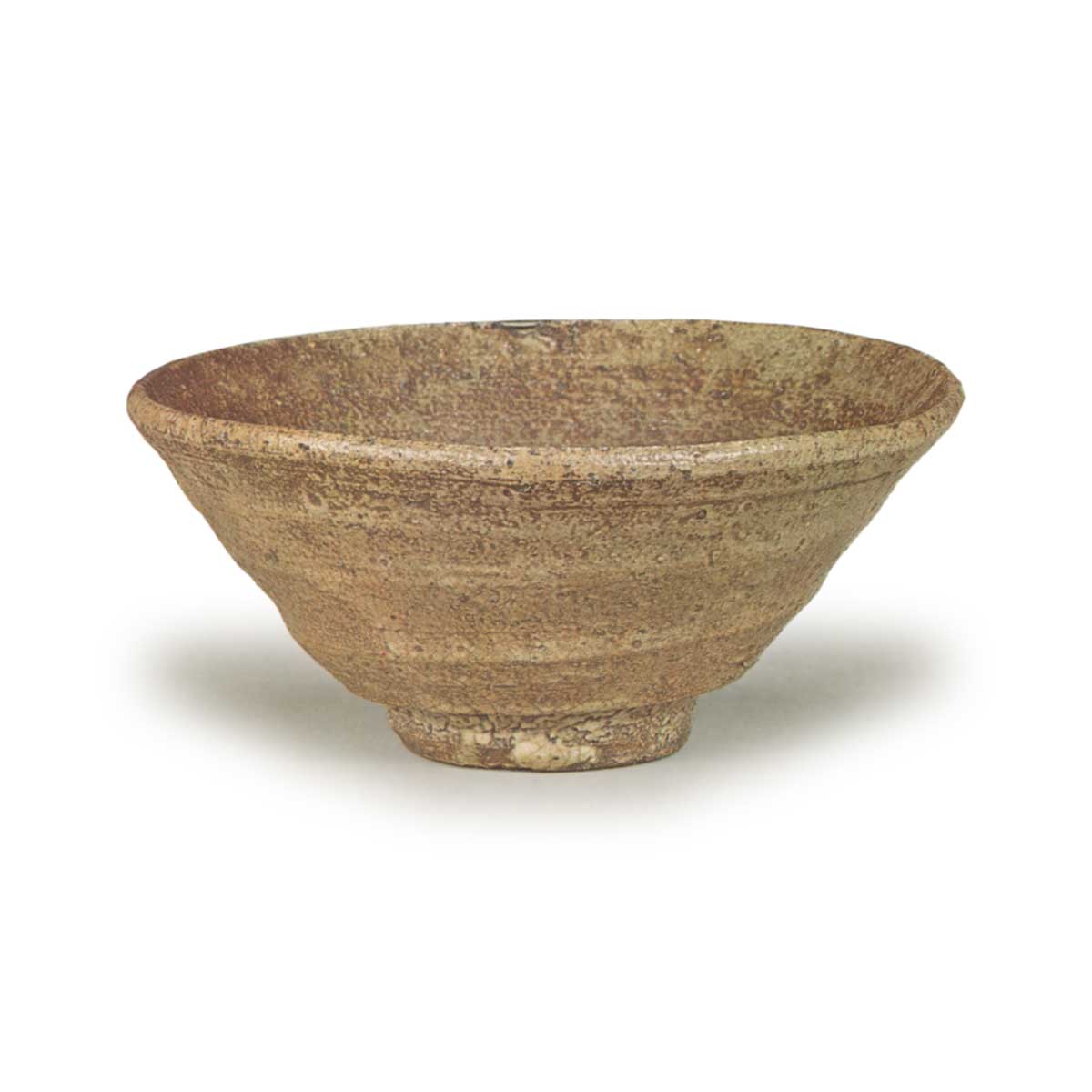
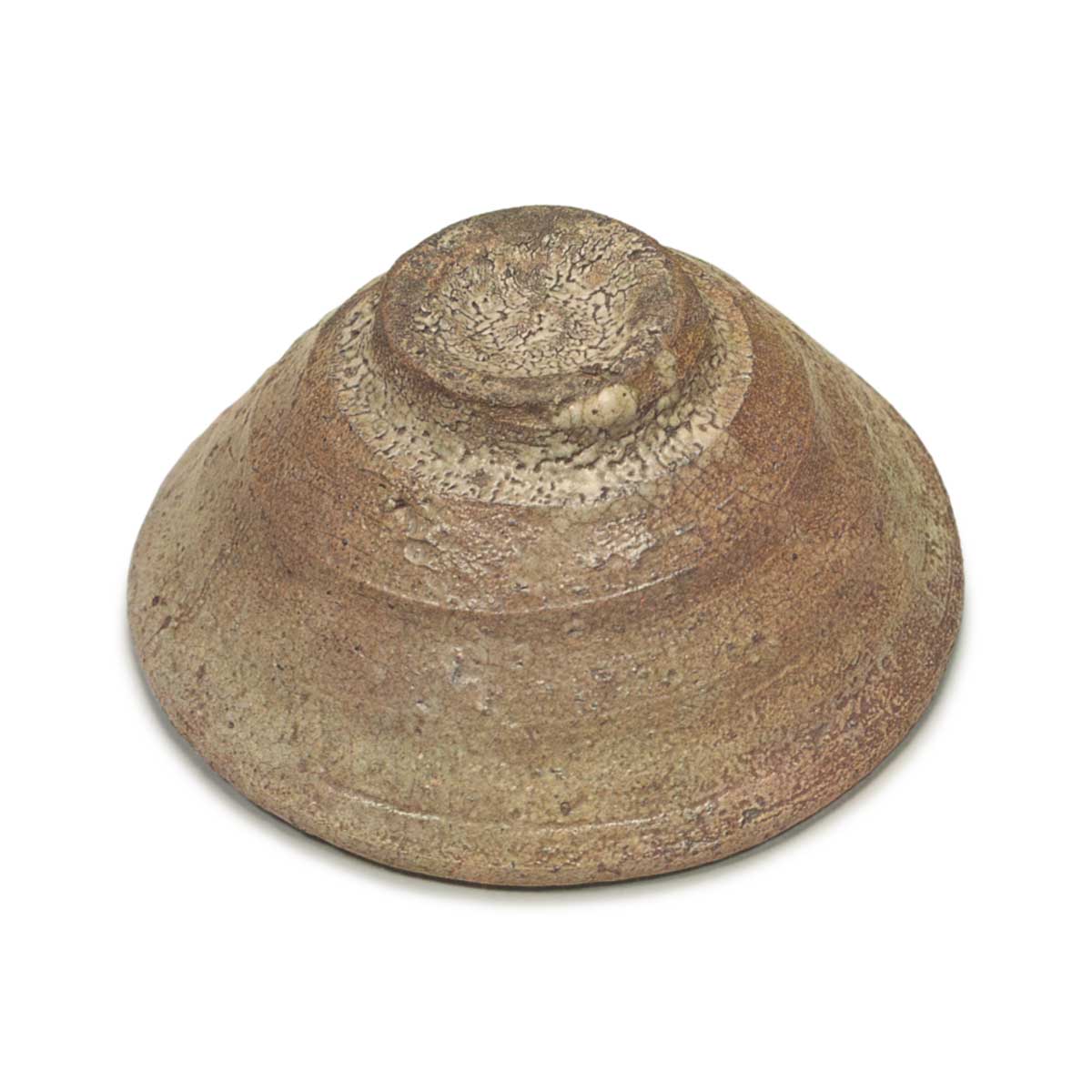
Famous item
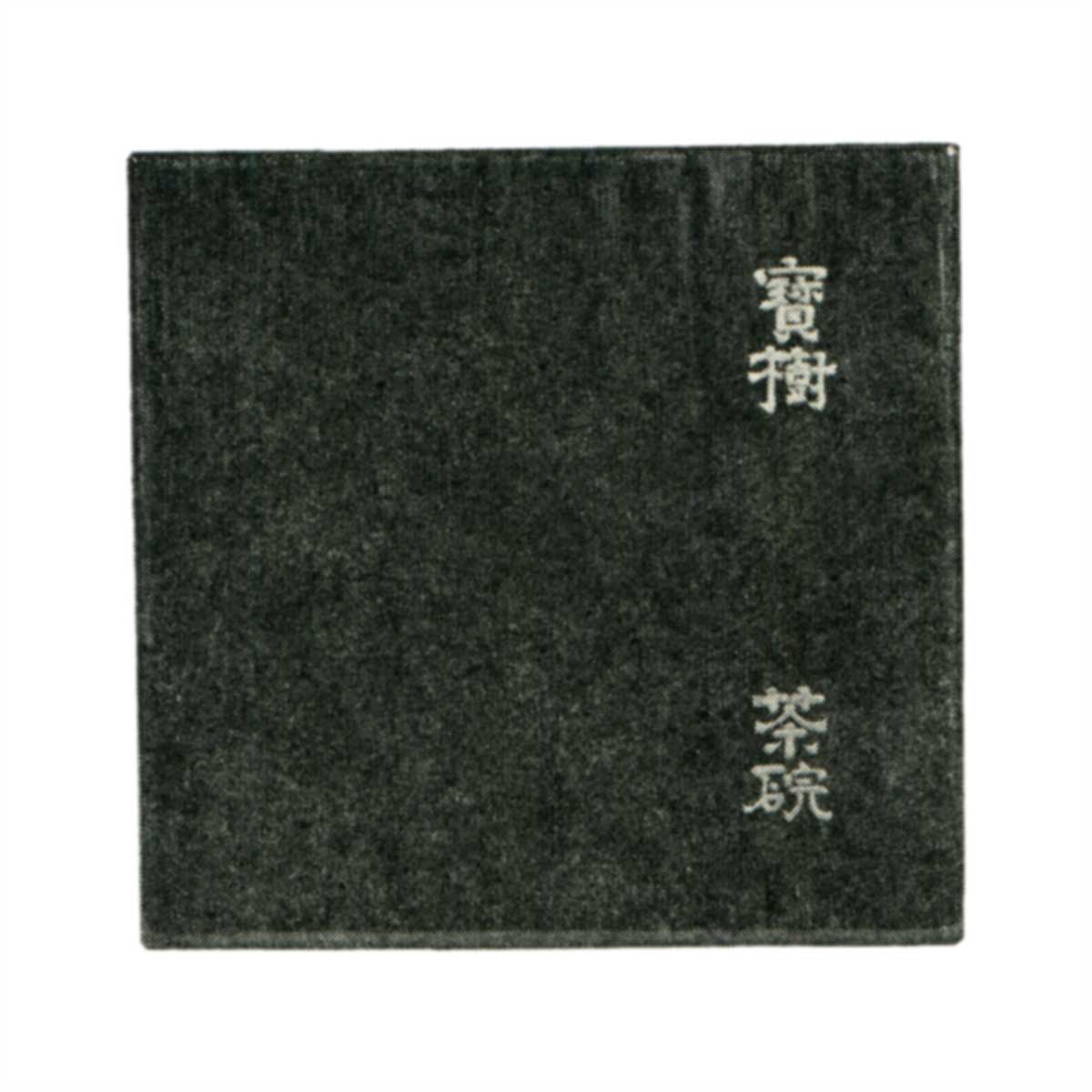
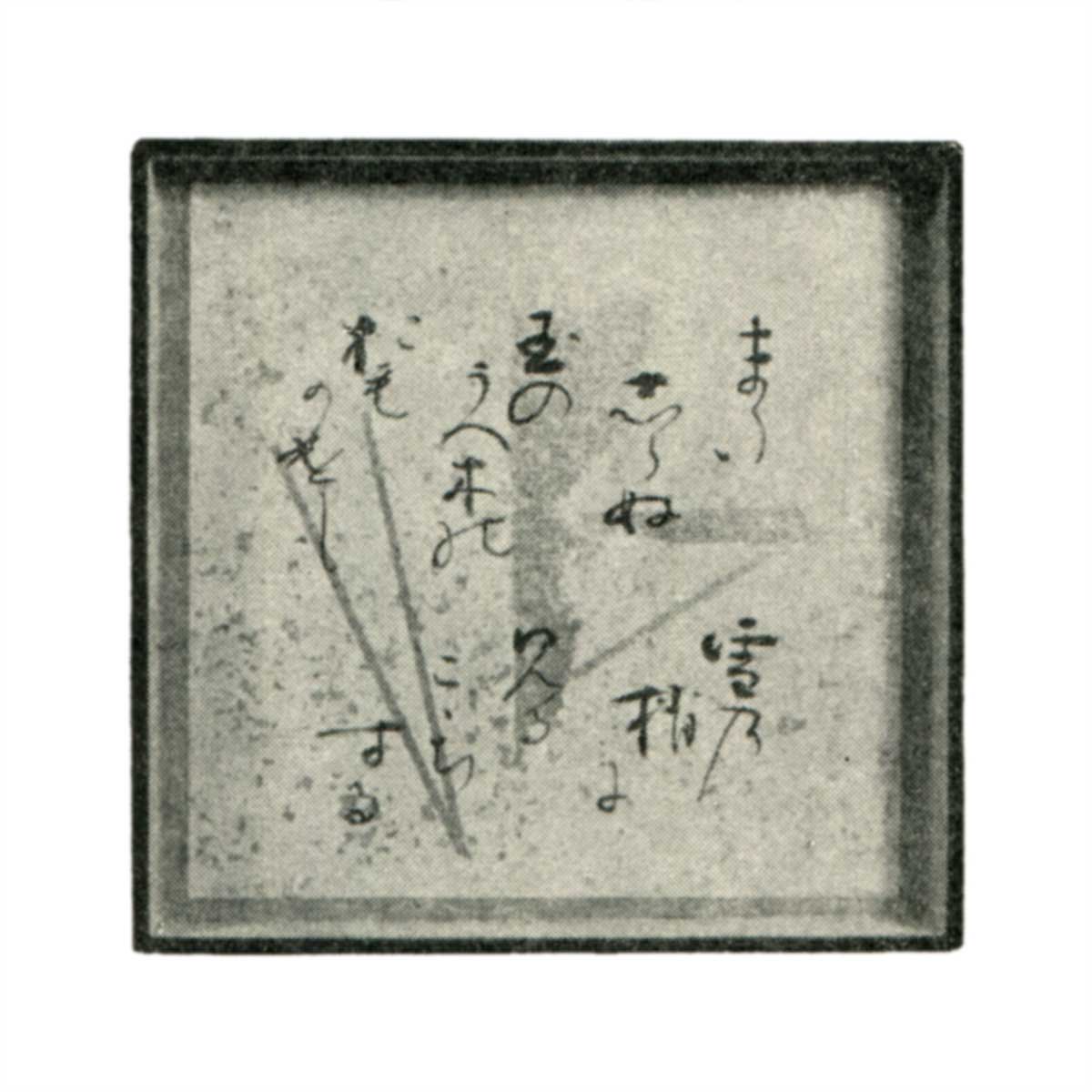
Accessories: Inner box, paulownia lacquerware, inscription by Kobori Masayasu, same inscription on the underside of the lid, label with inscription by the same hand
Provenance: In Owari Province, Inuyama—Kyoto tool merchant Taruya—Osaka tool merchant Katsuhei (commonly known as Dosho) of Hōjū-an—Kaga Province, Matsuo family (early Meiji period)
Recorded in: Taisho Meiki Kagami
Dimensions
Height: 6.4 cm, Mouth diameter: 14.5 cm, Base diameter: 5.2 cm, Height: 1.0 cm, Weight: 292 g
Originally from Inuyama, Owari Province, it later passed through a Kyoto utensil shop, Taruya, and was acquired by an Osaka utensil merchant, Dosho. Dosho adopted the name Hōjū-an, hence the name Hōjū-an Well.
Based on its shape with an open rim, this piece should belong to the ancient well category. However, due to its overall blue-tinged glaze, it is given the separate designation of “blue well.” Among blue wells, the Shibata Well and this Hōjū-an are renowned as masterpieces. This tea bowl, though small, is solidly constructed with a thick body, and the wheel marks run prominently, giving it a very powerful appearance. The deep carving on the side of the foot, the flowing lines of the foot shaving, and the unevenness of the foot create a striking sense of vigor. The rough black clay is covered with a bluish glaze, giving it the appearance of a moss-covered rock, which further enhances the strength of this tea bowl. The sides and interior of the foot rim reveal cracks, and the interior has a slightly concave tea pool and five eye marks, making it a tea bowl with plenty of points of interest.
Inner box: Paulownia, lacquered with a label written by Kobori Masayasu
Box lid underside: Label with inscription by Kobori Masayasu
Again, snow
falls on the branches
of the tree,
revealing the pearls
on the branches.
I feel…