
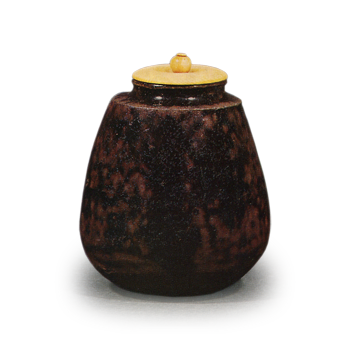
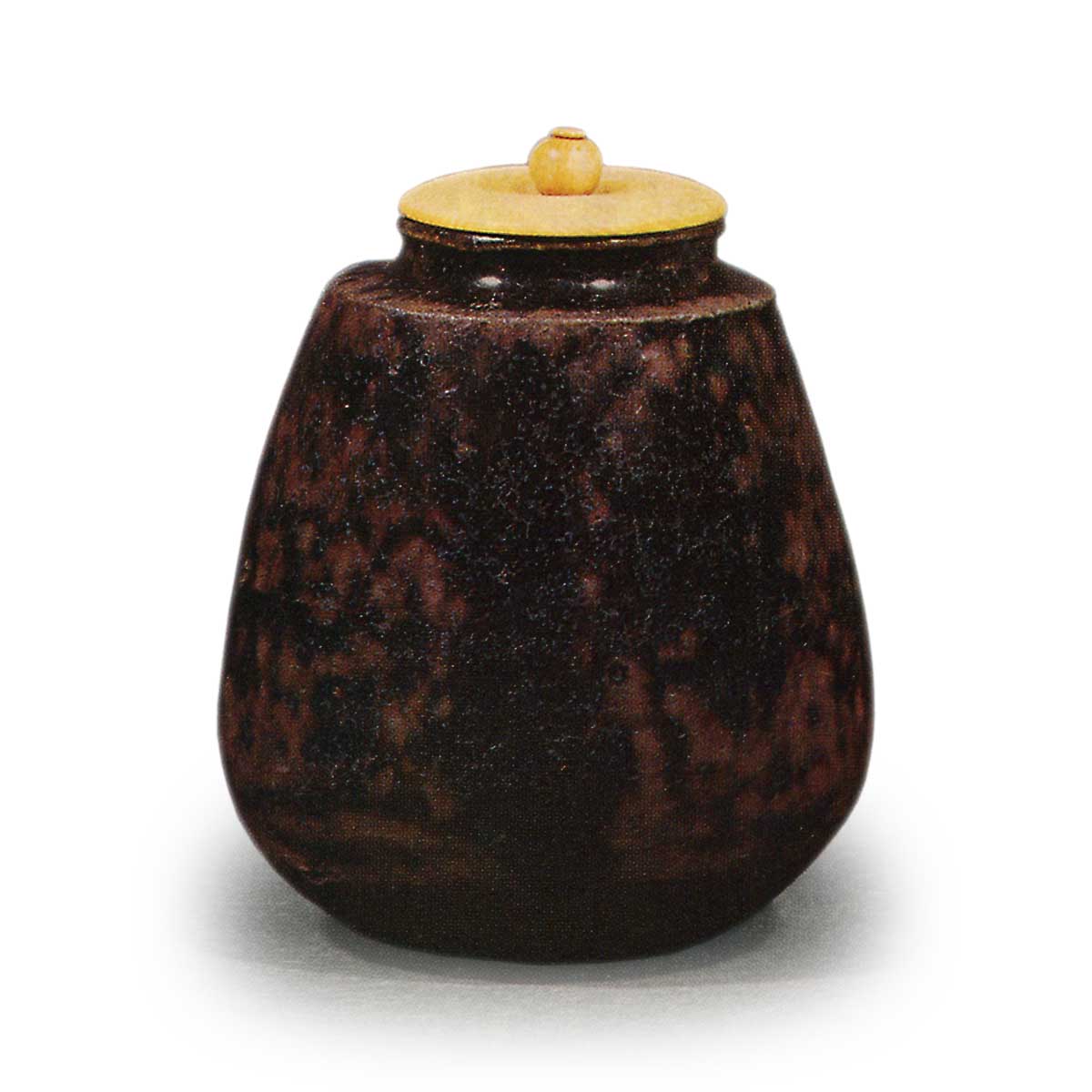
Kose-style, Revival Meibutsu
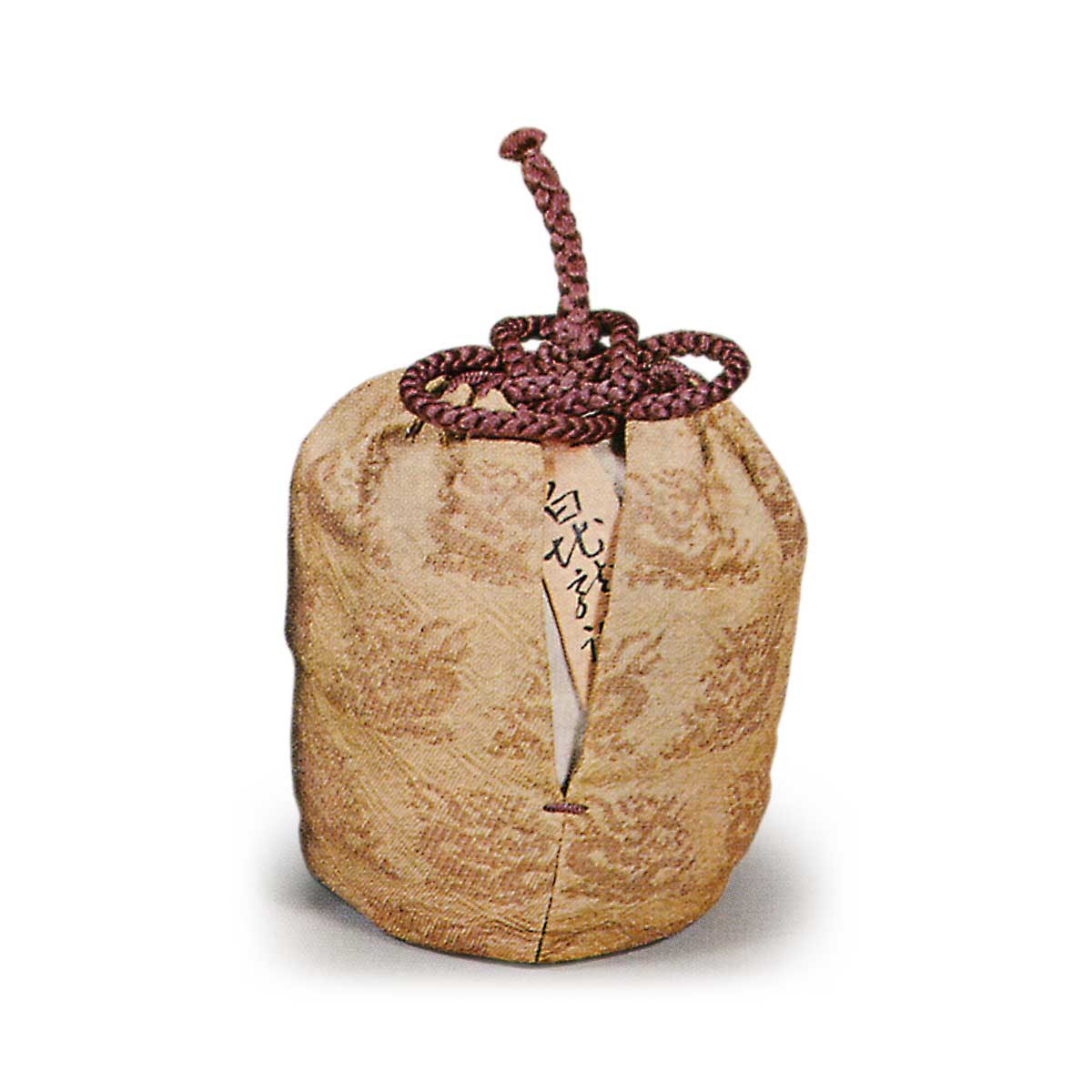
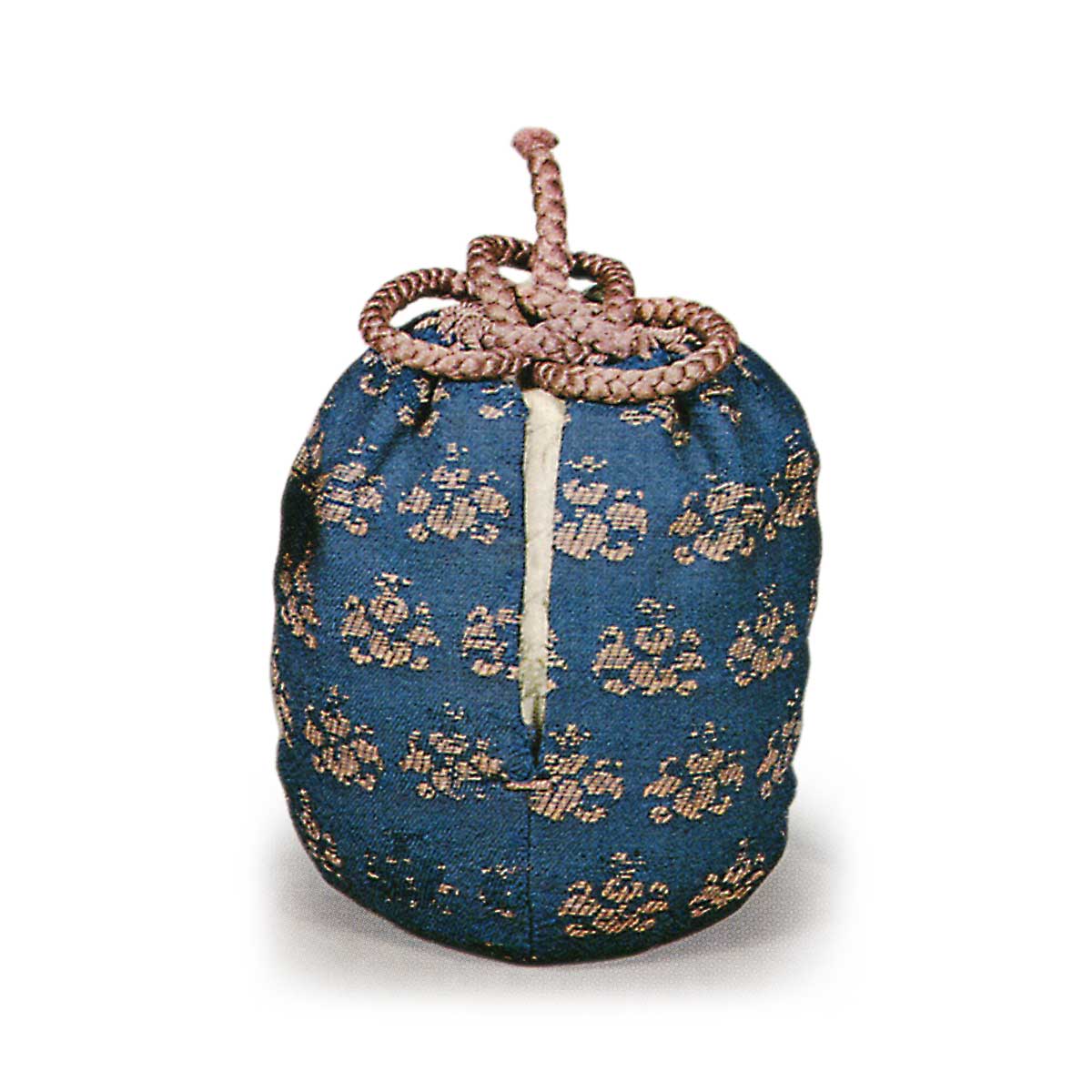
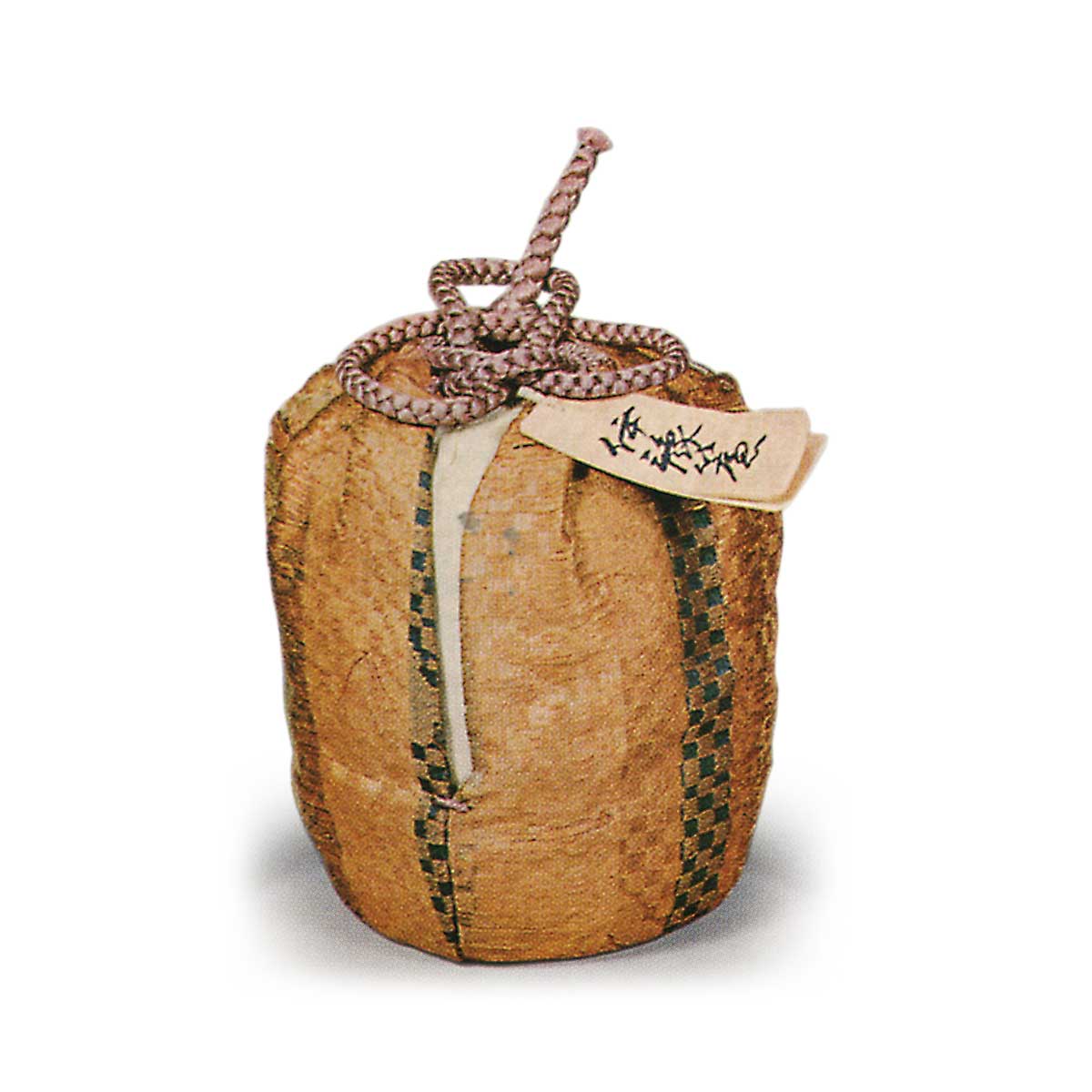
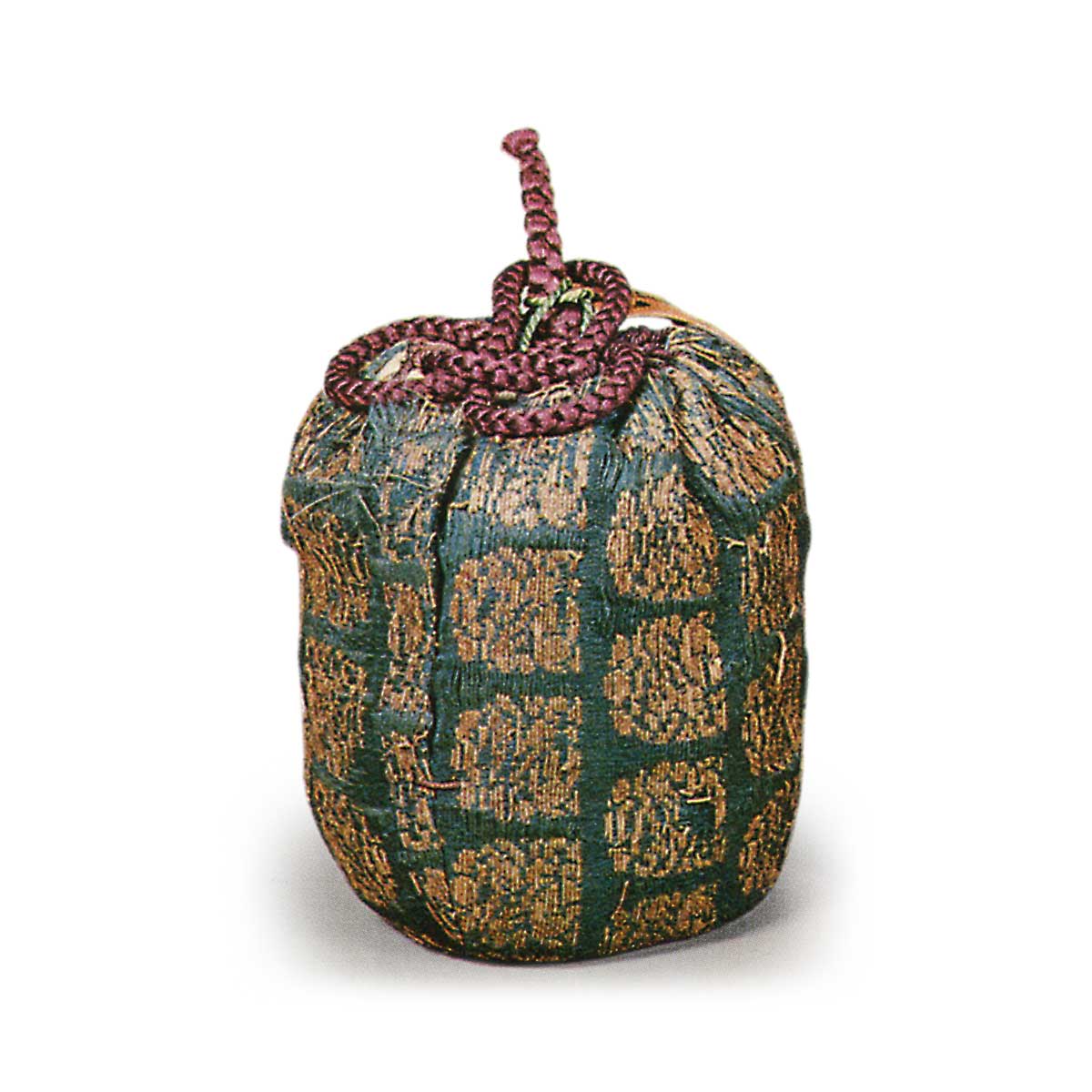
Accessories: Lid x1, No Nest, Cover x4, Cover Box, Paulownia Wood with White Lacquer Inscription, Written by Kobori Enshu
Cover Outer Box x1, Plain Lacquer, Red Lacquer Inscription, Written by Matsudaira Iga-no-kami
Hikiya x1, Cedar Wood Base, Lacquer Wipe
Inner Box, Paulownia Wood with White Lacquer Inscription, Written by Kobori Enshu
Outer box: Black lacquered with red lacquer inscription, by Matsudaira Iga-no-kami (Iyo, the bamboo grove, is covered in dew; Iyo, how you make me tremble)
Colored paper: Inscription by Kobori Enshū. Attached hanging scroll: Inscription by Kobori Gonjirō.
Hanging scroll box: Paulownia and mulberry wood jointed. Inscription. Same. Outer box: Single-panel lacquered. Inscription by Matsudaira Iga-no-kami.
Provenance
Kobori Enshū → Kobori Masatsune → Tsuchiya Sagami-no-kami → Matsudaira Iga-no-kami → Akaboshi family.
Recorded in
Recorded in: Meibutsu-ki, Enshū Shūi, Tsuchiya Kōchō, Meibutsu Mekiri Monjo, Enshū Hyakukai-ki, Taishō Chadō-ki, Taishō Meiki-kan
Dimensions
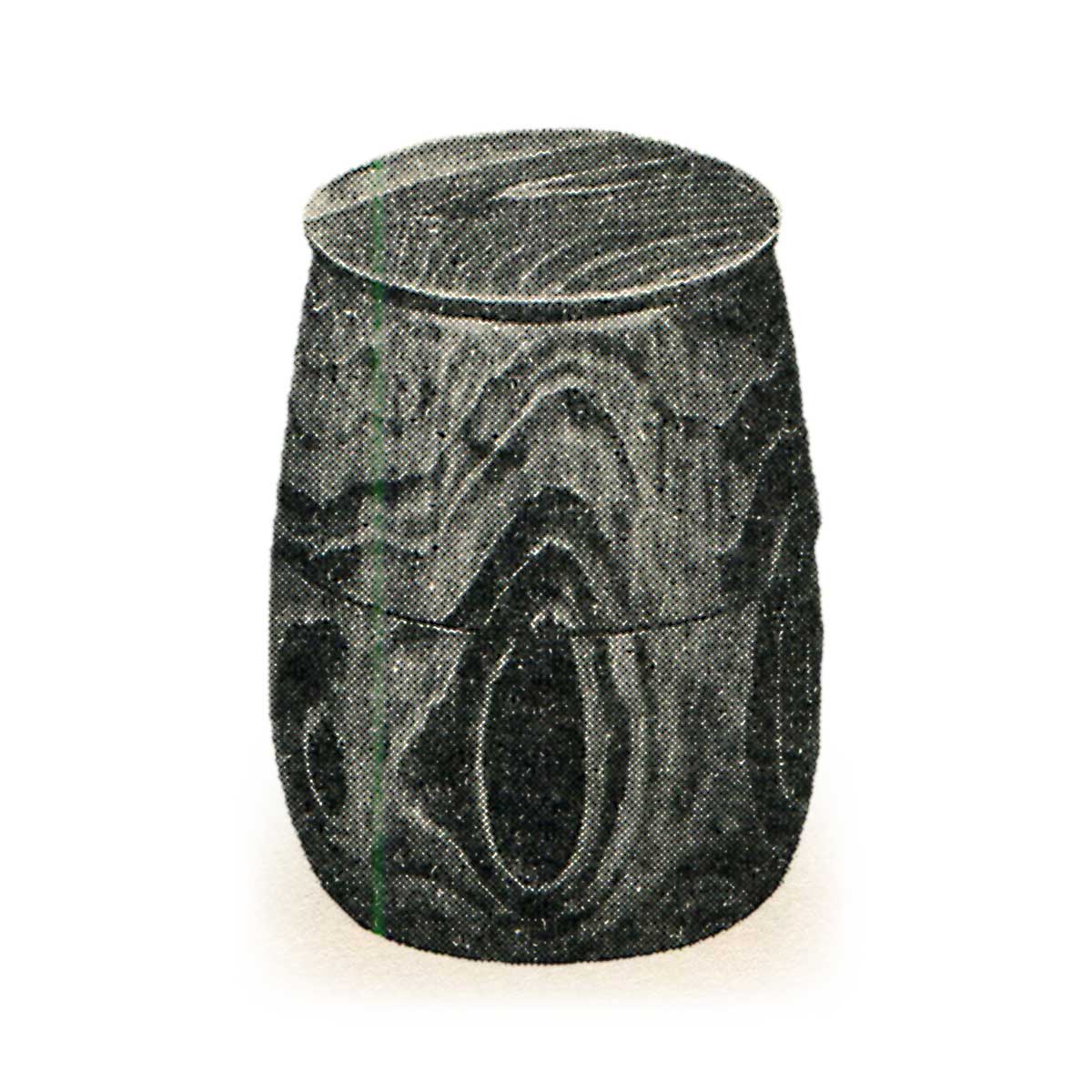
Height: 6.8cm, Mouth Diameter: 2.8cm, Body Diameter: 5.75cm, Base Diameter: 3.0cm, Weight: 85g
This tea caddy, as its inscription suggests, is a superb example of wabi-style ware from ancient Seto kilns. The inscription “Iyo-sori” is derived from a poetic name. Its shape might be described as a small, tapered shoulder-style caddy with a narrowed lower body. It belongs to a type frequently found in ancient Seto kilns.
The black glaze pools over the Seto-style glaze, and the uneven texture across the surface likely resulted from the black glaze naturally gathering and cascading forward.The earthenware’s patina, refined by years in the hands of a cherishing collector, also presents an indescribable wabi-sabi beauty.
The tea caddy cover, featuring four pieces—including the main piece, Iyo-zen-kirigiri, named after this tea caddy—along with Kinran and Donshu, creates a profoundly elegant ensemble.
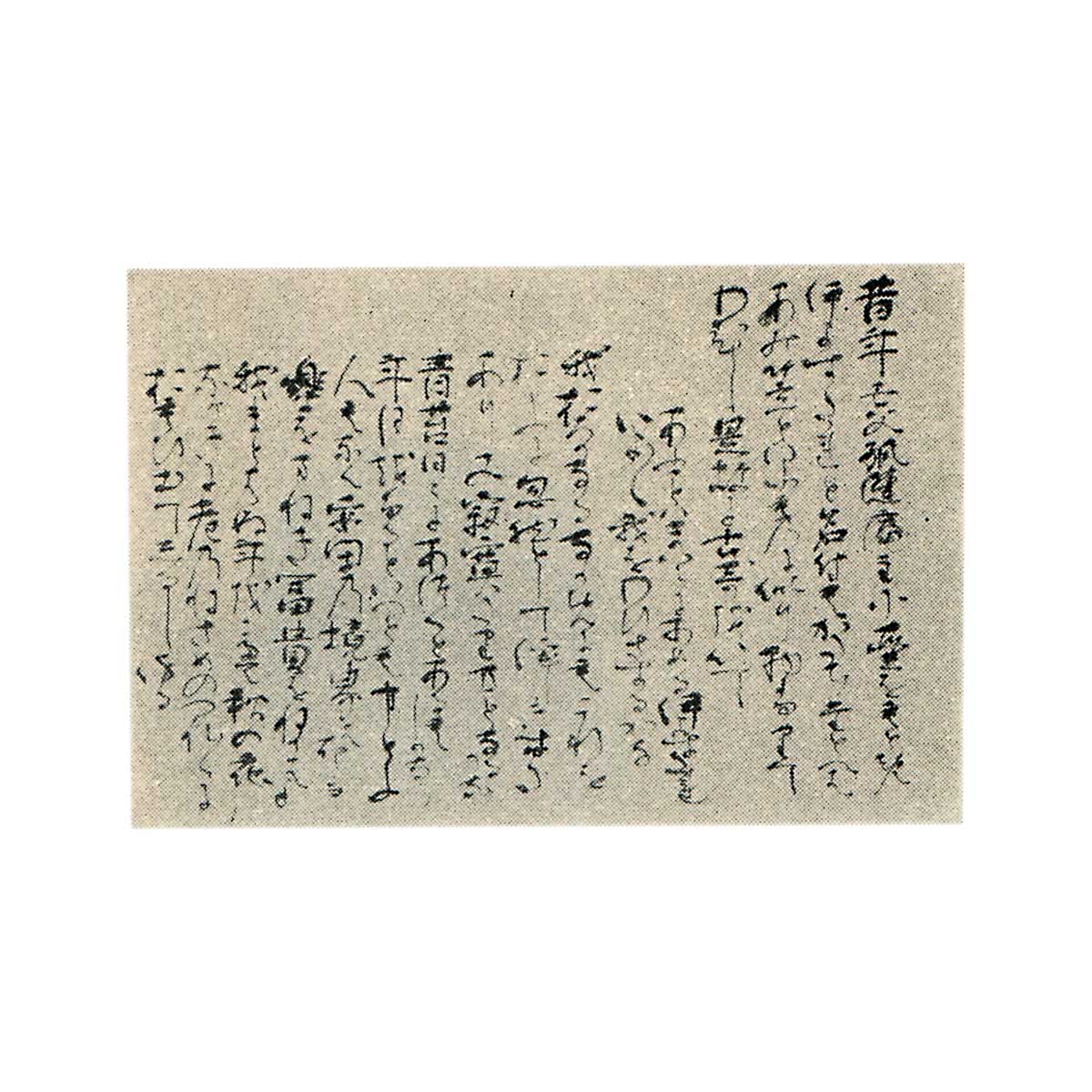
In years past, my late father, the hermit of Kobo-an, sought a small jar
and named it Iyo-sudare. Its shape resembles
a woven straw hat. It is
austere. Therefore, an old poem says:
Though we meet but rarely, Iyo-sudare
Iyo makes me feel desolate.
Even in my foolish gaze,
thinking of this, suddenly a busy form
appears. Yet it is also lonely. How true.
Though moss gathers daily,
Though years pass,
No one asks after affairs,
The realm of tranquility beckons joy, Seeking neither wealth nor honor.
Having lived many years, On a long autumn night,
I recall the weariness of old age’s awakening,

