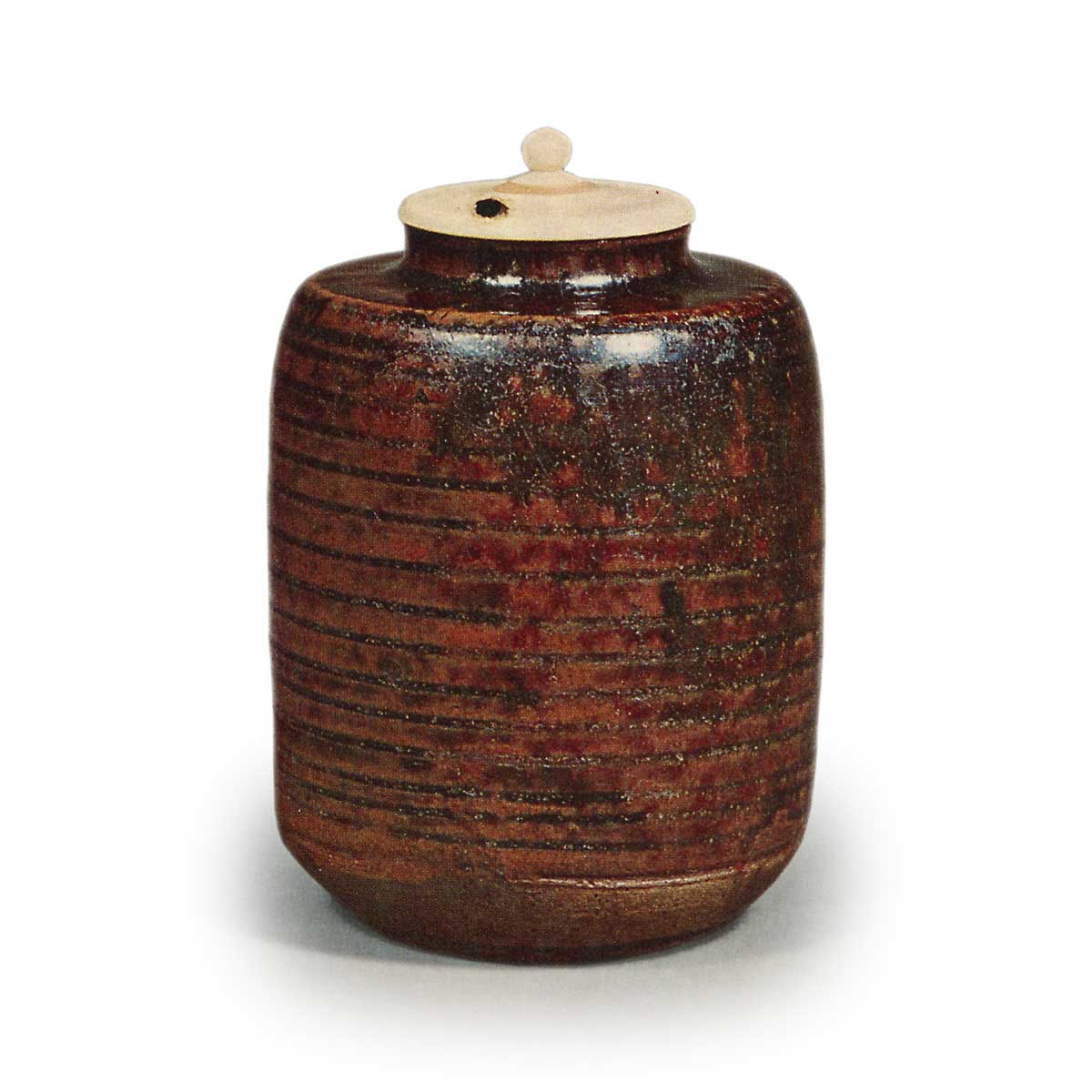
Old Seto, Daimeibutsu
Accessories
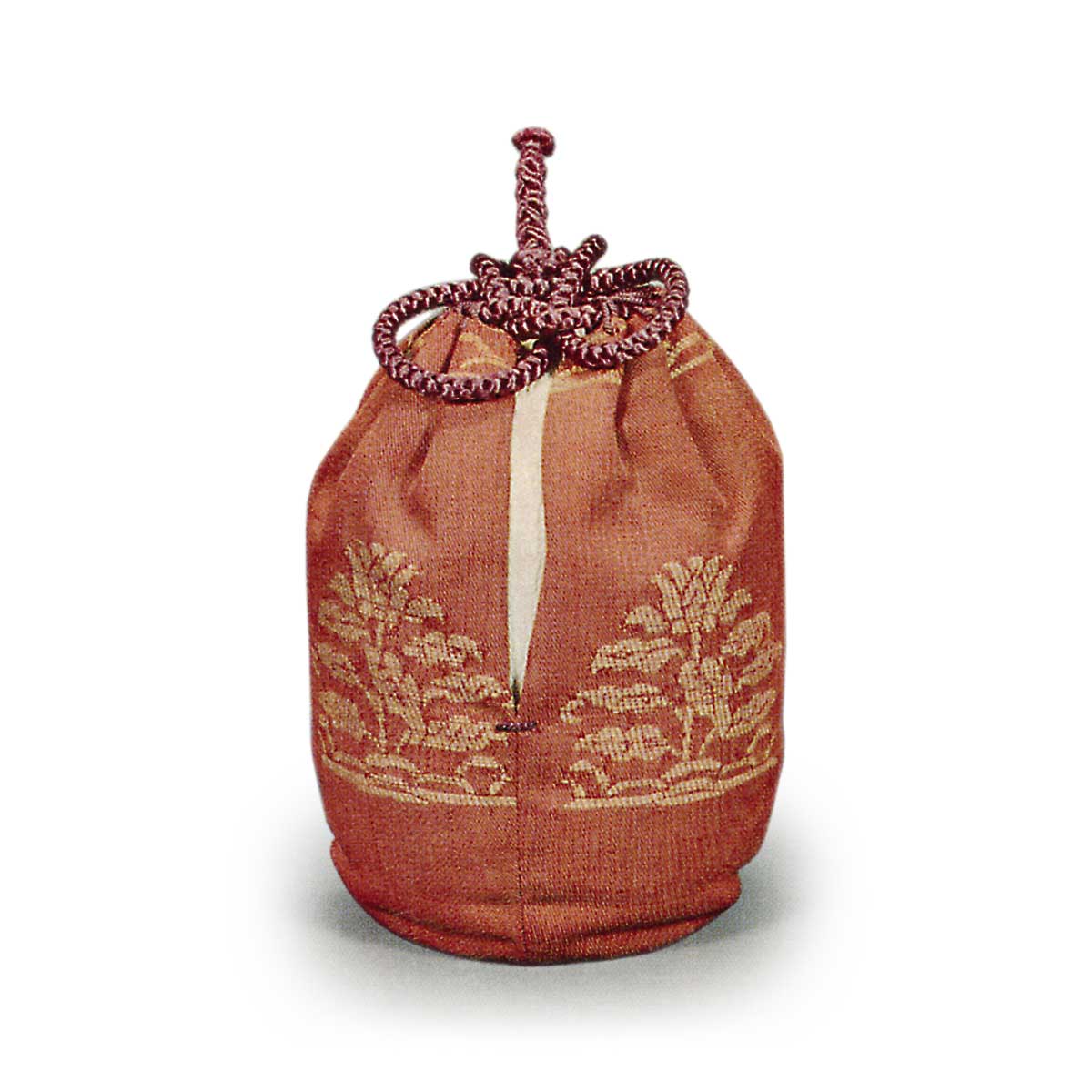
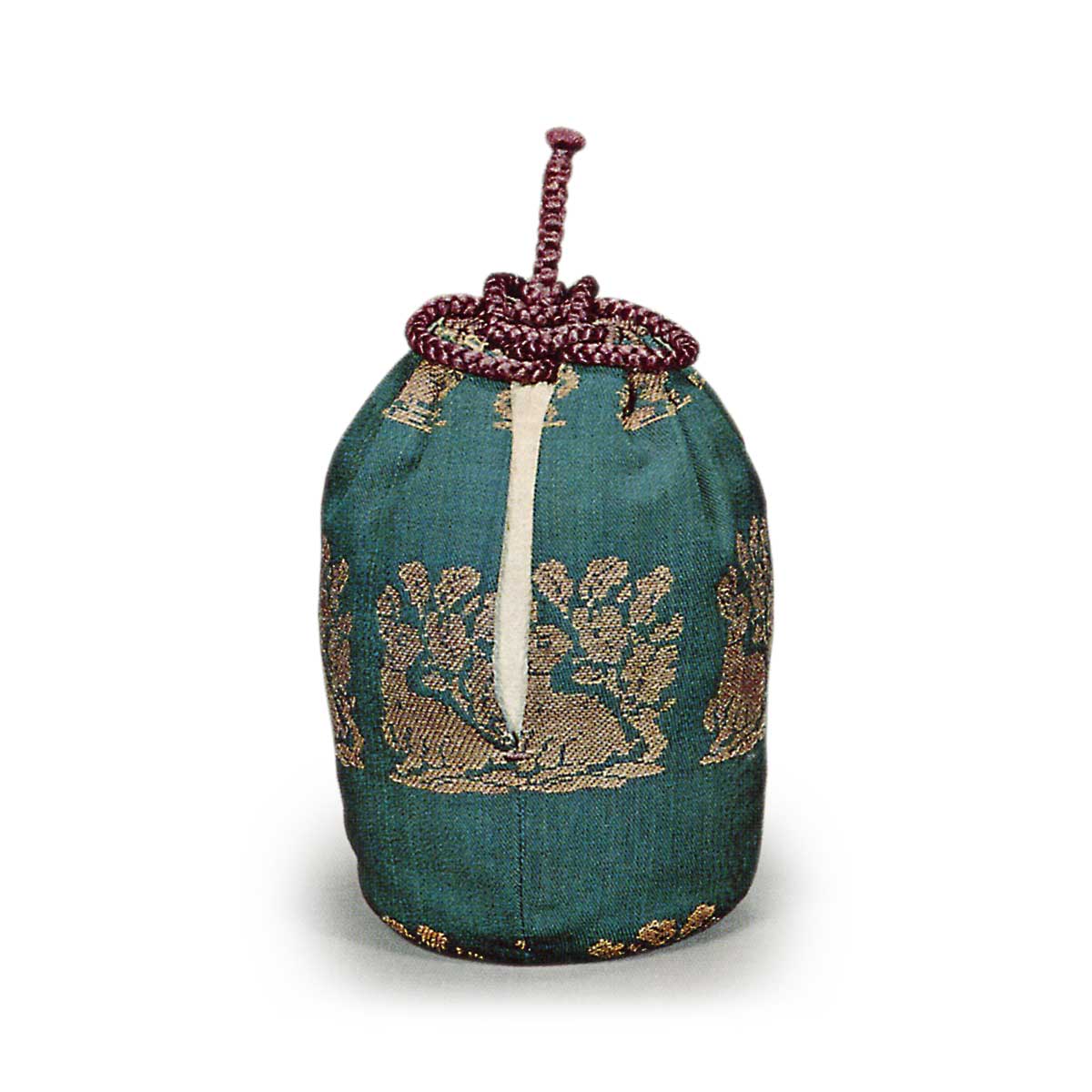
Lids: 3 (Inner: 2, Nest) Cover: 3
Lid: Black Lacquered Wood, Outer Lid: Flower-Patterned Lacquer, Lid Cover: Fuse-Bae Leather
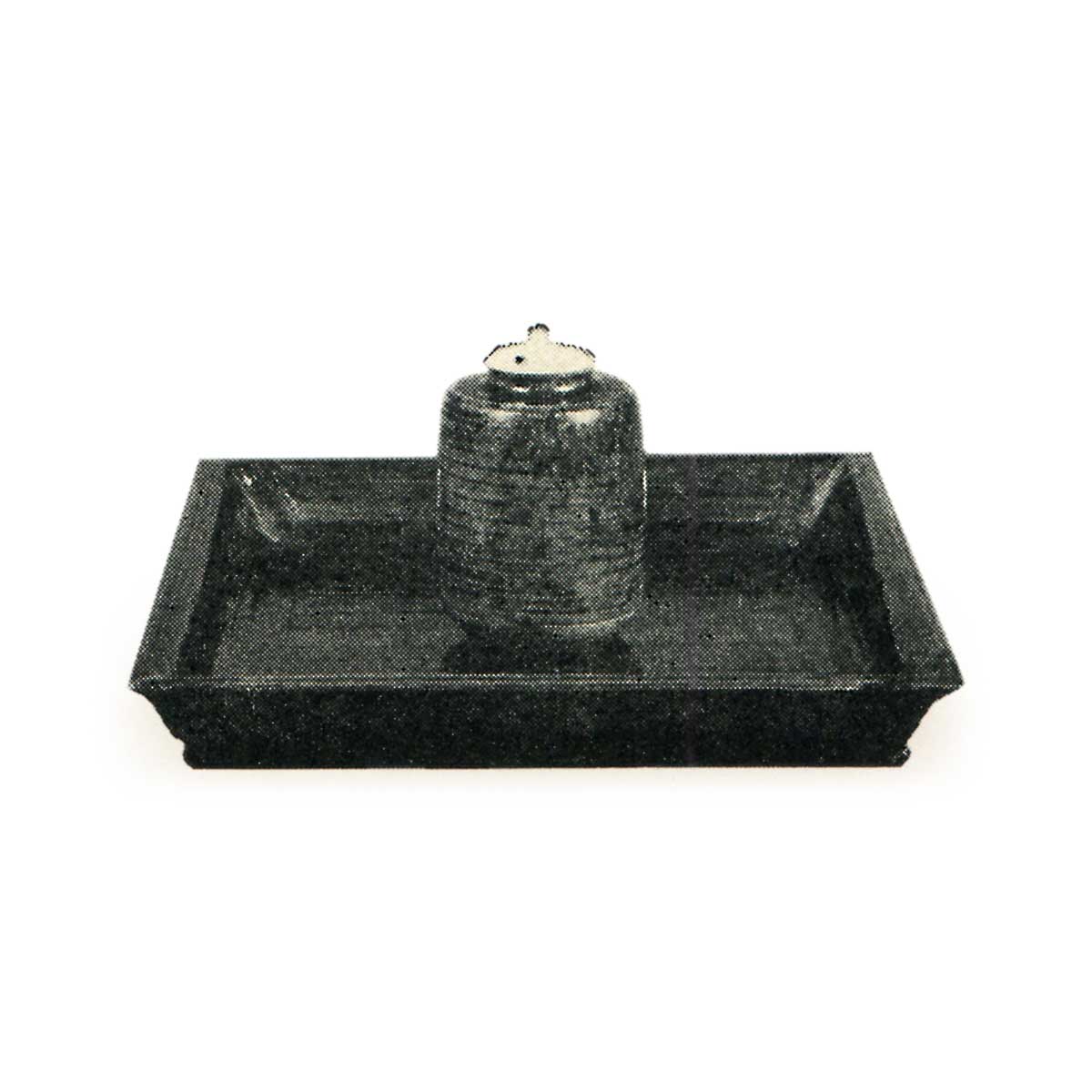
Chinese Item: Pine Wood Tray
Inner Box: White Paulownia Wood, Outer Box: Tame-Nuri Lacquer with Brass Latch, Sanada Cord, Wooden Mold
Provenance
Priest Enjōbō of Honnō-ji → Mitsui Saburōsuke → Matsudaira Fumai
Recorded
Fushimiya Teikō, Rikyū Hyakukai Kai, Kōkin Meibutsu Ruishū Meibutsu-ki, Fushimiya Nikki Meibutsu Chaki Zu, Chairi Meibutsu-ki, Kō Meibutsu-ki, Fushimiya Kokusho, Daien’an Chakai-ki, Taishō Meiki-kan
Dimensions
Height: 8.9cm, Mouth Diameter: 3.5cm, Body Diameter: 6.9cm, Base Diameter: 4.9cm, Weight: 186g
Owner
Hatakeyama Memorial Museum, Tokyo
The author had the privilege of viewing this piece closely at the Unshū family residence. It is a tea caddy with a remarkable provenance.
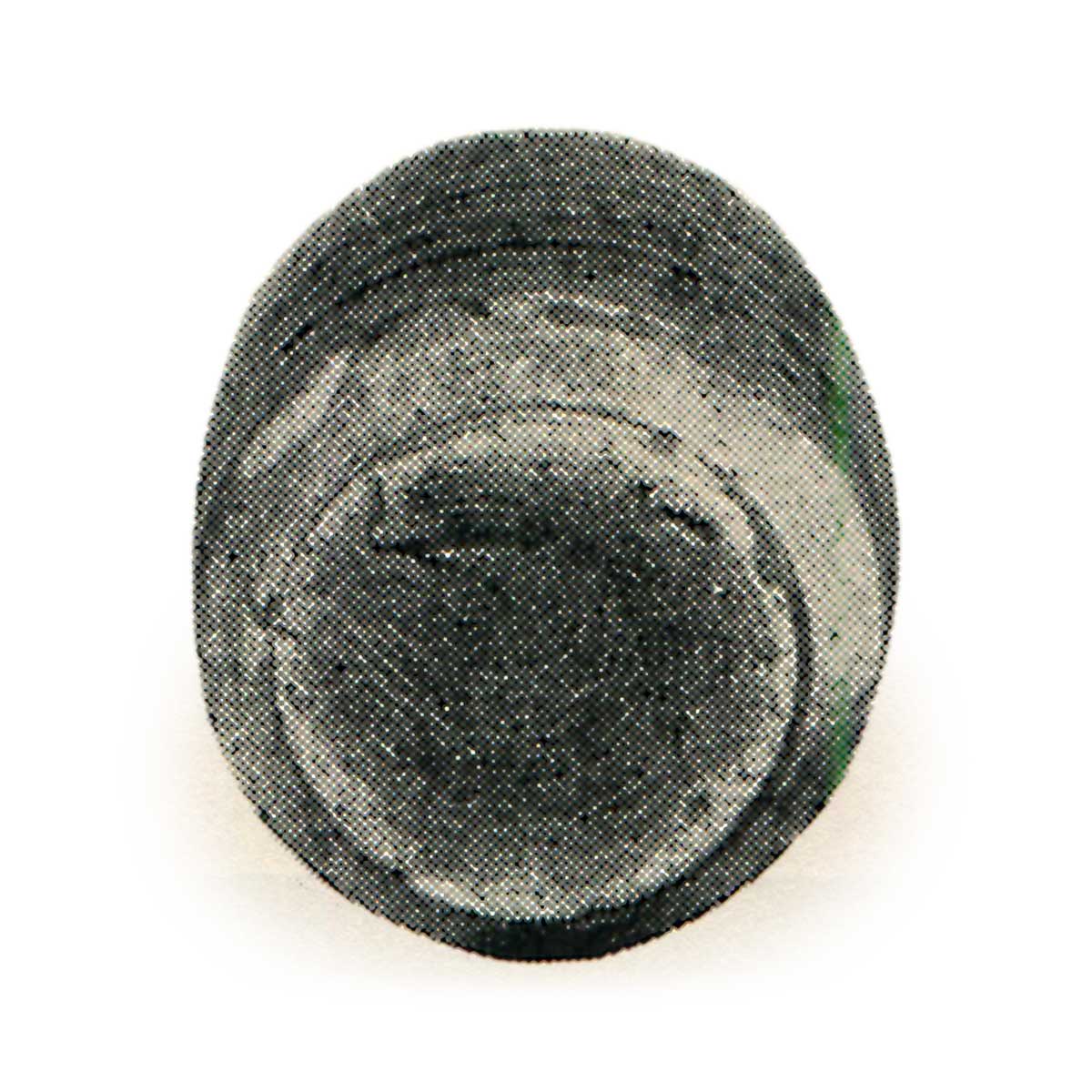
One might call it a representative example of an old Seto tea caddy.Its rim appears light and delicate, the shoulder corners rounded, the base showing a slight swelling before tapering inward, with the clay visible near the base edge. Moreover, the unusual design features lines running from below the shoulder across the entire body down to the base. Overall, the Seto glaze is unevenly applied, creating a shoulder-strike tea caddy with a unique, austere charm enhanced by a sense of weight.
The thread-cutting is vividly apparent.
Three replacement covers are included. Starting with the rare Tanji chicken-head design, the three pieces by Kakukura and Shōchi all combine Kinran fabrics. This pairing, contrasting with the tea caddy’s austere taste, likely reflects the preference of Enjōbō, who is said to have inherited Rikyū’s secret teachings.
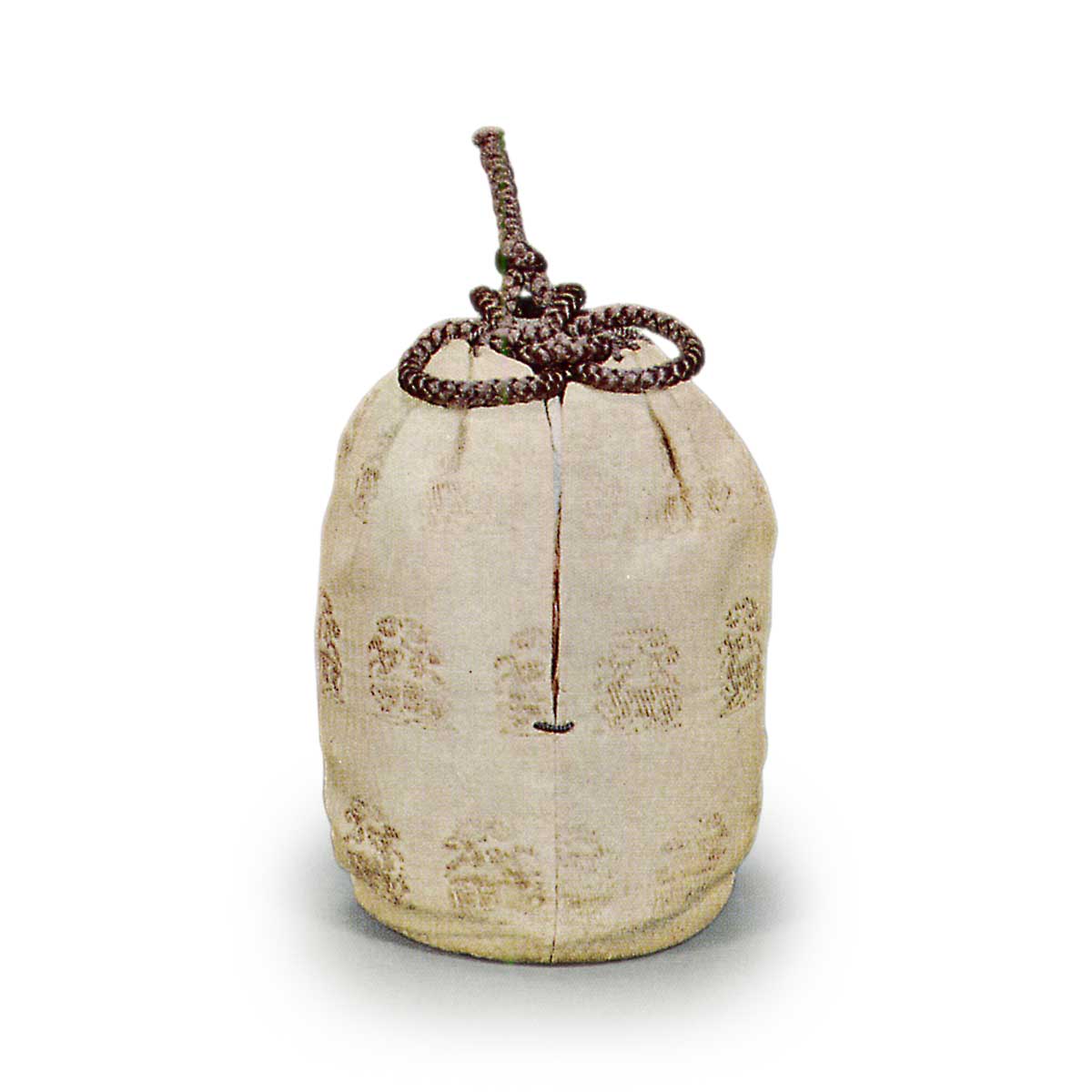
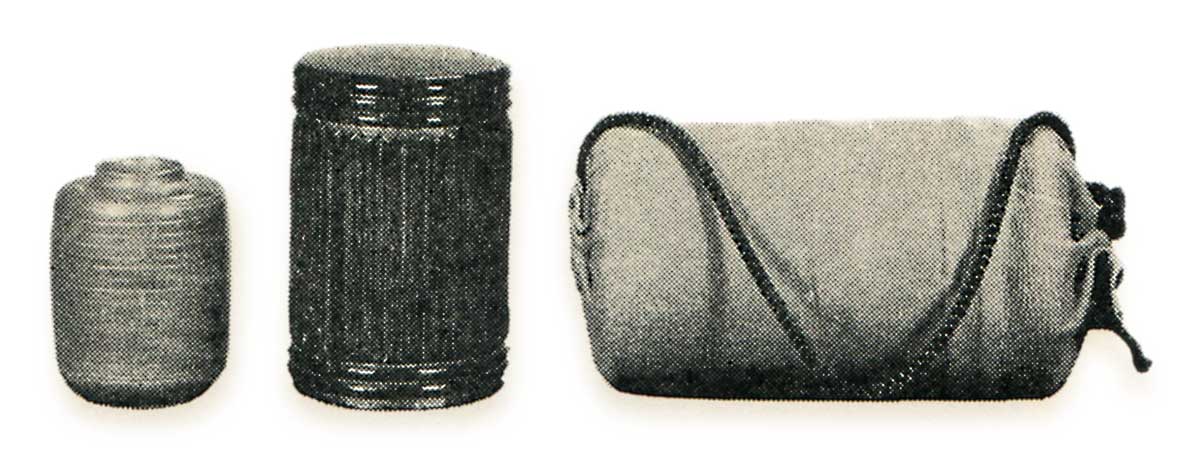
Hikiya: Woven wickerwork; Lid: Black-lacquered wood
Wooden mold