Old Seto, Daimeibutsu
Accessories
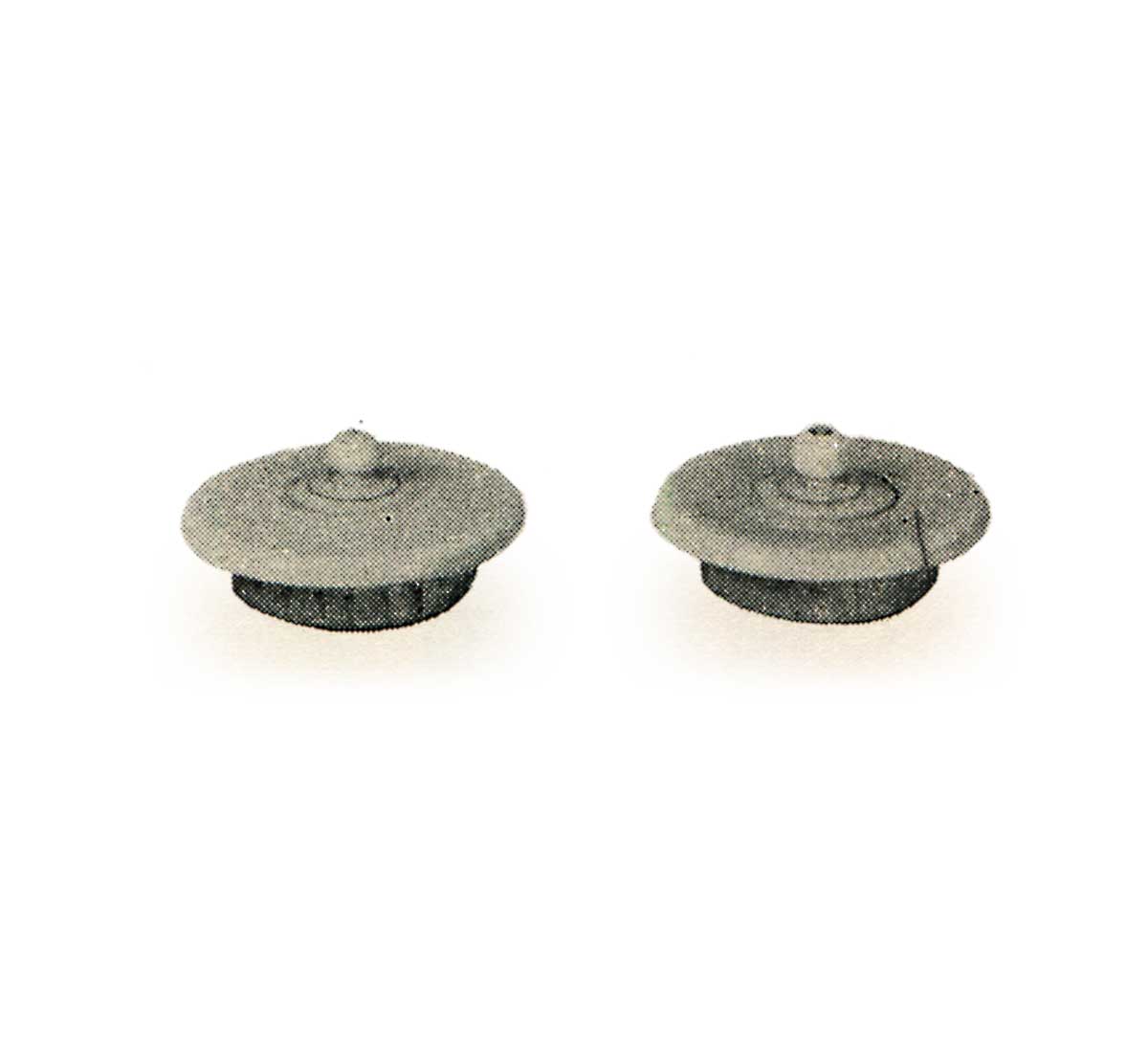
Lids: Two (Inner one: Old woven fabric)
Lid Box: White Paulownia wood, Inscription by Matsudaira Fumai
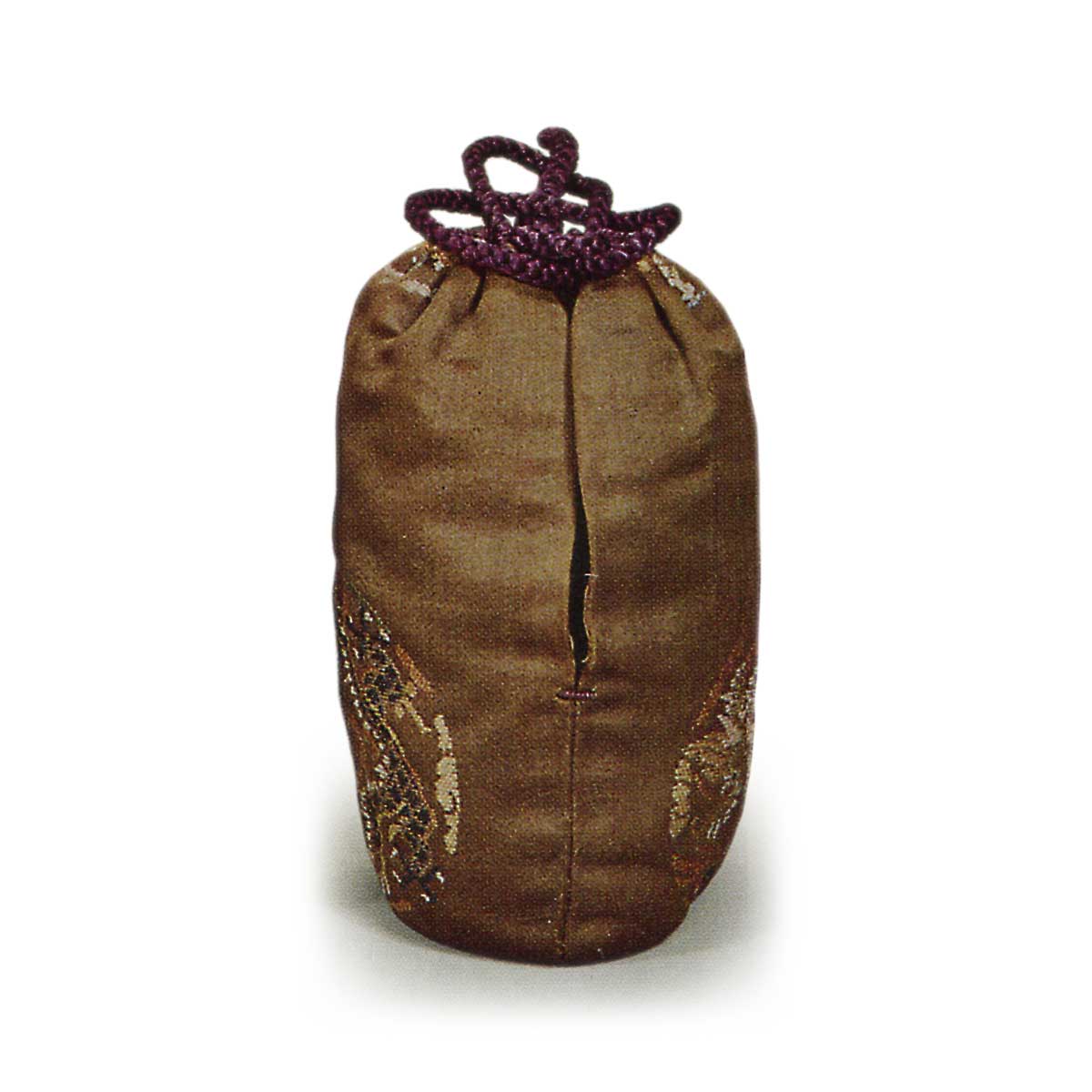
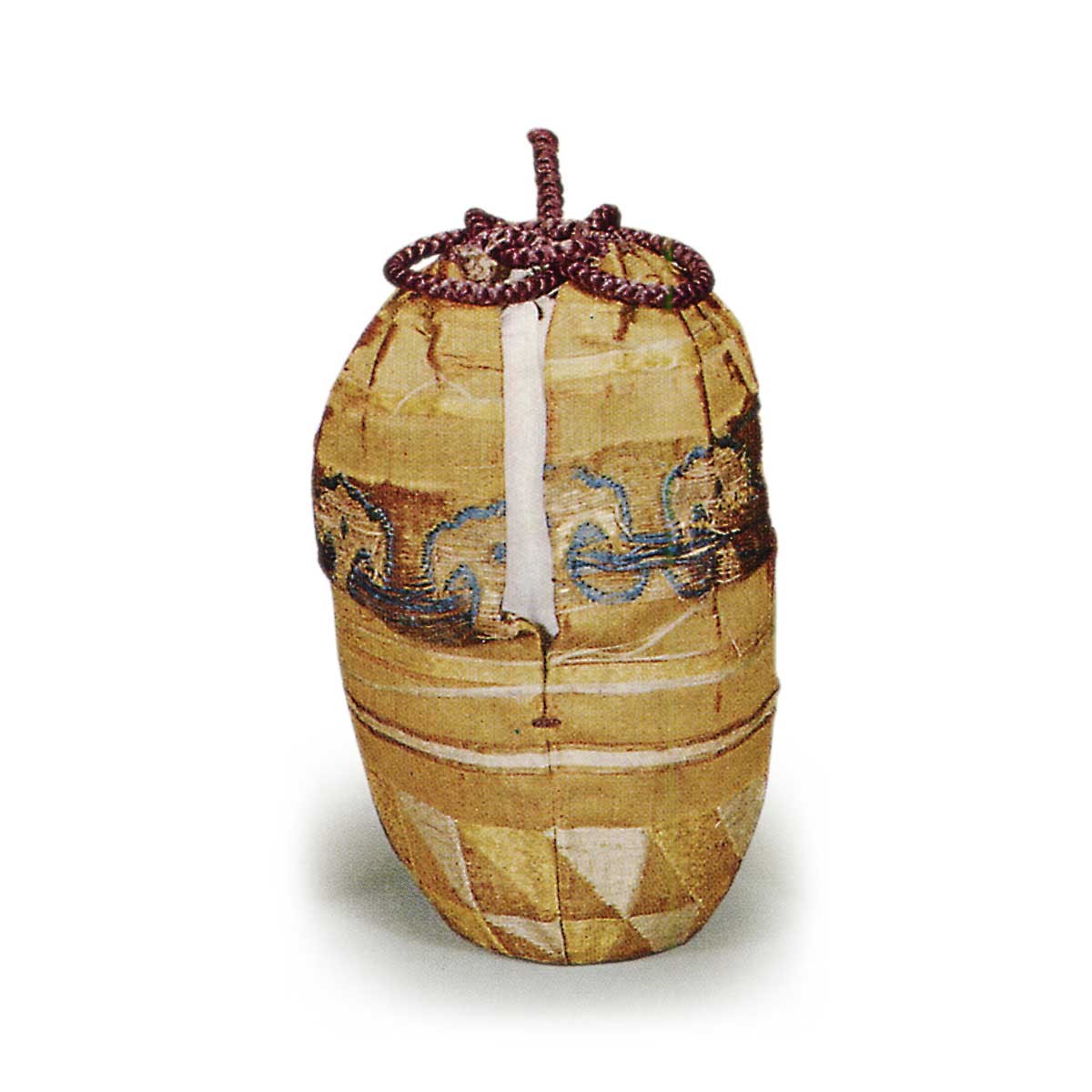
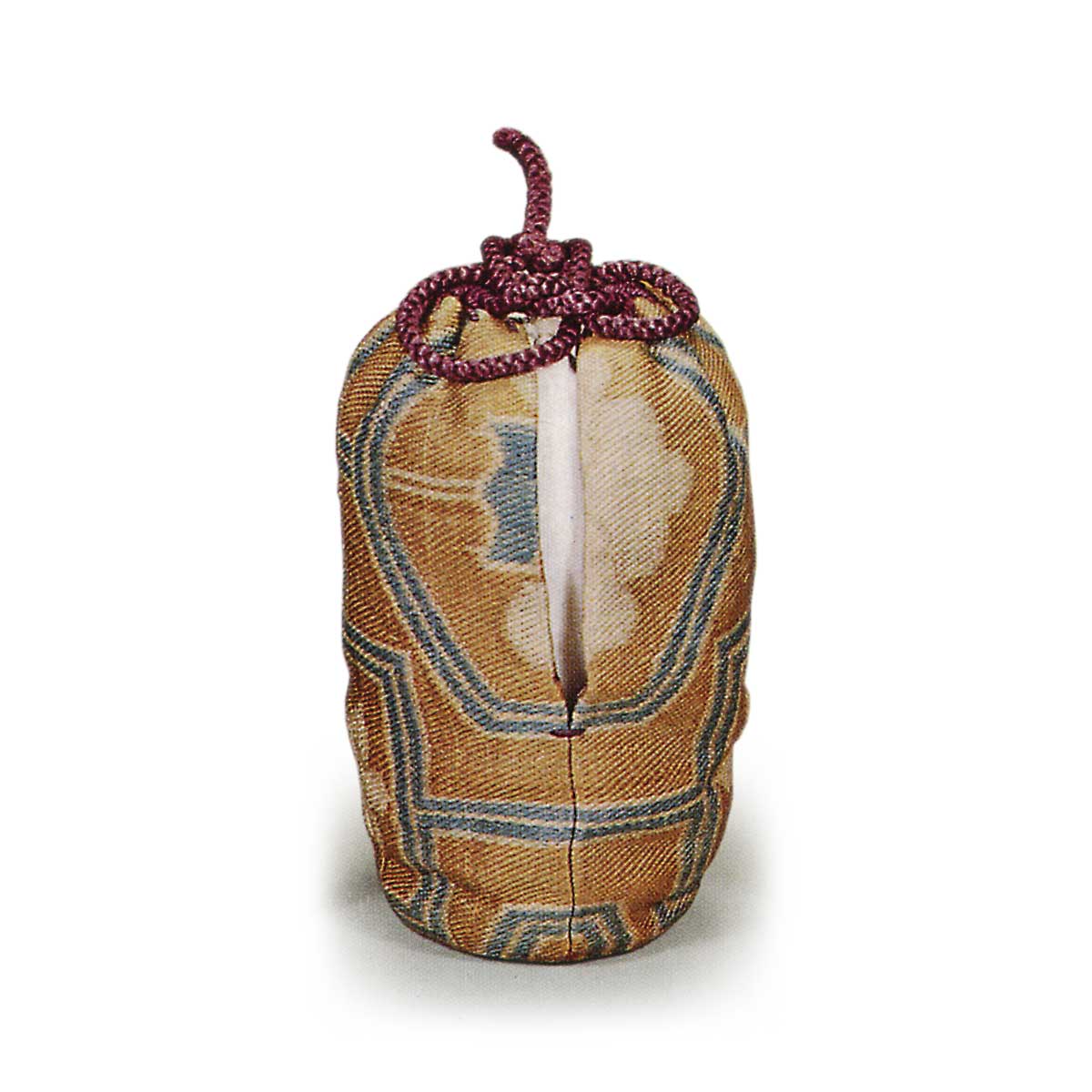
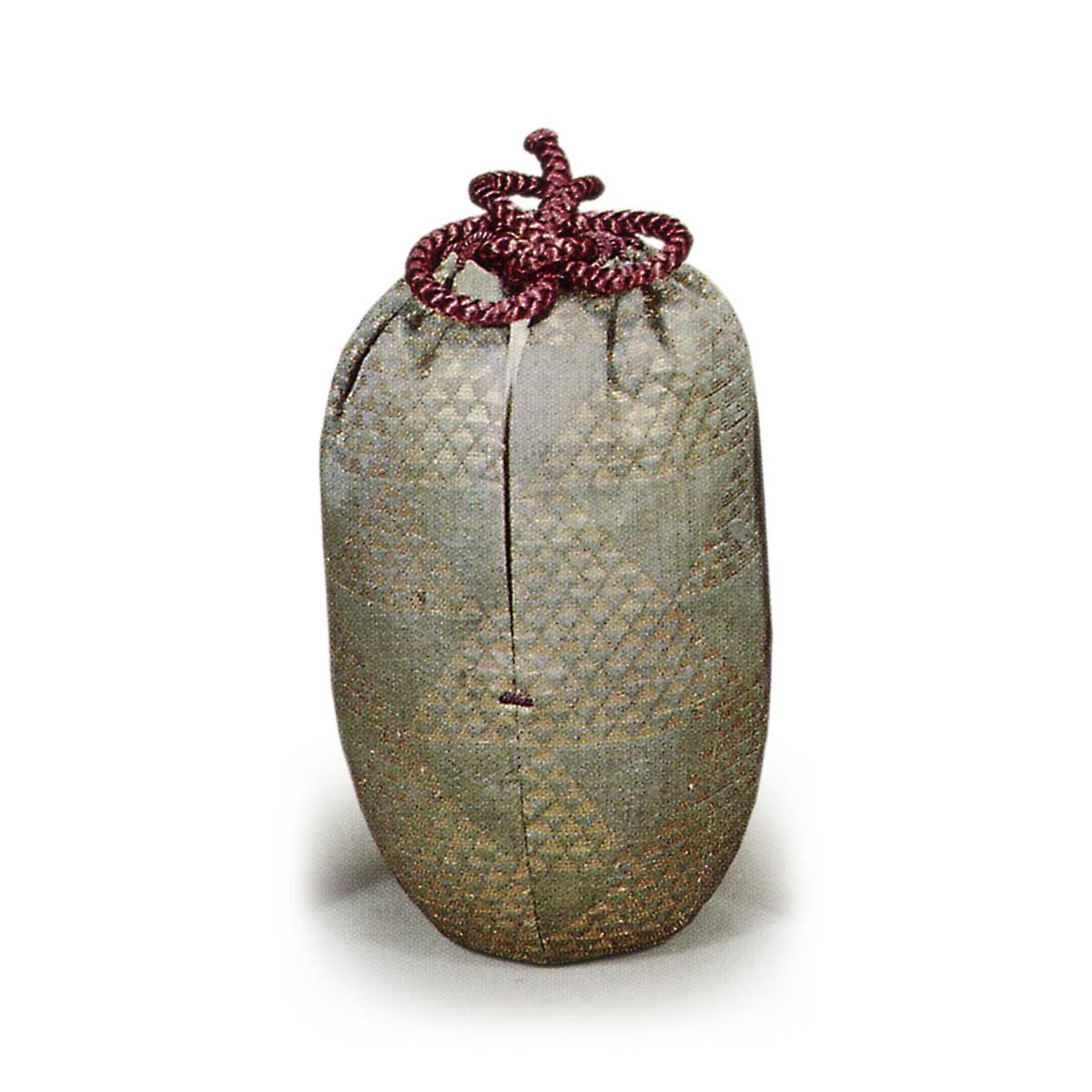
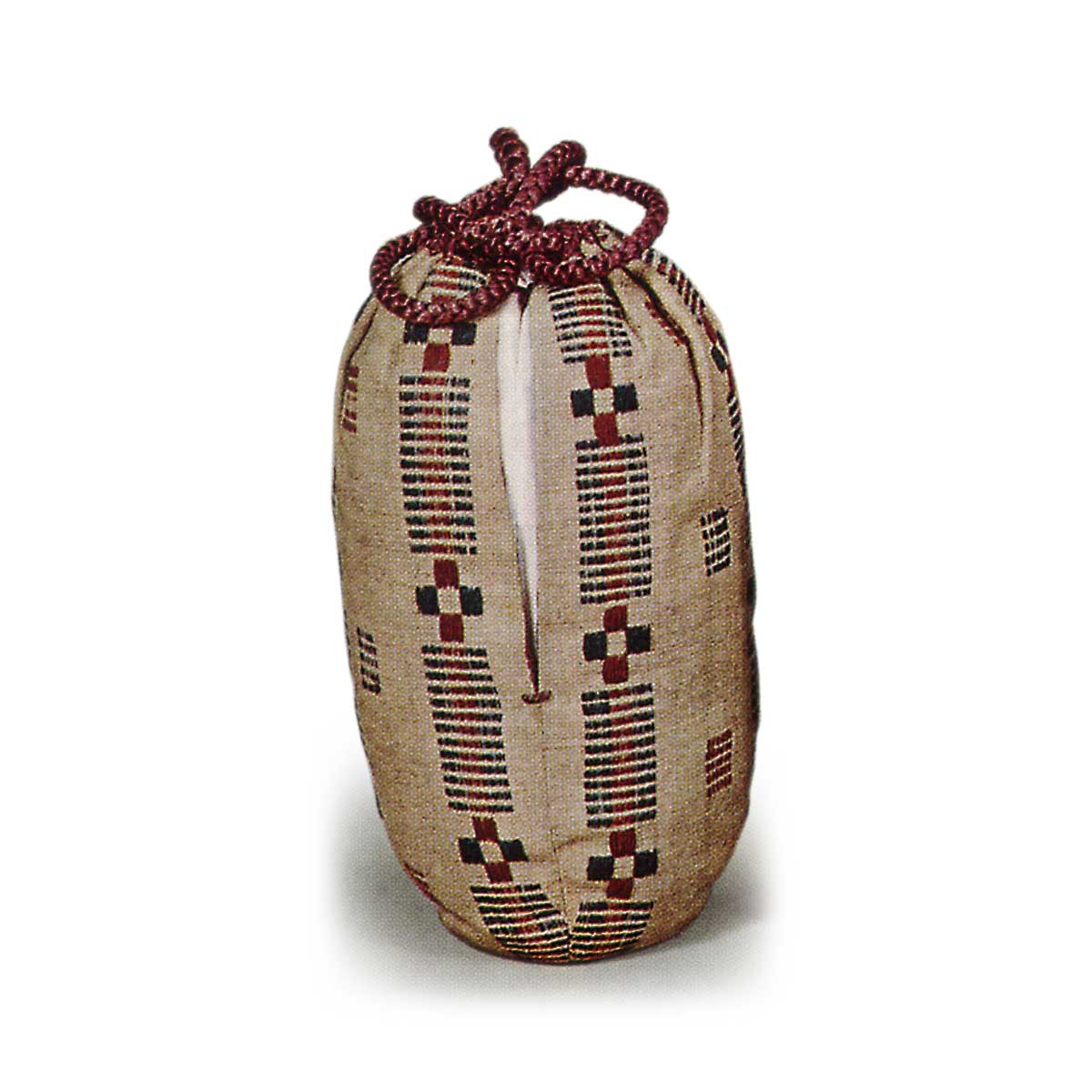
Cover: Five, Cover Box: White Paulownia wood, Inscription
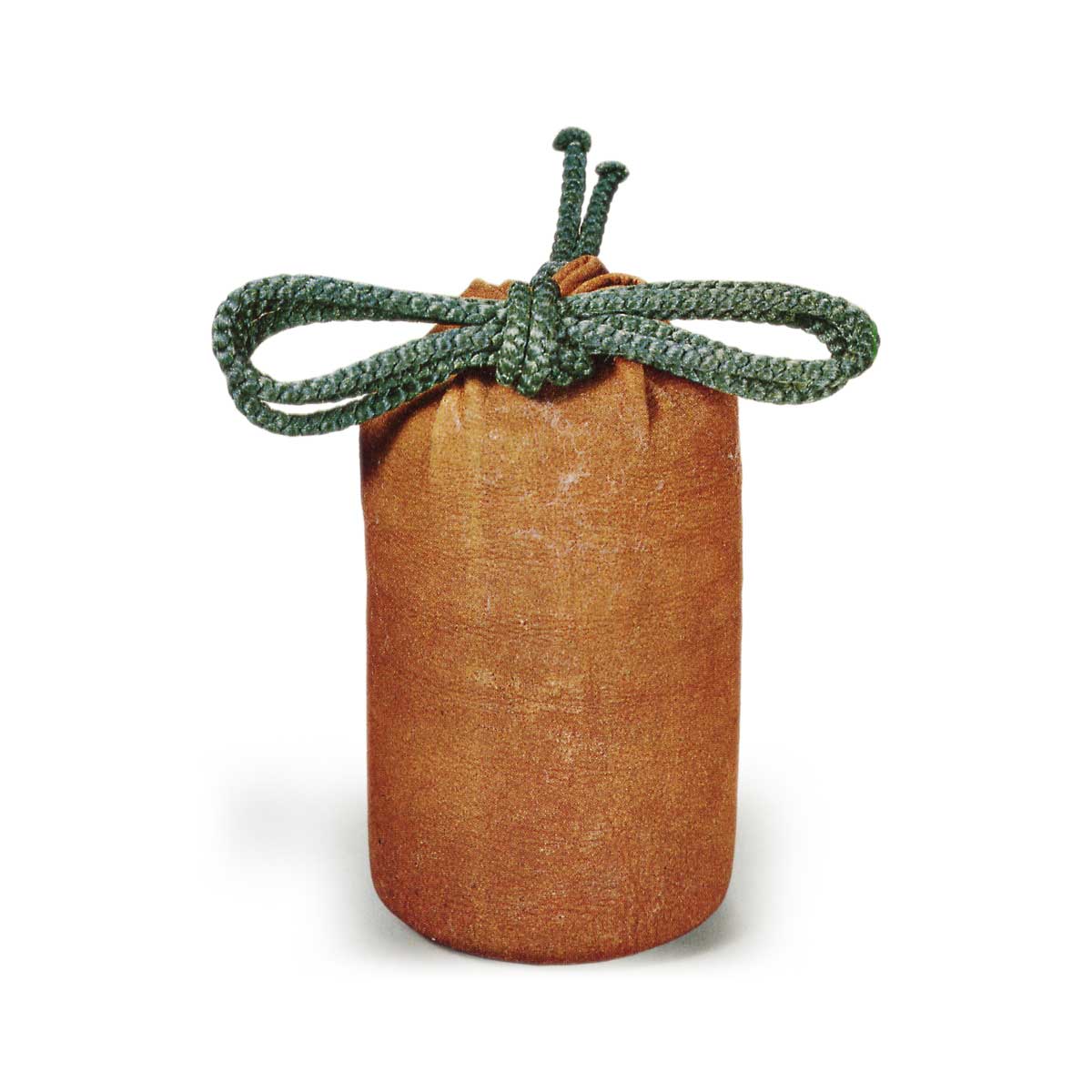
One Hikiya Cover, Fuse Leather
Inner Box, White Paulownia Wood, Inscription by Hosokawa Sansai
Outer Box, White Paulownia Wood Inscription, Leather Cord with Blackened Latch
Transmission
Matsui Sado-no-kami Yasuyuki ― Hosokawa Sansai ― Hosokawa Tango-no-kami ― Matsudaira Fumai
Recorded
Notable Meibutsu Records, Ancient and Modern Notable Meibutsu Records, Tea Caddy Meibutsu Records, Matsuya Diary, Sansai Monogatari, Notes on Appraising Notable Meibutsu, Tokyo University Historical Materials Edition, Matsui Family Genealogy, Matsuya Hisashige Diary, Daienan Tea Gathering Records, Fushimiya Notes, Lord Osaki’s Tea Utensil Expense Records, Taisho Era Notable Utensils Guide
Dimensions
Height: 11.0 cm Mouth Diameter: 3.7 cm Body Diameter: 6.7 cm Base Diameter: 3.5 cm Weight: 173 g
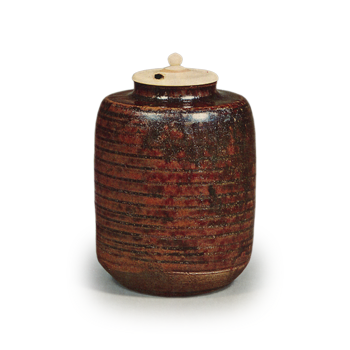
This tea caddy resembles the previously mentioned spear scabbard, appearing somewhat larger and taller. Its form is broad yet well-defined, with a deep, sharply defined waistline. Overall, it displays the interplay of light and dark glaze tones characteristic of the so-called source of Seto glaze. A single streak of nade glaze remains above the waistline, like dewdrops, originating from the area below the front shoulder.
The glaze fading at the base is exceptionally well executed, making it one of the quintessential examples among ancient Seto tea caddies. This was the impression the author had upon seeing it in person at the beginning of the Showa era.
There are five replacement fukuro (covers), well-matched and beautifully colored, each adorned with various Meibutsu patterns.
Inner: One, fine antique weave