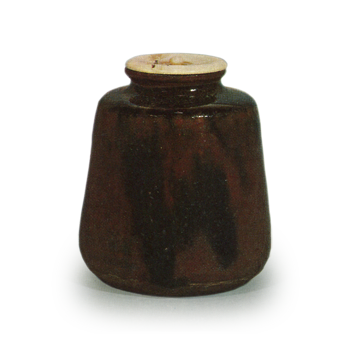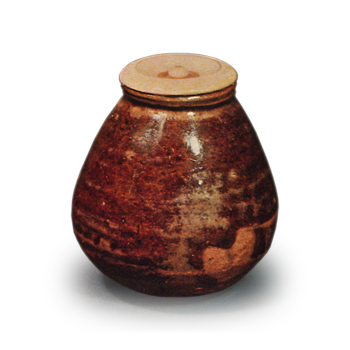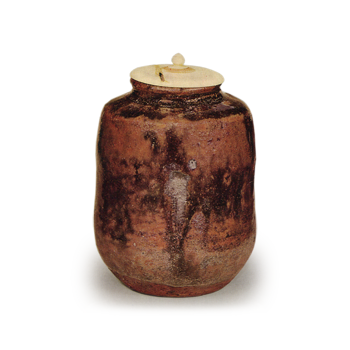
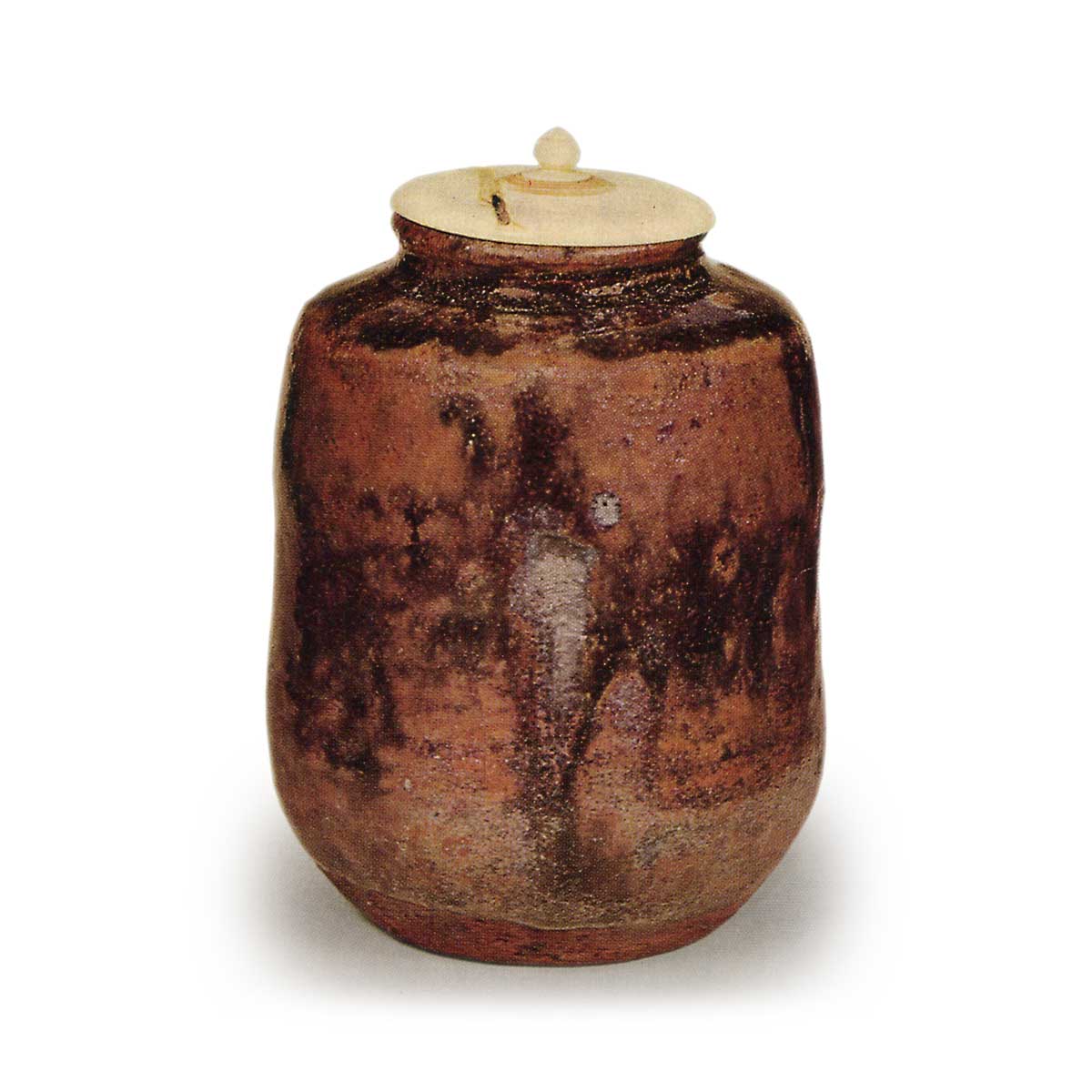
Kinkasan, Gyokuhatsu-de, Seto, Meibutsu of the Middle Period
Accessories
Lid x1, Nest, Lid Box, Paulownia, Unfinished Wood, Inscription by Matsudaira Fumai
Cover x2, Cover Box, Paulownia Unfinished Wood, Inscription by Kobori Enshū
Antique Cover Box, Paulownia Unfinished Wood, Inscription by Matsudaira Fumai
Hikiya: One, Arima Grinder, Keyaki Wood, Enshu’s Favorite
Inner Box: Vermilion Lacquer, Neatly Finished, Inscription: Written by Kobori Enshu
Same Lid Interior: Inscription by Same Hand
Outer Box: Paulownia, Unfinished Wood, Inscription: Written by Matsudaira Fumai
Transmission
Tsuchiya Sagami-no-kami → Matsuyaya Kahei → Fuyuki Kihachiro → Matsudaira Fumai
Recorded
Kokin Meibutsu Ruishu, Fushimiya Notes on Famous Tea Utensils, Tea Utensil Dimensions Record, Fushimiya Handwritten Record, Lord Osaki’s Tea Utensil Expense Record, Lord Fumai’s Tea Gathering Records
Dimensions
Height: 8.1cm, Mouth Diameter: 3.5cm, Body Diameter: 6.3cm, Base Diameter: 4.0cm, Weight: 137.5g
This tea caddy exhibits a finish similar to the original example of the Gyokuhaku style.
It shows a slightly tapered body shape and a small stone-like protrusion at the base. The overall glaze is redder than the original example, and the ascending gold pattern at the base is less pronounced, but overall it possesses a graceful form with well-balanced shades of color. This is evidence that it is close to the original Gyokuhaku style. Therefore, the inscription “Masakagami” is also plausible.
Two shifuku (dust covers) are included, both in the Enshū style.
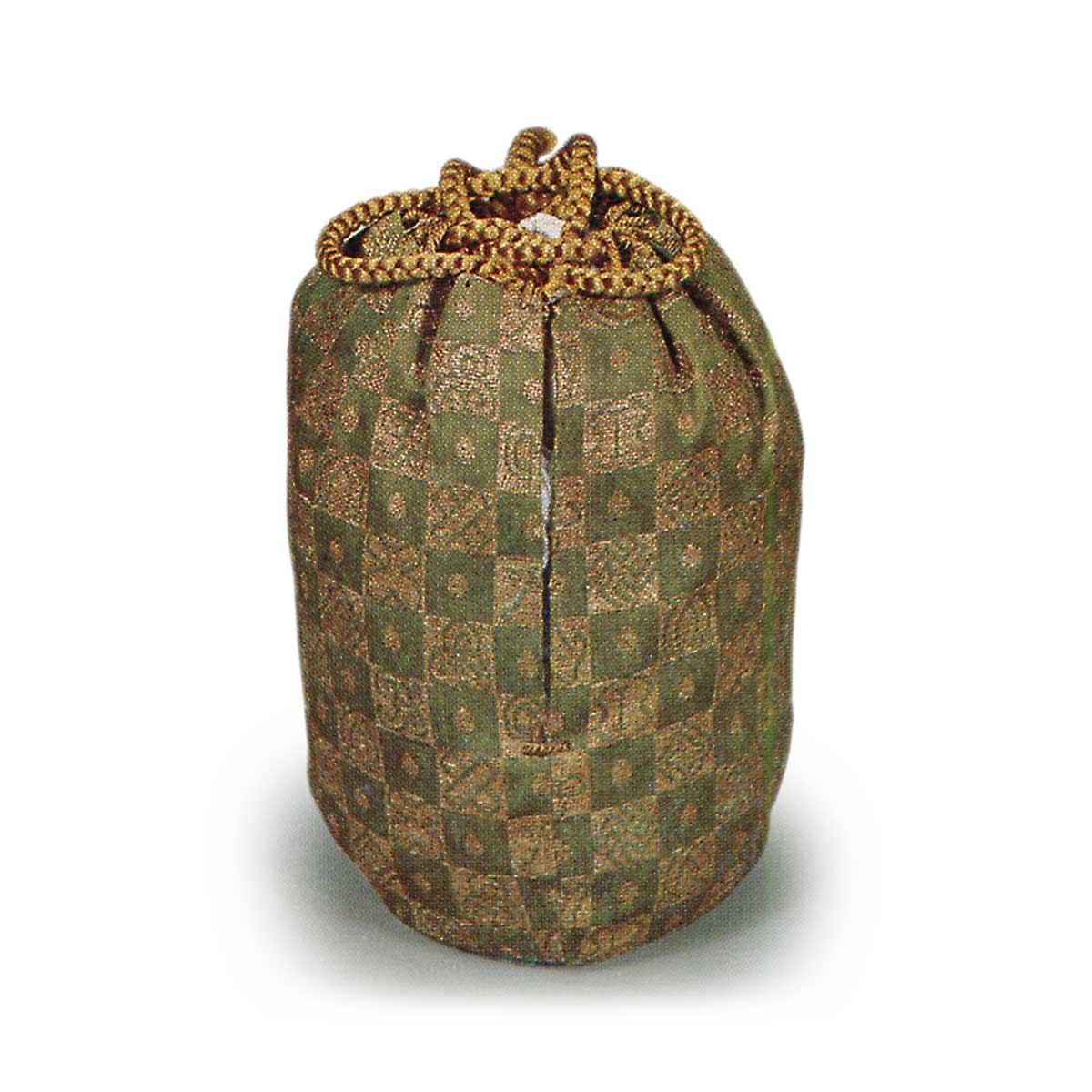
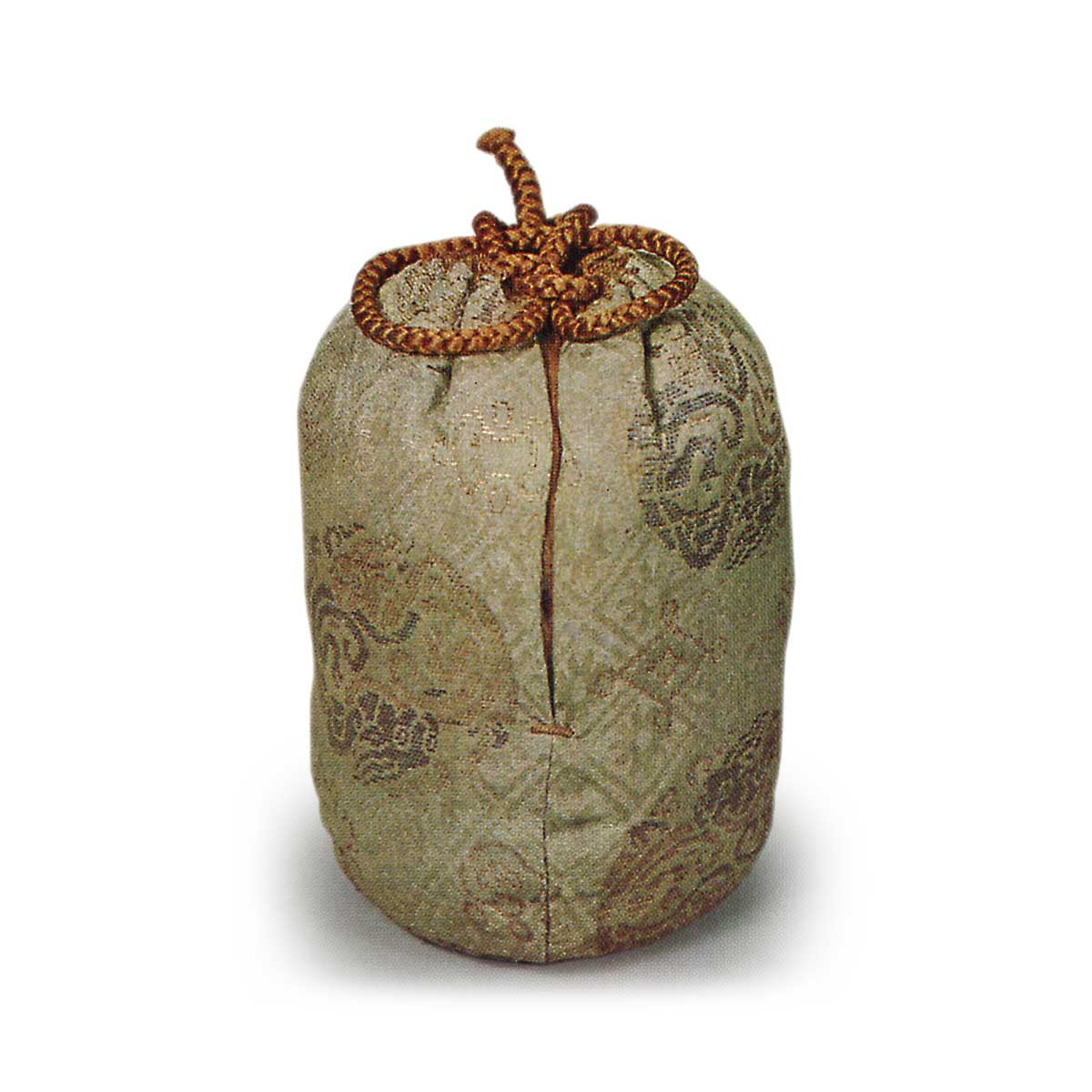
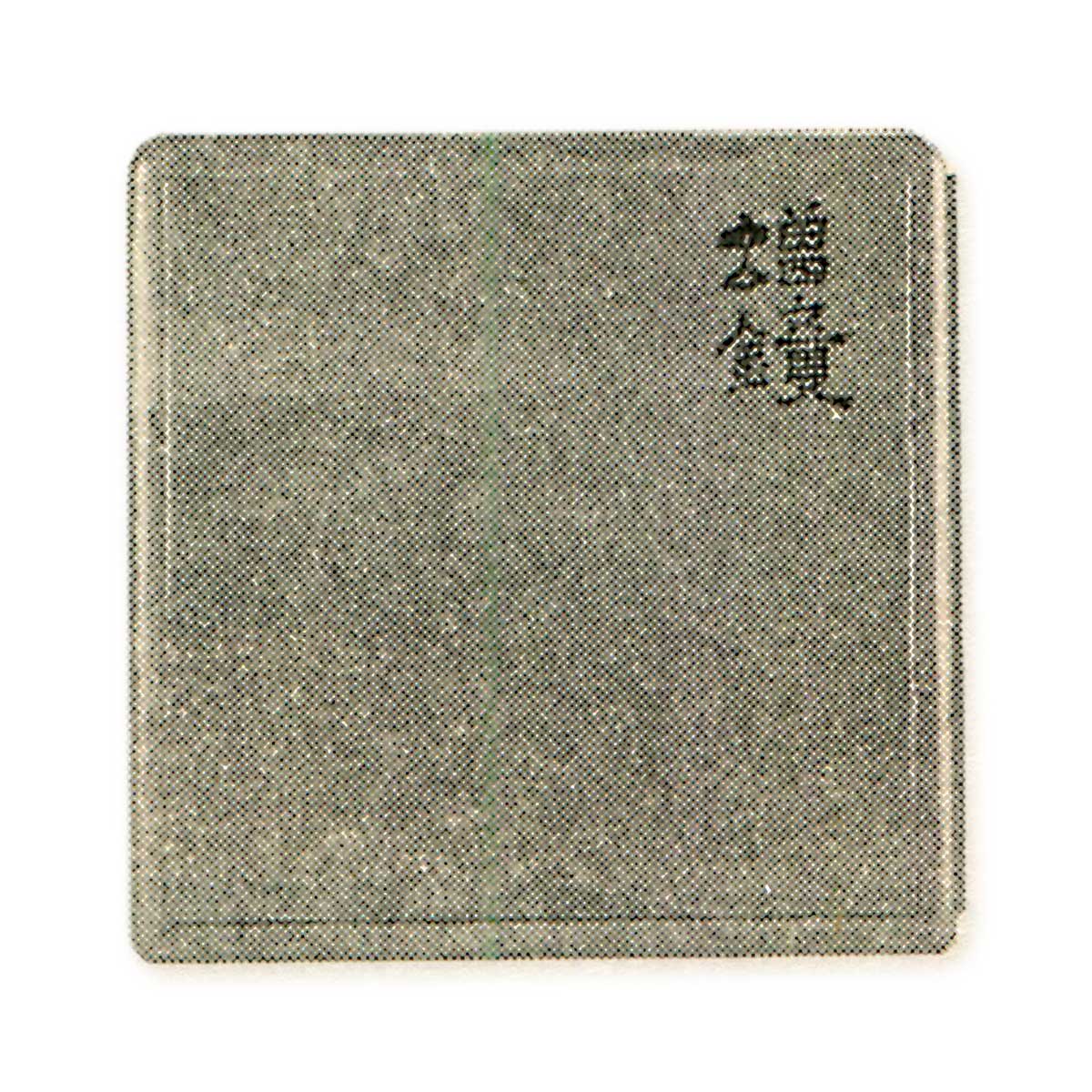
Inscription: Written by Kobori Enshū
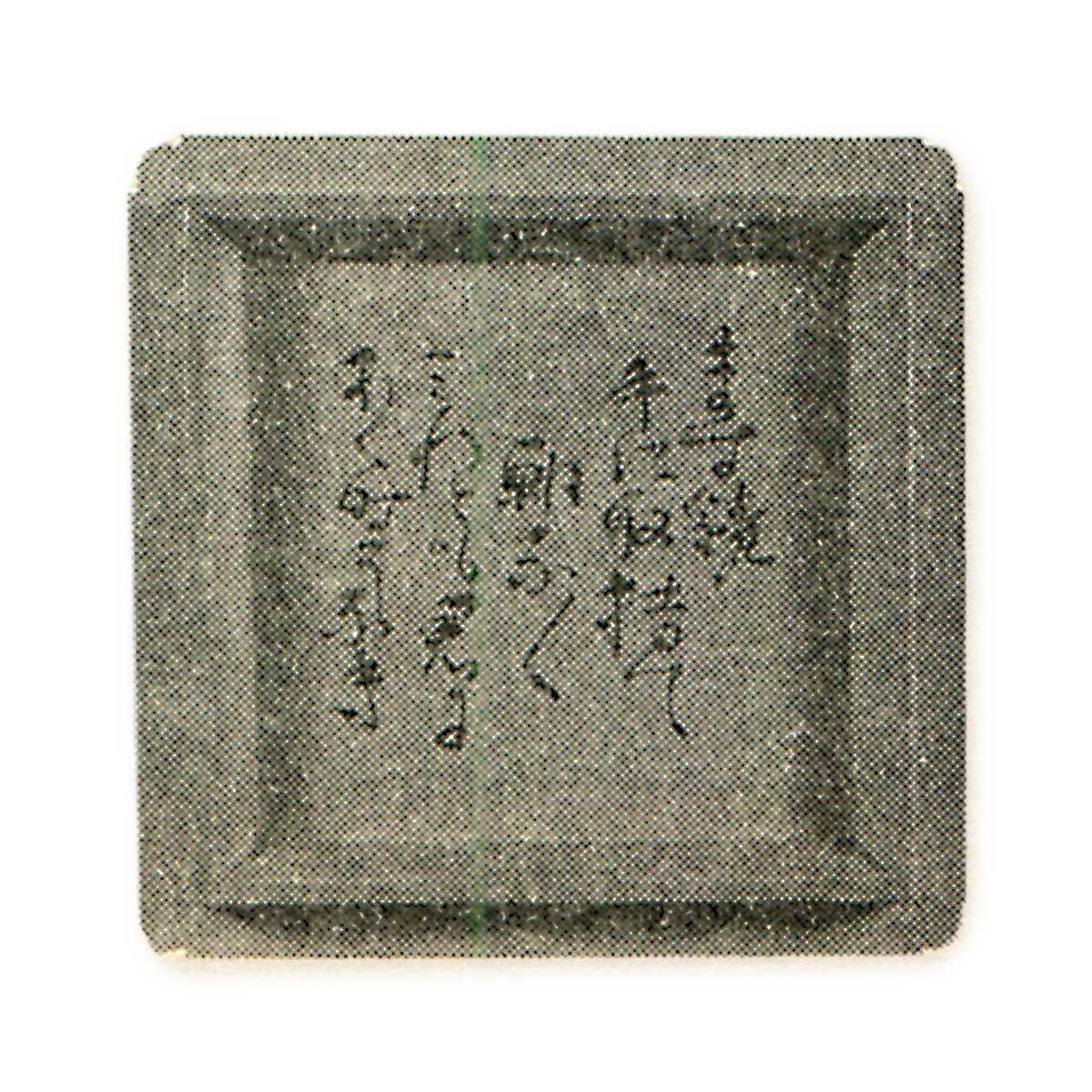
Inscription: Written by Kobori Enshu
Masukagami
Take it in hand
Even without morning
Though I gaze
At you
Endlessly
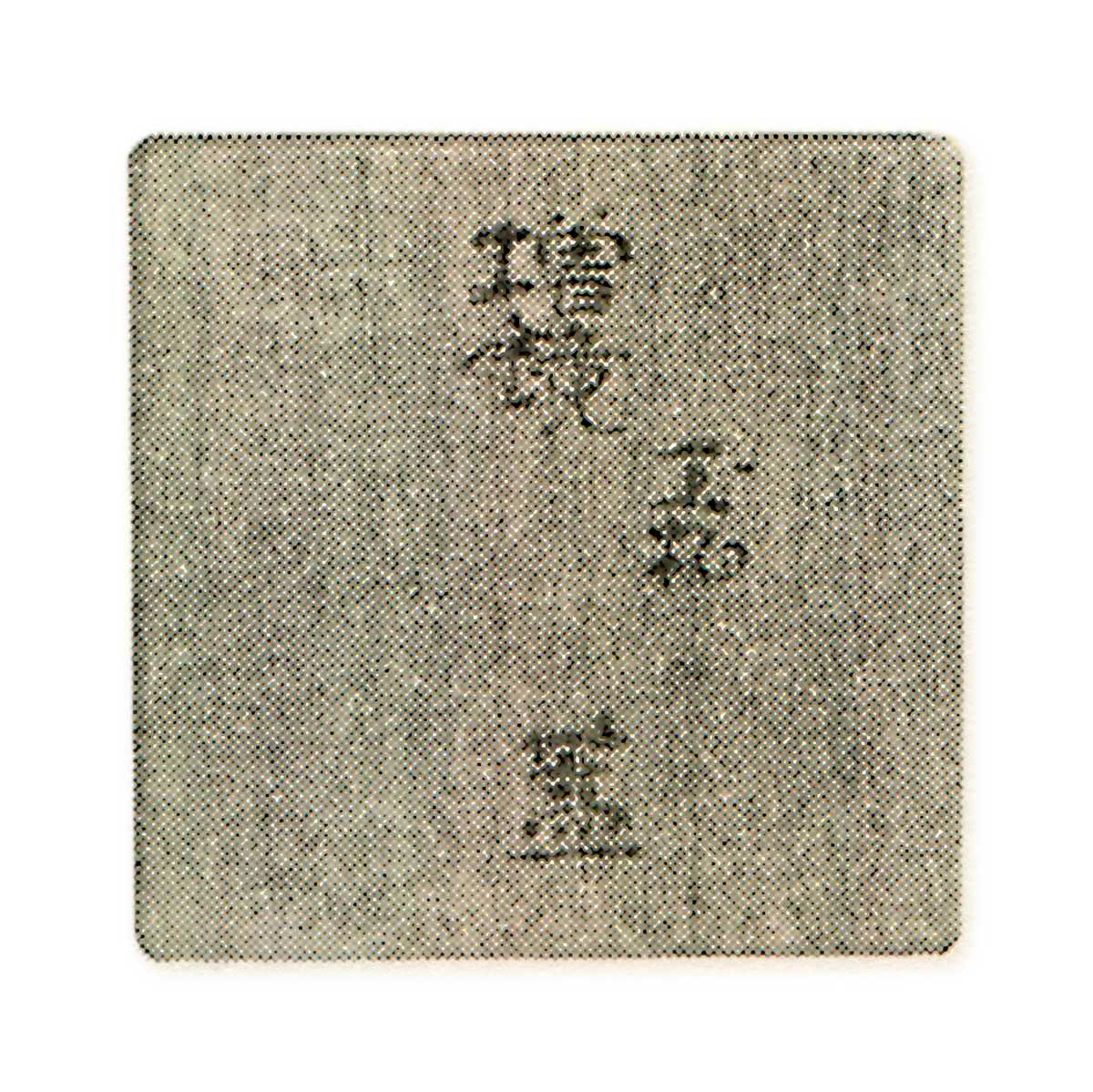
Inscription: Written by Matsudaira Fumai
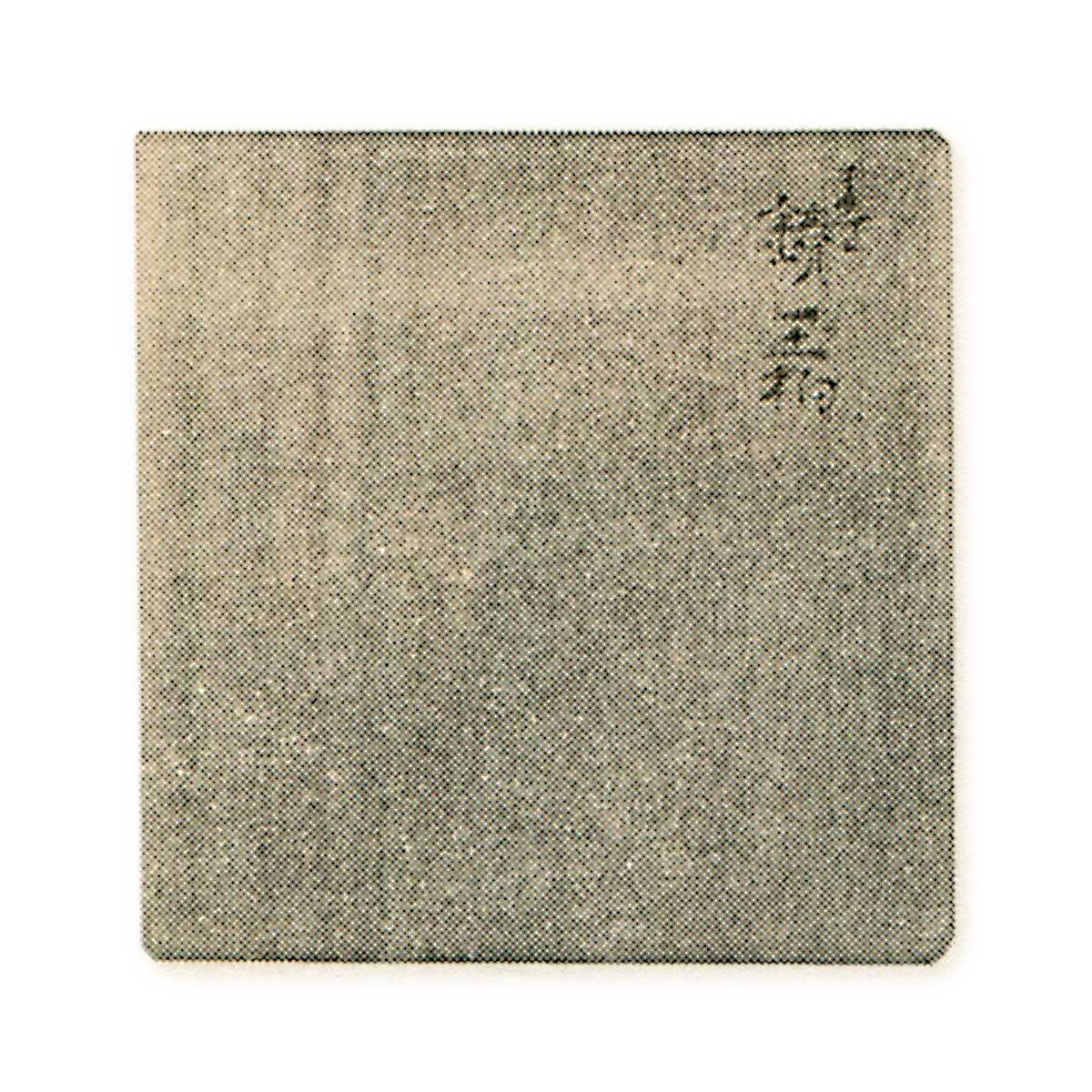
Inscription: Written by Matsudaira Fumai

Inscription: Written by Matsudaira Fumai