

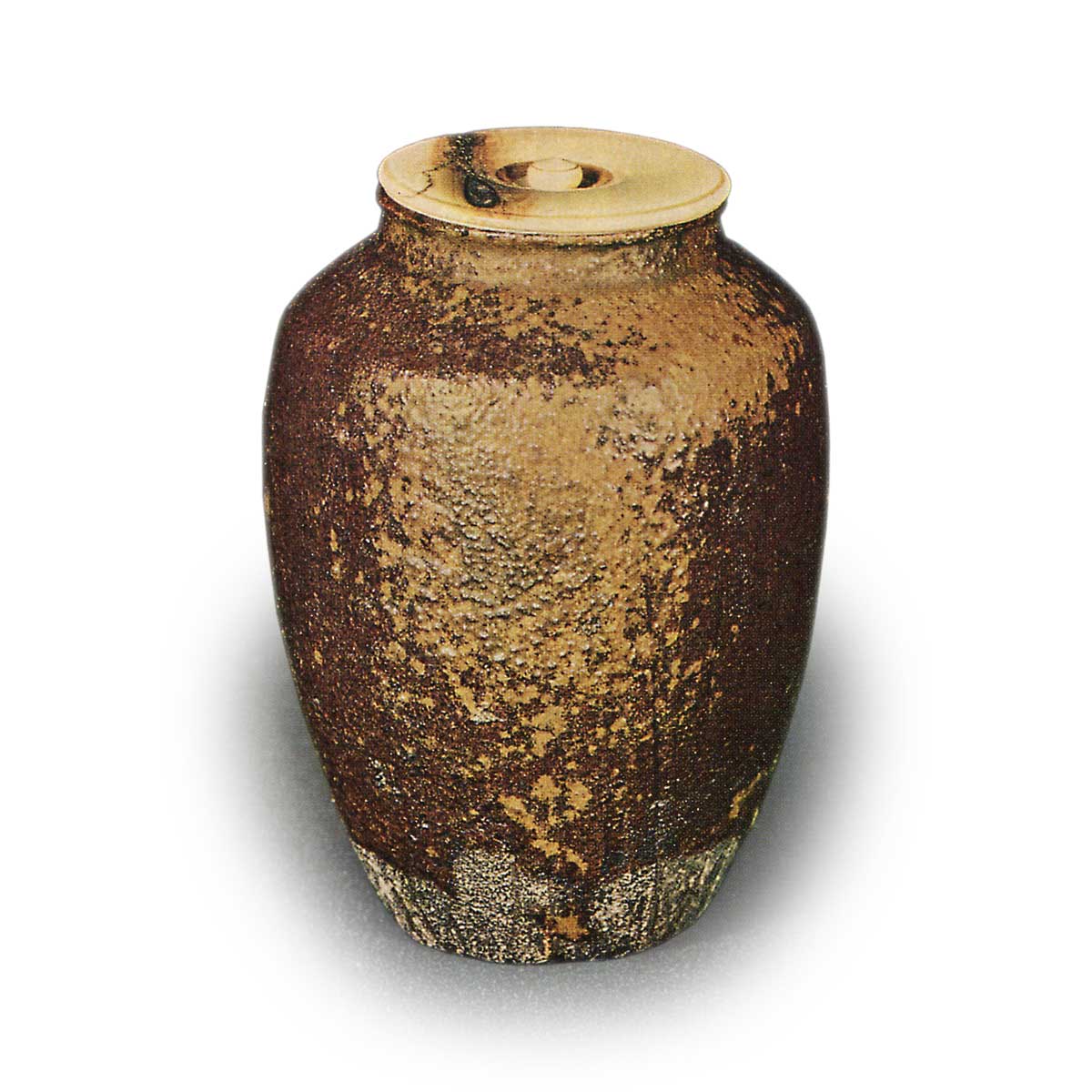
Hafu Kiln, Minagawa Hand, Formerly Shiranami, Revival Meibutsu
Accessories
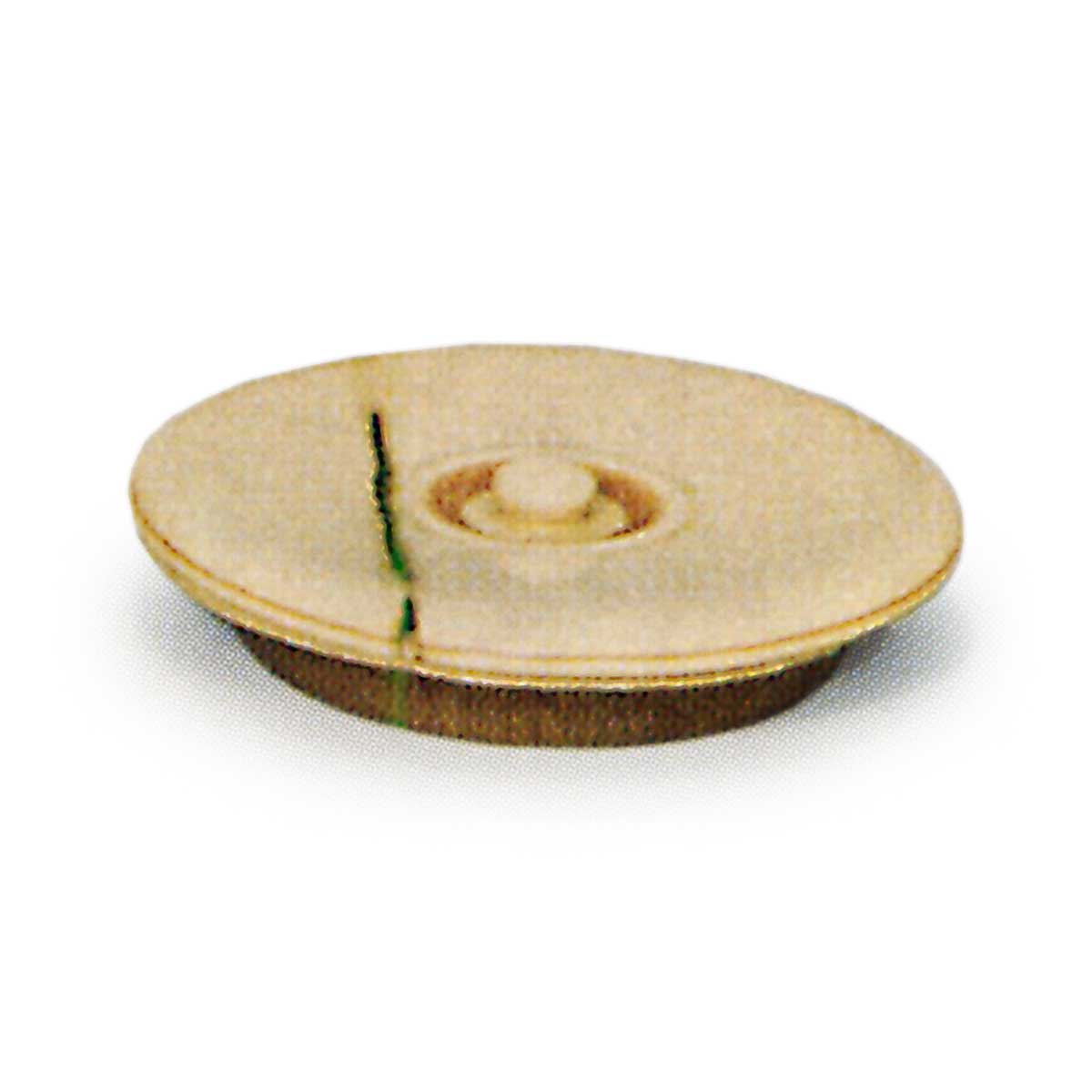
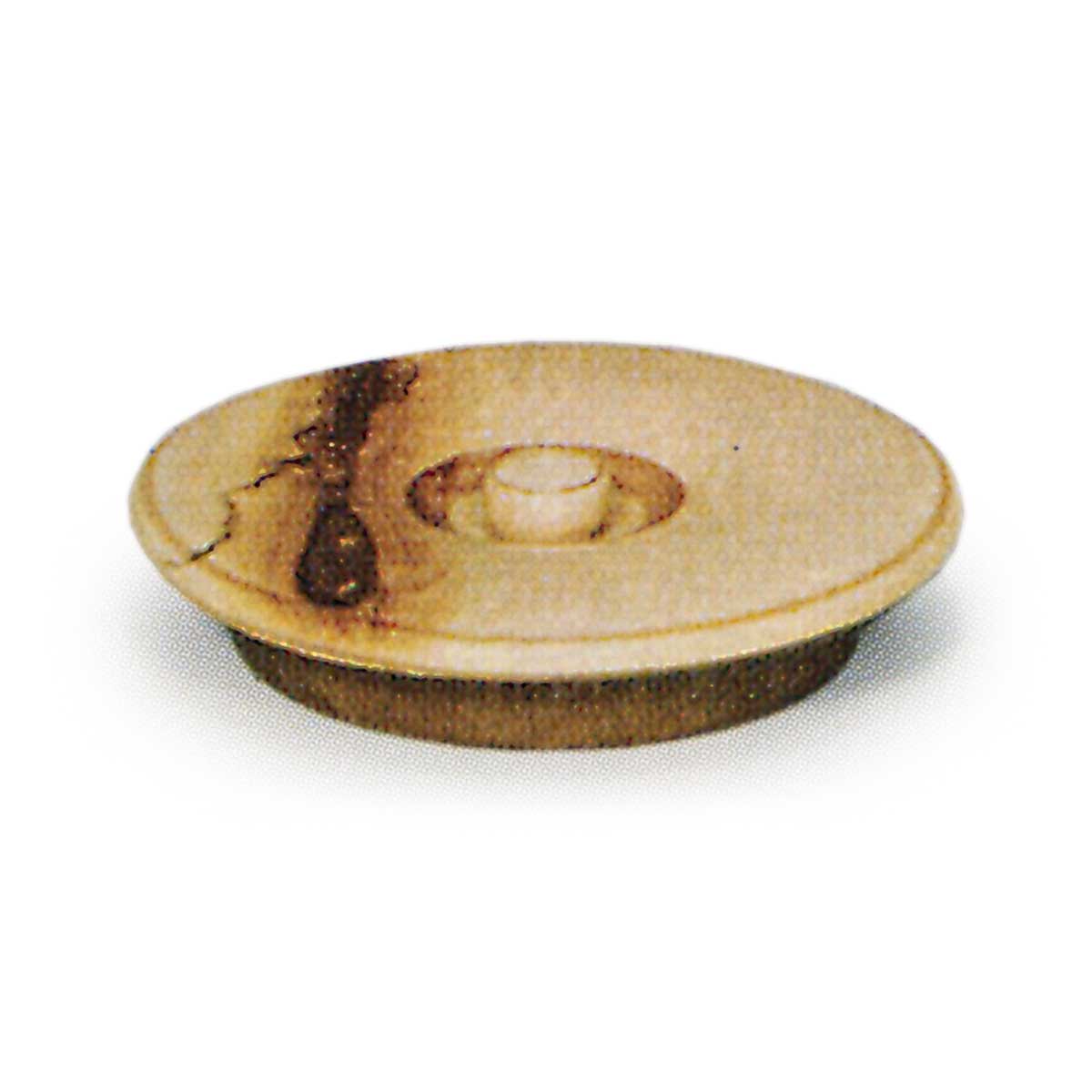
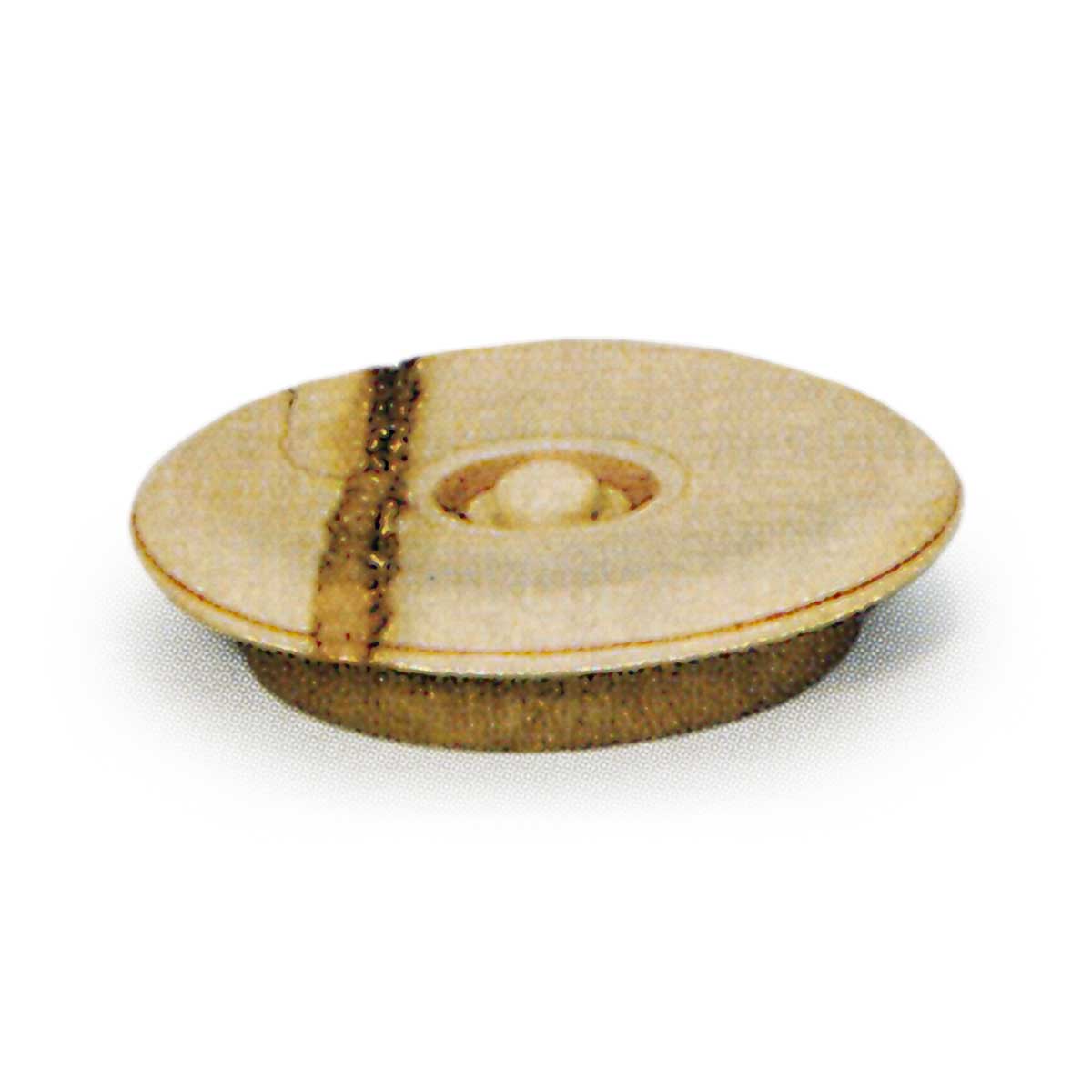
Lids x3, Nest
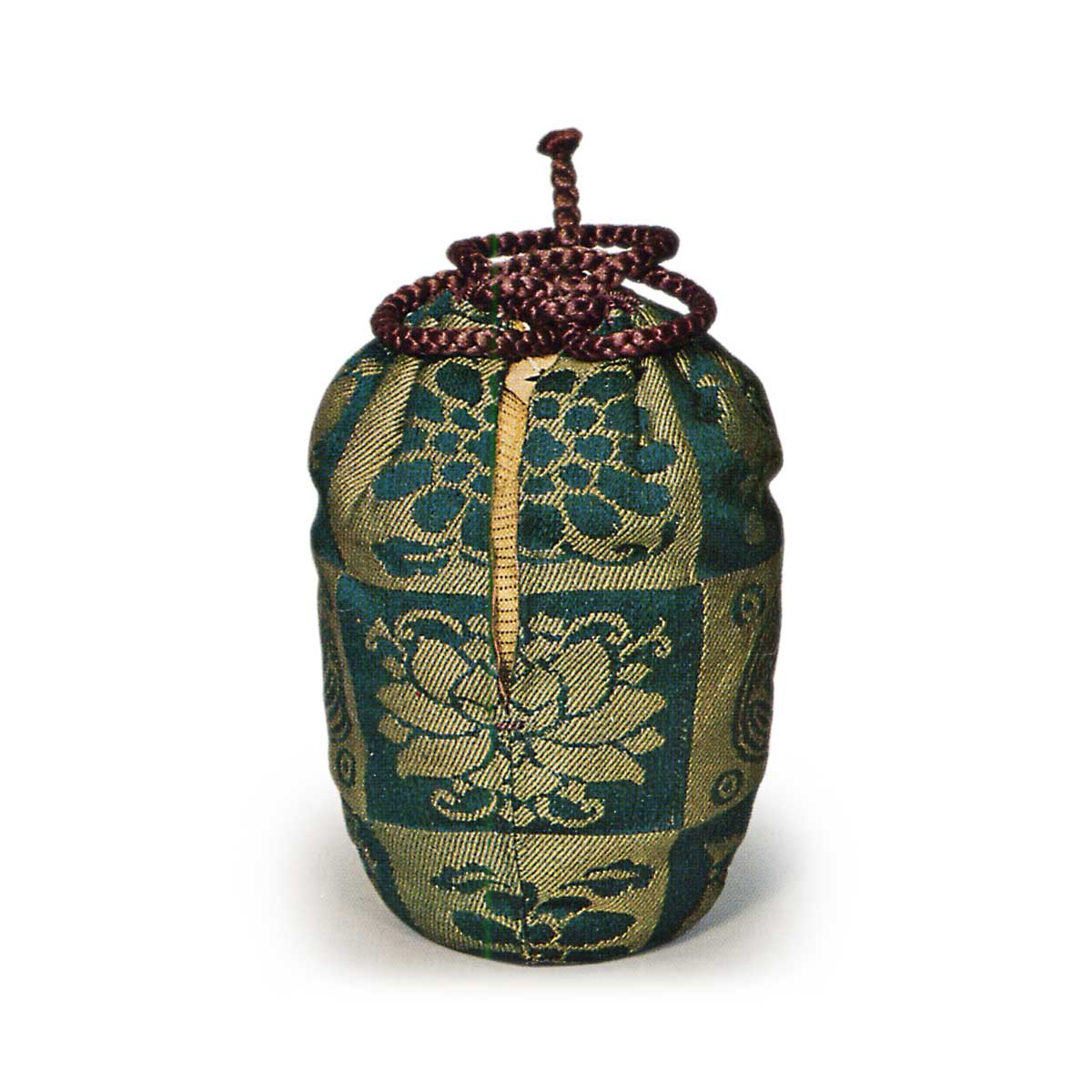
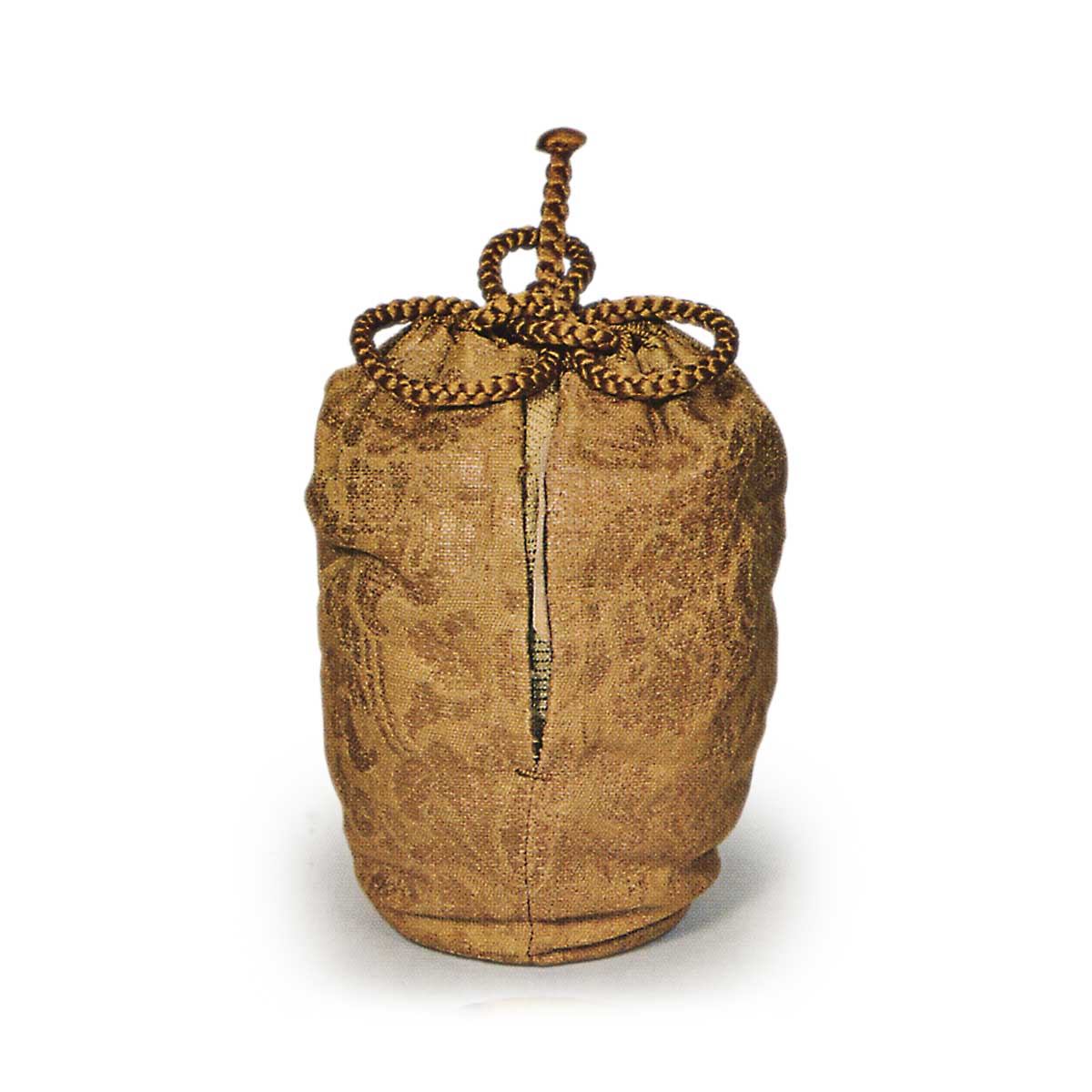
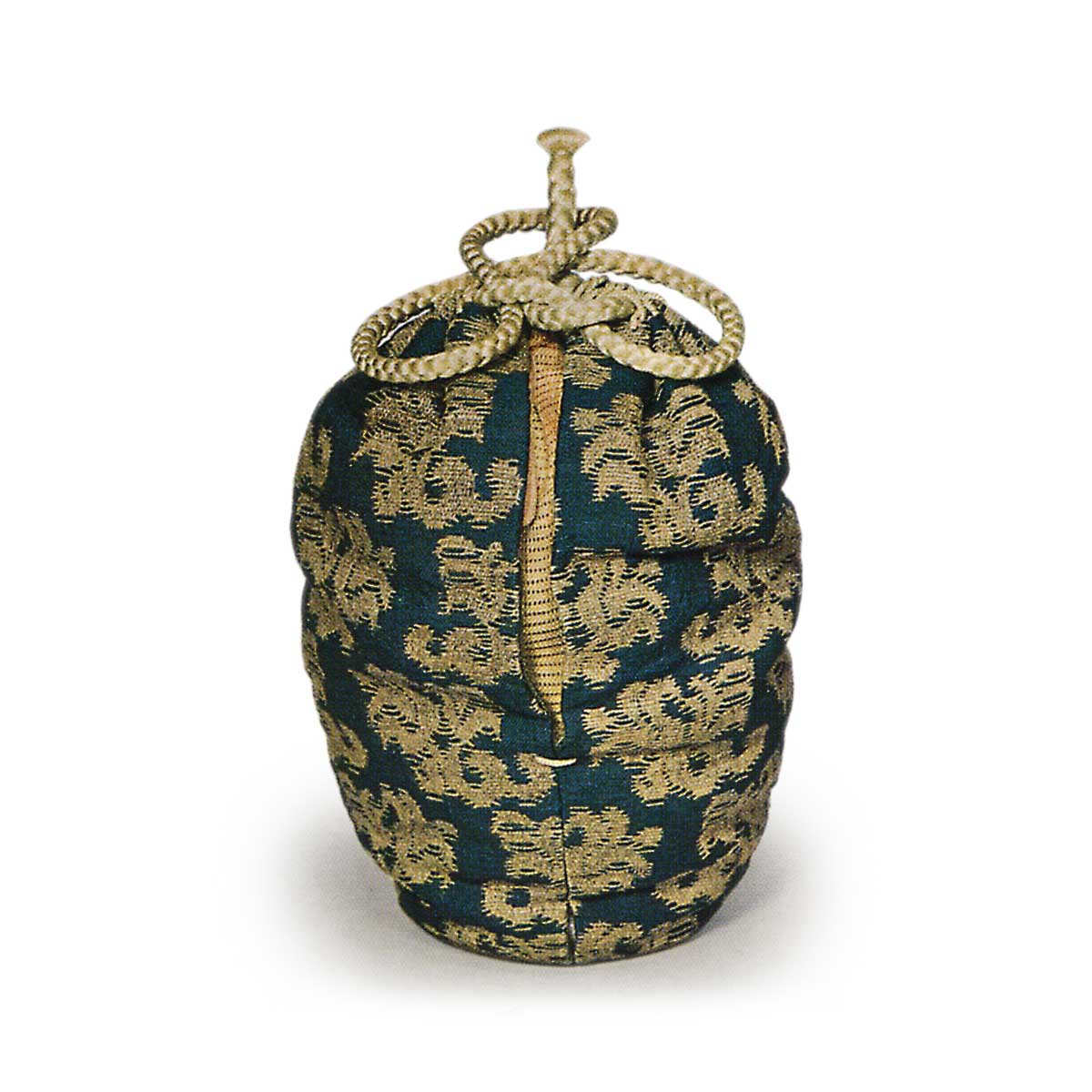
Covering Cloth x3, Covering Cloth Box, White Paulownia Wood, Inscription by Abe Bungoshi Masatake
Hikiya, Flower-Patterned Curtain Panel Concave Carved Gold Powder Character Design, Inscription by Abe Bungoshi Masatake
Inner Box: Paulownia wood, white lacquer, inscription by Abe Bungoshi Masatake, same as lid interior, inscription by same hand
Outer Box: Paulownia wood, black lacquer with scratched finish, screen panel: vermilion lacquer, silver powder lettering, inscription by Matsudaira Fumai
Transmission
Kamio Wakashamori Shōgen → Abe Bungoshi Masatake → Matsudaira Norimura → Matsudaira Fumai
Recorded in
Unshū Zōchō (Unshū Inventory), Kokon Meibutsu Ruishū (Collection of Famous Objects Through the Ages), Meibutsu Ki (Record of Famous Objects), Rinpō Kamiryū (Dragon and Phoenix, Tortoise and Dragon), authored by Kusama Waraku, Chaki Meibutsu Zui (Illustrated Collection of Famous Tea Utensils), Fushimiya Nikki Meibutsu Chaki Zu (Fushimiya Notes: Illustrated Famous Tea Utensils), Fushimiya Kokusho (Fushimiya Memorandum), Daien
Height: 9.0cm Mouth Diameter: 3.4cm Body Diameter: 6.5cm Base Diameter: 3.8cm Weight: 147g
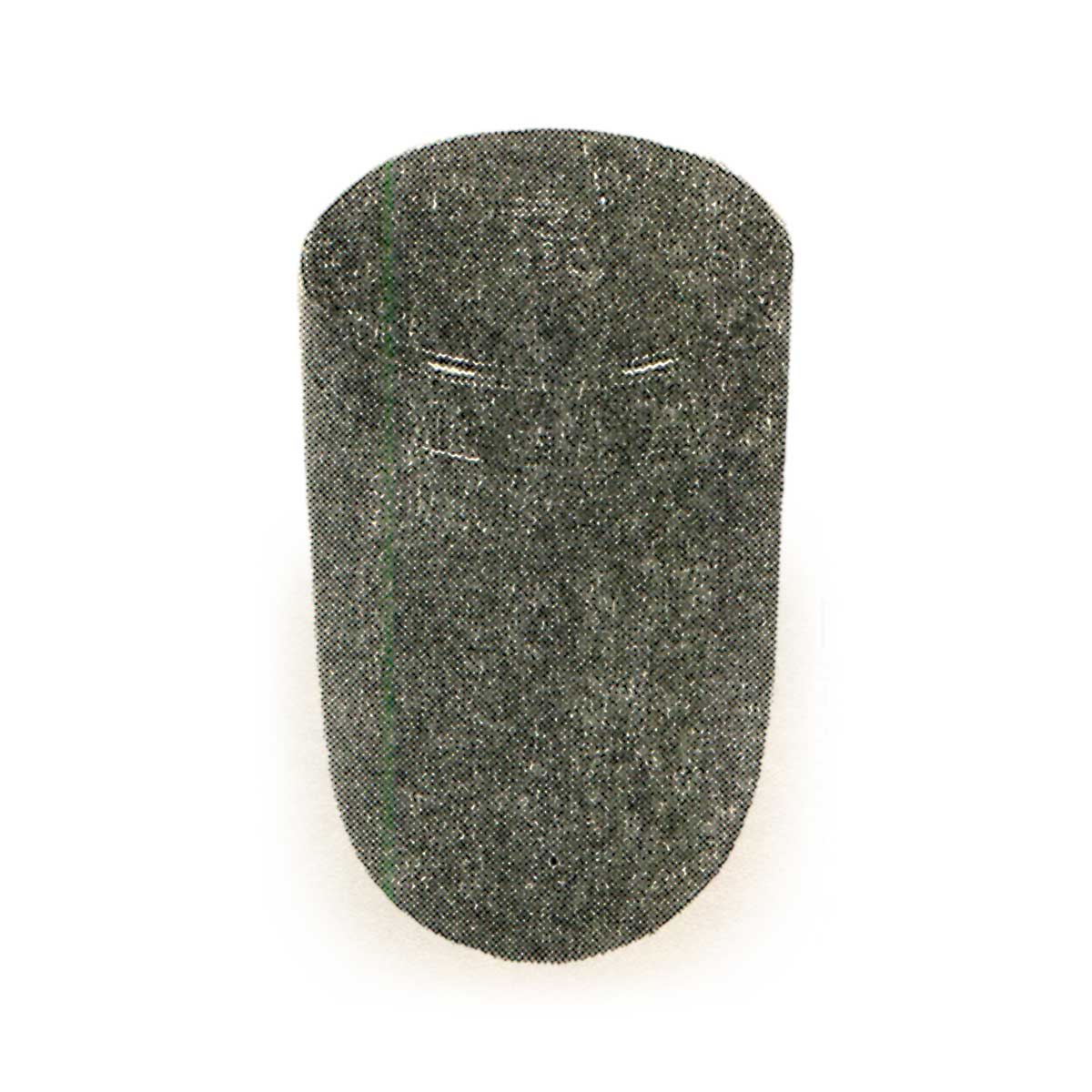
This tea caddy is known as Minokawa-guchi, read as “Bōsui.”
Characteristics of the Minakawa tea caddy include a slightly flared rim, gently sloping shoulders, a form tapering from the body to the base revealing the clay, and an overall graceful silhouette.
The rustic glaze, with scattered yellow glaze splashes encircling the rim and shoulders, is particularly striking.
Following the original Minakawa poem, this style bears names inspired by water.Beloved by tea practitioners as a tea caddy that is not rigid.
Three dust covers are included. True to Enshū’s taste, they are Donshu, Kinran, and another, all vividly preserved.
Three ivory lids, all with hollowed-out bases, are included.
Written by Abe Bungo-no-kami Masatake
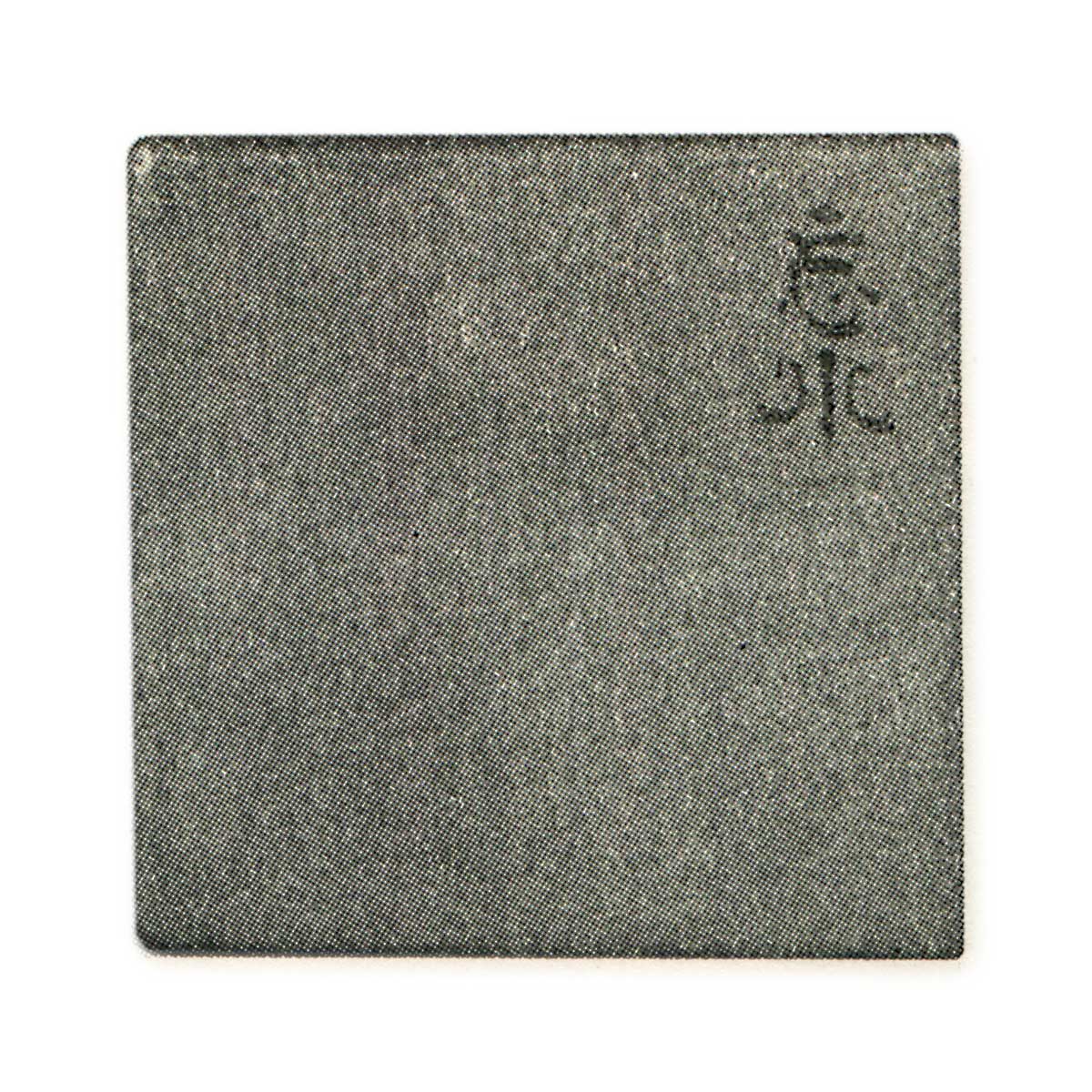
Inscription: Written by Abe Bungo-no-kami Masatake
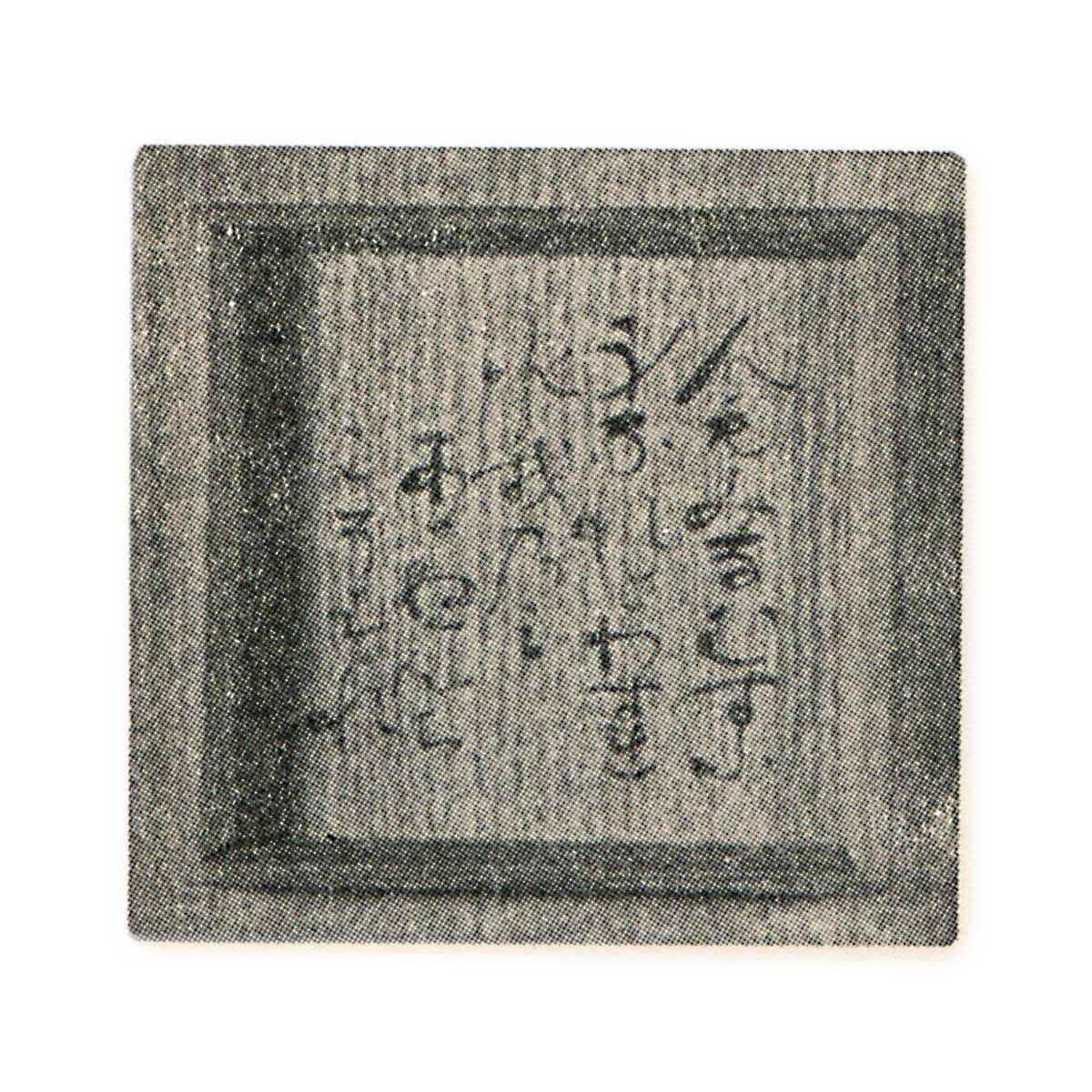
Inscription: Written by Abe Bungo-no-kami Masatake
People all marry
Forgetting their true selves
Water—only I
With an unchanging heart
That is all

