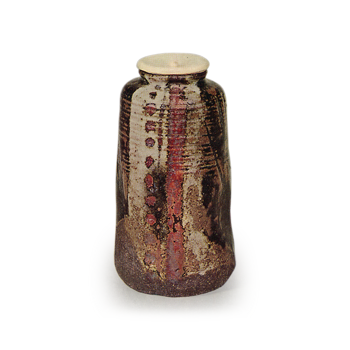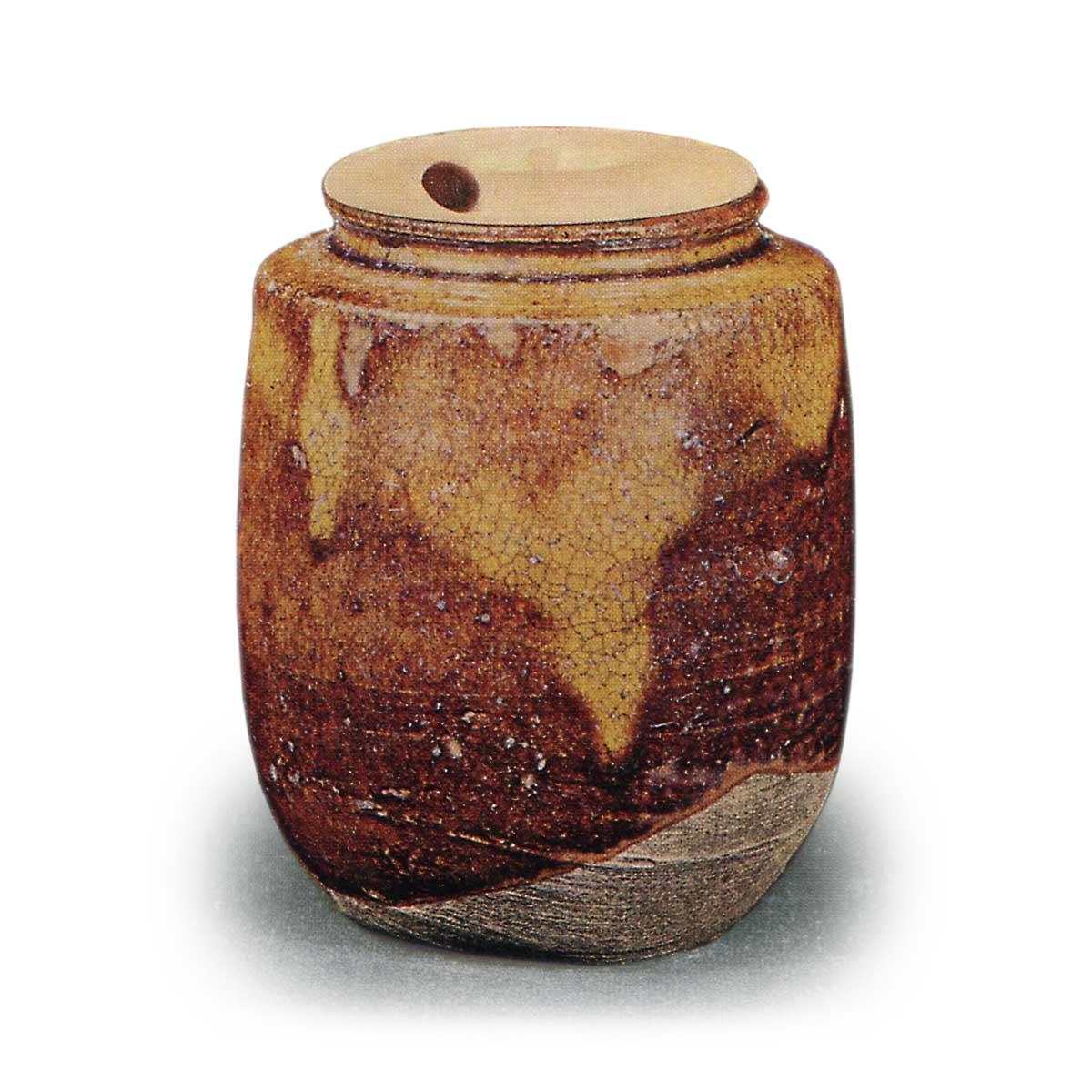
Hafu Kiln, Kuchihiro Hand, Revival Meibutsu
Accessories
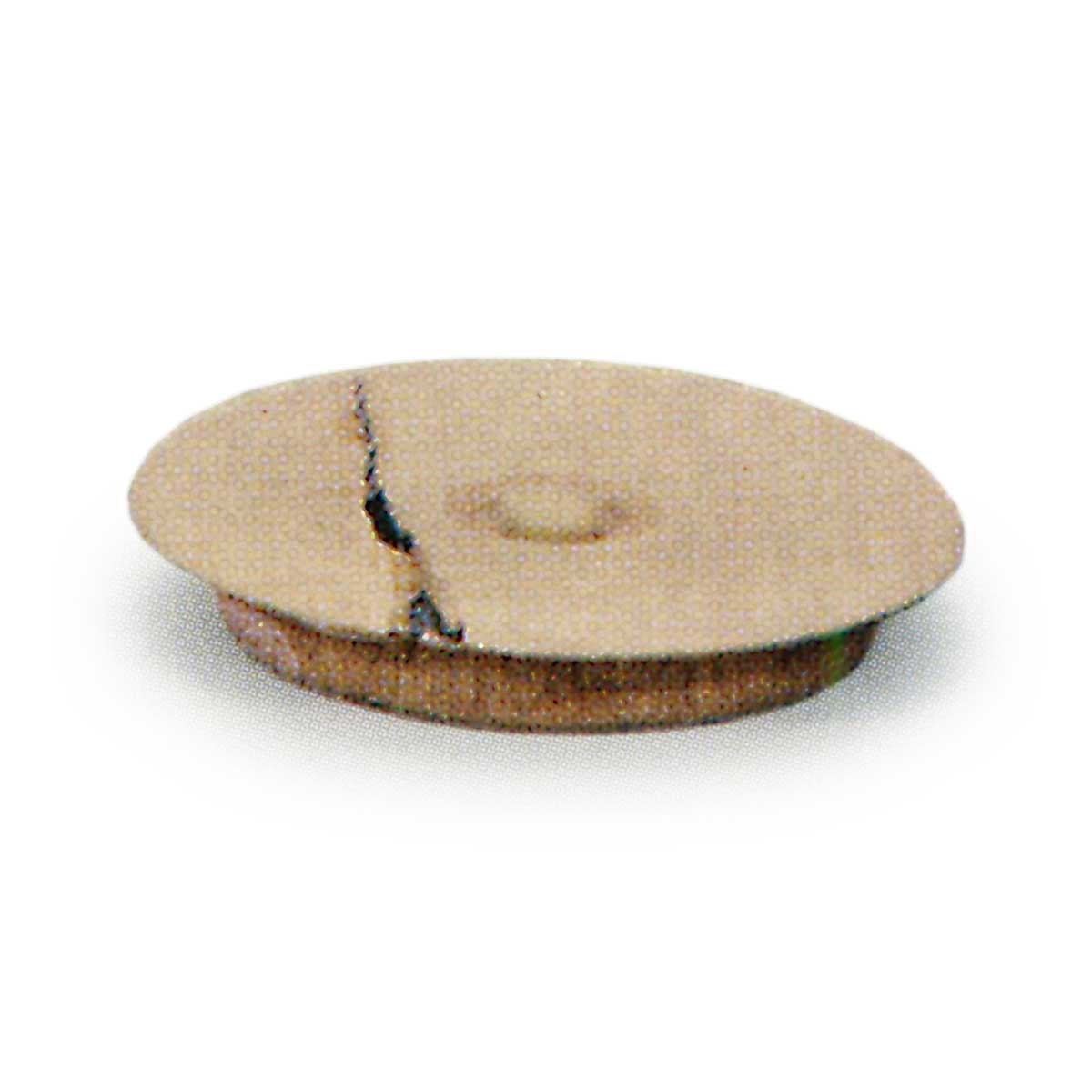
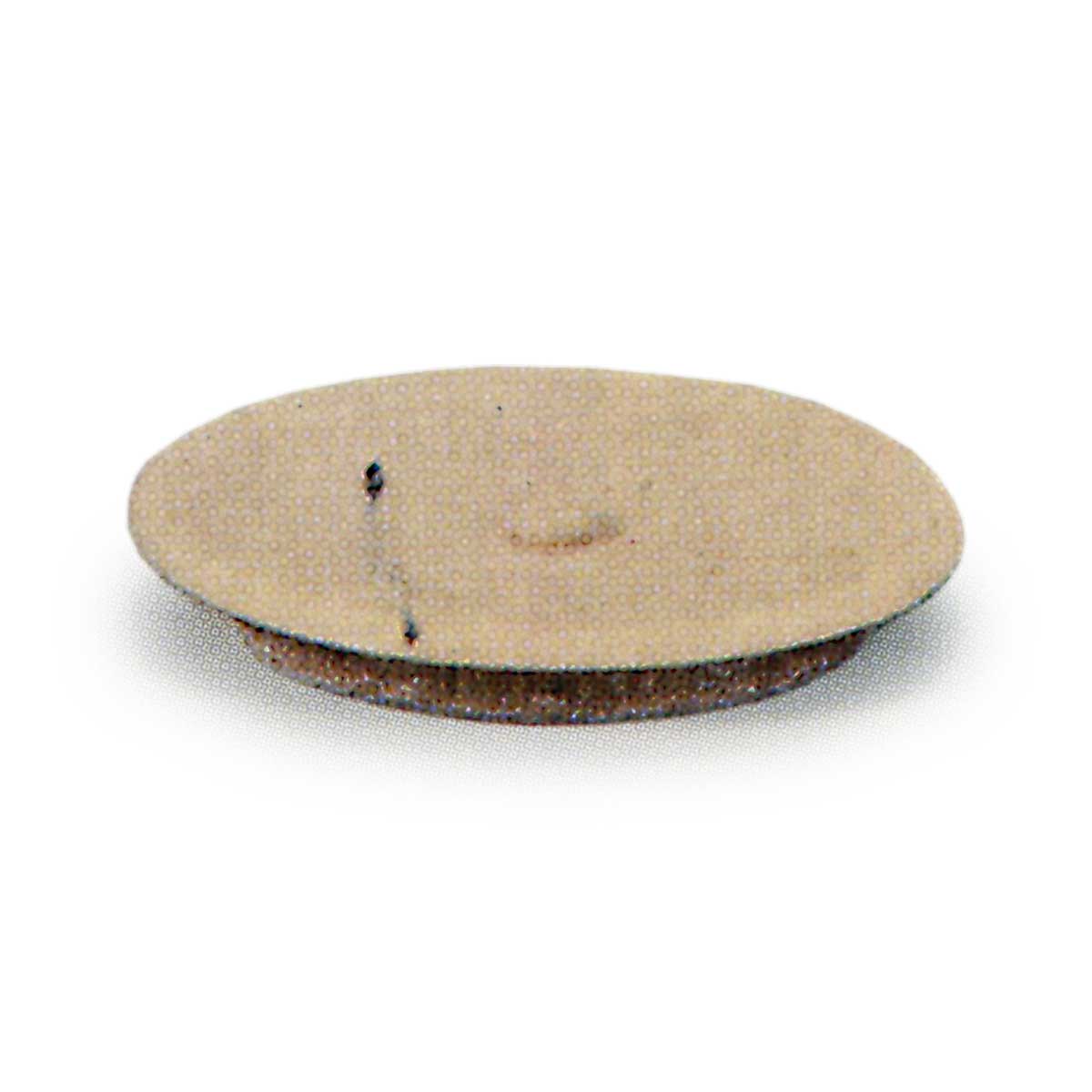
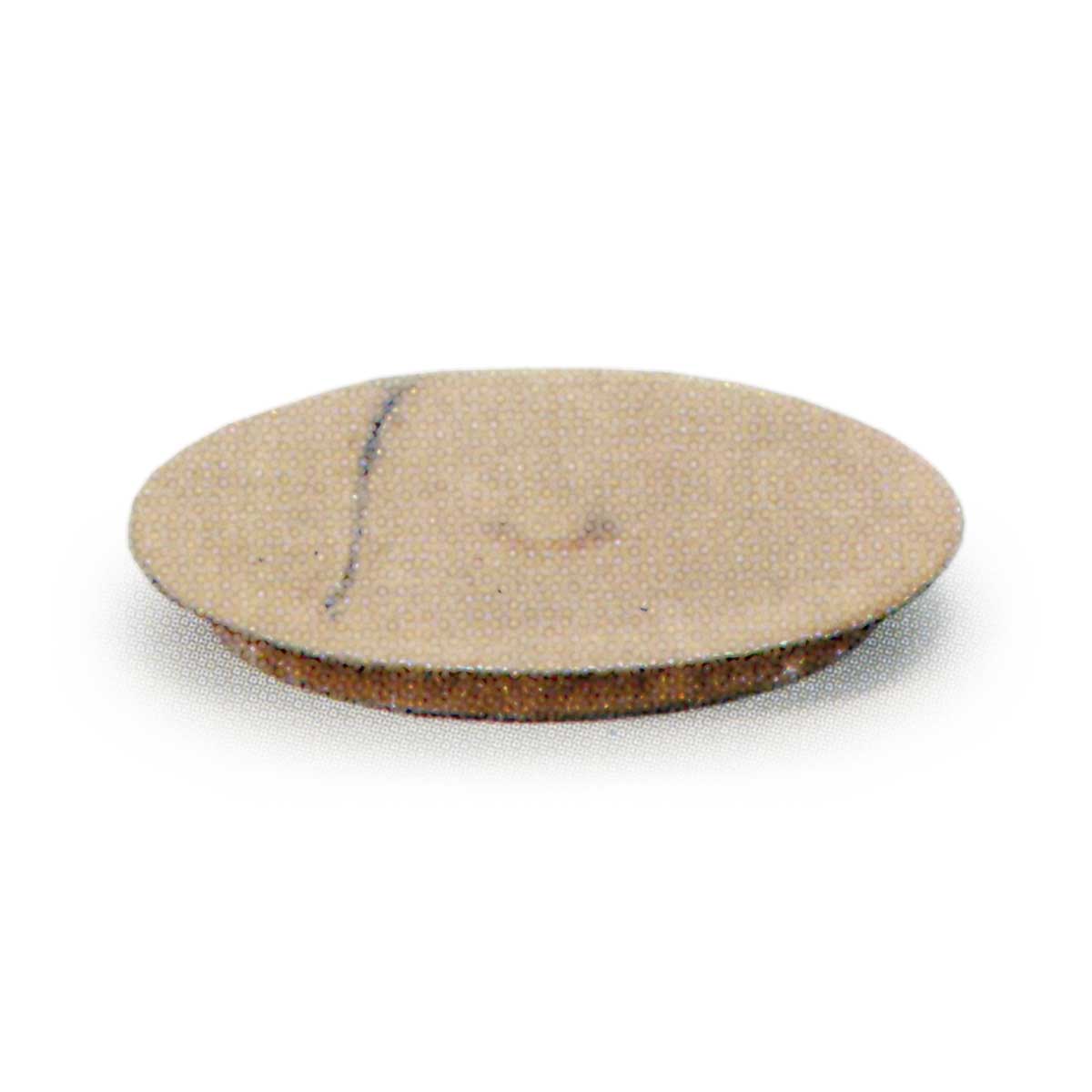
Lids: Four, Each Nest, Inner Three, Enshu Style
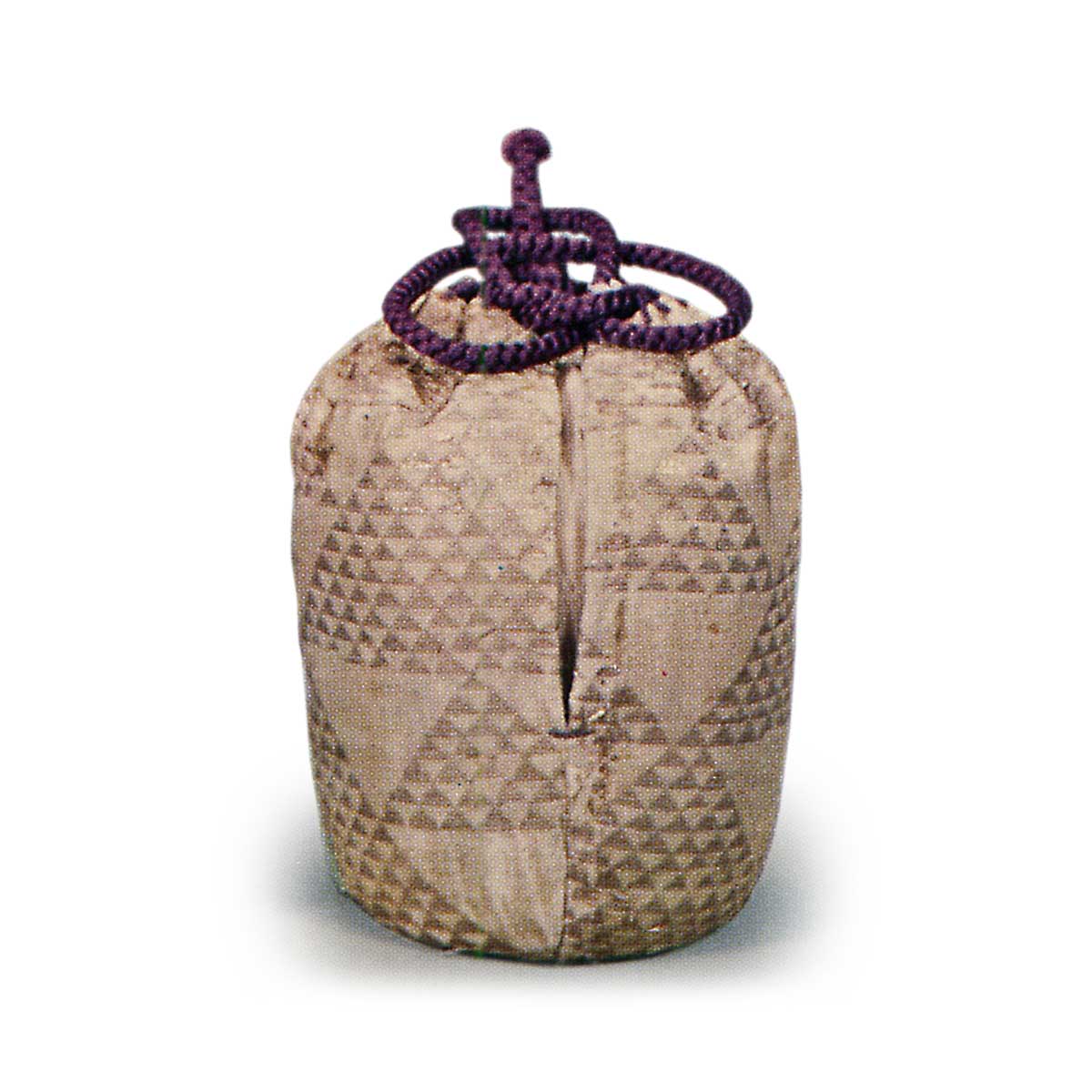
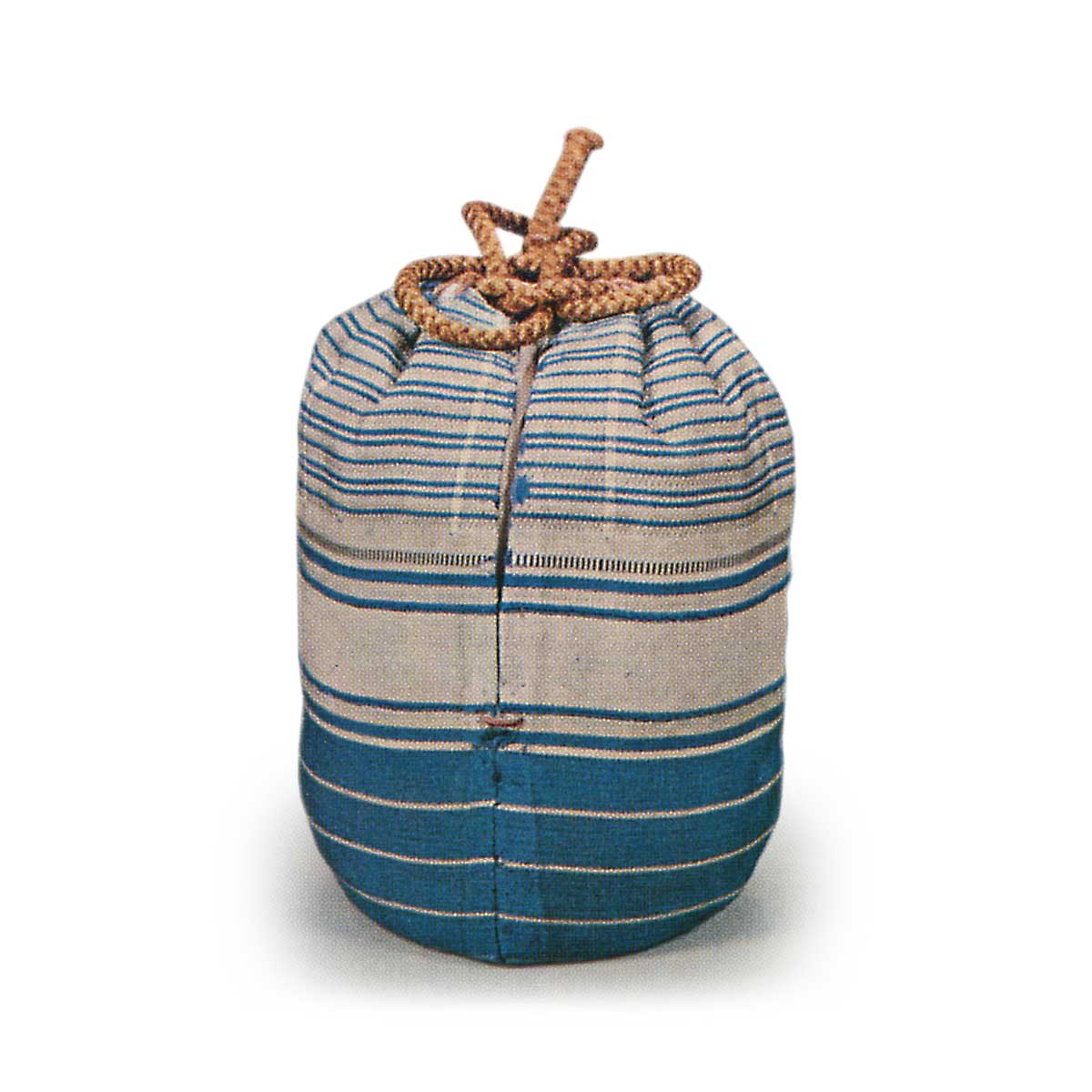
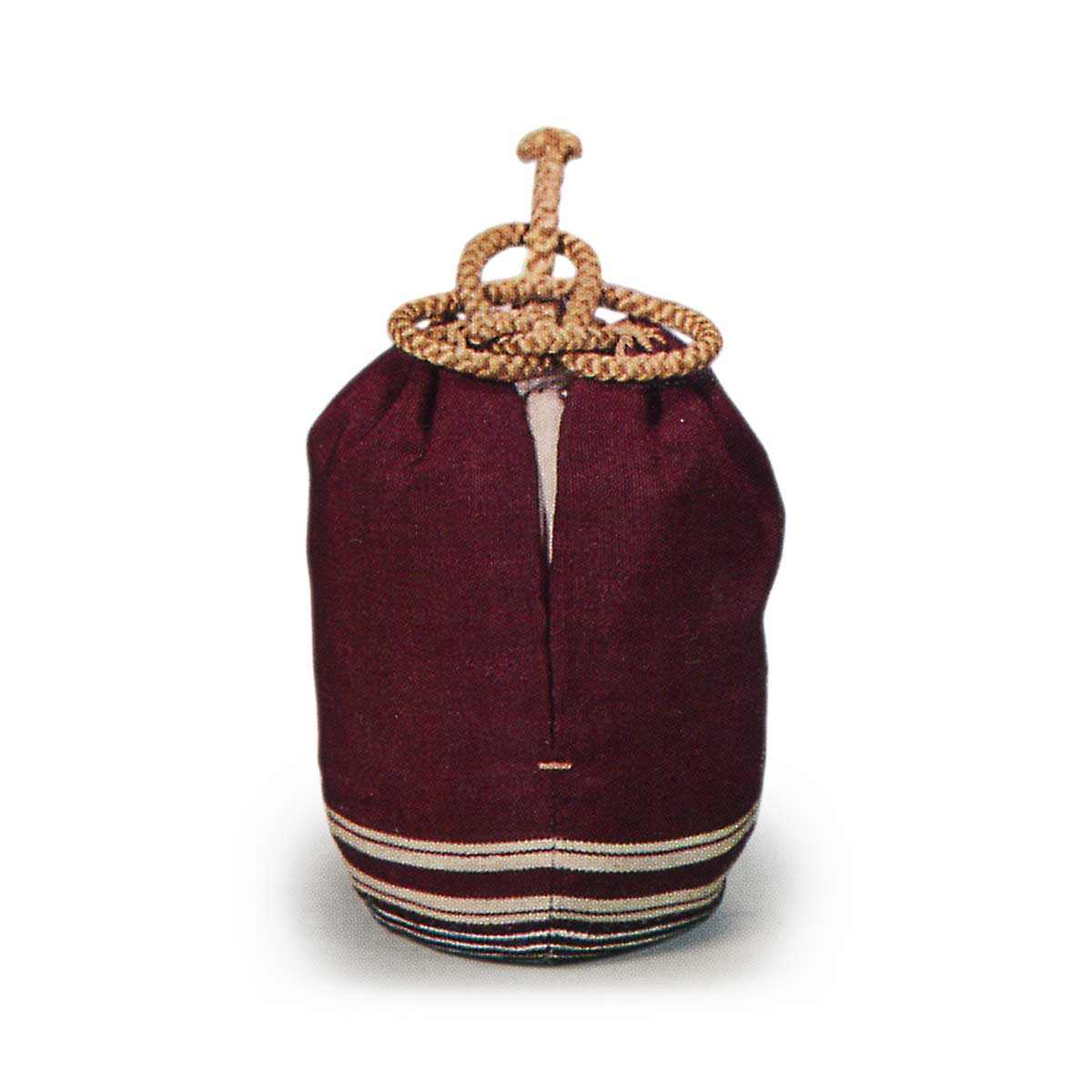
Cover: Three
Hikiya: One, Kamakura Carving, Body: Ironwood
Hikiya Cover: One, Arisugawa
Inner Box: Paulownia Wood, Lacquered with Scraped Finish; Lid Center: Brass Round; Inscription: Vermilion Lacquer; Written by Abe Bungo-no-kami Masatake
Outer Box: Paulownia Wood, Unlacquered
Transfer Document: From Tool Shop Katsube to Otani Taihei
Provenance
Abe Bungo-no-kami Tadakage → Kobori Jin’emon → Sakai Hyuga-no-kami → Kutsuki Sanuki-no-kami → Otani Family → Matsuura Shinsetsu → Magoshi Family
Recorded in
Kokin Meibutsu Ruishū no Bu (Supplement to the Collection of Ancient and Modern Treasures), Meibutsu-ki (Record of Treasures), Chaki Mokuri Shū (Collection of Tea Utensil Appraisals), Gokui Mokuri-sho (Secret Appraisal Book), Notes by Sakurayama Ichi’yu
Dimensions
Height: 8.4cm, Mouth Diameter: 5.0cm, Body Diameter: 6.8cm, Base Diameter: 4.2cm, Weight: 175g
This inscription exists due to its possession by Abe Bungo-no-kami. Among several wide-mouthed tea caddies, this piece’s characteristics include its robust construction, thick yellow glaze flowing luxuriantly around the shoulders, a thin layer of Seto glaze beneath which appears denser around the base, and exposed clay forming a gabled shape.
The placement form likely reflects the strong flow of the yellow glaze.
The overall elegant and refined form can be considered a characteristic of this Hagi kiln.
Three storage covers. All are vividly preserved.
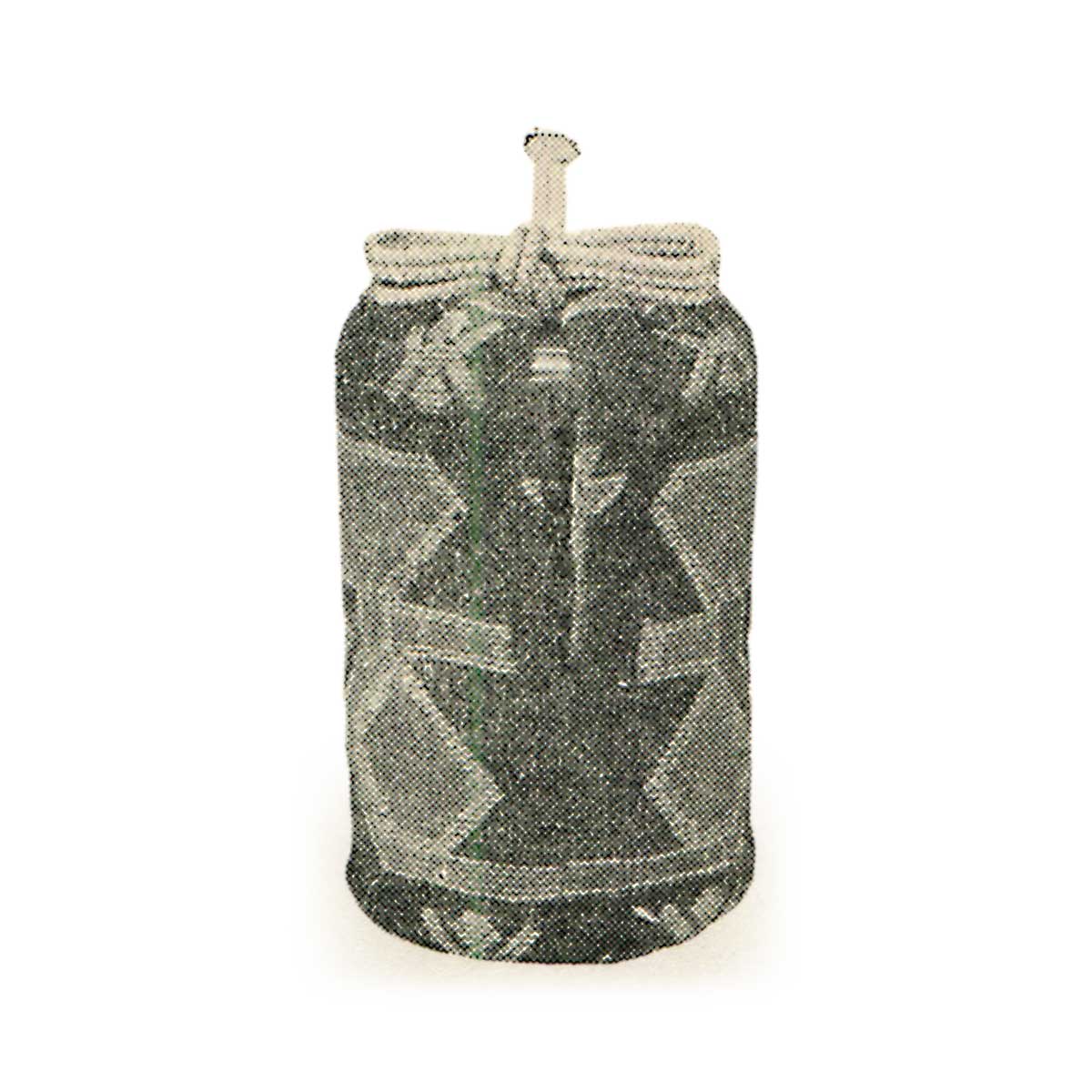
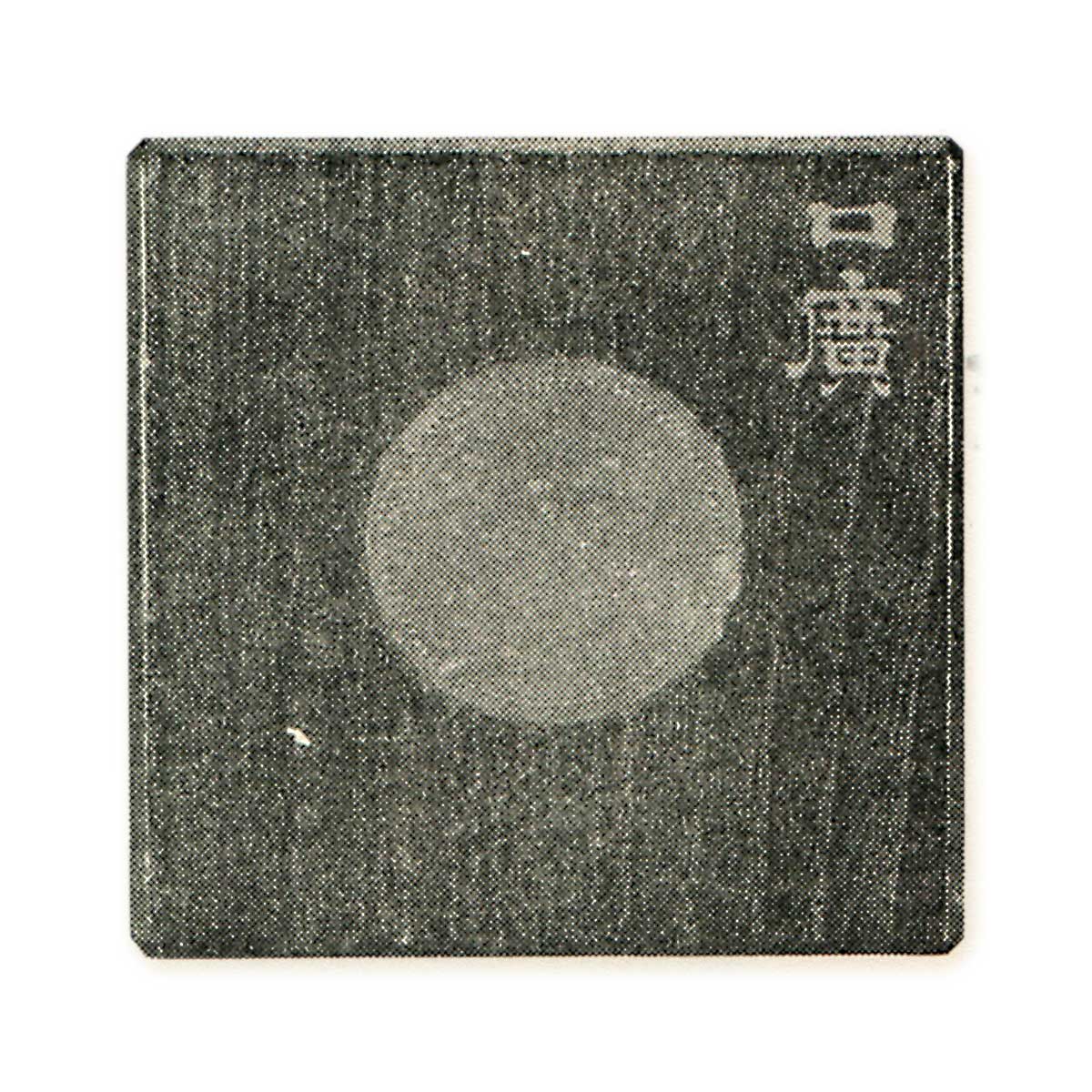
Inscription Vermilion lacquer Written by Abe Bungo-no-kami Masatake