Famous Handmade Item
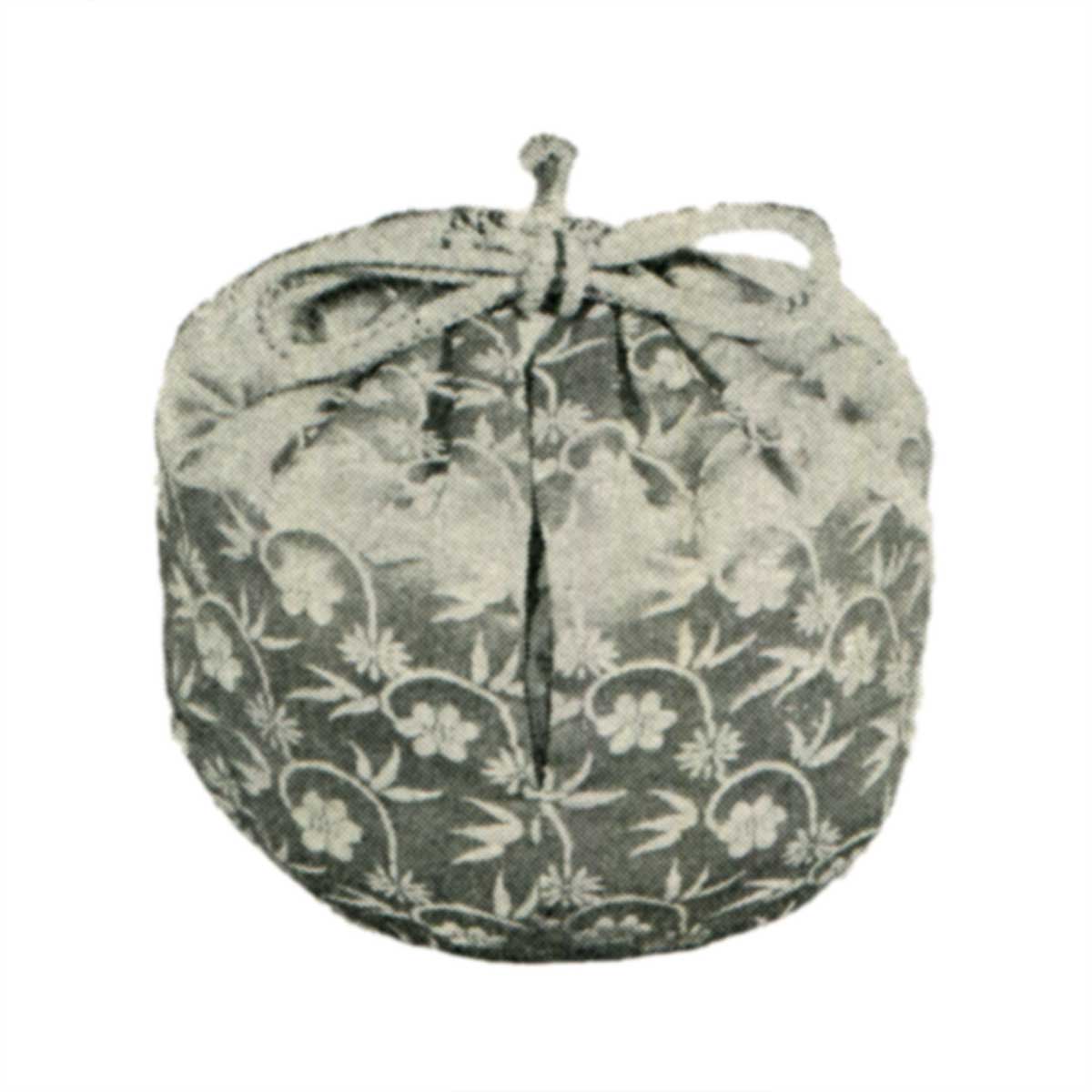
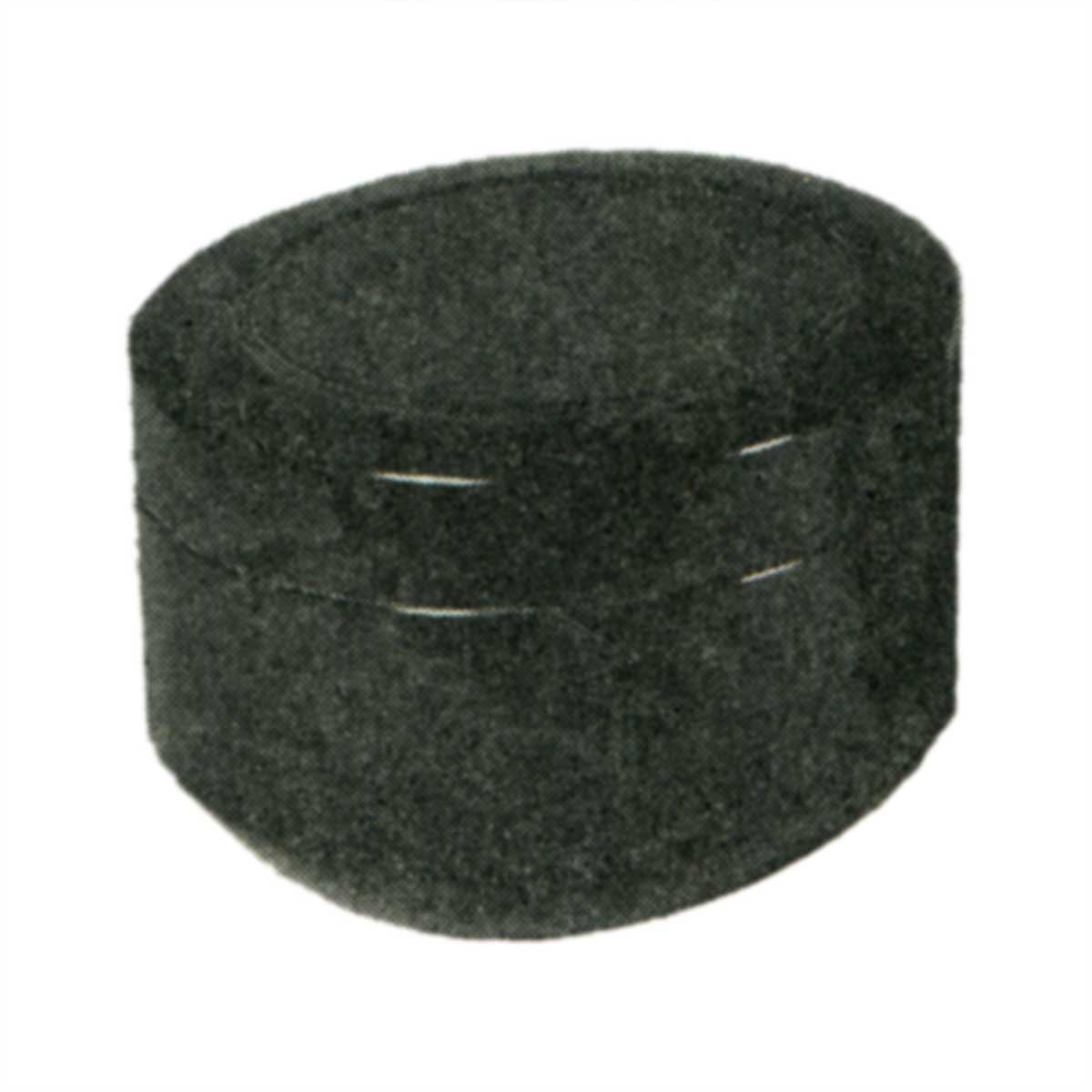
Accessories: Grinding House, Black Great Man’s Lacquer, Clothing, Light Yellow Ground Bamboo-Style Pure Silk
Provenance: Kinji-in Temple – Hira no Tōhō-no-kami – Fukuchi Yamashiro-no-kami Kikuchi Clan – Seikadō
Recorded in: Taisho Meiki Kankō (Catalog of Famous Artifacts from the Taisho Era)
Dimensions
Height: 9.1 cm, Mouth Diameter: 15 cm, Base Diameter: 5.6 cm, Same Height: 1.3 cm, Weight: 436 g
Owner: Tokyo Seikado
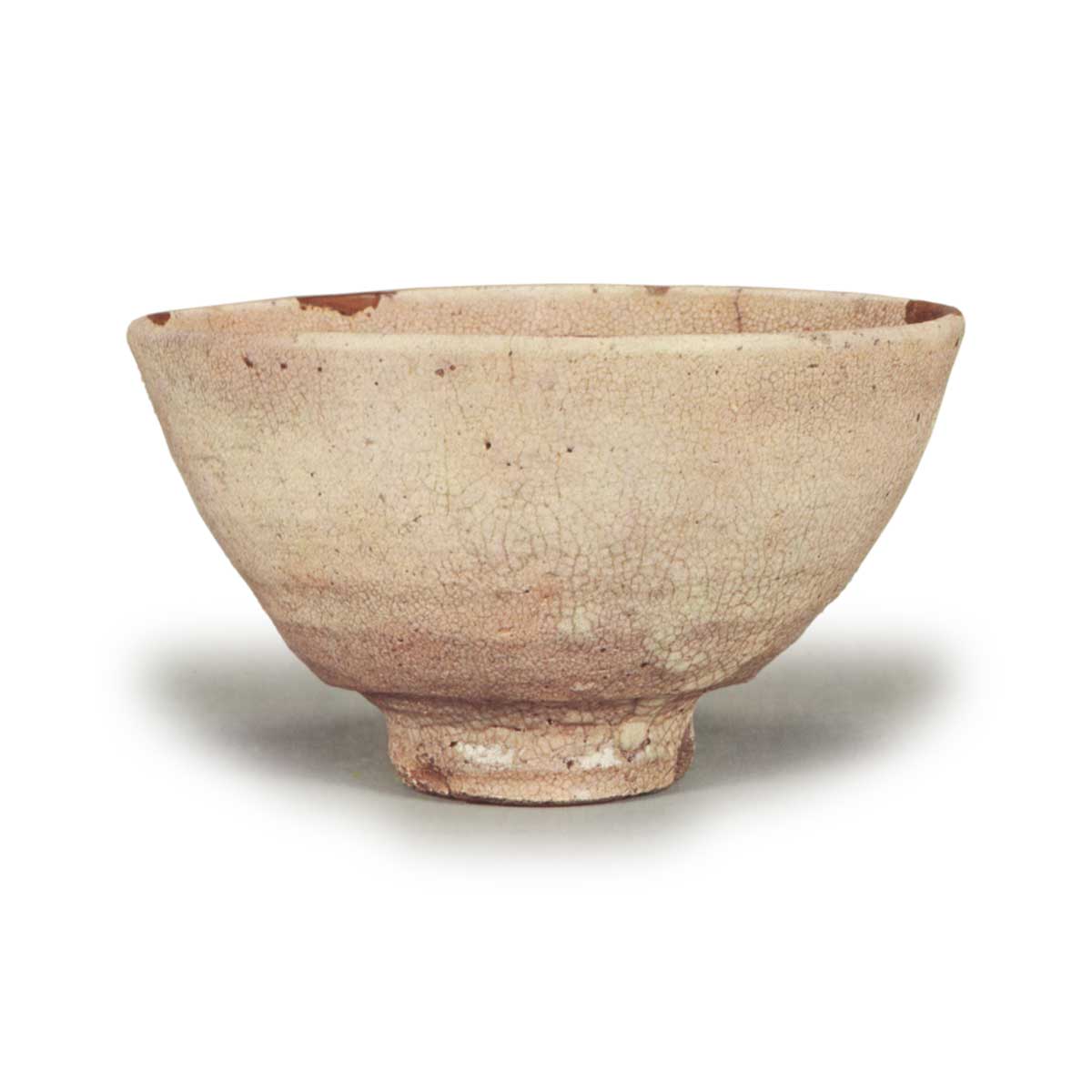
This name comes from the fact that it was once owned by Sōden of Kinchin-in, a sub-temple of Nanzen-ji Temple in Kyoto. It was later passed down from Hirano Tōhōshu to the Kikuchi clan, lords of Fukuchiyama Castle, and eventually came into the possession of the Iwasaki family of Seikado.
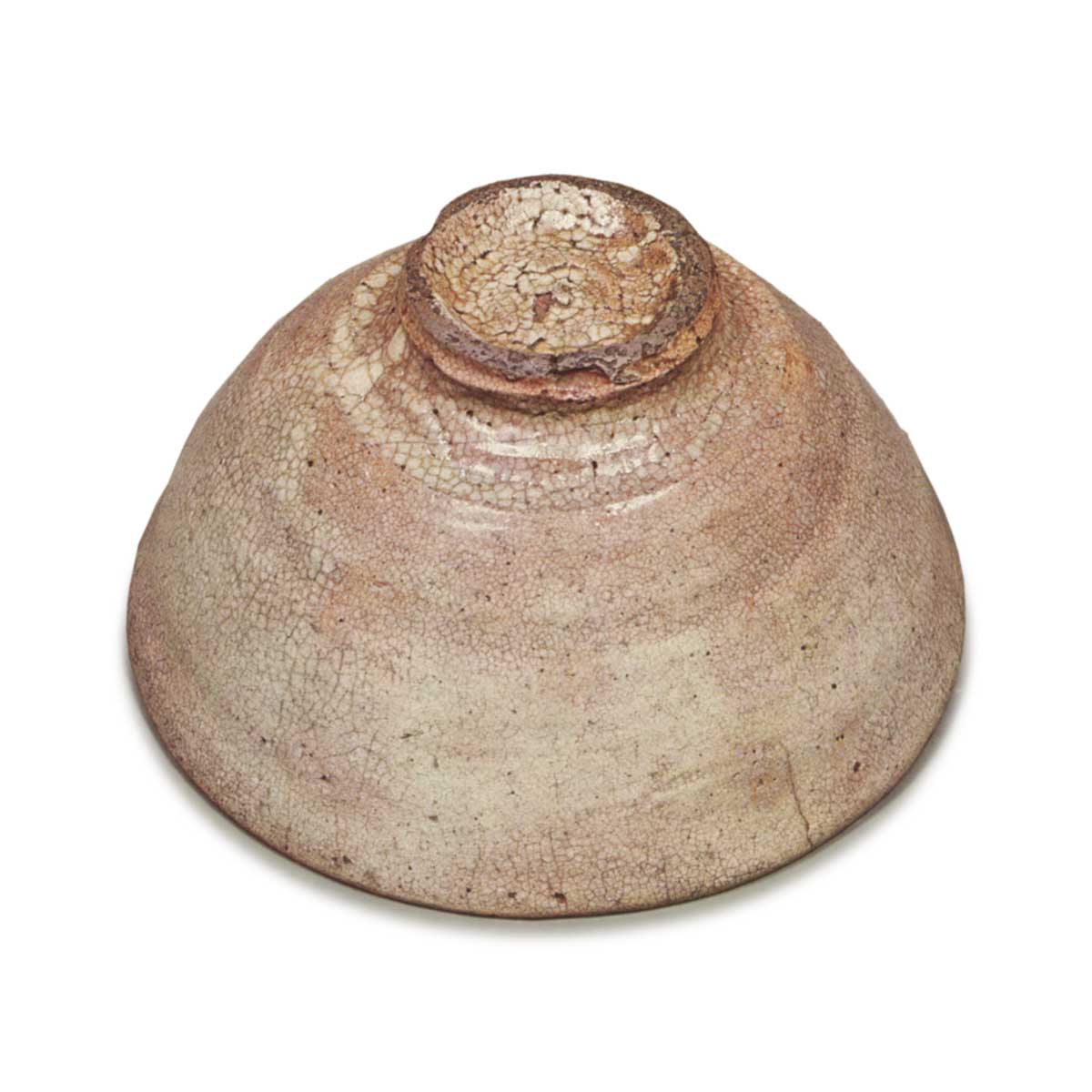
This bowl features a graceful curve that narrows inward, with a sharp cut at the base of the foot, from which a tall bamboo-jointed foot rises prominently. This is a typical example of the famous “hand-dug well” style, with its form and glaze resembling those of the Hosokawa well. Despite the sharp carving along the base, the glaze is not overly rough, giving it a moist, elegant appearance reminiscent of the medicine jar of the Shino ware. The glaze has a slightly bluish persimmon color, with fine cracks evenly distributed across the surface, creating a smooth, subdued texture.
Despite being one of the most highly prized tea bowls since ancient times, well tea bowls are relatively prone to damage, and this bowl also has three repaired areas on the rim. This is likely due to the poor adhesion between the clay and glaze, making it susceptible to chipping even from minor impacts.
Glaze: Light yellow ground with bamboo-patterned pure white
Potter: Black-glazed
Box inscription: Gold powder characters