Revival Masterpiece
Accessories
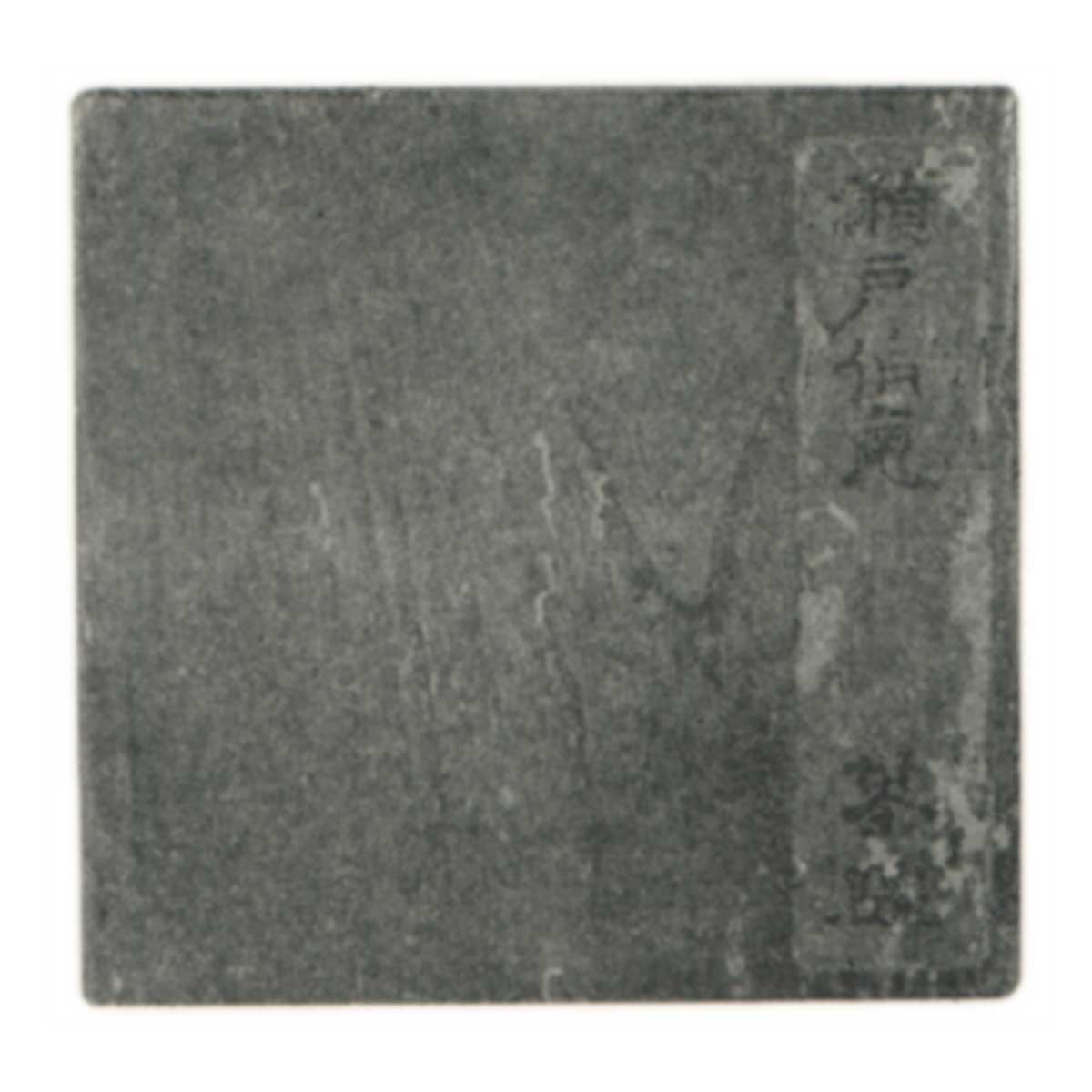
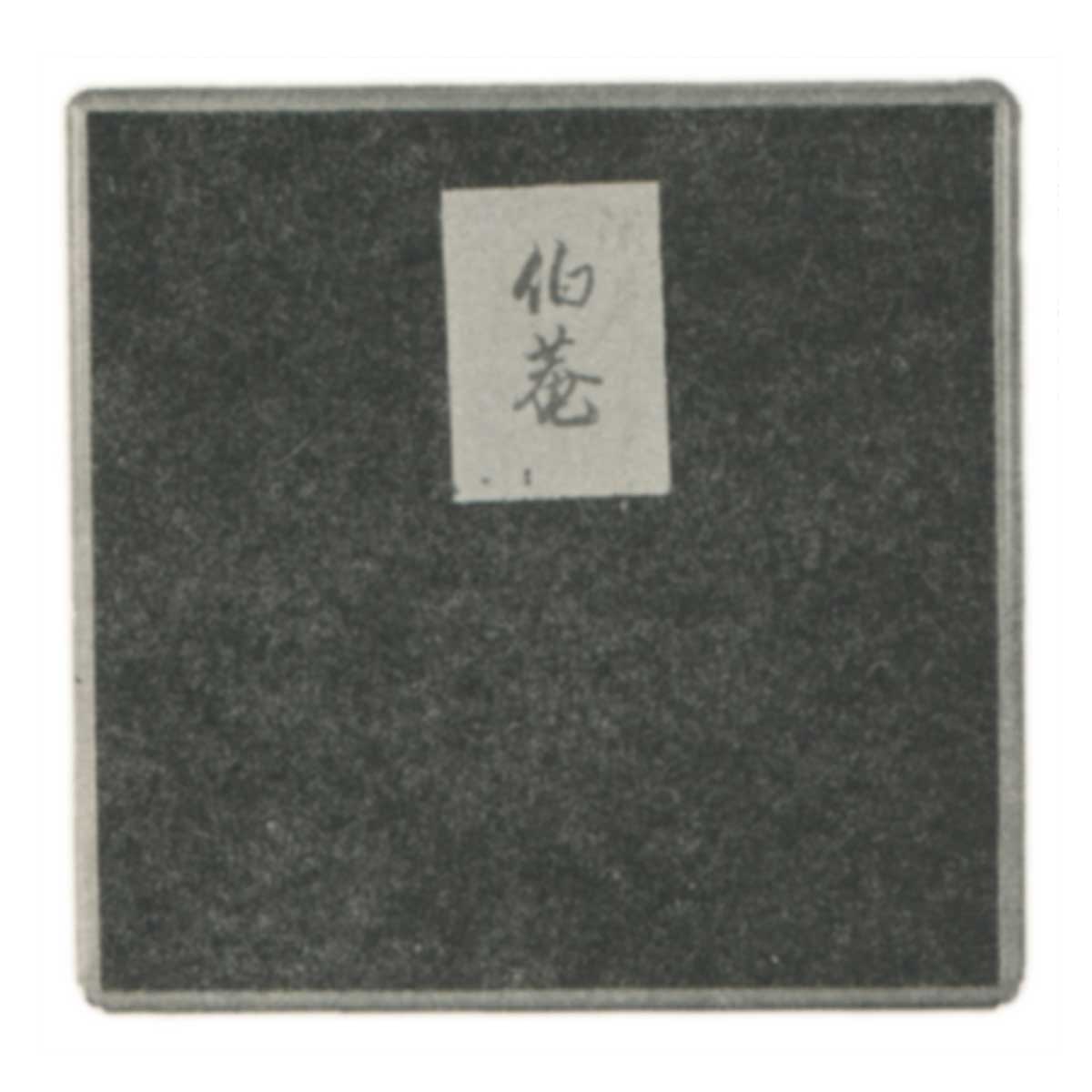
Inner box: Paulownia wood with white lacquer, label, inscription by Kobori Enshu; Outer box: Black lacquer with beveled edges, red lacquer, label, inscription
Provenance
Soga Hakuan – Yodo-no-kami Inaba Tango-no-kami – Edo Kashima Seizaemon – Inoue Seigai – Sekido family
Catalog
Collection of Famous Tea Utensils from Ancient and Modern Times, written by Fushimiya, Collection of Famous Tea Bowls, Toda Family’s Handwritten Notes, Cloud State Matsudaira Family’s Original Tea Utensil Handbook, Tea Jar and Tea Bowl Appraisal Book, Secret Appraisal Book, Tanka, Tea Utensil Appraisal Collection, Appraisal Notes, Famous Utensil Appraisal Records, written by Kusama Wagaku, Illustrated Collection of Famous Tea Utensils, Kansei Revised Genealogy of Various Families, Enshu’s List of Famous Treasures, Tea UtensilsDimension Book, Sakurayama Ichiyu Notes, Collection of Ancient and Modern Tea Ceremonies, Tokyo Tea Ceremony Records, First Collection, Volume 1, and Third Collection, Volume 2
Dimensions
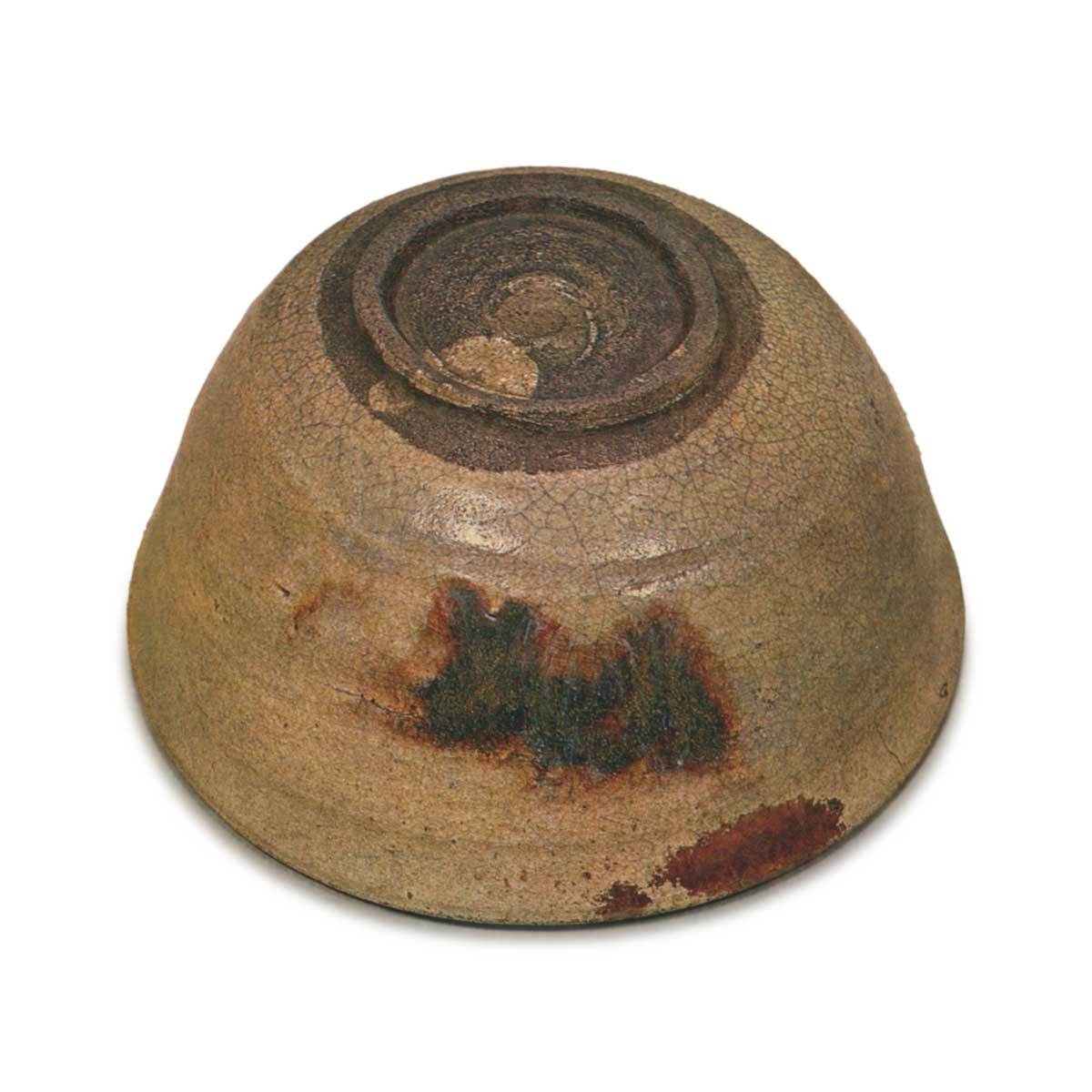
Height: 7.1–7.9 cm Diameter: 14.4–15.0 cm Foot diameter: 6.0 cm Foot height: 0.8 cm Weight: 350 g
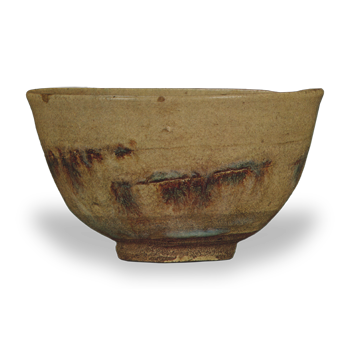
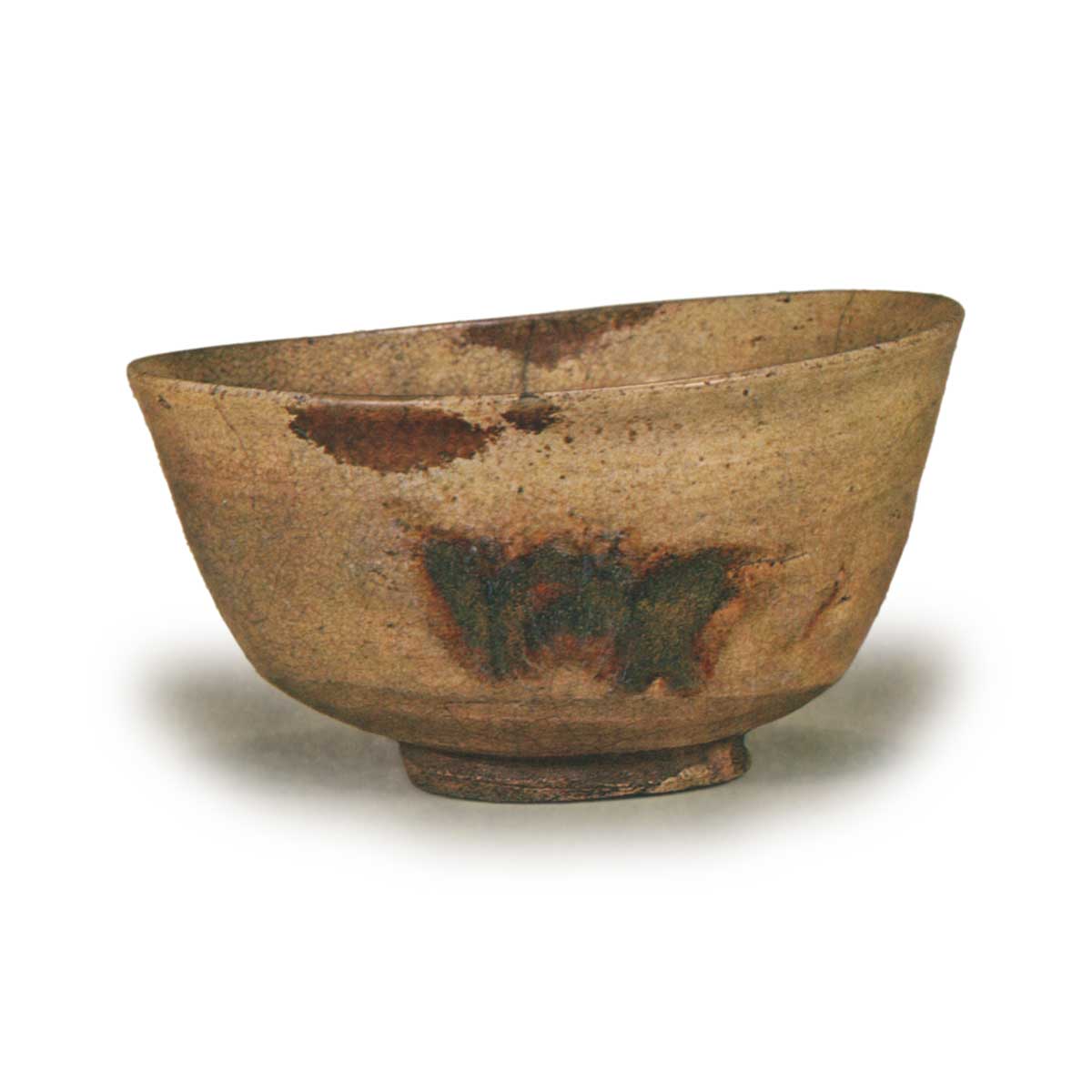
This tea bowl was not originally made as a tea bowl. It was apparently a miscellaneous utensil originally fired in the Hyesan area of North Korea, which was then imitated in Japan to make tea bowls.
It was regarded as a tea bowl with the intention of serving thick tea, not thin tea. As for when thick tea first began, it is a very simple question, but the author has not yet obtained a definitive answer.
In terms of tea bowl lineage, it belongs to the yellow Seto category. The name “Hakuan” originates from a tea bowl owned by Soga Hakuan, a court physician, and all similar tea bowls are referred to as Hakuan. The Hakuan type, with its spaciousness reminiscent of well-shaped tea bowls, was widely appreciated.