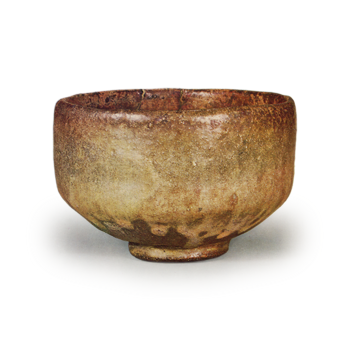
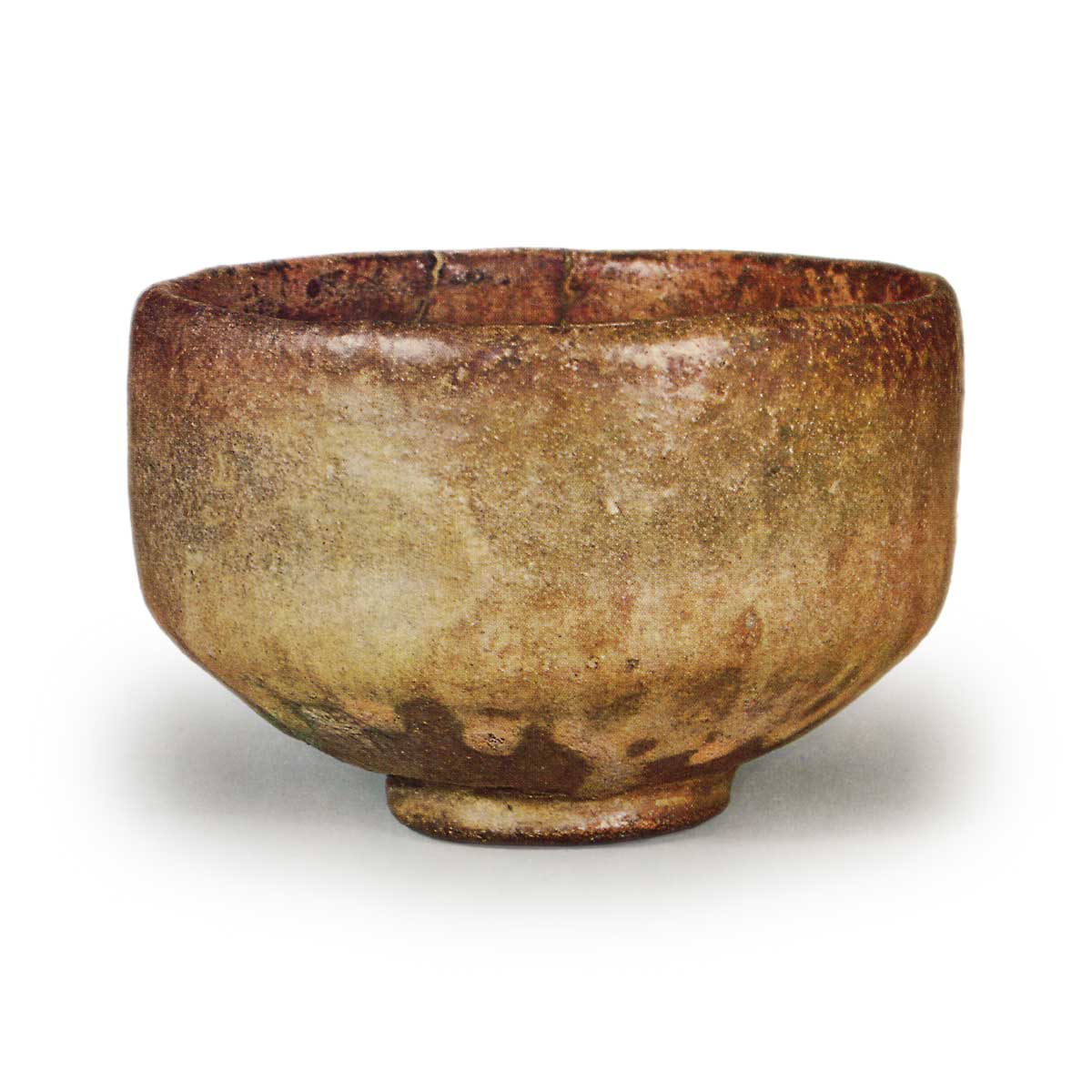
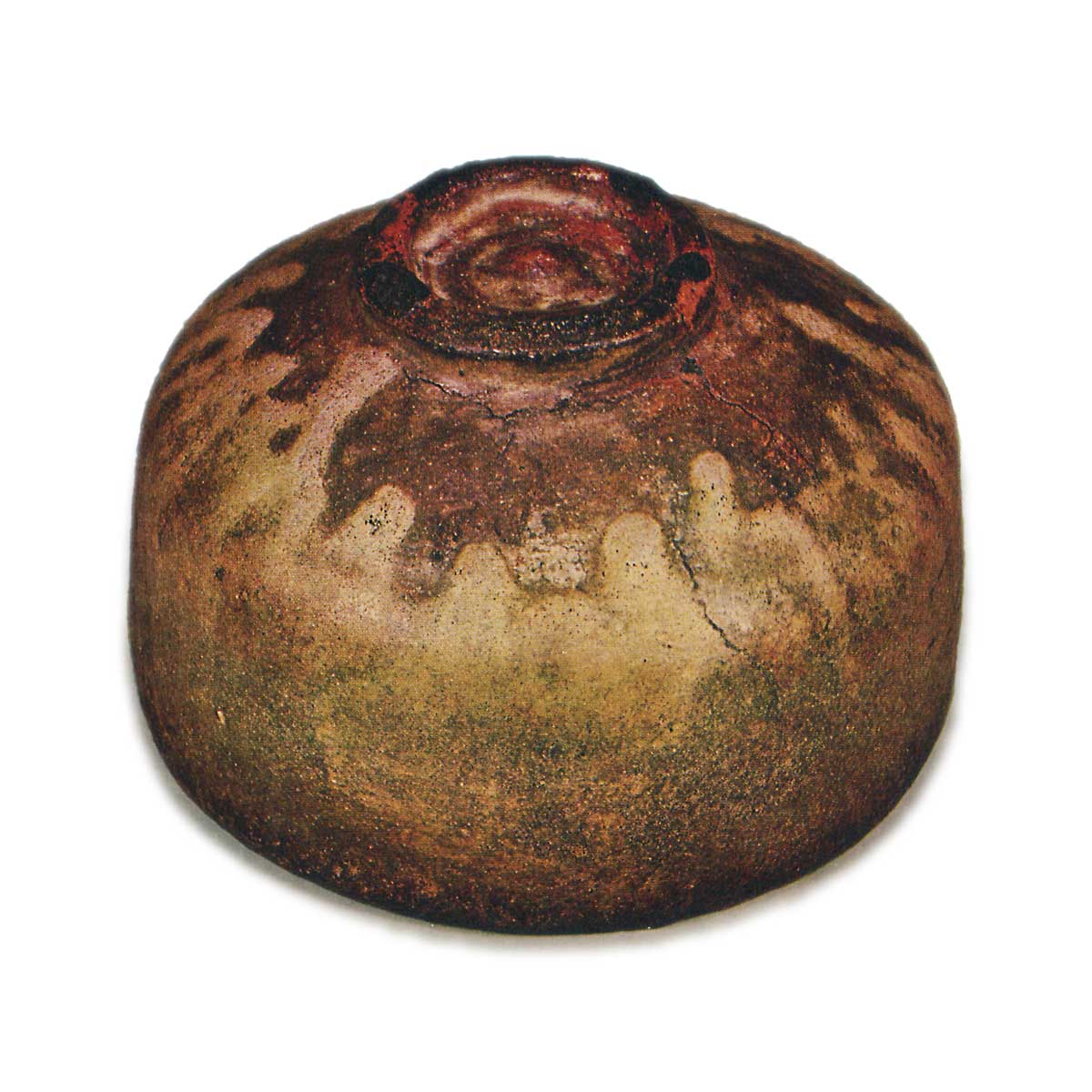


Akagama, famous item
Accessories
Inner box: Paulownia wood, white wood, inscription, ancient calligraphy by Ryōsaku
Outer box: Paulownia wood, beveled edges, inscription, calligraphy by Sensō Sōshitsu
Same lid, reverse side: inscription, calligraphy by Zuiyū Sōsaku and Shinpaku Sōmori
Overall box: Black lacquered, with lock and gold powder lettering
Accompanying documents: Four pieces
Transmission
Sen no Rikyu → Sen Sōtan → Shinpaku Sōmori → Sawa Gohei → Kuwana Yamada Hikozaemon → Toda Ryūin → Inoue Seigai → Masuda Don’ō
Recorded
Collected Works of Famous Objects Throughout the Ages, Casual Notes from a Leisurely Residence, Collection of Famous Tea Bowls, by Tomonaga Gen, Tea Utensils: Names and Forms, Notes on the Yabuuchi School, Record of Famous Objects from the Sen Family’s Revival, Record of Famous Utensils, Examination of Japanese Pottery, Secret Records of Tea Ceremonies, Katsu Kaishu’s Record of Famous Objects, Collection of Famous Tea Bowls from the Raku Kiln, by Kusama Wagaku, Illustrated Collection of Famous Tea Utensils, and The Great Master of Tea: A Guide to Famous Utensils
Dimensions
Height: 8.0 cm, Mouth diameter: 11.4 cm, Foot diameter: 4.7 cm, Same height: 0.5 cm, Weight: 300 g
The single character inscription is said to derive from Rikyu’s addition of the character “ichi” to the tea bowl’s interior, which is said to have been written by the Empress Dowager Tokugawa. It is one of the seven types of tea bowls inscribed by Sōtan.
It resembles the style of Tōyōbō, with a waist-high form that reflects Rikyu’s preferences. The mouth is slightly curved inward, the body is thick and rounded, and the foot is deeply cut with a swastika pattern inside. The lid and tea-holding basin have holes. The glaze is overall a dull reddish-brown, but the rim is white, and the glaze accumulation is particularly prominent, creating a scenic effect around the foot.