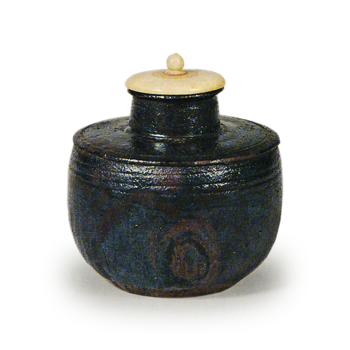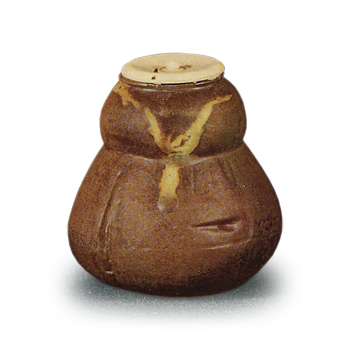

Gokama Kiln, Shinbei, Revival Meibutsu
Accessories
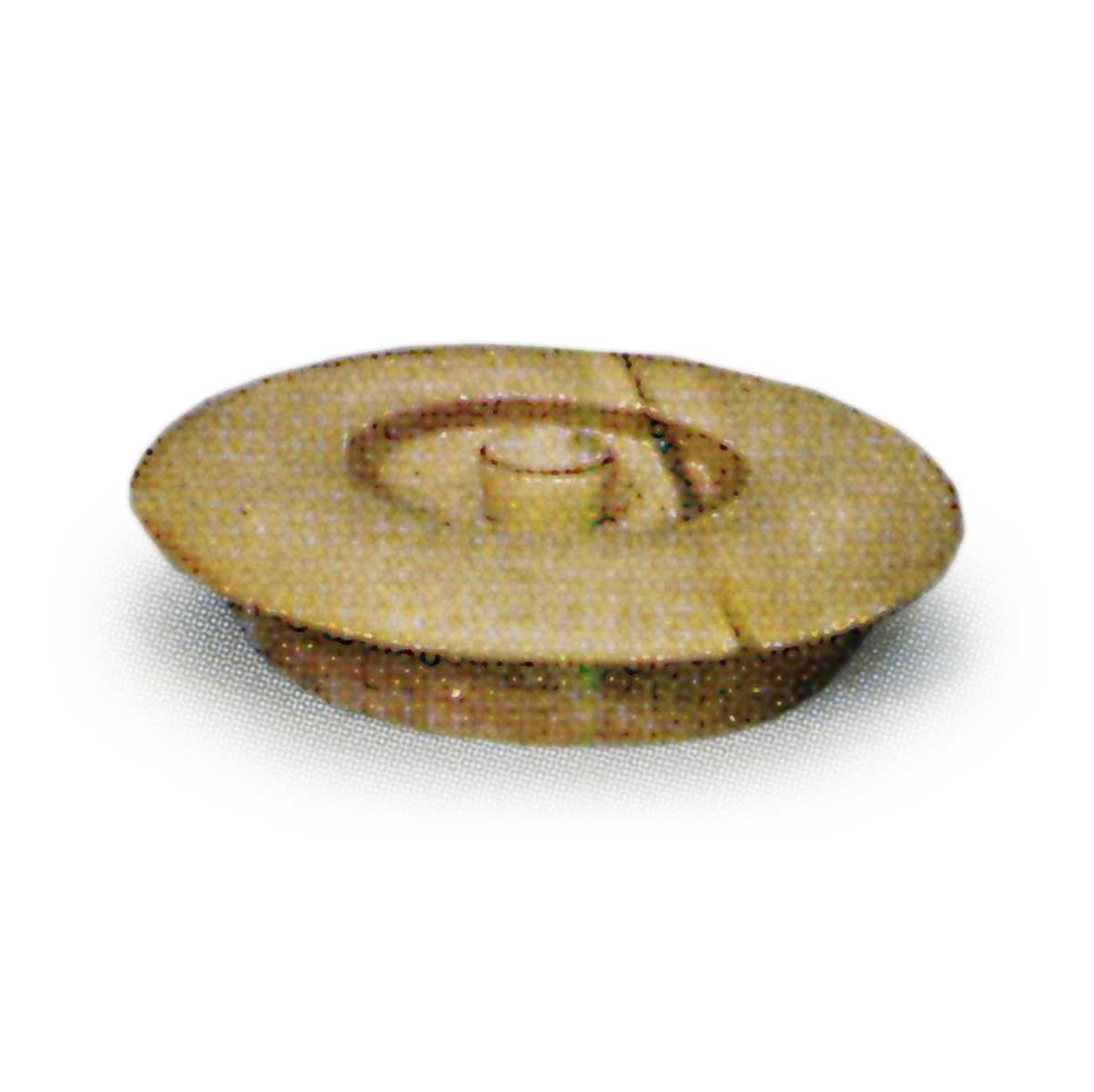
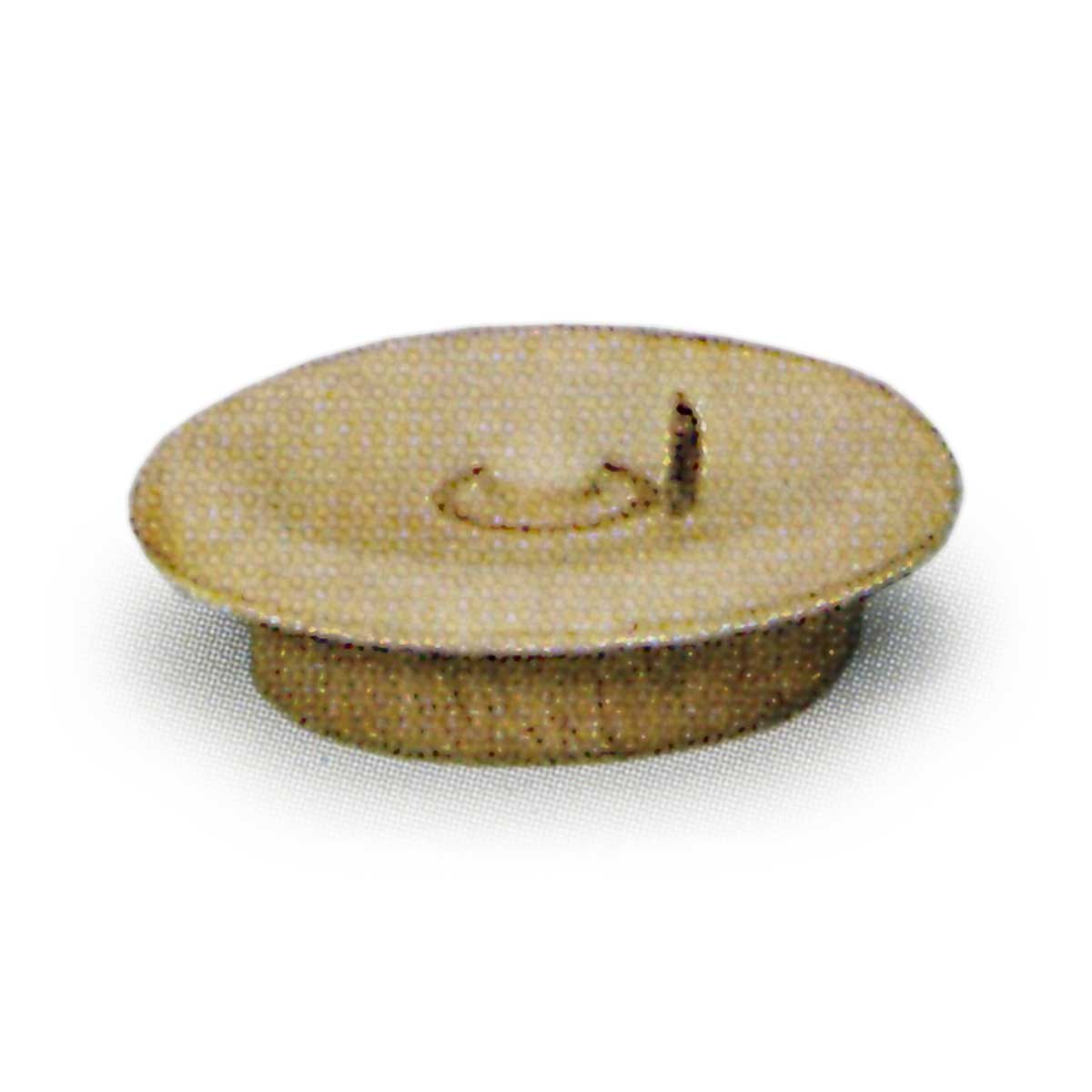
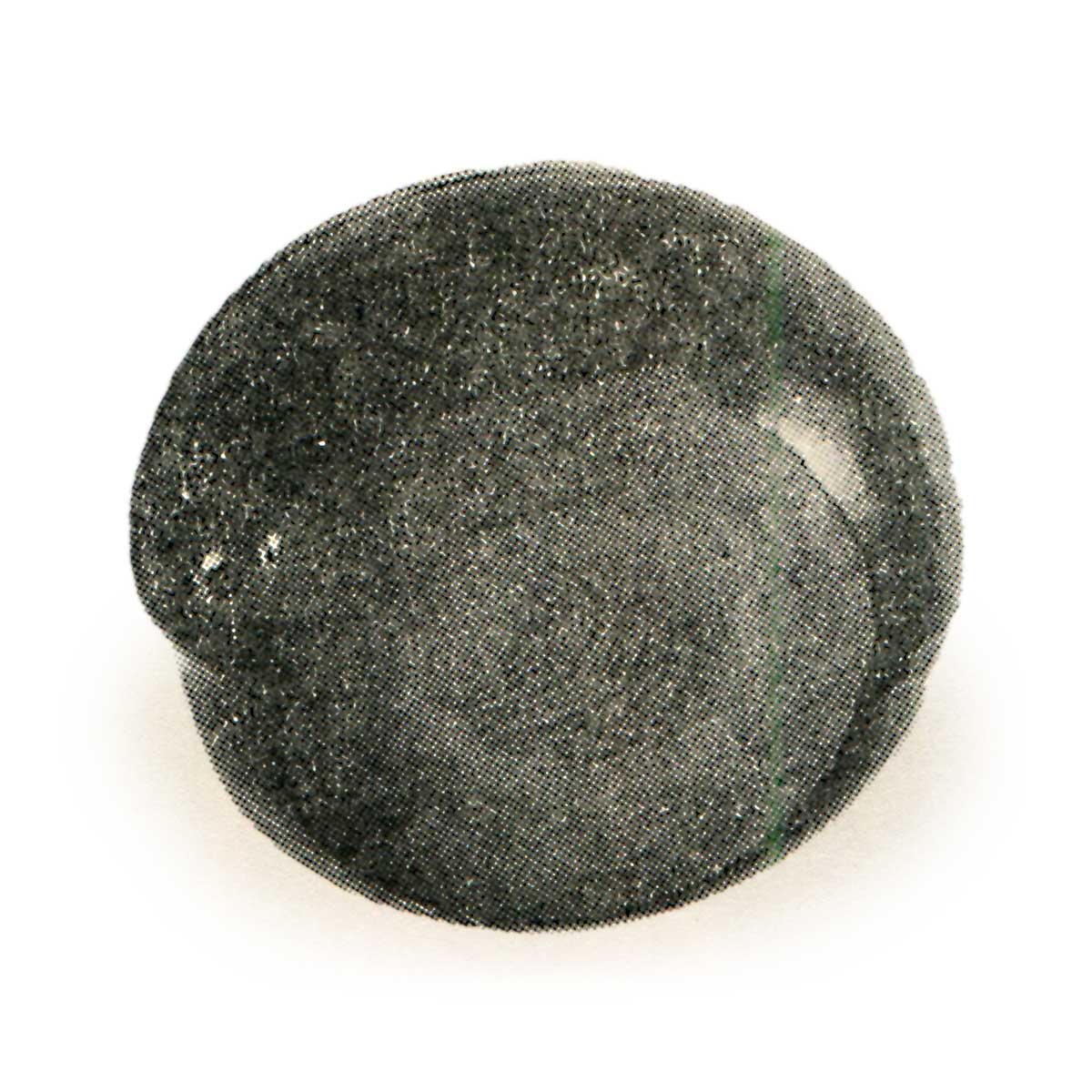
Lids: Three inner, two outer
Cover: Two
Hikiya: Tetsutōki, with gold powder characters Inscription: By Kobori Jūzaemon
Inner box: Paulownia wood, white Inscription: By Kobori Jūzaemon, same as inscription on inside lid
Provenance
Kobori Enshū → Tsuchiya Sagami-no-kami → Tanuma Yamashiro-no-kami → Toyoda family → Kawamura family → Akaboshi family → Dan family
Recorded In
Kokin Meibutsu Ruishu (Collection of Famous Objects Through the Ages), Meibutsu Ki (Record of Famous Objects), by Kusama Waraku; Chaki Meibutsu Zuui (Illustrated Collection of Famous Tea Utensils), Shokke Meiki Shū (Collection of Famous Utensils from Various Families), by Yoshimasu Kōen; Chairi Zukai (Illustrated Explanation of Tea Containers); Kamio Family Utensil Detailed Record
Dimensions
Height: 7.1 cm; Mouth Diameter: 3.2 cm; Body Diameter: 6.7 cm; Base Diameter: 3.0 cm; Weight: 108 g
The artist, Niidaibei, was the second generation owner of the Kyoto Chinese goods shop Arisai. He became a ceramics artist, leaving his mark throughout Japan. He was particularly close to Enshu, and many of the tea caddies he produced were selected by Enshu and entered into the ranks of Meibutsu.
While several gourd-shaped tea caddies are counted among the revived Meibutsu, this Japanese bush warbler tea caddy is interesting both in form and glaze. The carving of the character “Shin” (新) among the seven on the caddy’s base likely indicates that seven gourd-shaped pieces were made simultaneously.A similarly shaped tea caddy inscribed with “Kuya” bears the engraving “Please hurry with the firing request” on its base. This is written in Enshu’s handwriting, suggesting it is a contemporary piece. The box inscription is also in Enshu’s handwriting, making it a tea caddy favored by tea masters.
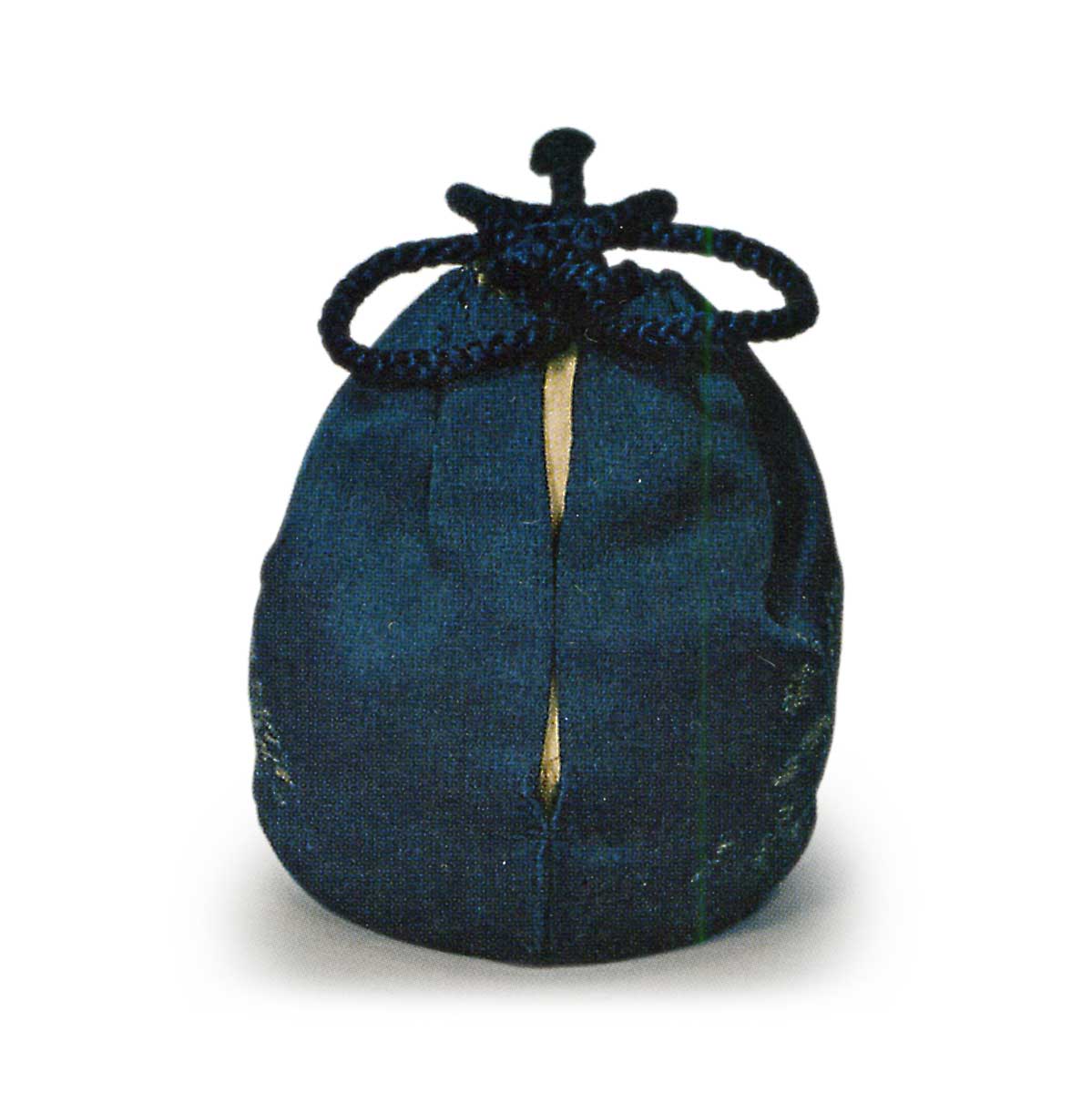
Two dust covers. The combination of mochi-ko and Kandou fabrics, and the absence of Kinran, is also commendable.



Inscription, Kobori Jūzaemon’s hand
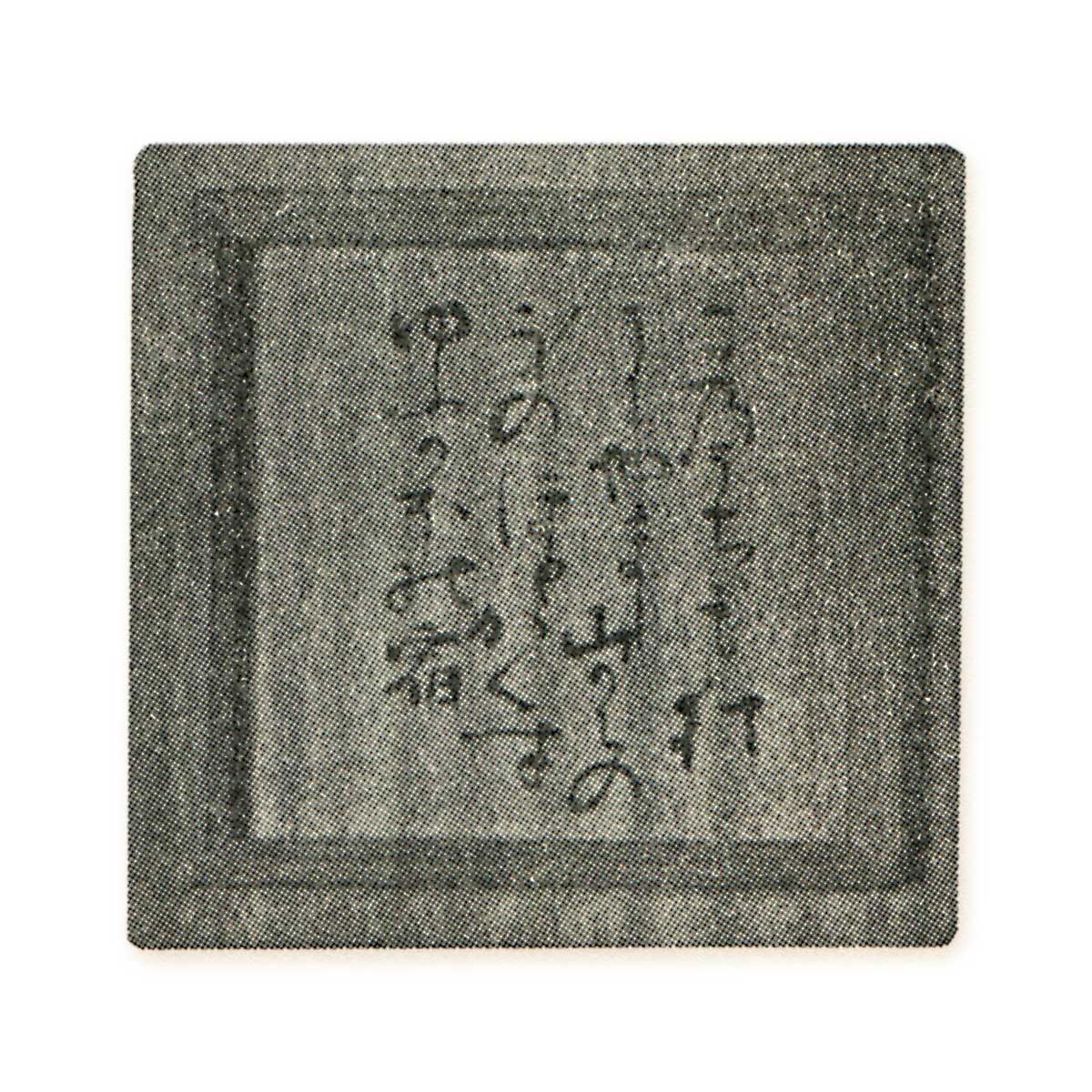
Even among these
Envy from the mountains
Hides my body thus
Evening’s face at the inn