We accept kintsugi repairs. Please feel free to contact us.

Yossan_Potter

Explanation

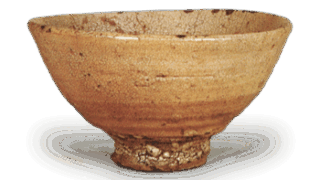
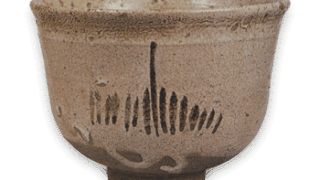
Tea Bowl Explanation Korean 2

Tea Bowl Explanation Korean 2Mishima, Hakeme, Kumagawa, persimmon calyx, calyx, toddy, Wu ware, split height stand, Gosh...

Explanation

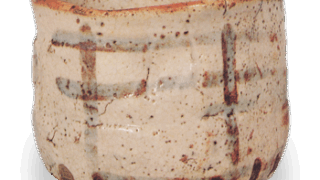
Tea Bowl Explanation Korean 1

Tea Bowl Explanation Korean 1Well, well side, buckwheat, rain leak, kohiki, hard hand, egg hand Tea bowls made in Joseon...
Explanation

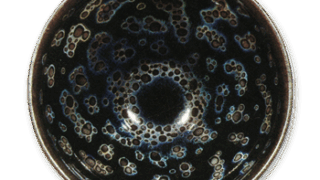
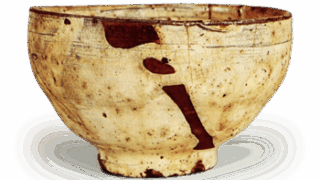
Tea Bowl, Description CHINA I

Tea Bowl, Description CHINATenmoku, celadon, painted Koryo, red glaze, underglaze blue, old underglaze blue, gosuzu, Sho...
Explanation

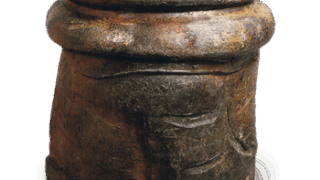
Earthen ware and Sue ware

Sue ware In history, the ancient period was an era in which the establishment of a unified nation was the foundation for...
Explanation

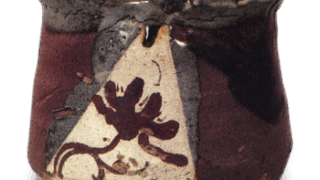
Oribe

Outline of OribeOribe Chawan It is needless to say that the name "Oribe-yaki" comes from Furuta Oribe Shigenori (1544-16...
Explanation

Bizen

Bizwen MizusashiWhat is Bizen? Bizen, along with Tanba, Iga, Shigaraki, and Suzu kilns, is a representative of the Sue k...
Explanation

karatsu

Ekaratsu Tea BowlWhat is Karatsuyaki? As far as we know, there are more than a hundred kilns in Higashimatsuura County, ...
Explanation

Shino

ShinoWhat is Shino ware? The clay, called "Hyakuso-do," is fired to a tight consistency and covered with a thick white g...
Explanation

Ceramic Ware

A vessel made of clay or stone powder, either singly or in mixture, and fired by fire. The surface is often covered with...
Explanation

Mino Ceramic Ware

Ceramics produced in the southeastern part of Mino Province (Gifu Prefecture) (formerly the three counties of Toki, Kani...
Explanation

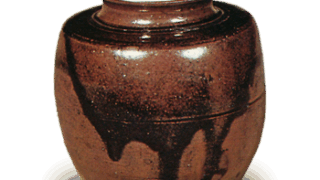
Tea container

hatsuhanakatatsukiA small ceramic jar used to hold powdered tea. Since the tea ceremony became popular, it has been wide...
Explanation

Seto-Yaki (Seto Ceramic Ware)

Seto-yaki is a general term for ceramics produced mainly in Seto City, Aichi Prefecture.Seto has a long history and a th...