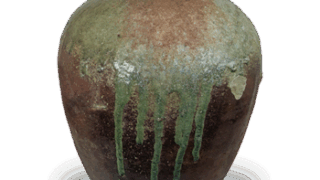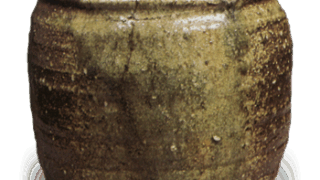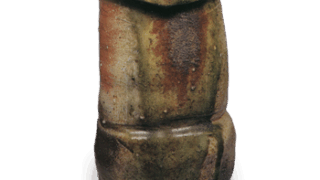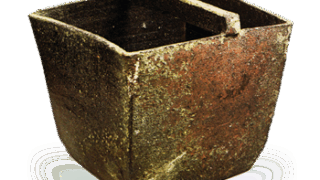
We accept kintsugi repairs. Please feel free to contact us.
PR

Explanation

Explanation

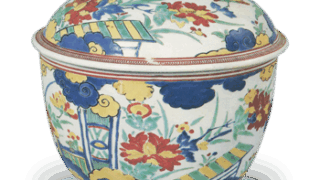
Kakiemon

From the early Edo period to the present day, the porcelain industry, which developed around Arita Town in Saga Prefectu...

Explanation

History of Chanoyu

Prehistory of ChanoyuIn the “Cha-kyo” (The Classic of Tea) written by Rikyu (733-804), who is known as the “Sage of Tea”...
Explanation

Ko-Imari

Looking at the seventeenth century as a period in the history of ceramics in Japan, it can be said to have been a very i...
Explanation

Tamba Ware

Tamba ware is also one of the representative old kilns since the Middle Ages, but an overview of the style from Momoyama...
Explanation

Shigaraki Ware

Shigaraki also has a long history. Like other medieval kilns, from the Kofun to Heian periods, Sue ware and ceramics in ...
Explanation

Iga Ware

Iga pottery produced before the early Momoyama period seems to bear little resemblance to Shigaraki. However, the pure t...
Explanation

Examples of Chemical Analysis of Ceramic Raw Materials

Izumiyama potteryAmakusa stone No Raw material name SiO2 Al2O Fe2O3 CaO MgO K2O Na2O Ig.loss 11 Amakusa Stone (Kumamoto)...
Explanation

Bizen ware

What is Bizen? Bizen, along with Tanba, Iga, Shigaraki, and Suzu, is a representative old kiln that has continued as a S...
Explanation

Karatsu Ware

What is Karatsuyaki? As far as we know, there are more than a hundred kilns in Higashimatsuura County, Imari City, Takeo...
Explanation

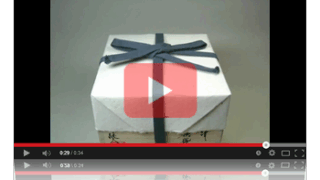
Cord hanging on wooden box

Cord hanging on wooden boxThis is the method of tying the string that hangs from the box that contains the matcha tea bo...
Explanation

Oribe

It is needless to say that the name "Oribe-yaki" comes from Furuta Oribe Shigenori (1544-1615), who was the most famous ...
Explanation

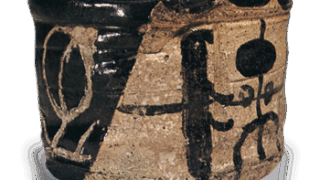
KizetoSetoguro

Setoguro and Kizeto IntroductionKizeto The Mino Ceramic Art Museum of the Momoyama Period (1573-1600) is a place that, e...