We accept kintsugi repairs. Please feel free to contact us.
PR

Explanation

Explanation

Shino ware

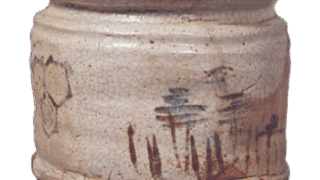
The clay, called "Hyakuso-do," is tightly fired and covered with a thick white glaze with a soft tex...
Explanation

Köetsu

Hon'ami KoetsuHon'ami Koetsu (1558-1637) was born into the Hon'ami family, which, since the Muromach...
Explanation

Chōjirō

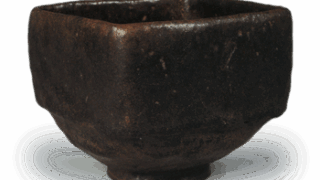
I am not sure how many of the bowls attributed to Chojiro are still in existence, but I have had at ...
Explanation

Medieval Shigaraki Bizen Tanba

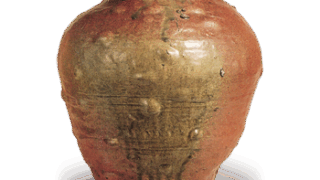
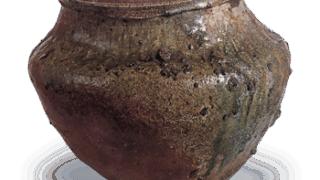
Shigaraki pots with fiery red surface and white feldspar spouting from them. Tanba pots and jars wit...
Explanation

Medieval Echizen Suzu

Echizen and Suzu are two prominent ceramics representing medieval pottery in the Hokuriku region. As...
Explanation

Medieval Tokoname Atsumi Sanage

When we talk about representative ceramics of the medieval period, the first things that come to eve...
Explanation

Medieval Seto Mino

Koseto is a type of pottery that represents the medieval period in Japan. Kosedo ceramics, such as j...
Explanation

Teihei

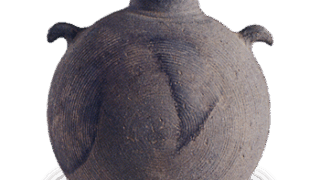
Sue ware: TeiheiA Teihei is also known as a "sagebe. They were used as drinking vessels in ancient s...
Explanation

hasō

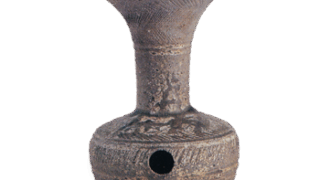
Sue ware: hasō.Hazō is a Sue ware with a hole in the body for holding liquid and pouring it out. It ...
Explanation

Ash Glaze Pottery

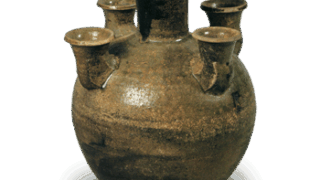
Ash glazed jar with multiple mouths As already mentioned, ash-glazed ceramics are high-fired glazed ...
Explanation

Sansai (Sansai) Ryokuyu ware

Sansai jarSansai glazed ware: covered jar.Except for the Shosoin Sansai, green-glazed ceramics, whic...
Explanation

Shosoin Pottery

Sanzai Kodo The Shosoin Repository contains a total of sixty-eight pieces of pottery, including fift...
Sponsored links