Explanation

Explanation

Explanation of Korean ceramics

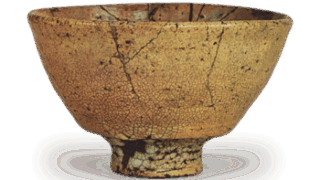
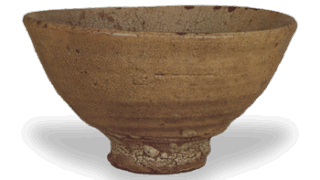
Korean tea bowls such as Ido, Kumagawa, Mishima, Hake-me, Iraho, and Tottoya were once called Goryeo...
China

Explanation of Chinese ceramics

The term “karamono” can be interpreted literally as “things from Tang,” referring to items made in C...
Explanation

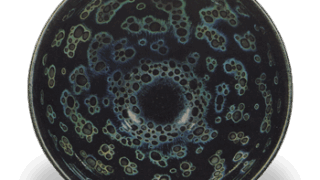
Tenmoku, Setoguro, Kiseido, Shino, Oribe, Hakuun

Today, Shino tea bowls are highly valued, but they are not an old, traditional type of tea bowl. Whe...
Explanation

Chojiro, Doi, Koetsu, Karatsu, Hagi, Takatori, Satsuma, Shigaraki, Asahi, Nisen, Kenzan

ChojiroThe Momoyama period was a time of great change in the history of Japanese pottery. Examples o...
Explanation

Mishima, Hakeme, Kumagawa, Kakinotsuke, Totoya, Kogu, Waridai, Gosho-maru, Iraho, Choshima, Unkaku, Kinkai, Gohon, Kora

The following are included in the collection: Mishima, Hakeme, Kumagawa, Kakitsuke, Totoya, Kori, Wa...
Explanation

Korea Chawan

well, wellside, soba, ame-nori, kohiki, katate, tamago-teThe general term for tea bowls made in Kore...
Explanation

China Chawan

Tenmoku, celadon, painted Koryo ware, red-painted ware, blue and white ware, old blue and white ware...
Explanation

Kyoyaki

In the Edo period, Kyoto became one of Japan's leading pottery production centers, with kilns belchi...
Explanation

Kenzan

The works of Kōhō Sōsa, who is thought to have had a great influence on Kenzan, are not as well know...
Explanation

Ninsei

There are still many things about the history of Japanese ceramics before the middle of the Edo peri...
Explanation

Ko-Kutani

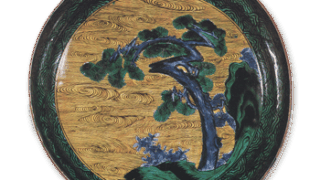
The Ko-Kutani kilns have long been shrouded in mystery, and there has been much debate among experts...
Explanation

Nabeshima

The mainstay of Nabeshima ware is a set of four types of identical-style plates, called kibai-gata, ...