Japan

Explanation

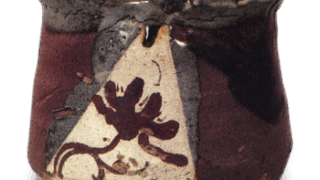
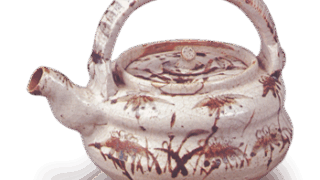
Oribe

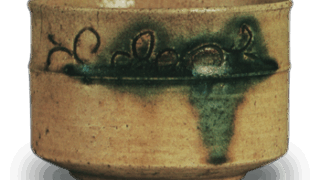
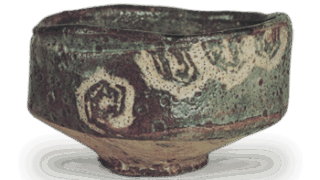
Outline of OribeOribe Chawan It is needless to say that the name "Oribe-yaki" comes from Furuta Orib...
Explanation

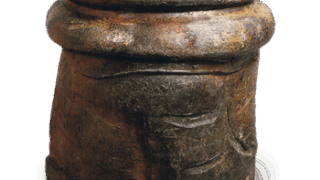
Bizen

Bizwen MizusashiWhat is Bizen? Bizen, along with Tanba, Iga, Shigaraki, and Suzu kilns, is a represe...
Explanation

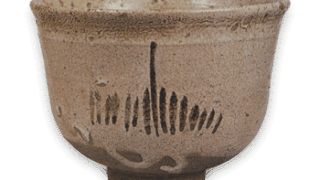
karatsu

Ekaratsu Tea BowlWhat is Karatsuyaki? As far as we know, there are more than a hundred kilns in Higa...
Explanation

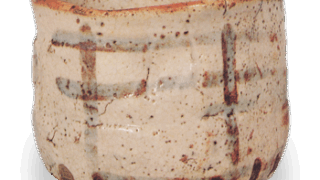
Shino

ShinoWhat is Shino ware? The clay, called "Hyakuso-do," is fired to a tight consistency and covered ...
Explanation

Ceramic Ware

A vessel made of clay or stone powder, either singly or in mixture, and fired by fire. The surface i...
Explanation

Mino Ceramic Ware

Ceramics produced in the southeastern part of Mino Province (Gifu Prefecture) (formerly the three co...
Explanation

Tea container

hatsuhanakatatsukiA small ceramic jar used to hold powdered tea. Since the tea ceremony became popul...
Explanation

Seto-Yaki (Seto Ceramic Ware)

Seto-yaki is a general term for ceramics produced mainly in Seto City, Aichi Prefecture.Seto has a l...
Person

Imai soukyu

Imai soukyuTea master and political merchant in Sakai, Izuminokuni (Osaka Prefecture).Born in 1520.S...
Person

Eisai

EisaiFounder of the Rinzai school of Zen Buddhism in Japan.He introduced tea from China (Song Dynast...
Person

Kobori Enshu

Kobori EnshuTea master, Kobori Enshu, Kobori MasakazuLord of Omi Komuro domain (12,000 koku) and a f...
Person

Oribe Furuta

Oribe FurutaTea master, founder of the Oribe school. Lord of Nishioka Castle in Yamashiro Province (...