
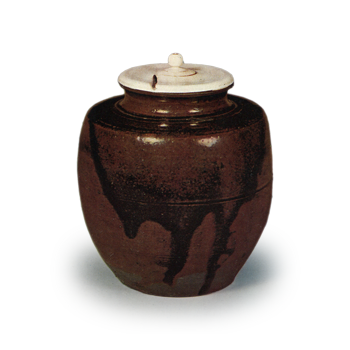
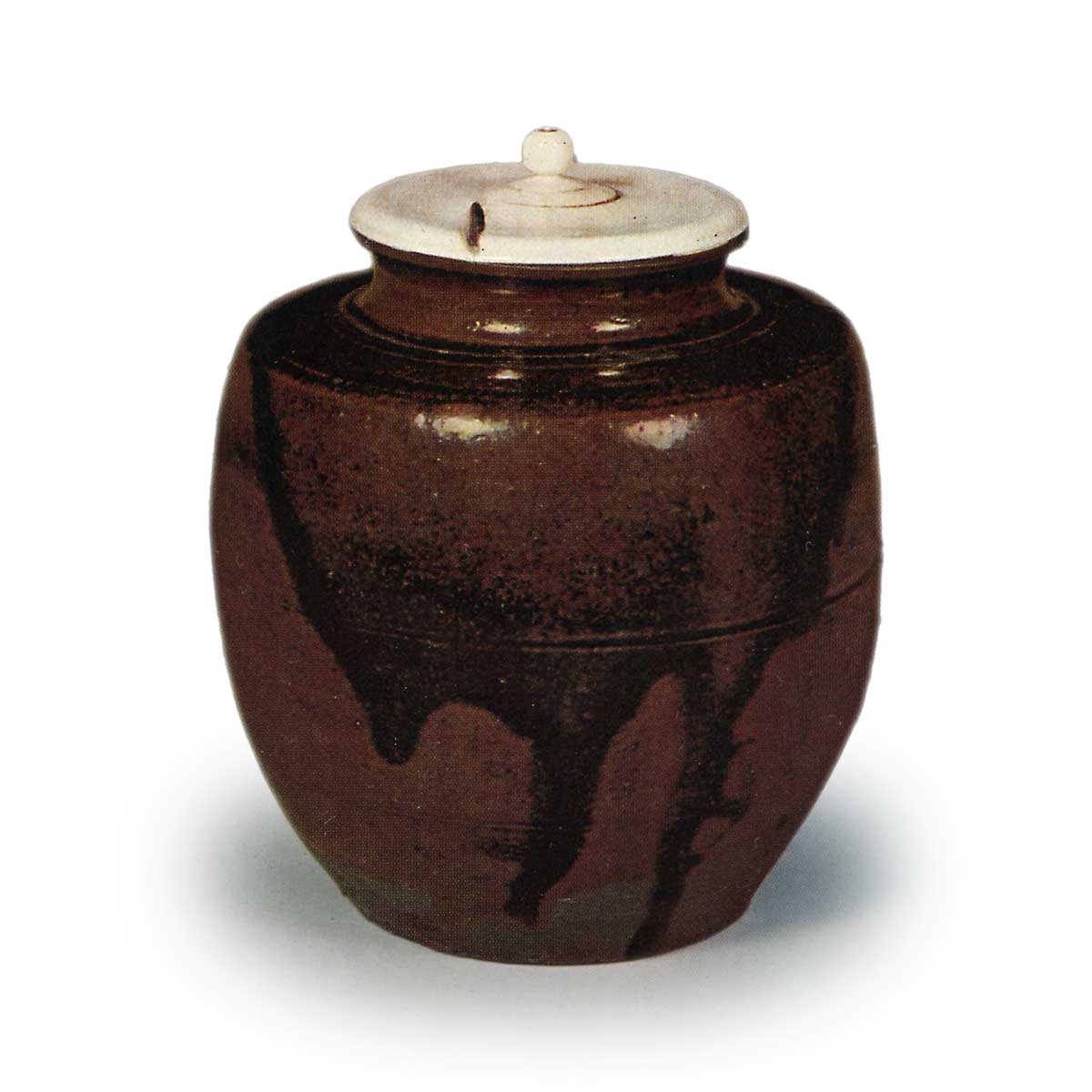
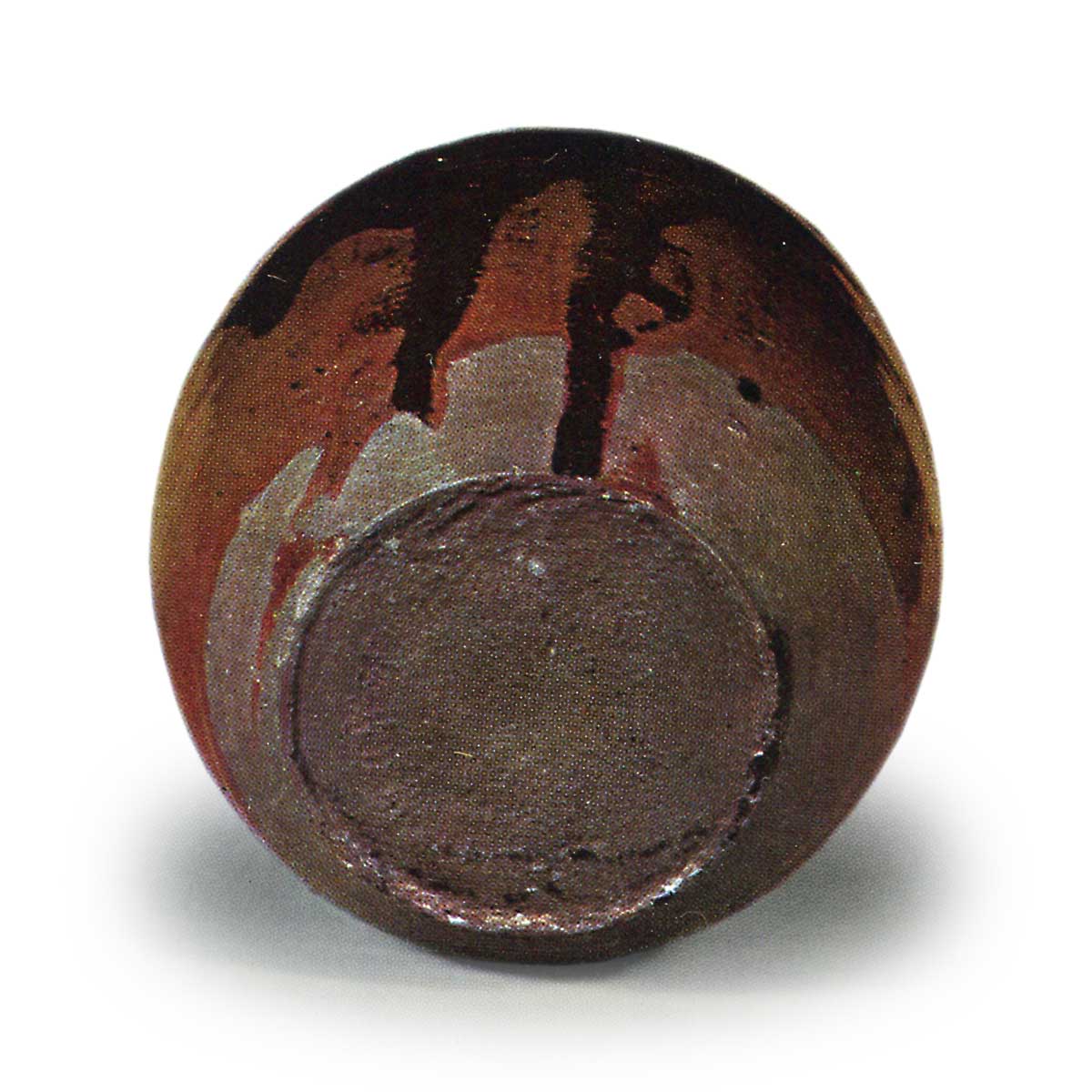
Chinese antique, Daimeibutsu, Important Cultural Property
Accessories
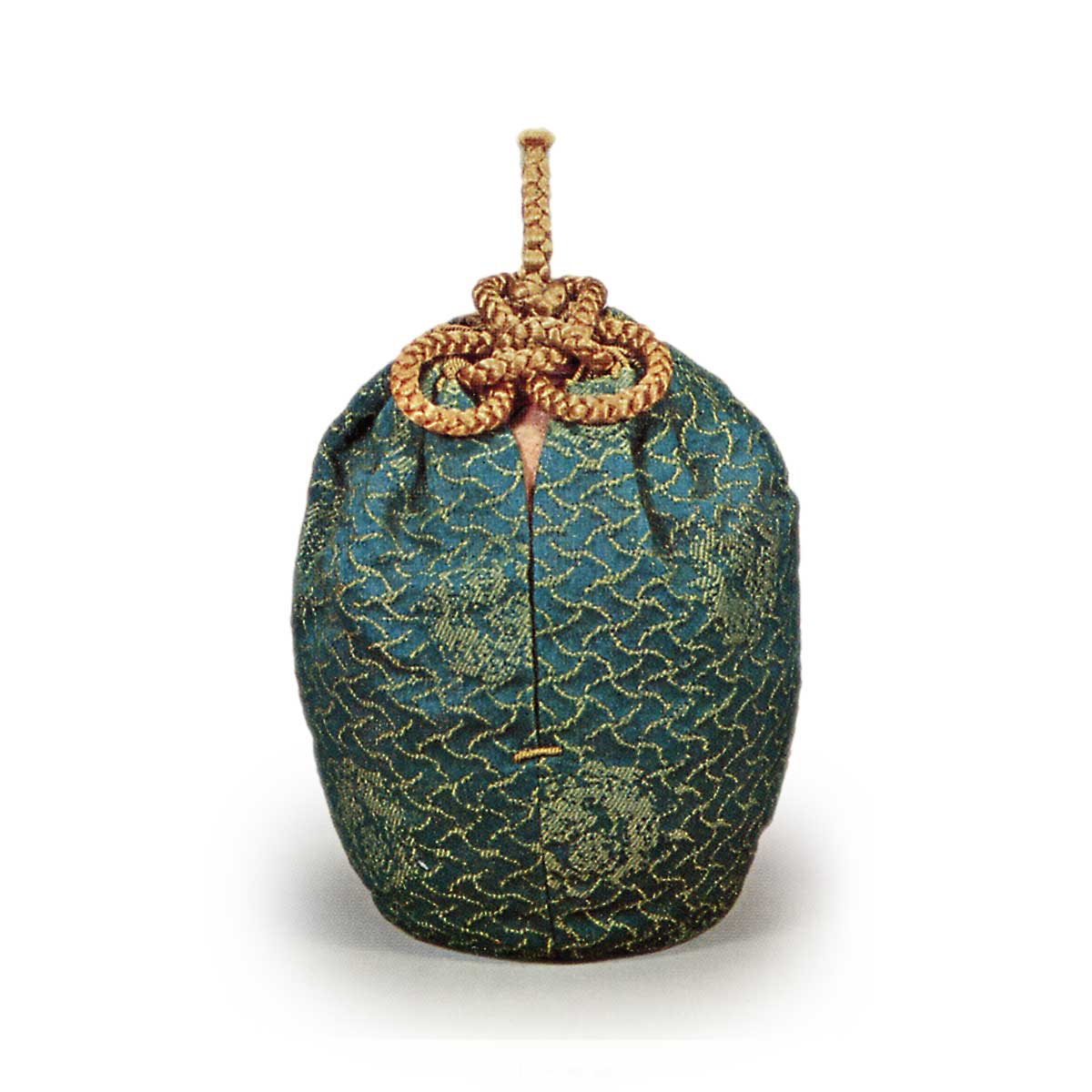
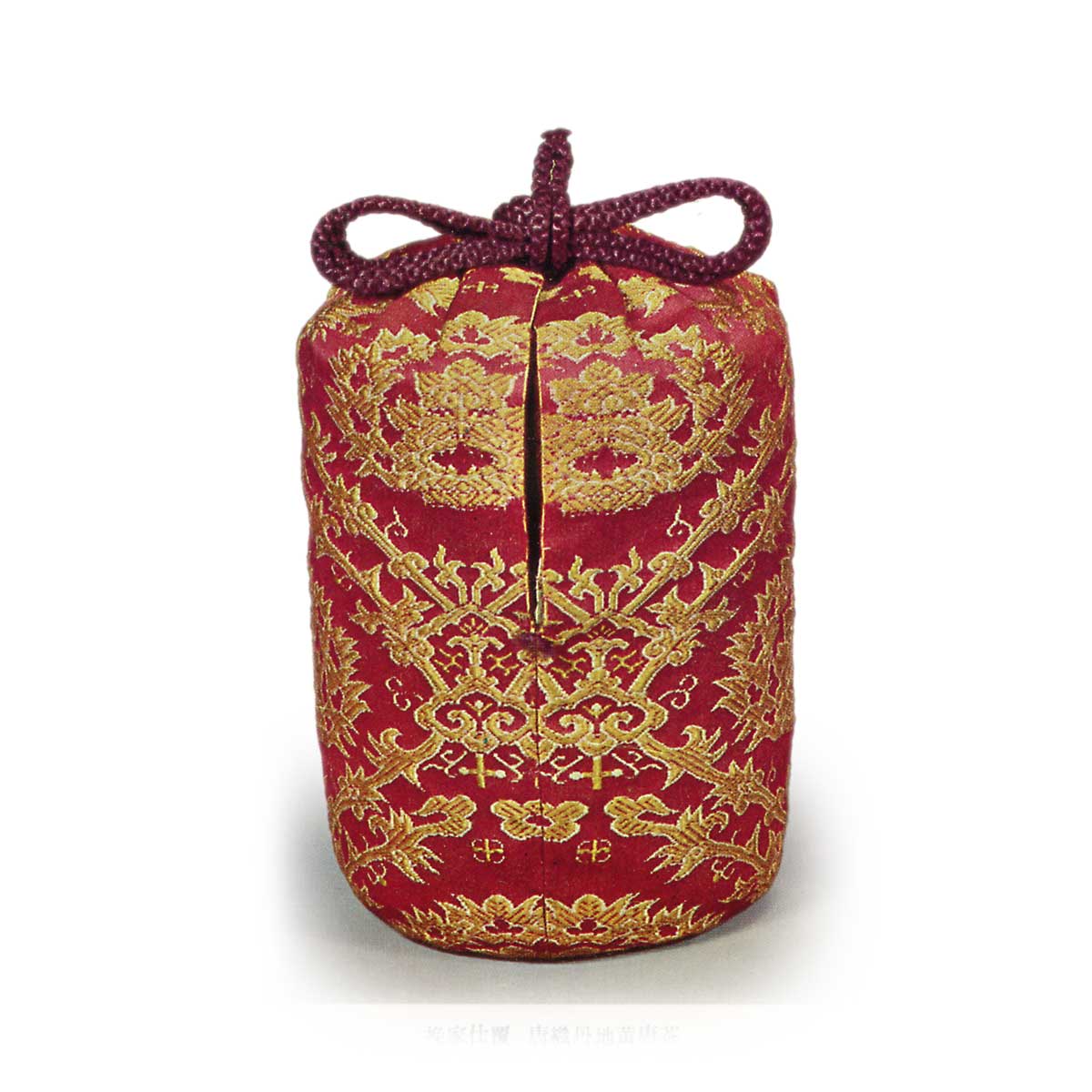
Three covers
Cover box, paulownia, white wood
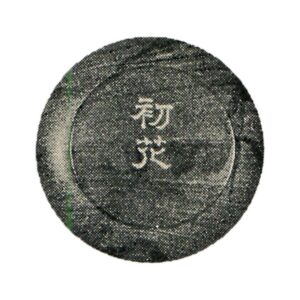
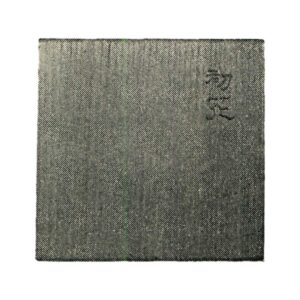
One hikiya, Chinese wood, rim with gold powder engraving
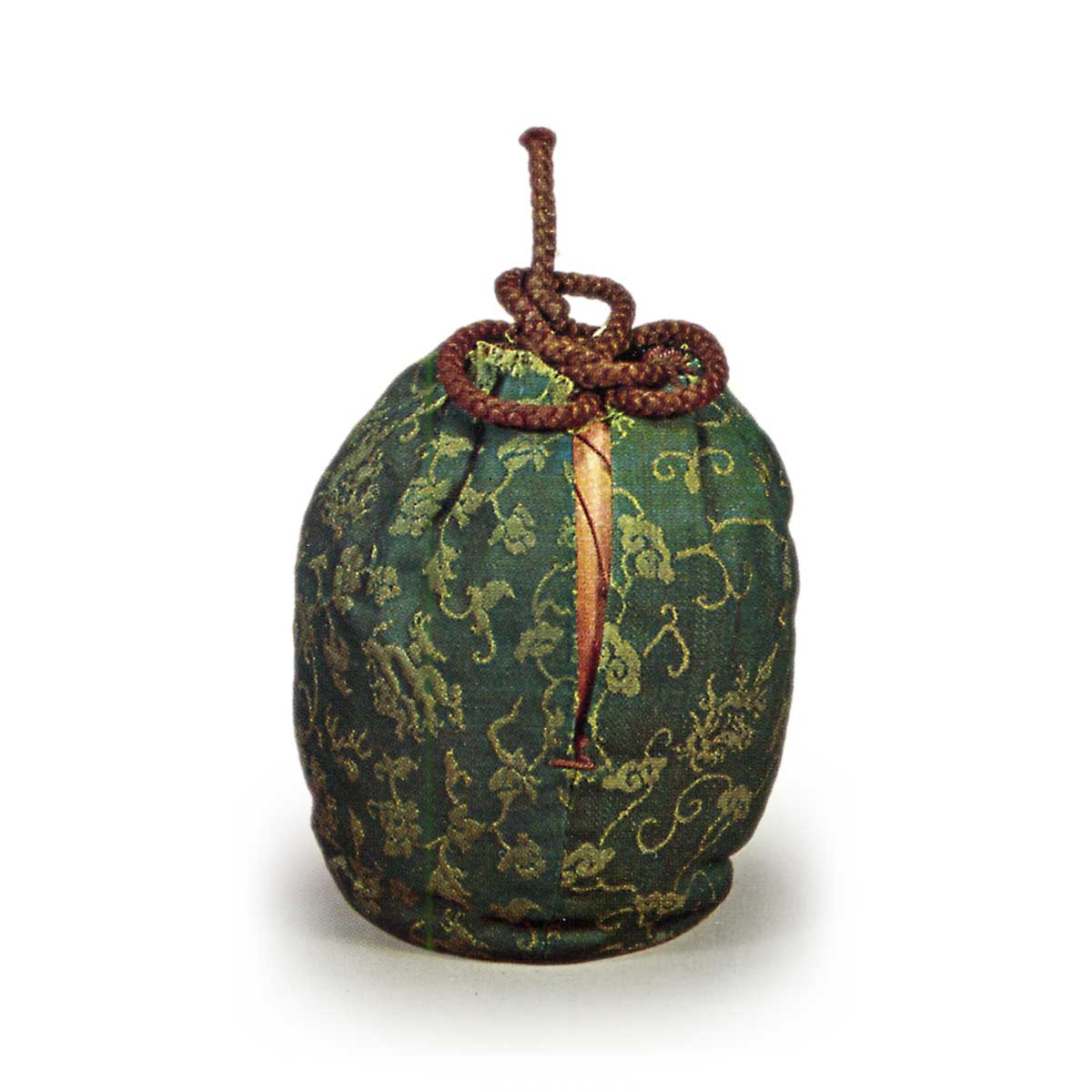
One hikiya bag
Inner box, paulownia, white wood, gold powder engraving
Outer box: Black lacquer with gold powder lettering
Certificate of provenance: One
Provenance
Torii Hikisaku (Jukō’s second son) — Daimonjiya Hikita Sōkan — Oda Nobunaga — Oda Nobutada — Matsudaira Nenshi — Tokugawa Ieyasu — Toyotomi Hideyoshi — Ukita Hideie — Tokugawa Ieyasu — Matsudaira Tadanao — Matsudaira Bizen-no-kami — Yagyū Imperial Household Goods
Recorded
List of tools and paintings owned by the Tokugawa family, Higashiyama Imperial Collection, Tencho Meibutsu Ki, Nobunaga Koki, Imai Sohku Diary, Tsuda Sohoku Tea Ceremony Diary, Unshu Matsudaira Family Collection, Koshiki Tea Ceremony Notes, Sohaku Diary, Kanmei Koki Diary, Taiko Ki, Wakashu Sakai Family Documents, Kansei Shoshu Shokake, Kokon Meibutsu Ruiju Enshu’s List of Famous Artifacts, Appendix to the Tokugawa Jikki, Upper Imperial Artifacts Catalog, Taisho Meiki Kagami
Dimensions
Height: 8.4 cm, Mouth diameter: 4.65 cm, Body diameter: 8.0 cm, Base diameter: 4.7 cm, Weight: 140 g
As the head of the Tokugawa shogunate, it was essential for the Tokugawa family to possess a representative tea caddy. The significance lies in the fact that this shoulder-shaped tea caddy was chosen to symbolize that status. Therefore, for over three hundred years, this shoulder-shaped tea caddy alone was revered as the sacred object that embodied the prestige of the Tokugawa shogunate.
Although Tokugawa Ieyasu may not have had such a strong attachment to this tea caddy when he acquired it, it has long been regarded as the highest-ranked tea caddy in traditional tea ceremony.
Its shape is elegant and dignified, evoking the aura of nobility. The glaze is applied in just the right amount, with flowing glaze and a proper form. It is also calm and subdued. The luster is also subtle. This is, of course, due to the clay and glaze from the Song Dynasty kilns.
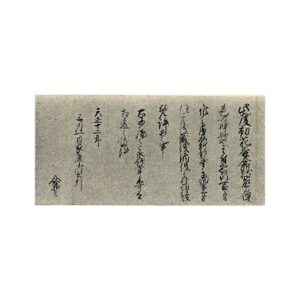
License
This shall be passed down to future generations without any deviation.
March 1st, 1584, written by Ieyasu with his seal and signature
In the year of Tenmon, the small vase with the first flowers was presented as a gift, and all duties were exempted. This shall be passed down without any deviation.
March 17th, 1623, written by Ieyasu with his seal and signature
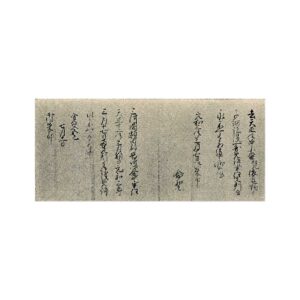
Regarding Nenshi of Okazaki Village, Nagata District, Mikawa Province, in accordance with the previous decrees of March 1st, Tenshō 12th year, and March 17th, Genwa 3rd year, all duties are hereby exempted, and there shall be no discrepancies.
July 11th, Kanbun 5th year
Imperial Seal

