Hafu Kiln
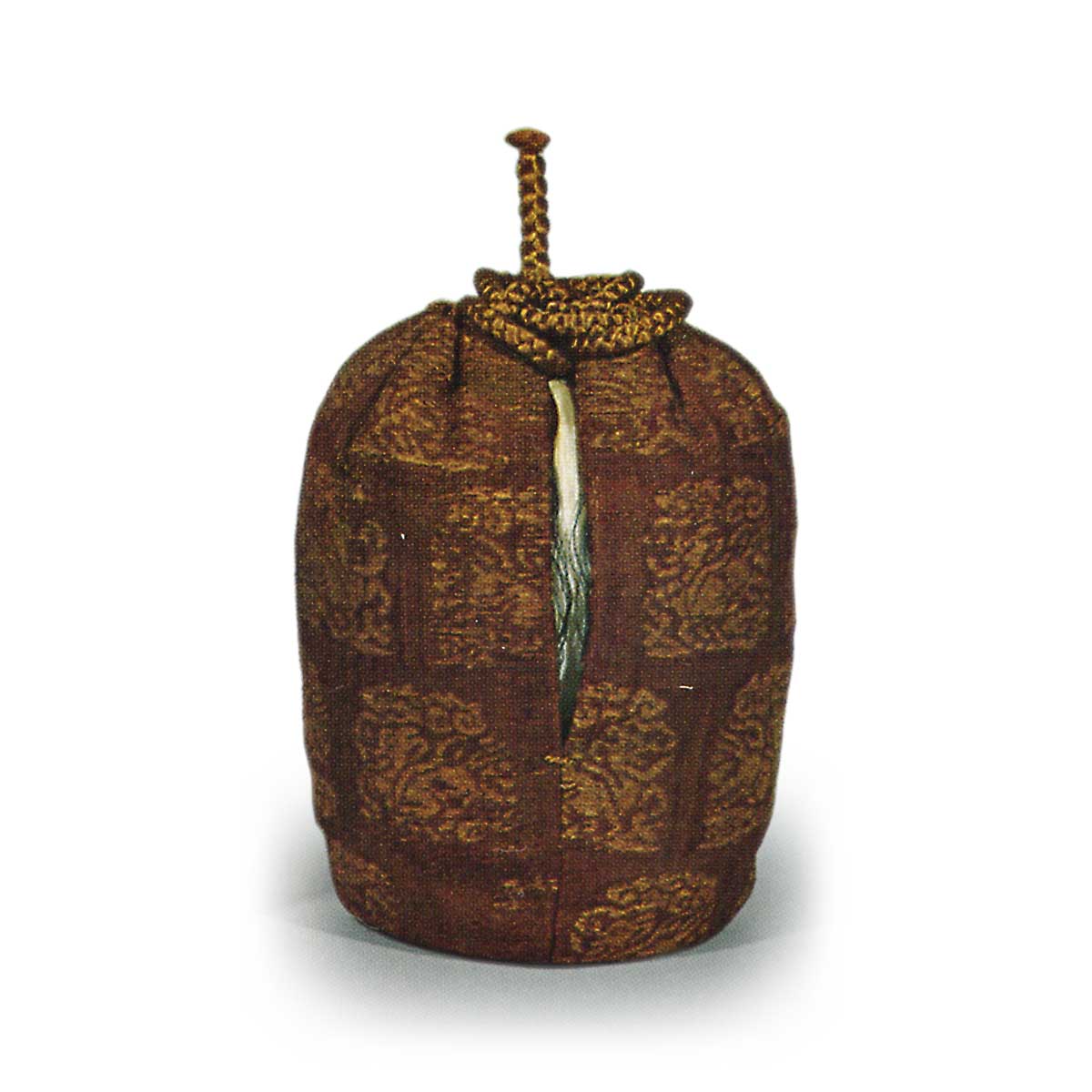
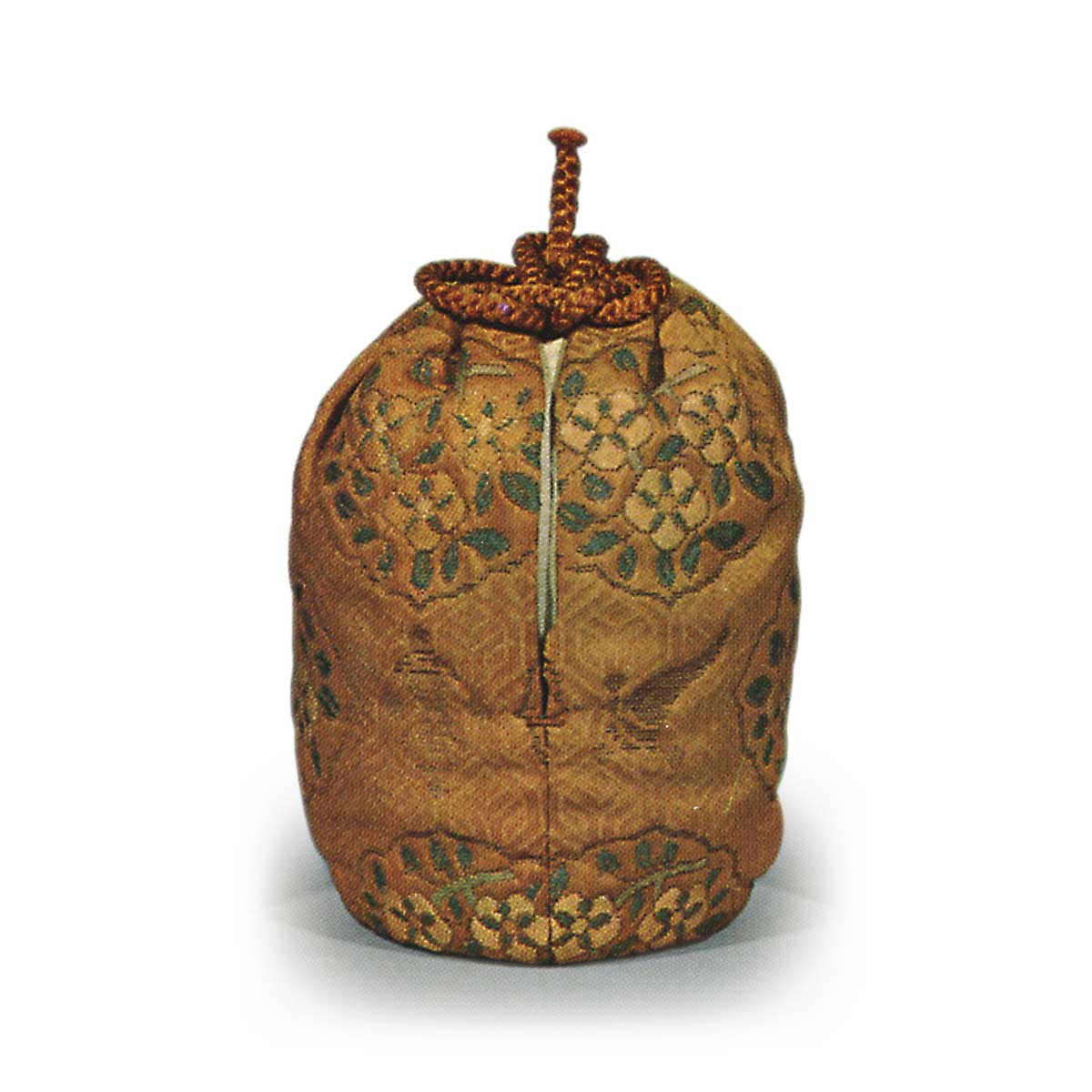
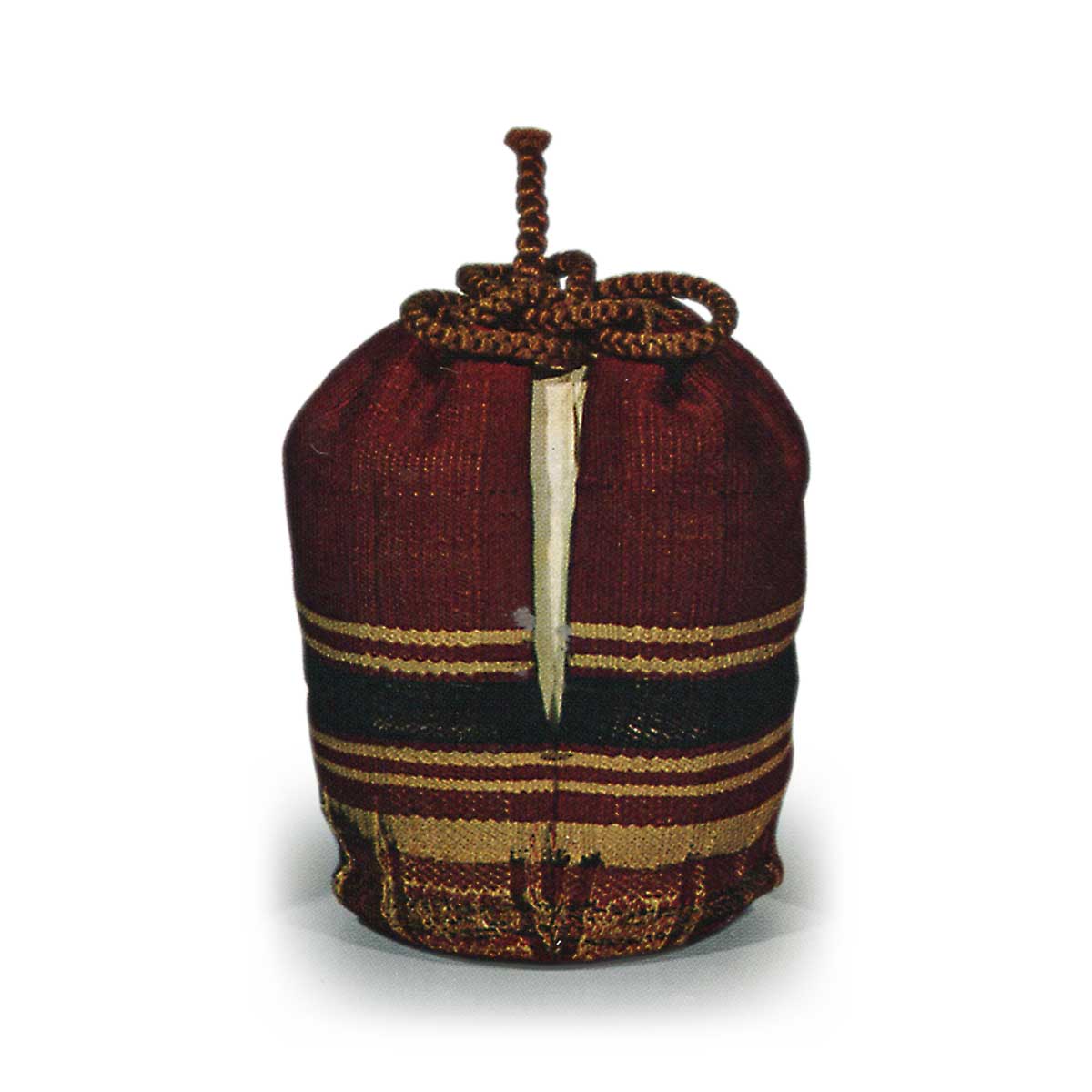
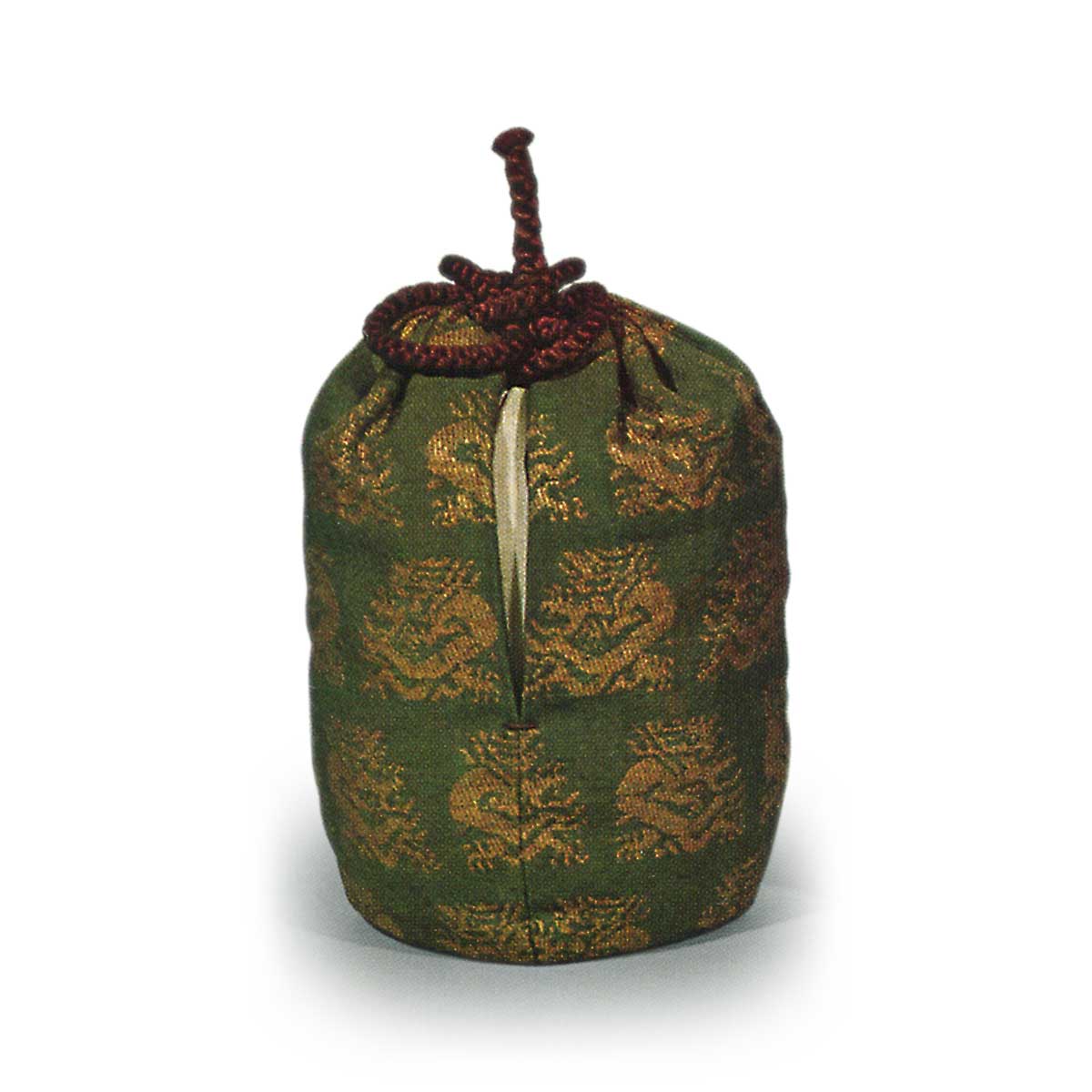
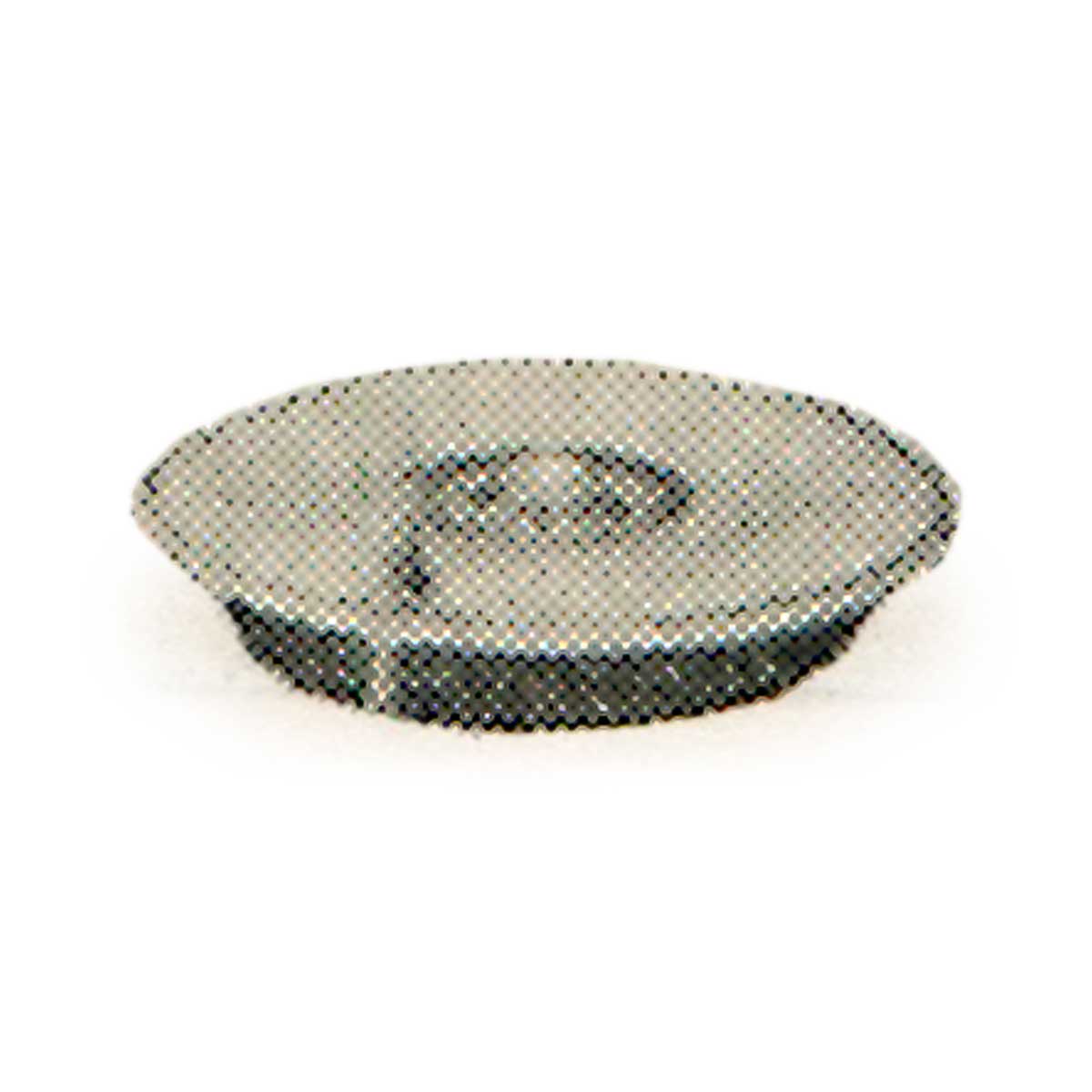
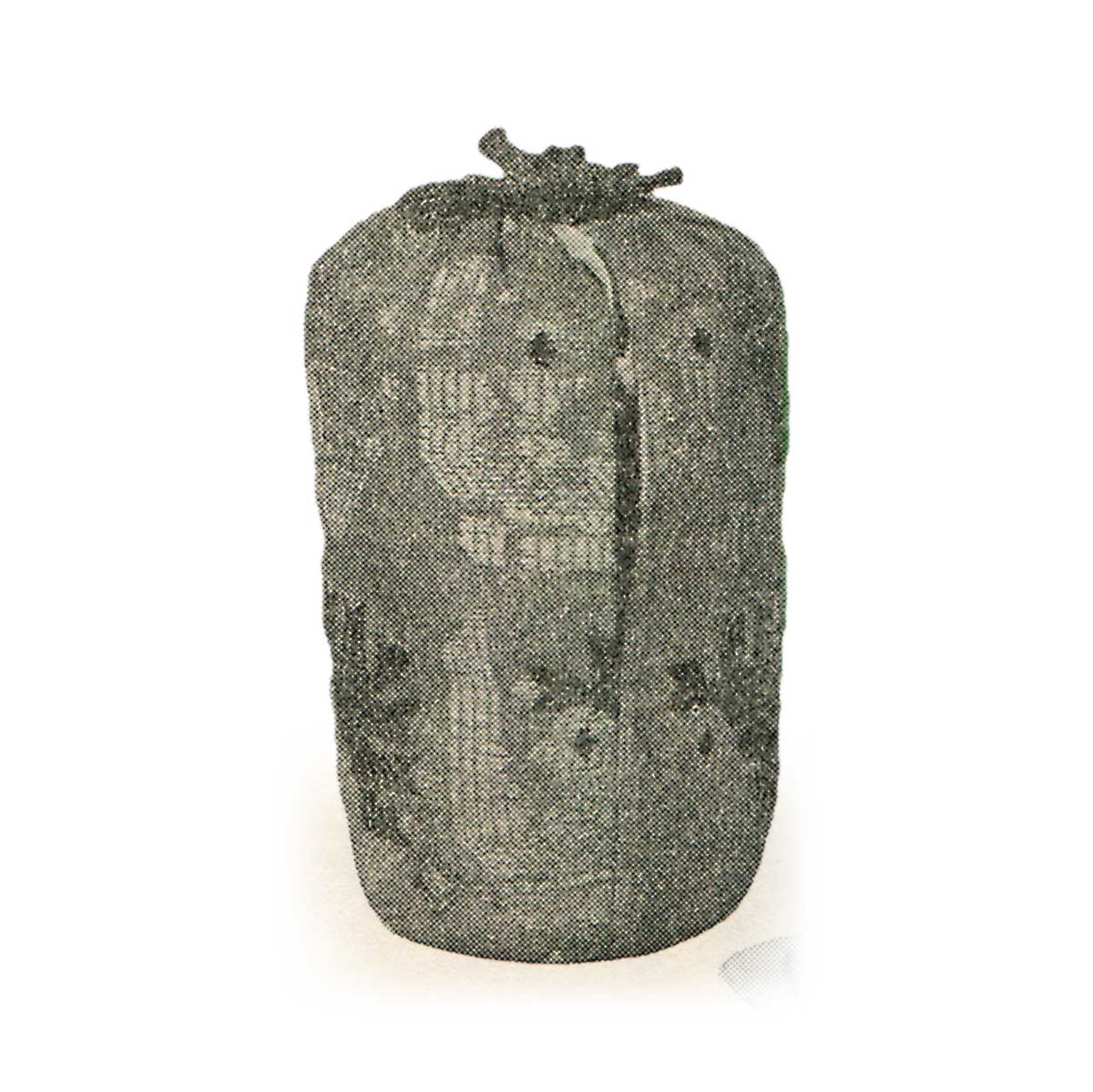
Lids x2, Nest, Cover x4
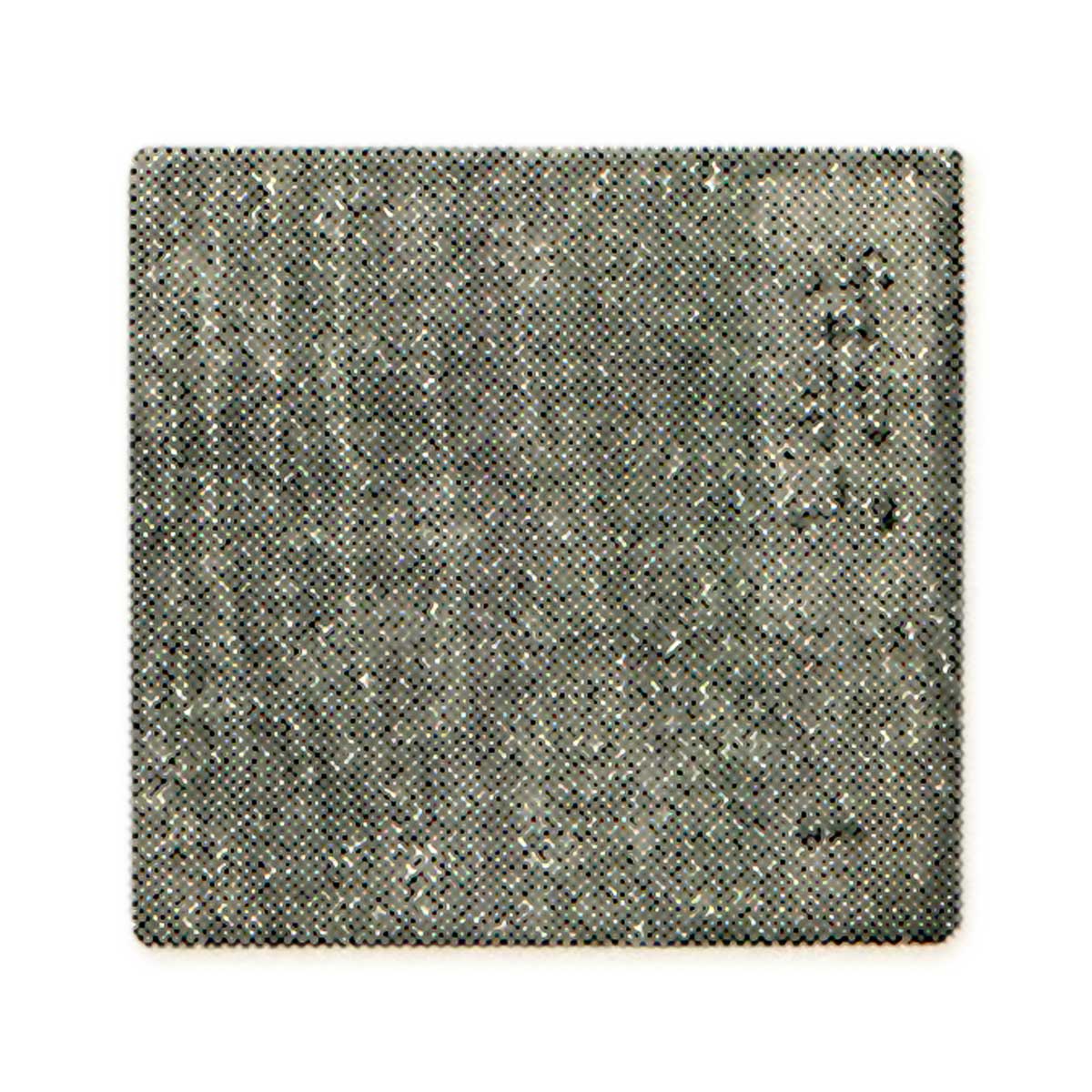
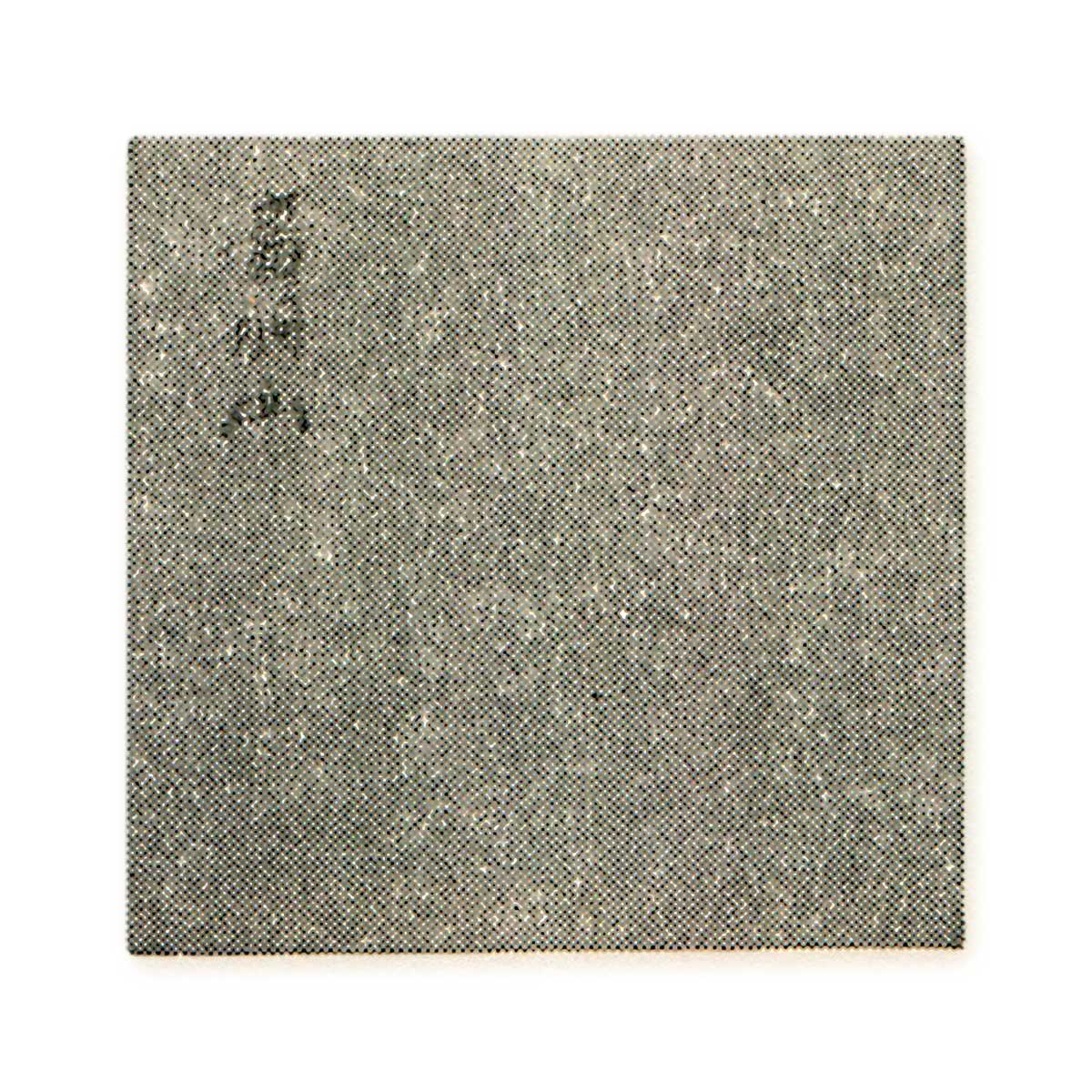
Hikiya, Mulberry, Gold Powder Characters, Inscription, Kobori Enshu’s Brushwork, Hikiya Cover, Red Ground, Arisugawa
Blue Lacquered Square Tray, Vermilion Base, Black Lacquer
Tray Box, Paulownia Spring Celebration Lacquer, Silver Powder Characters, Inscription
Inner box: Paulownia, natural wood, paper label, inscription; Outer box: Paulownia, natural wood, inscription
Accompanying letter: Receipt certificate from Fujitaya Rihei to Echigoya Jirobei
Supplementary scroll: Kobori Enshu’s own handwriting, Otowayama, ancient poem
Provenance
Kobori Enshu → Ando Tsushima-no-kami → Shinmachi Mitsui family → Kusama family → Muromachi Mitsui family
Recorded in
Meibutsu-ki (Record of Famous Objects) / Kokon Meibutsu Ruishu (Collection of Famous Objects Through the Ages) / Chaki Mokuri Monjo (Tea Utensil Appraisal Records) / Tōshū Gosenshibun Jūhachi-hin (Tōshū’s Selected Eighteen Pieces) / Tōshū Shūi (Tōshū’s Supplementary Collection) / Written by Yoshimasu Kōen / Chairin Zukai (Illustrated Tea Caddy) / Meibutsu Chairin Mokuri no Sho (Book on Appraising Famous Tea C
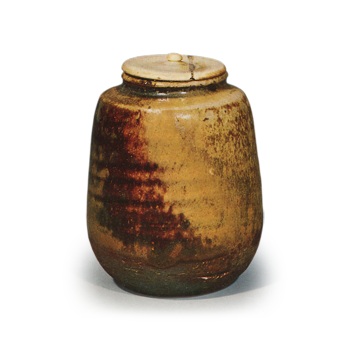
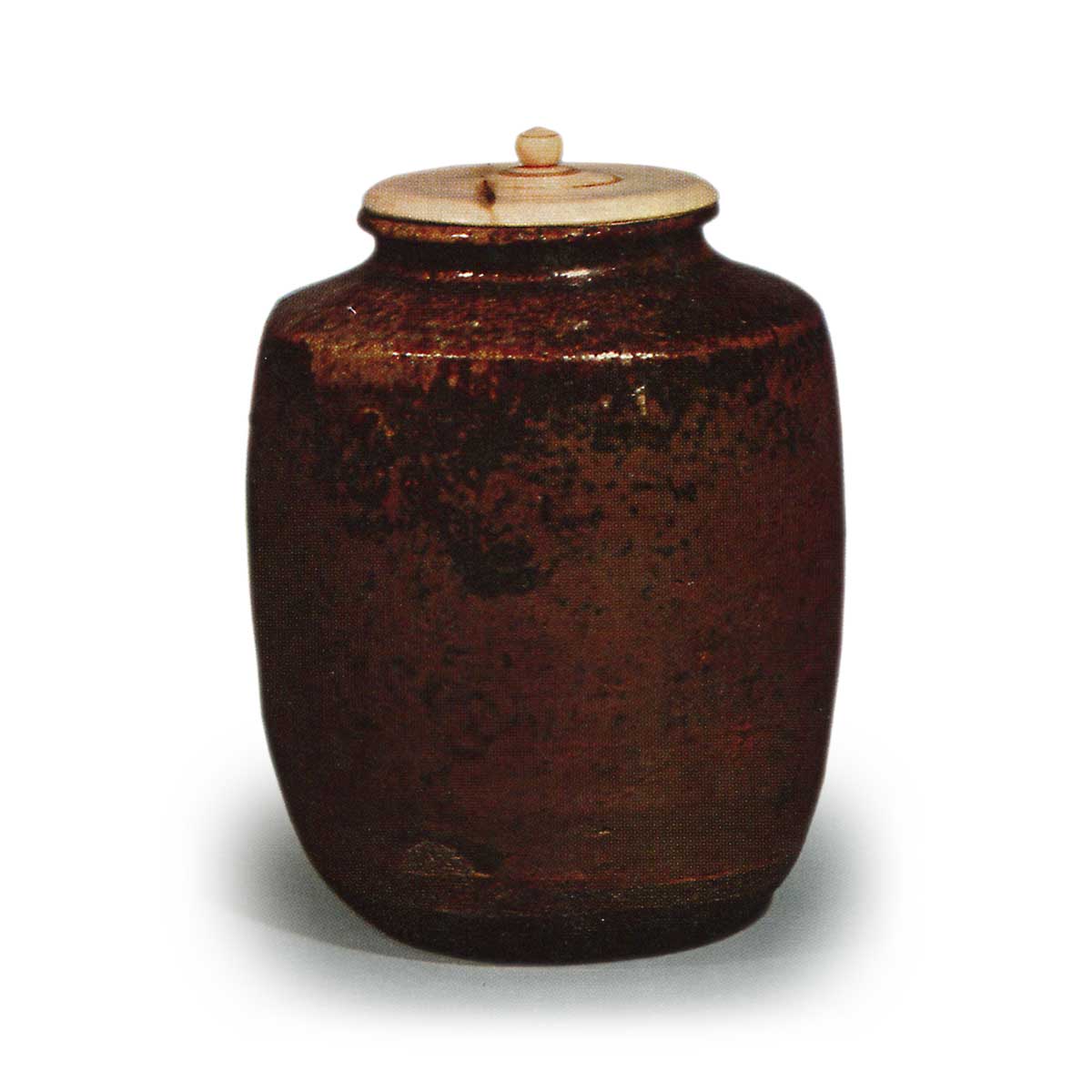
Height: 8.8cm Mouth Diameter: 4.3cm Body Diameter: 7.1cm Base Diameter: 3.9cm Weight: 170g
Among the works of the Hafu Kiln, this tea caddy is a well-proportioned shoulder-shaped piece displaying impeccable dignity. The glaze, a fine Seto glaze, appears densely applied. Within its unobtrusive overall appearance, a corner of the shoulder reveals yellow glaze, which interacts beautifully with the deep black glaze to create a pleasing composition. Furthermore, its lack of pretension is a defining characteristic of this tea caddy.The inscription “Otowasan” (Mount Otowa) likely reflects this serene aesthetic. The square shape of the Wakasa bon lid also complements this tea caddy perfectly.
Among the shifuku-kiri (lids with cut patterns), the floral brocade pattern called “Otowa-kiri” gained its name because it was first used on this particular tea caddy, and similar lids with the same pattern came to be called by the same name.
The Kamakura-kandou (Kamakura-style) and other elements all display a vivid and beautiful appearance.
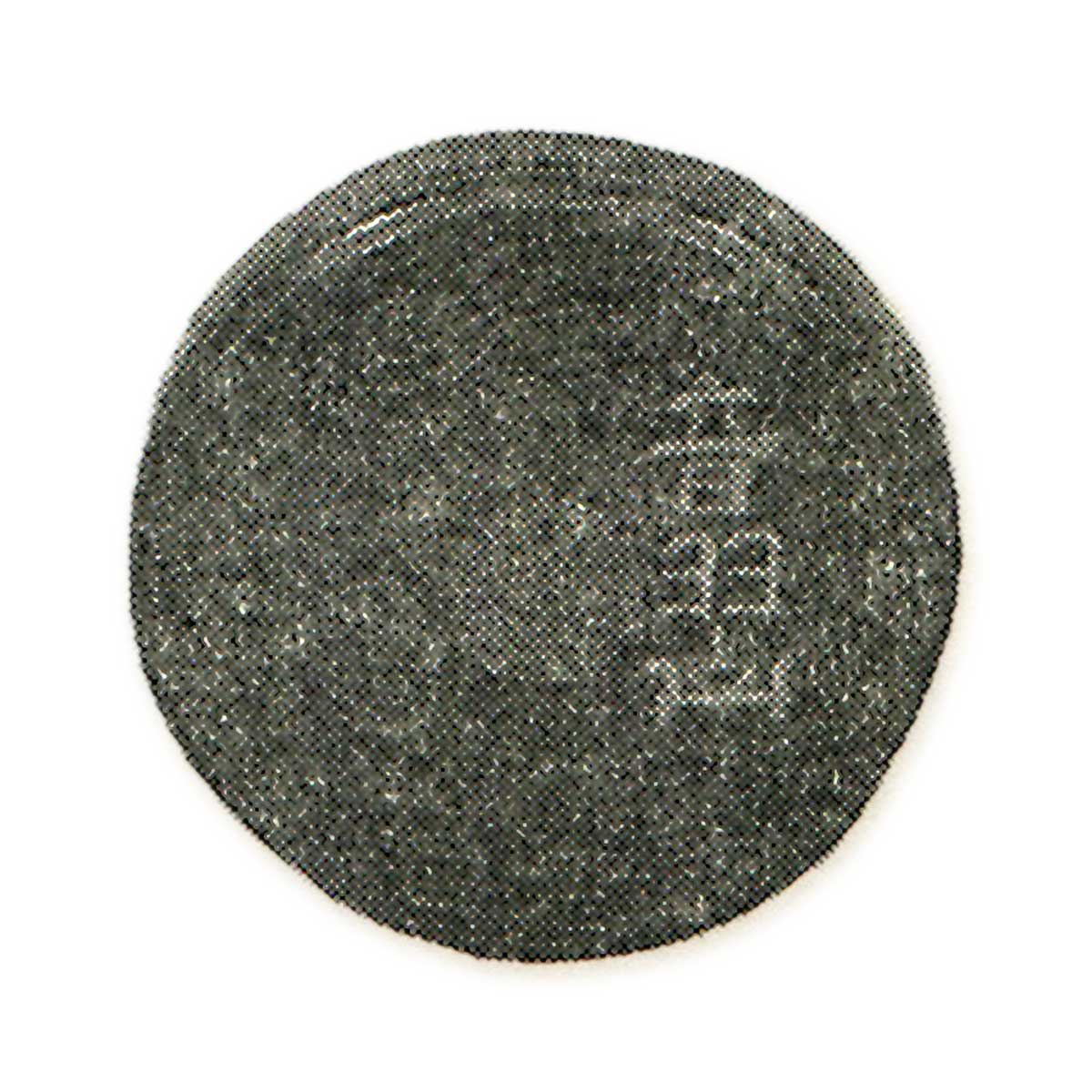
Inscription: Written by Kobori Enshu
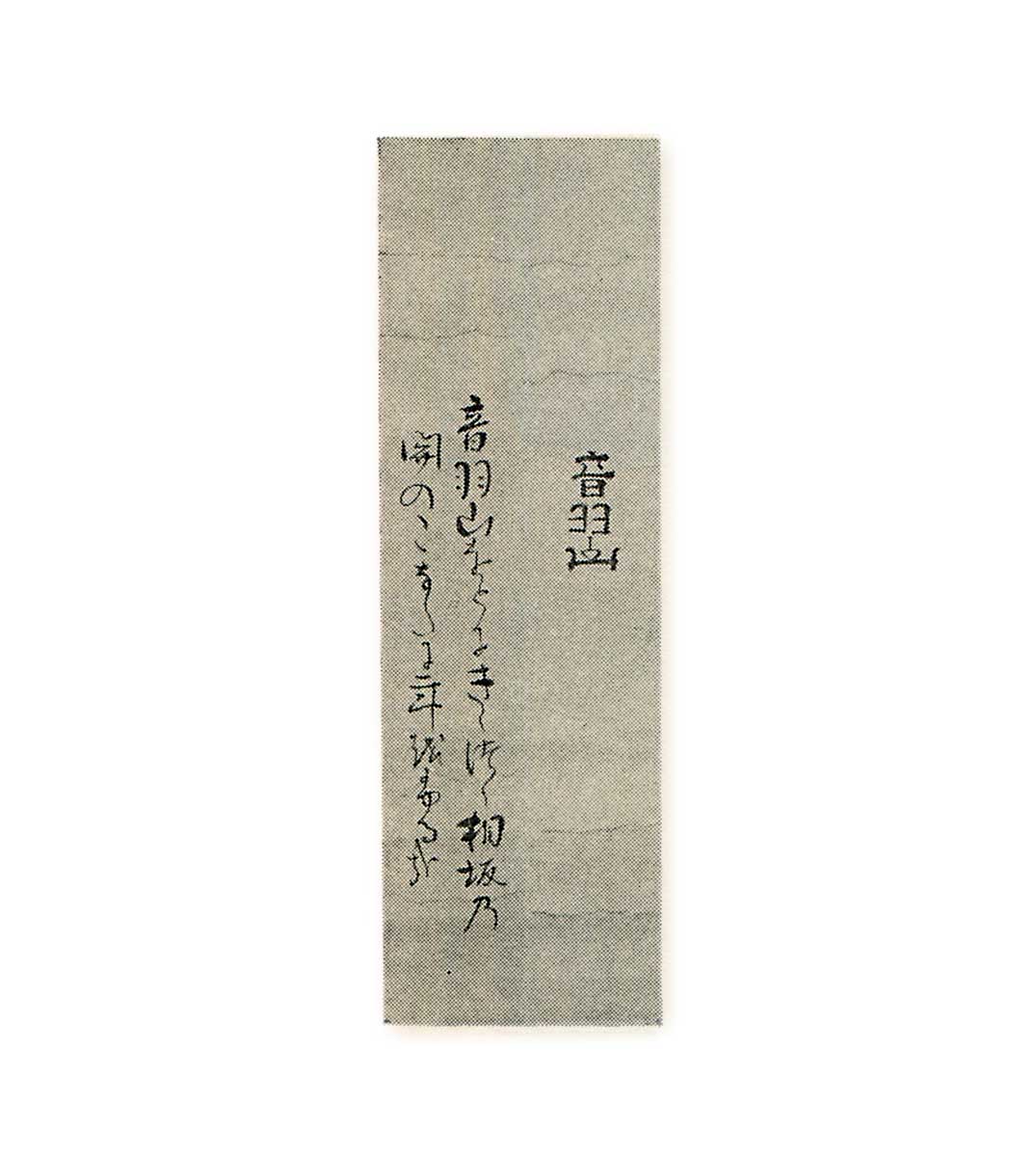
Otowa Mountain, oh, how I long to see it
On the other side of the pass, how the years pass by