Kosei Meibutsu (Revival Masterpiece)
Accessories
Lids: Three inner, two outer; Lid box; Paulownia wood; Inscription: Gold powder characters
Four shifuku (covering cloths); Shifuku box; Paulownia wood Inscription: By Kobori Enshu; Family lid; Flowered lacquer; Plaque
Engraved with verdigris, inscription by Kobori Enshu, Hikiya cover, Dutch-striped cotton
Box, Shunkei lacquer, inscription by Kobori Enshu, tool catalog by Kobori Sōchū
Provenance
Maeda family → Kobori Enshu → Kobori Masatsune → Akita Awaji-no-kami → Tsuchiya Sagami-no-kami → Sakai family → Hara Sankei
Recorded in
Meibutsu-ki (Record of Famous Tea Utensils) / Kokon Meibutsu Ruishu (Compendium of Famous Tea Utensils Through the Ages) / Tsuchiya Kura-cho (Tsuchiya Warehouse Ledger) / Fushimiya Nikki Meibutsu Chaki Zu (Fushimiya Notes: Illustrations of Famous Tea Utensils) / Chaki Mokuri Shu (Collection of Tea Utensil Appraisals) / Enshu Gosens Juhachi-hin (Enshu’s Selection of Eighteen Items) / Written by Matsudaira Fumai / Seto Toki Ransho (Origins of Seto Pottery) / Sōyūki (Record of Sōyū) / Setsuma Sō Chado Wakugai (Resolving Confusions in the Tea Way During Snowy Intervals) / Enshu Shūi (Enshu’s Miscellaneous Remains) Enshū Hyakukai-ki
Dimensions
Height: 7.7cm, Mouth Diameter: 3.2cm, Body Diameter: 6.1cm, Base Diameter: 3.5cm, Weight: 150g
Owner
Hatakeyama Memorial Museum, Tokyo
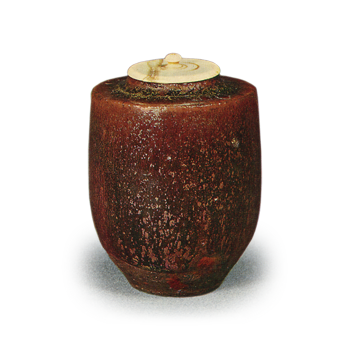
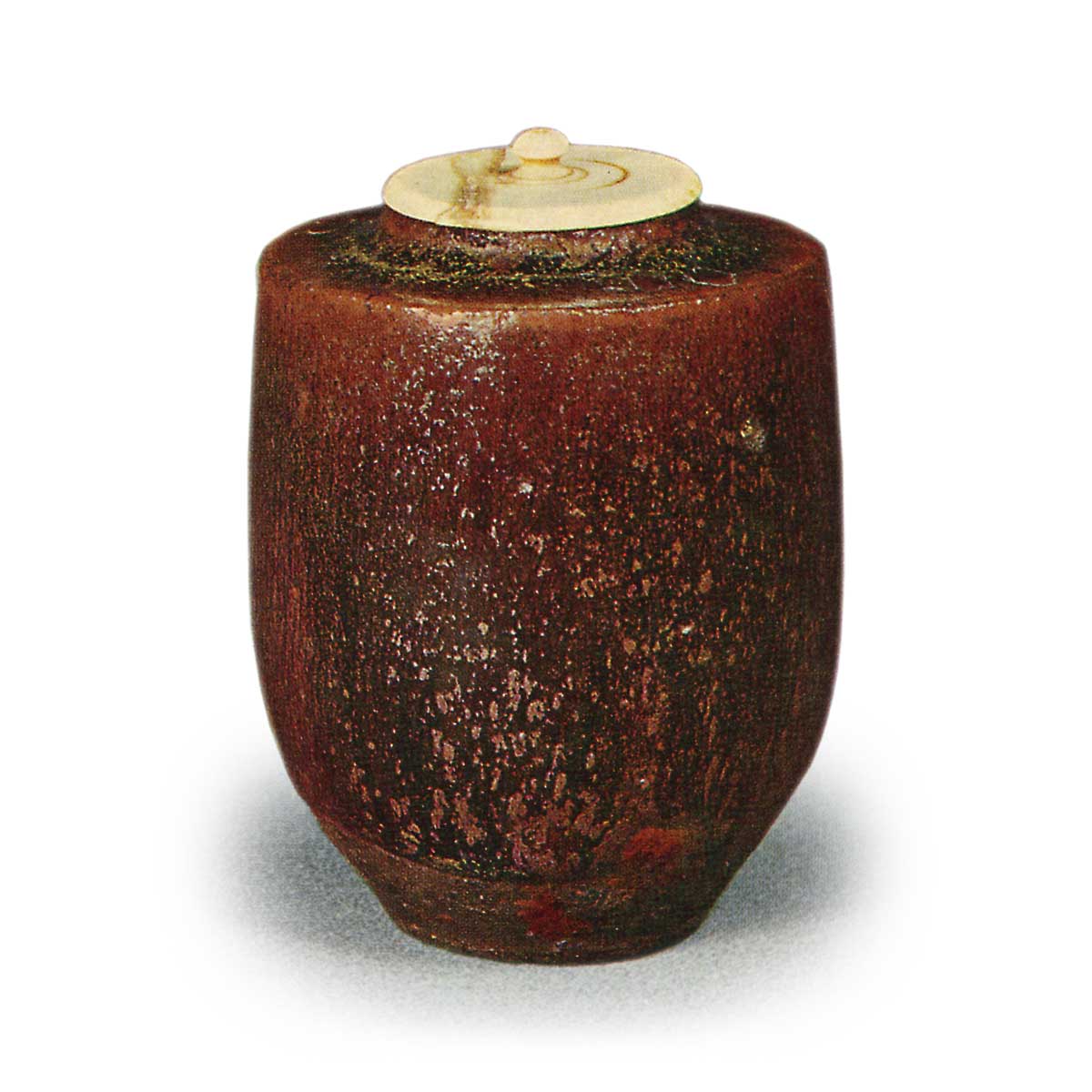
Among ancient Seto tea caddies, this one stands out as unique. Its form features a neck that dips sharply into the shoulder, creating a boar’s head shape with pronounced angular shoulders. The body tapers gracefully down to the base, evoking the silhouette of a farmer clad in a straw cloak.
It is also a tea caddy of austere charm. Moreover, the glaze is thick on the shoulders, thin on the outer shoulder, and gradually deepens like rice grains toward the base, creating a beautiful overall glaze pattern.
The replacement cover, suited to Enshū’s taste, is distinctive in that it was specifically chosen from among quiet, Meibutsu patterns and paired with a small mon pattern.
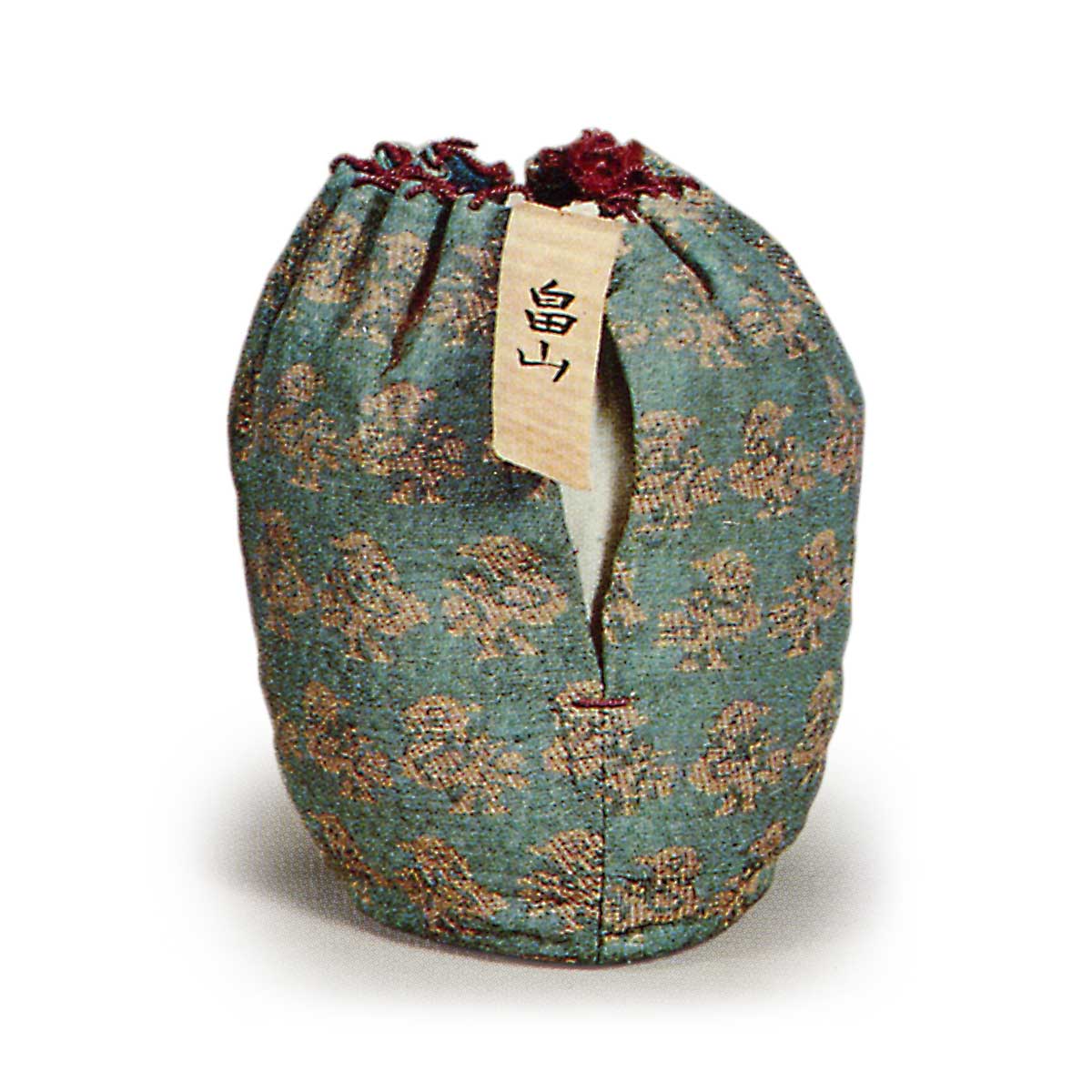
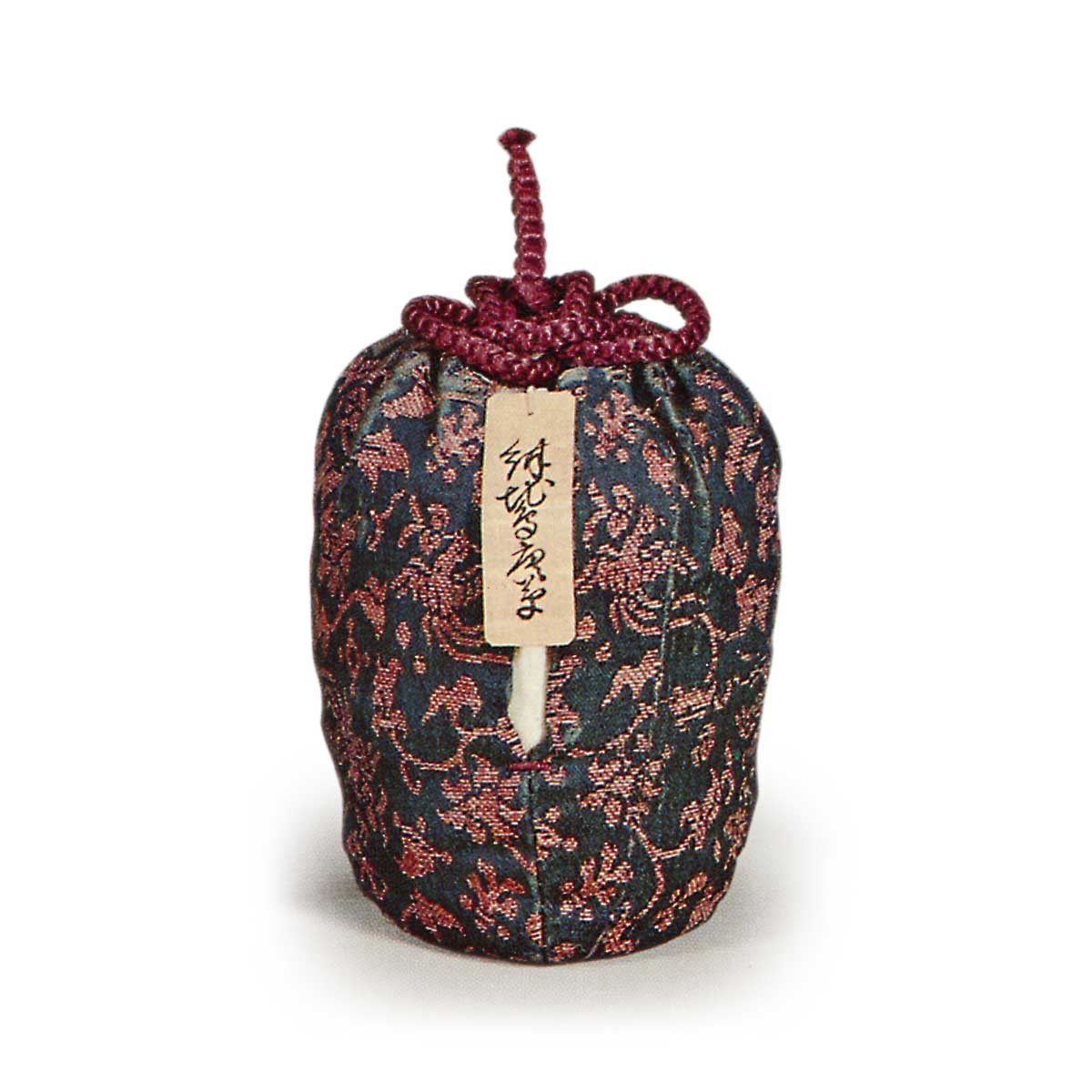
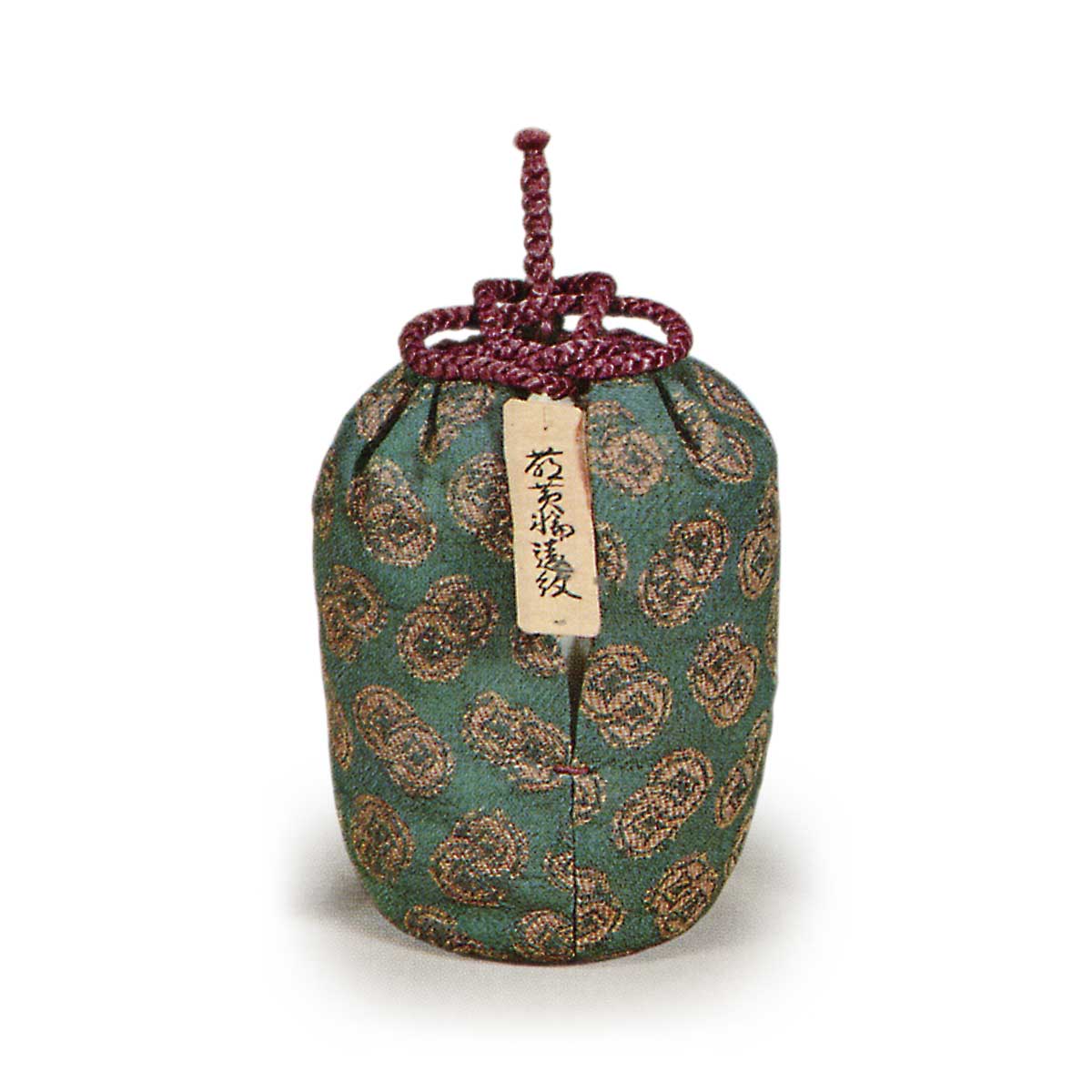
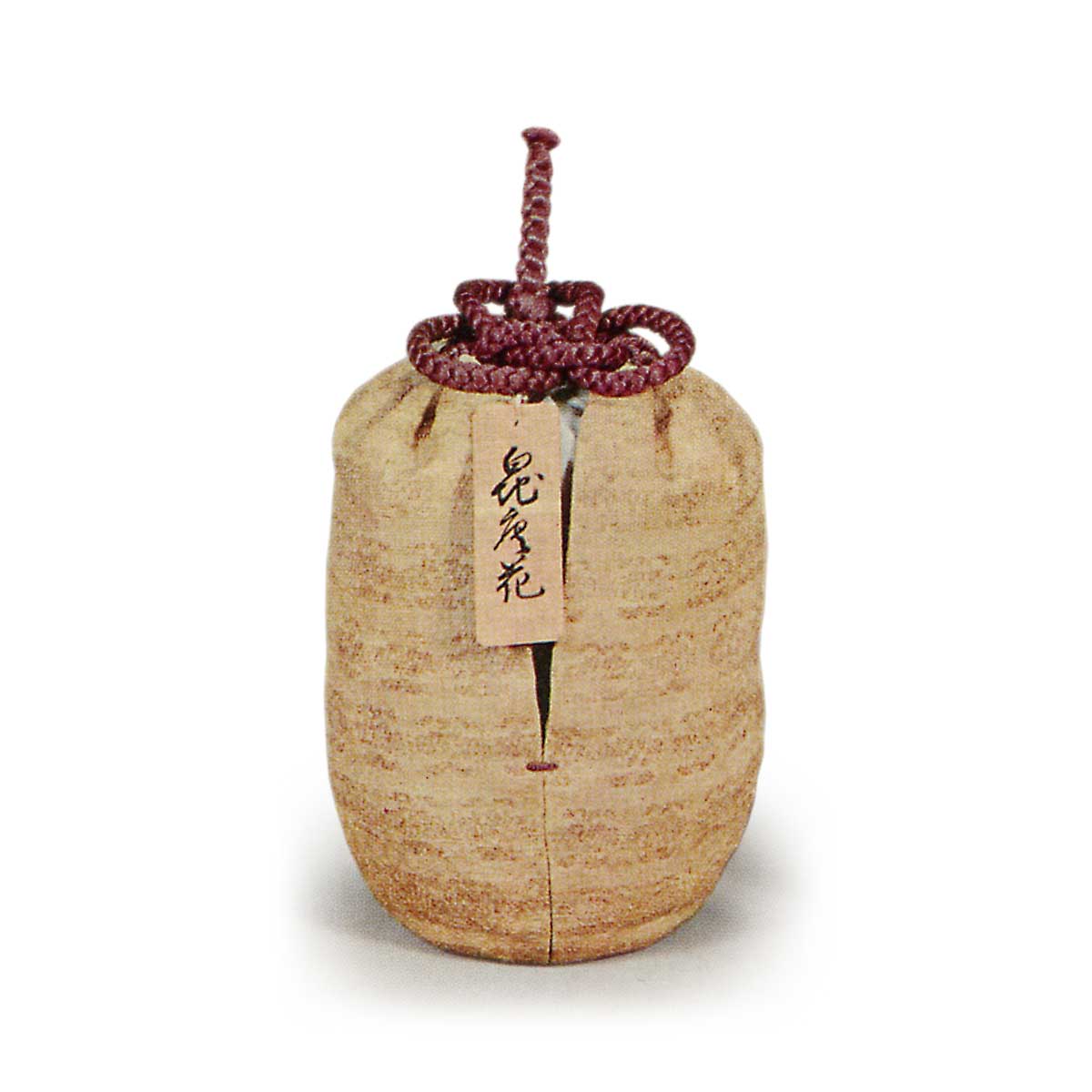
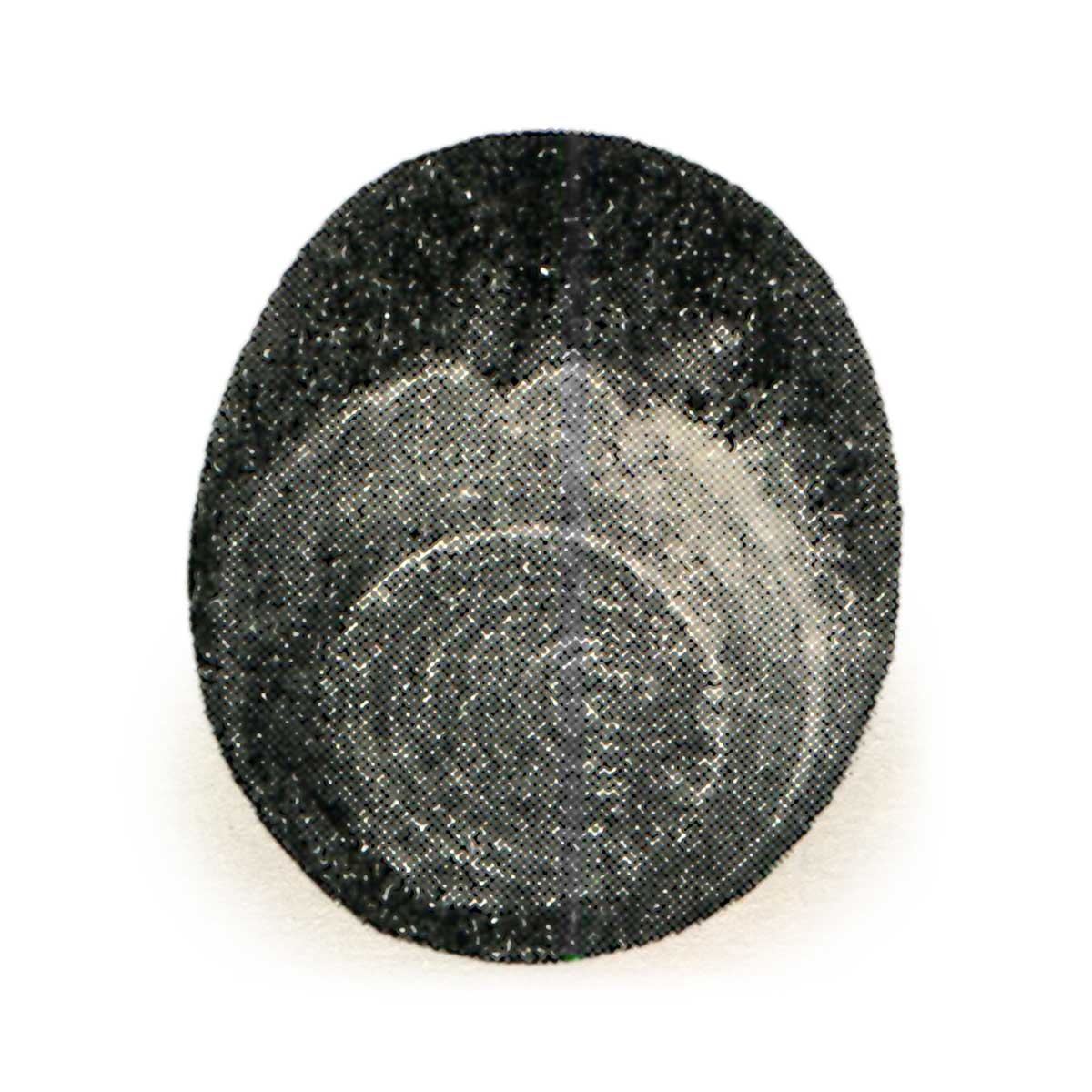
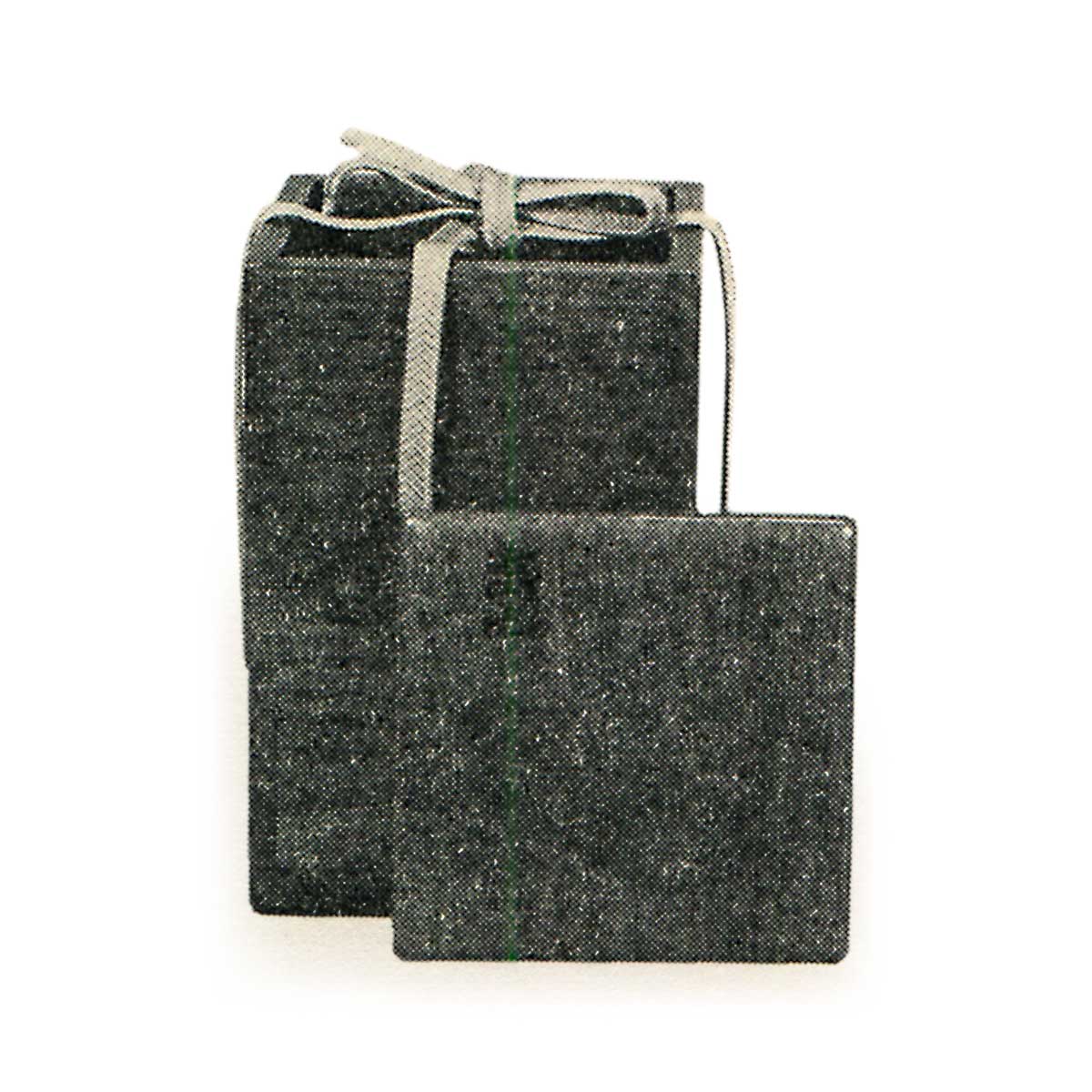
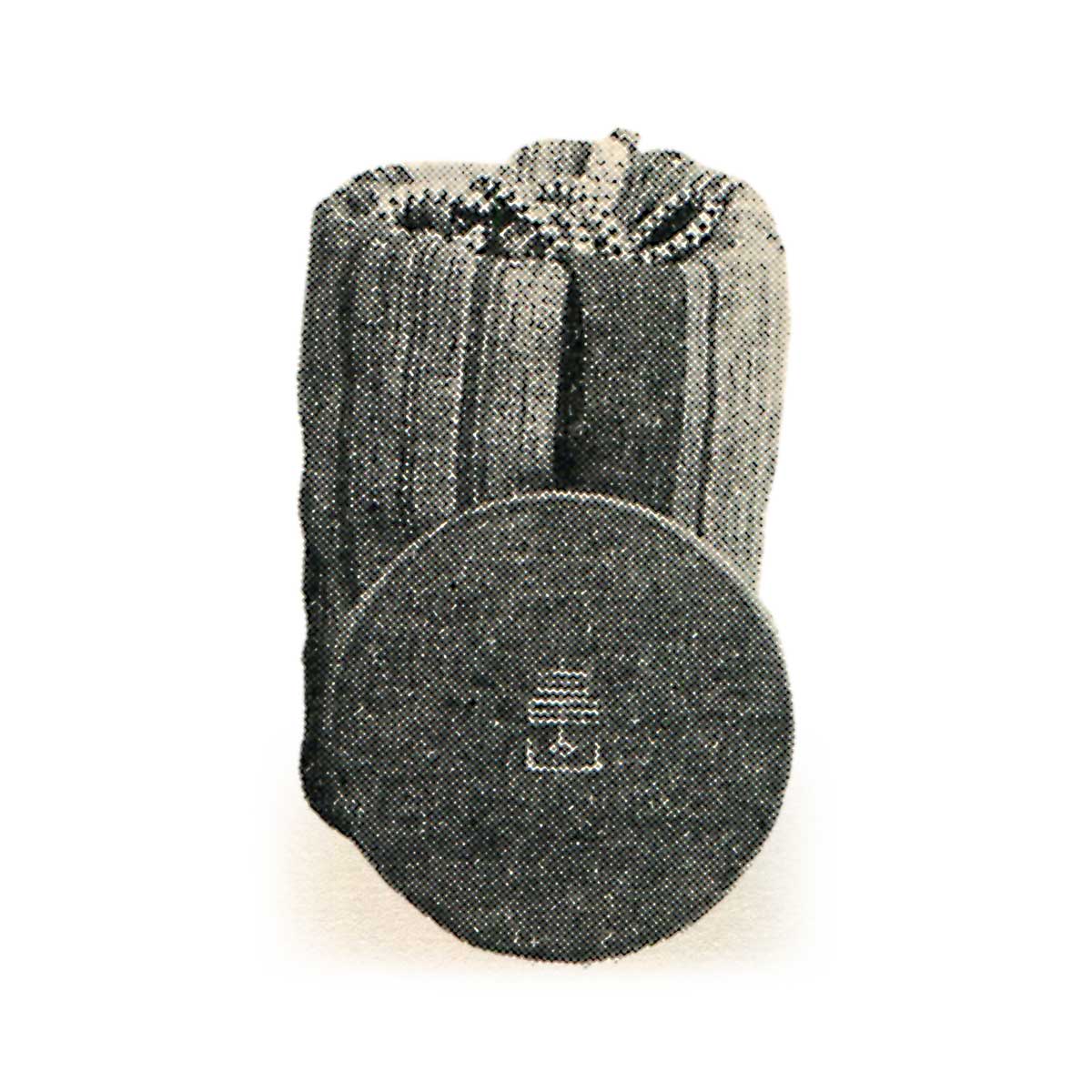
Hikiya lid: Flower-patterned lacquered wood with green patina; Inscription: Kobori Enshu
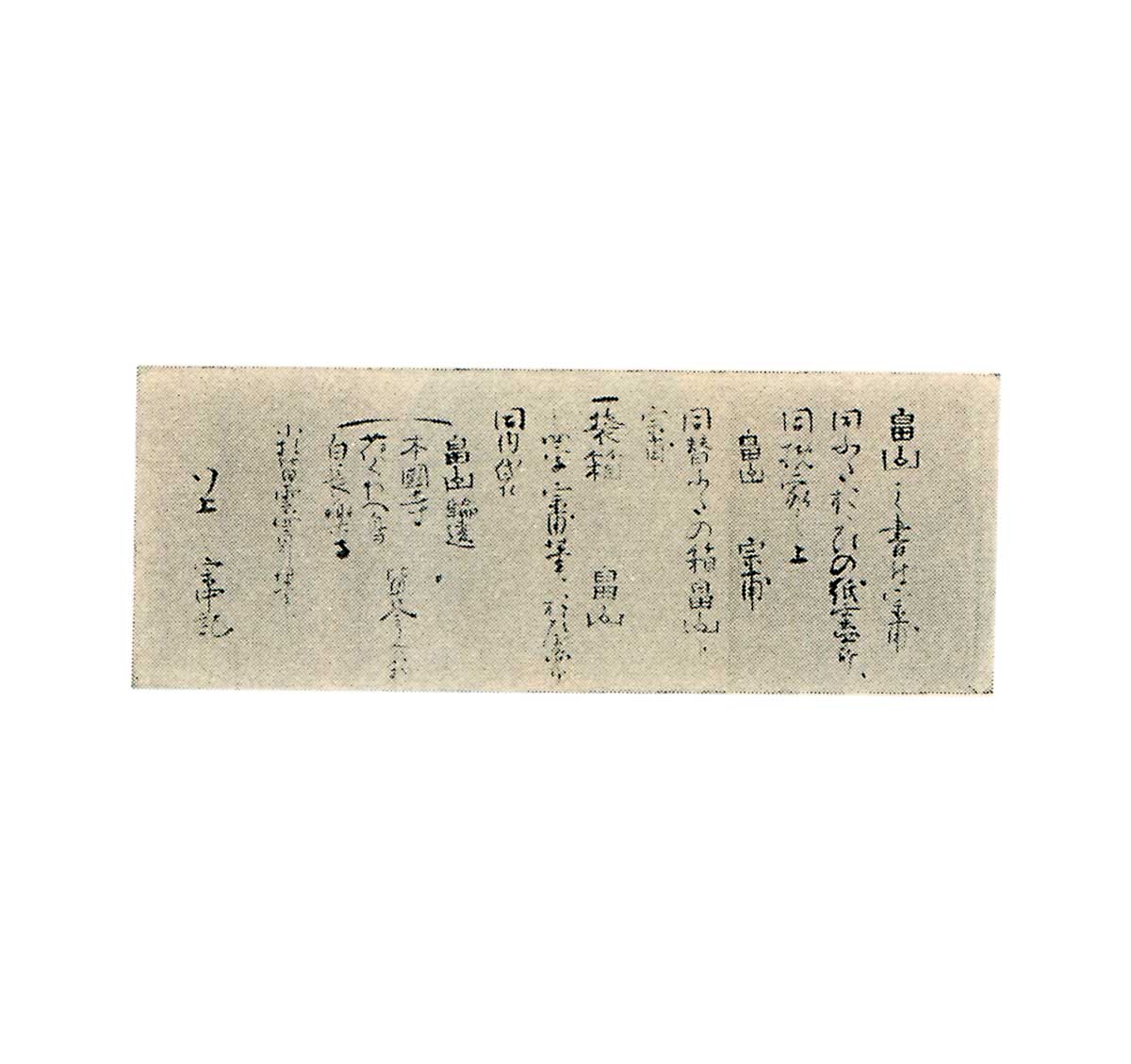
Hatakeyama’s inscription: Sōfu
Same lid: Ōhi paper, Kumoshiro
Same Hikiya’s Upper Lid
Hatakeyama Sōho
Same Replacement Lid Box Hatakeyama Shimo
Sōho
One Pouch Box
Hatakeyama
Four Characters Sōho’s Calligraphy Oohi Kumoshiro
Same Inner Pouch
Takayama Hanawa
Honkokuji Temple
All Old Gold Brocade Meibutsu
Flower Cuckoo Bird.
Shirachōrakuji Temple
Small Tags All Kumoshiro’s Calligraphy
Above Recorded by Sōchū