Masterpiece
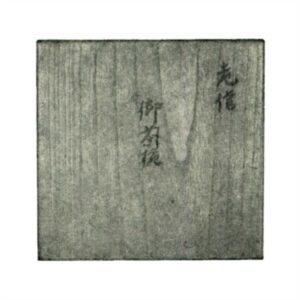
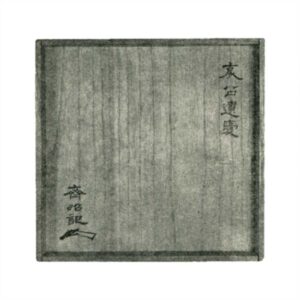
Accessories: Inner box, paulownia wood with white lacquer finish, inscription by Furuta Oribe; outer box, paulownia wood with white lacquer finish, inscription on the underside of the lid by Tokugawa Nariaki of the Mito branch of the Tokugawa clan.
Provenance: Toyotomi Hideyoshi – Furuta Oribe – Edo Kaibo family – Mito Tokugawa family (during the Bunsei era) – Fujita family (1918).
Listed in: “Kokon Meibutsu Ruishu” (Collection of Famous Objects from Ancient and Modern Times), “San-satsu-mono Furoku” (Appendix to the Three-Volume Collection), “Meibutsu Chawan Shu” (Collection of Famous Tea Bowls), “Taisho Meiki Kan” (Guide to Famous Artifacts of the Taisho Era)
Dimensions
Height: 7.8–8.3 cm, Mouth diameter: 14.4–14.9 cm, Foot diameter: 6.4 cm, Foot height: 1.7 cm, Weight: 375 g
Owner: Osaka Fujita Museum of Art
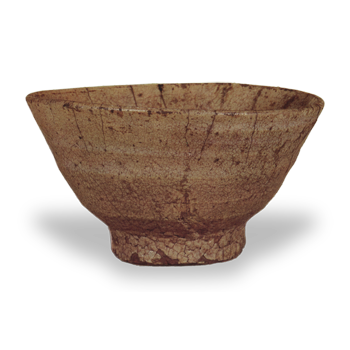
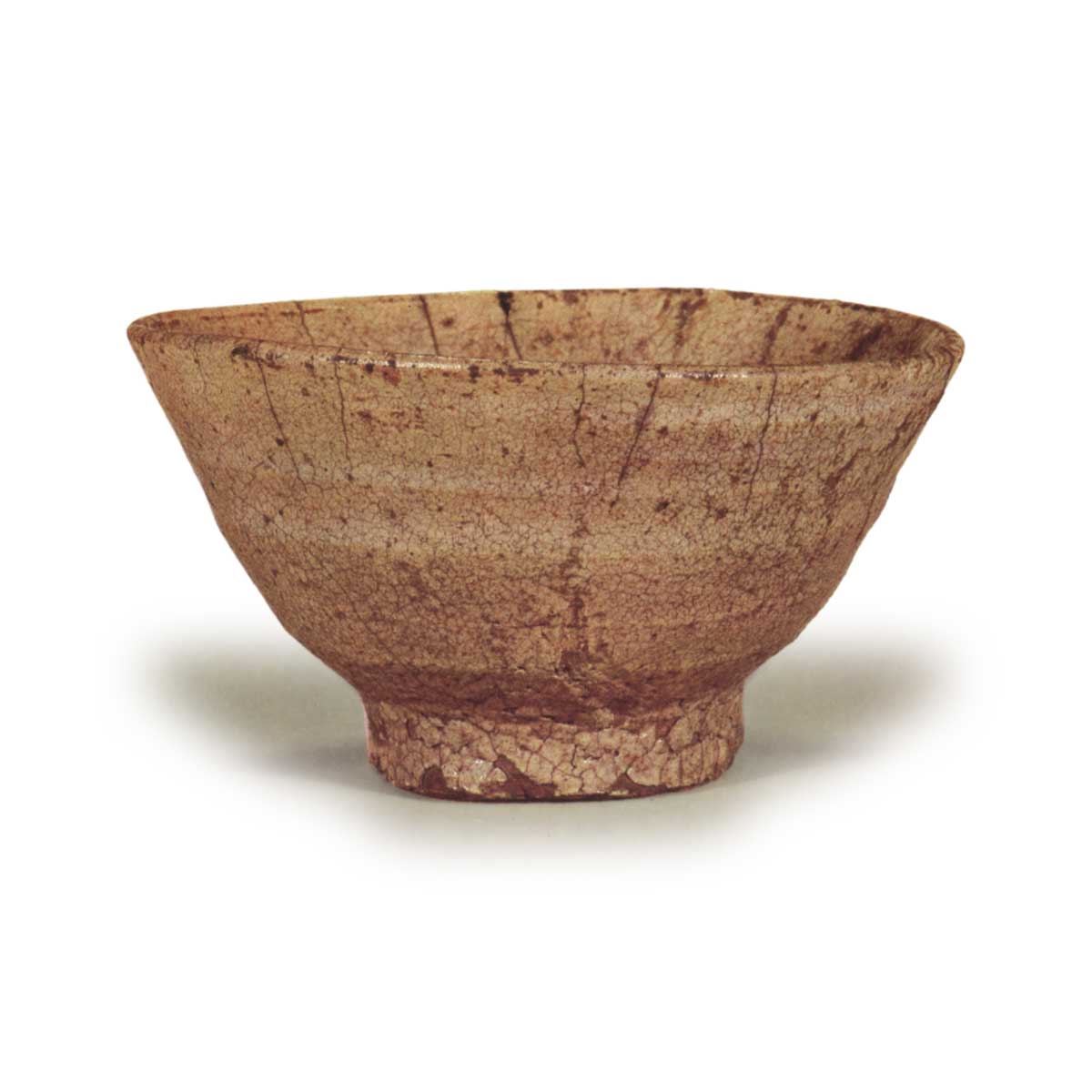
Well tea bowls are said to be the essence of yubi tea bowls, but among them, the most austere is always considered to be the ancient well bowl, surpassing even the renowned masterpieces. What makes it so austere?
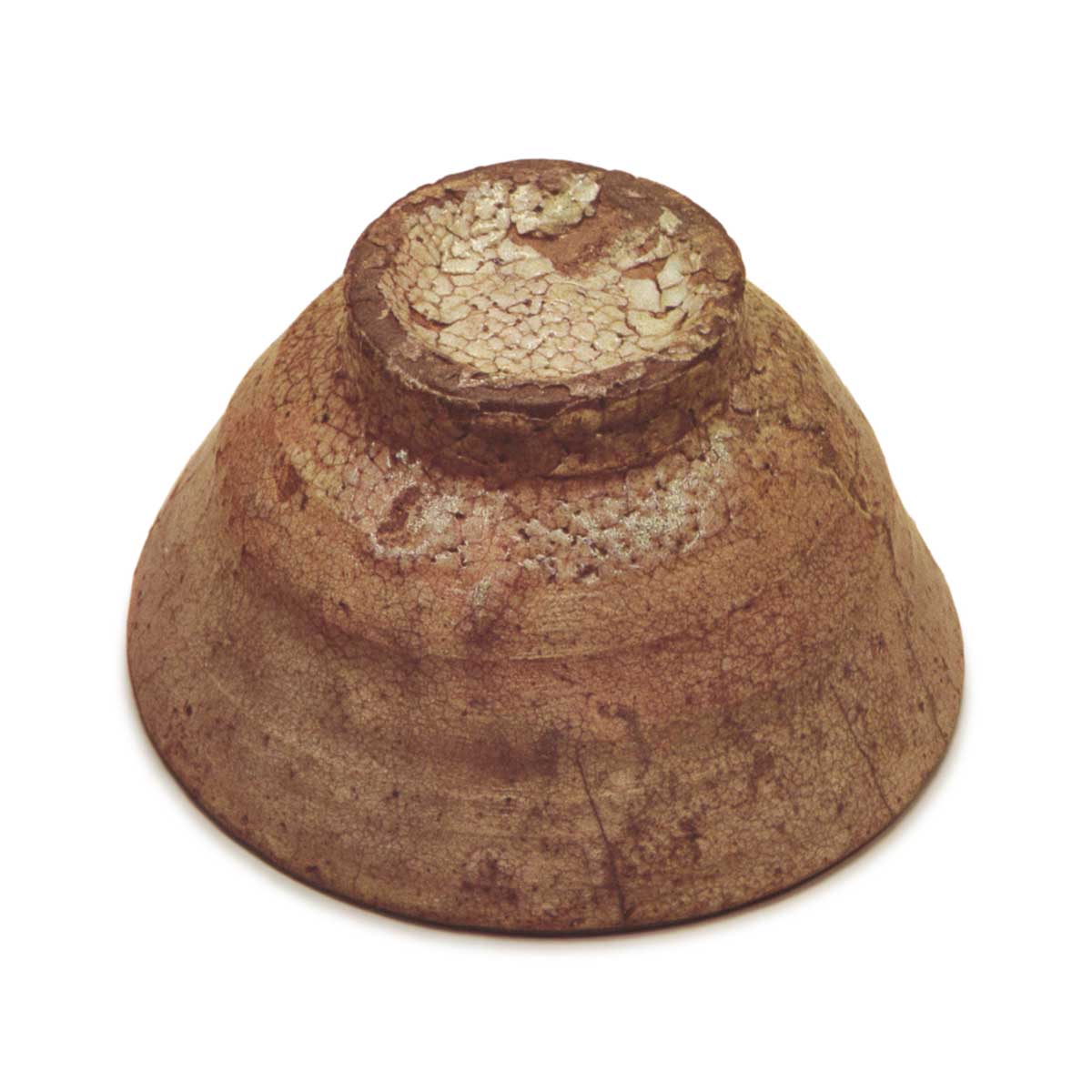
In the large well-shaped tea bowls, the first thing that catches the eye is their large, imposing form, and there are many features that are considered highlights, such as the wheel marks on the bowl body and the bamboo-jointed foot. However, this “old monk” has a rough, unfinished appearance, with no such highlights as the large well-shaped bowls, and is nothing more than a simple, unadorned design. Nevertheless, the glaze, which has a deep, ancient patina, exudes an unparalleled elegance, evoking the austere, world-weary aura of an old Zen monk who has shed all worldly concerns. Perhaps only a true connoisseur who has mastered this art form can truly appreciate its value. It is said that Furuta Oribe, who was known for his preference for flashy designs, personally inscribed the box and treasured this piece, which makes one realize once again the greatness of Oribe’s character.
Inner box: Paulownia wood — Inscription by Furuta Oribe
Outer box: Paulownia white wood — Lid inscription by Mito Tokugawa Nariaki