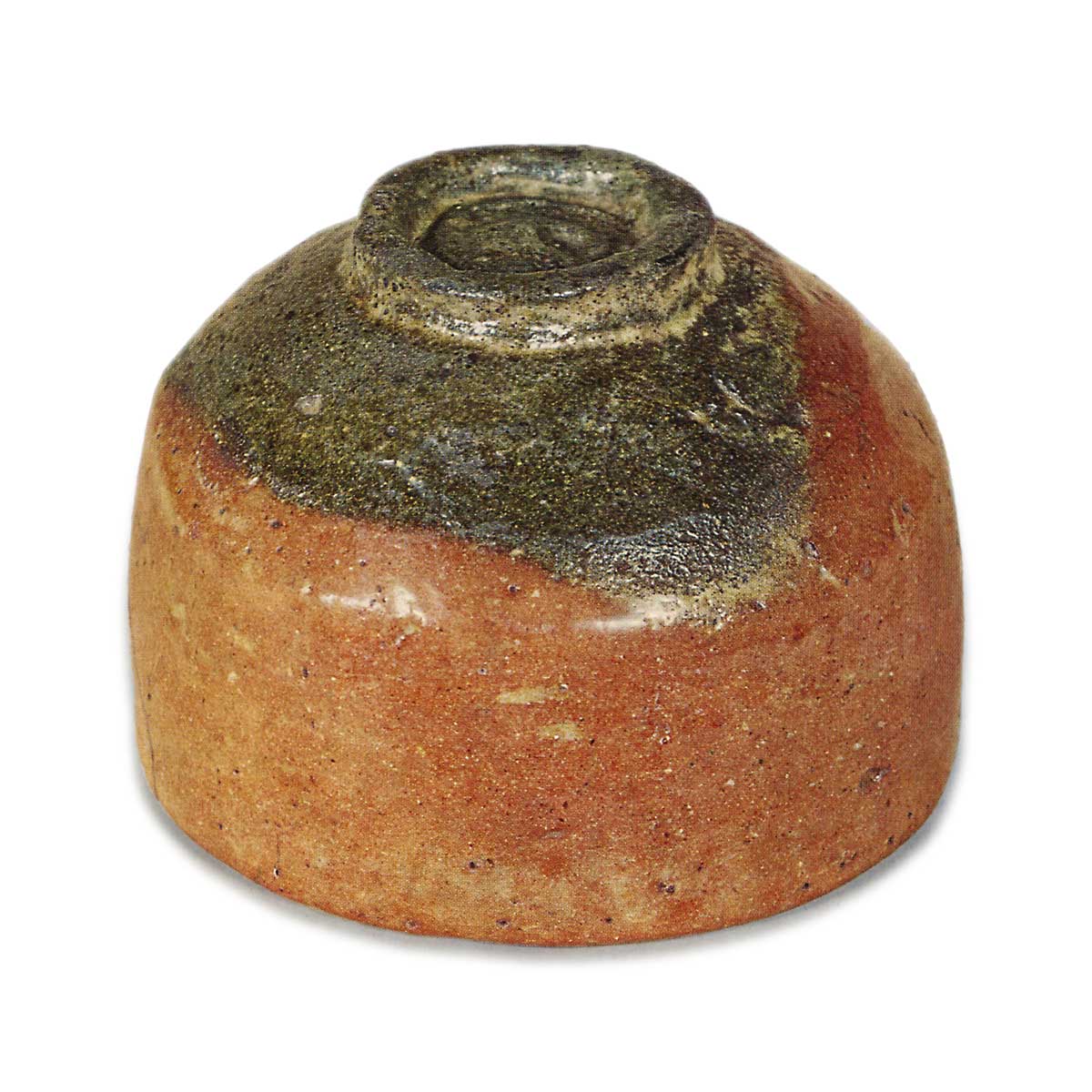
Akagura, Rikyu Seven Varieties, Famous Item, Important Cultural Property
Accessories
Inner box, paulownia wood, label, inscription by Sen no Rikyu
Outer box, burnt paulownia and mulberry wood with metal fittings, label, Yagura Chikaku
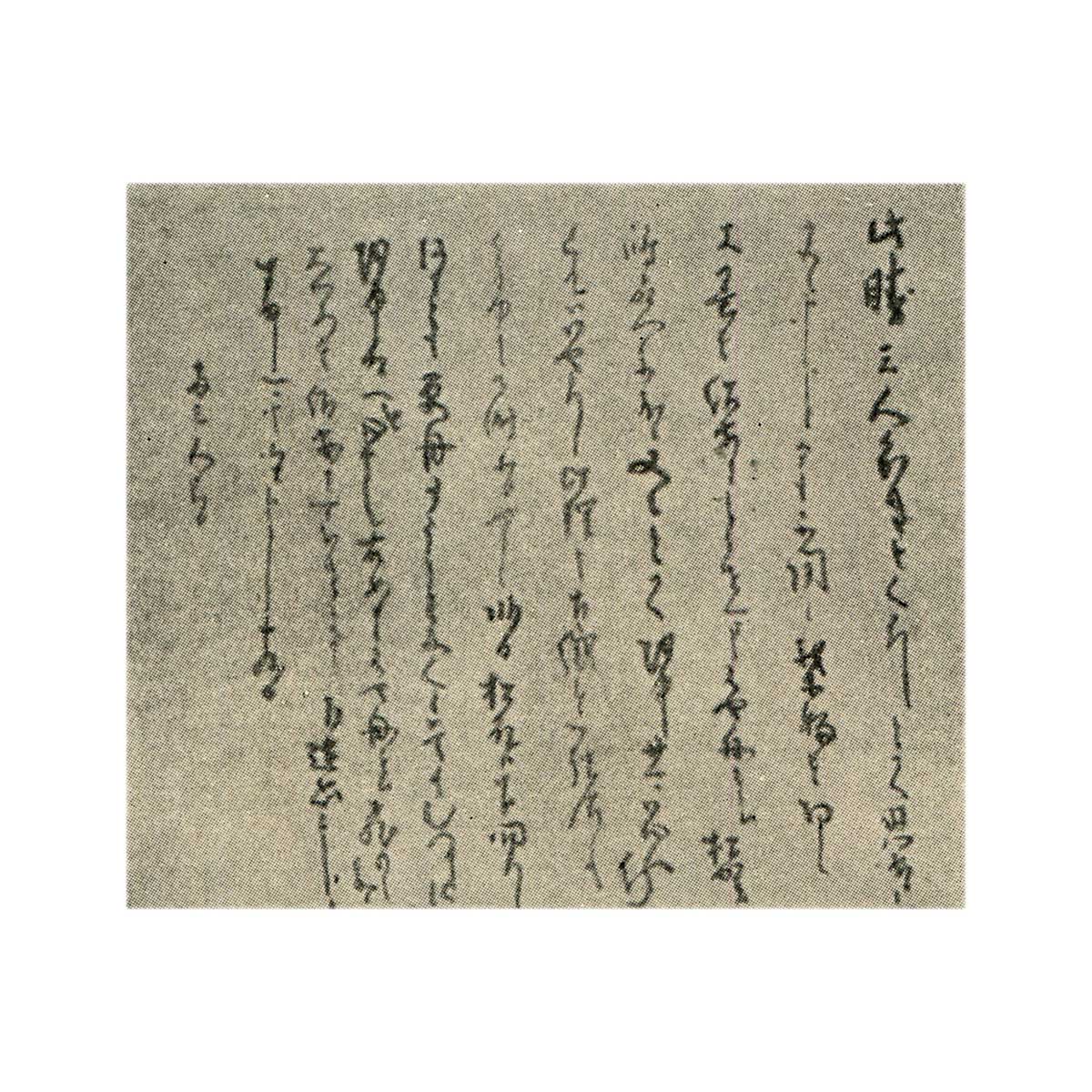
Cover, Rikyu’s path, accompanying letter, one piece, accompanying hanging scroll, one piece: Rikyu’s writing
Provenance
Sen Rikyu – Kambara Ujisato – Kyoto, Oomono-ya – Kikyo-ya – Yagura Family – Toda Ryu-in (Tea Classic Compilation, Hayafune Lineage) – Kameda Kiyosada – Fujita Family – Ohara Family – Hatakeyama Family
Listed
Collection of Famous Objects from Ancient and Modern Times, Sen Family’s Revival of Famous Objects, Inner-fired Kiln by Chōjirō, Collection of Tea Ceremony Utensils, Tea Utensils: Names and Forms by Tomonaga Gen, Study of Japanese Pottery by Ii Naosuke, Leisurely Tea Talks, Collection of Tea Utensils, Record of Efforts, by Inagaki Kyūsō, Miscellaneous Talks by Matsukaze, Miscellaneous Notes from a Leisurely Window, Collection of Famous Tea Bowls by Rakuyaki, Kusama KazRakucho, Tea Utensil Masterpieces Illustrated, Fujita Family Utensil Catalog, Taisho Masterpiece Guide
Dimensions
Height: 7.8–8.1 cm, Mouth diameter: 11.3 cm, Height: Base diameter: 4.7 cm, Same height: 0.7 cm
Owner
Tokyo, Hatakeyama Memorial Museum
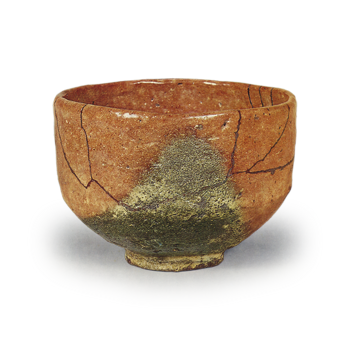
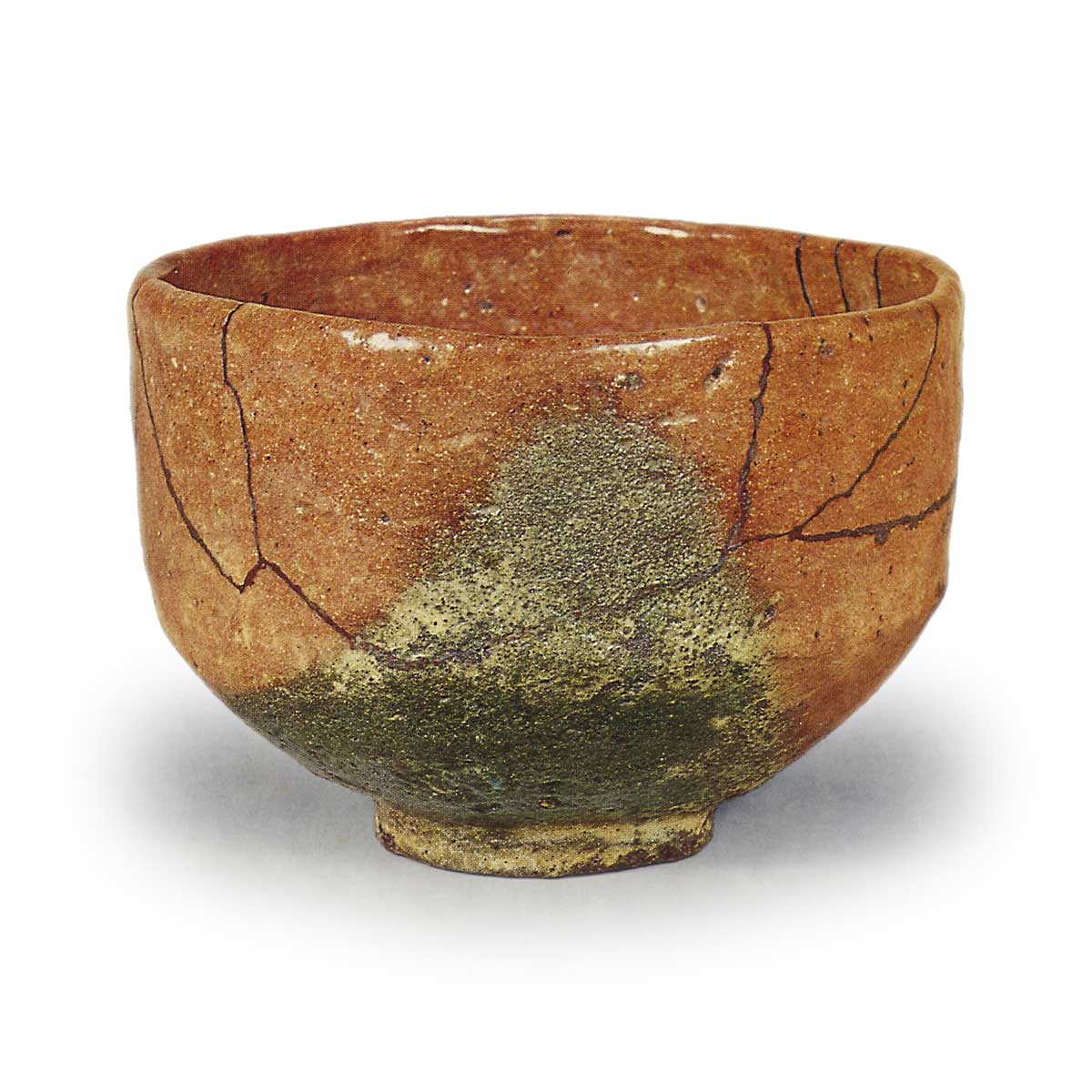
This is one of the three surviving bowls (the others are “Daikoku” and “Tōyōbō”) among the seven bowls inscribed by Rikyu, and the only one in red, making it a rare and valuable Raku tea bowl by Chōjirō. There are letters from Rikyu dated around 1586 addressed to three people—Katsura Kiyomasa, Hosokawa Mitsunari, and Furuta Oribe—and a label with Rikyu’s inscription reading ‘Hayafune’ attached to it. Along with the “Daikoku” mentioned in the letters, this bowl is a representative example of Rikyu’s style.
The name “Hayafune” comes from the story that Rikyu had this bowl brought from Osaka to Kyoto by fast boat. This piece exemplifies Nagajiro’s typical style, with a gentle form that conceals a profound depth, well embodying Rikyu’s aesthetic preferences.The red clay is covered with a slightly glossy, translucent glaze, with white spots appearing in places. Part of the body, from the high point to the inside and outside of the base, features a blue-gray fire-change effect, creating a large pattern. The waist has brush marks, with two eyes on the high point of the base and five on the interior. Part of the body is cracked and repaired.