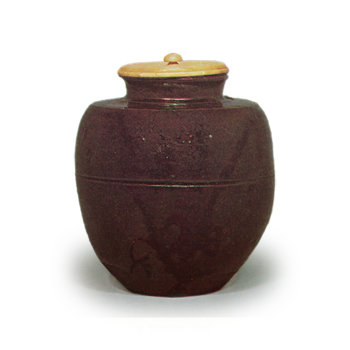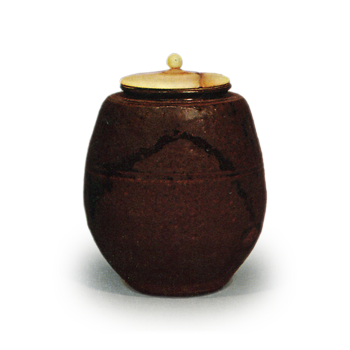
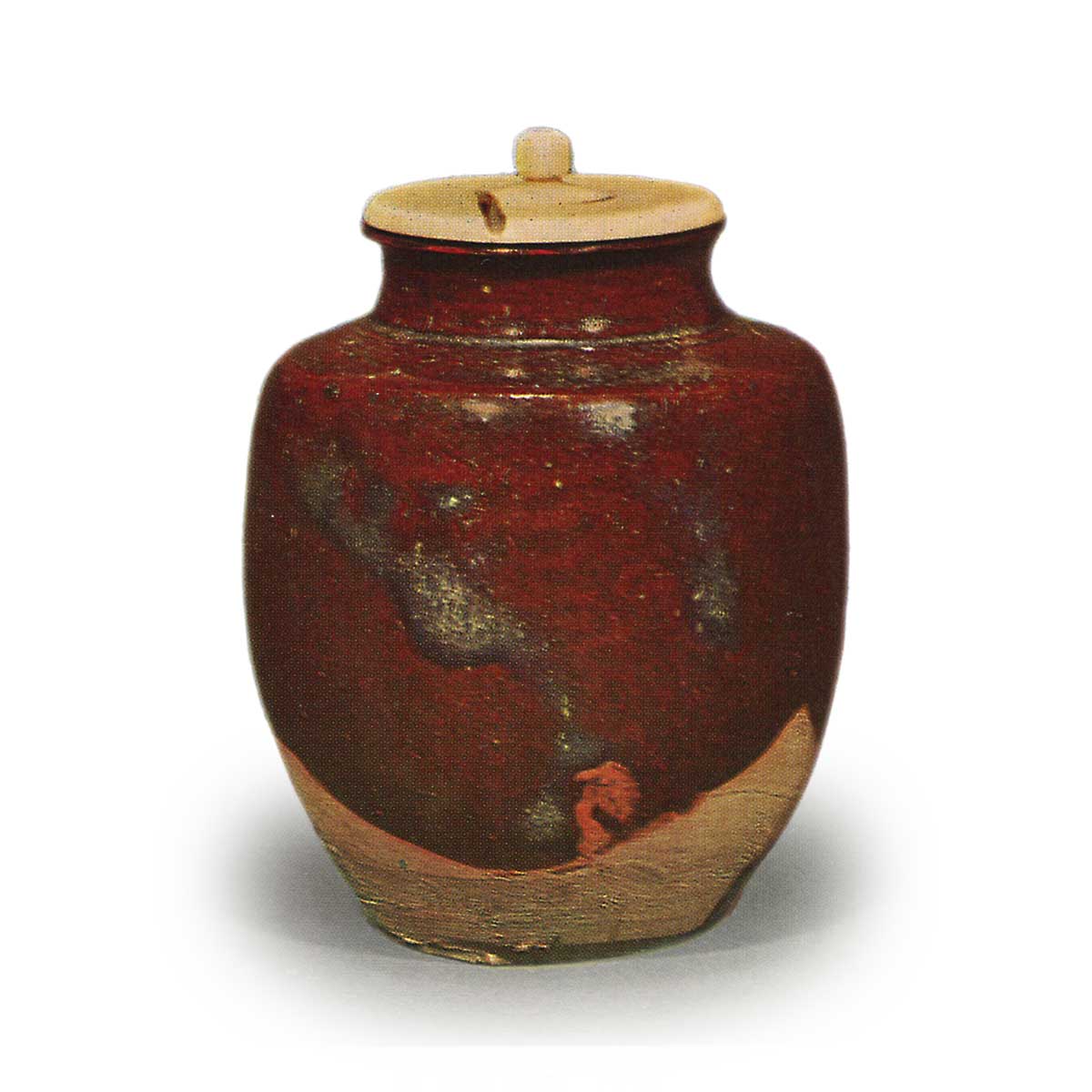
Chinese Daimeibutsu
Accessories
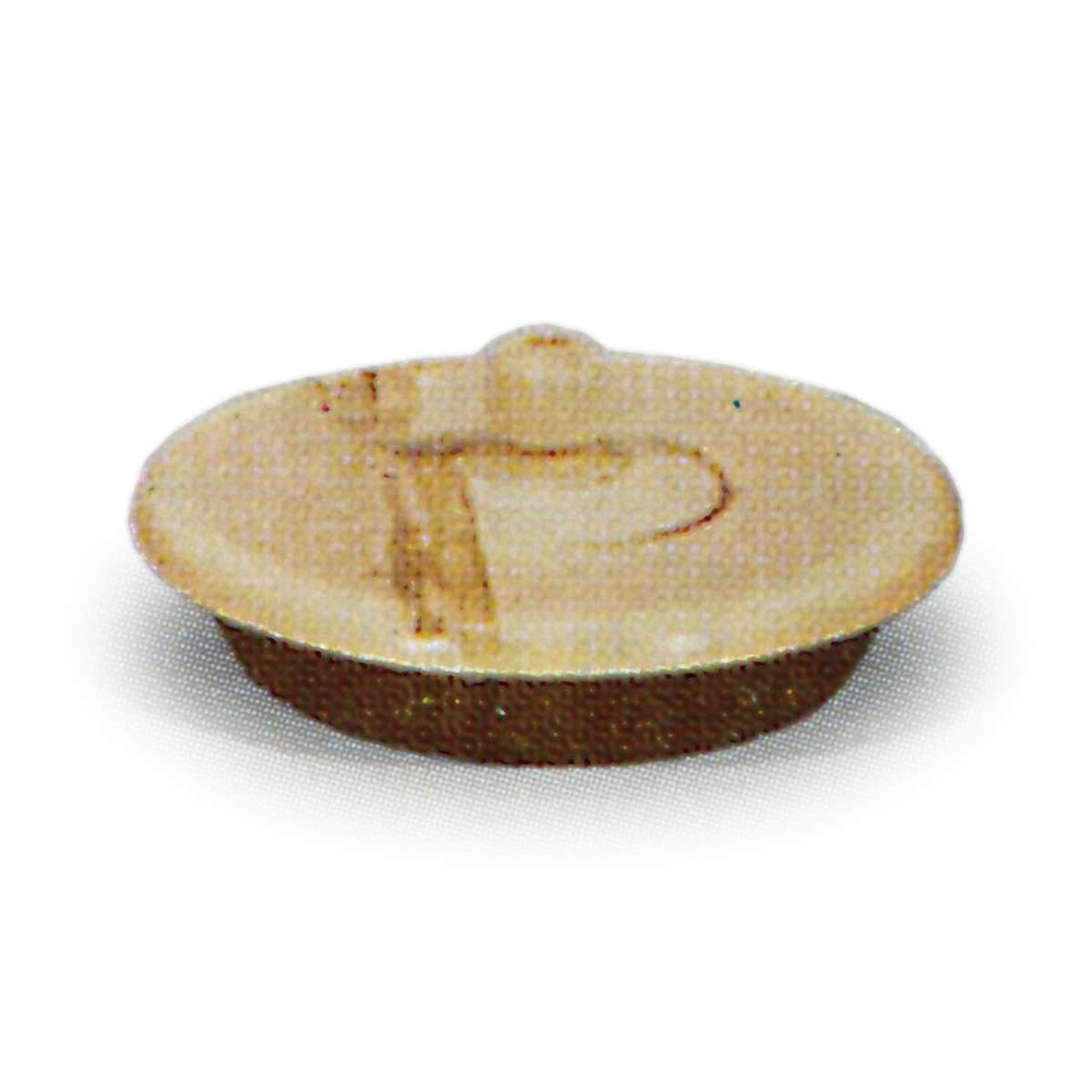
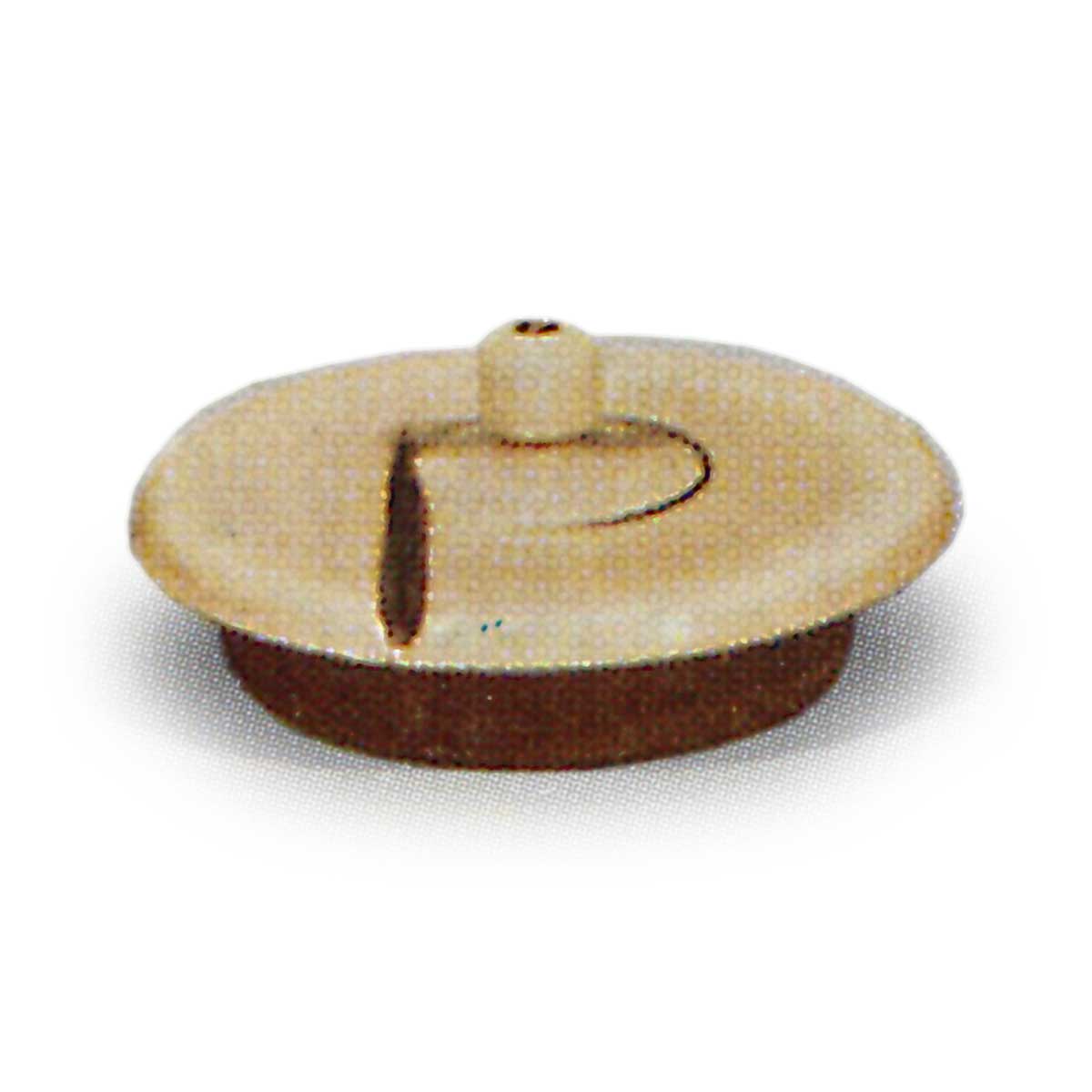
Two lids, nest
Lid box, white paulownia wood, inscription by Matsudaira Fumai
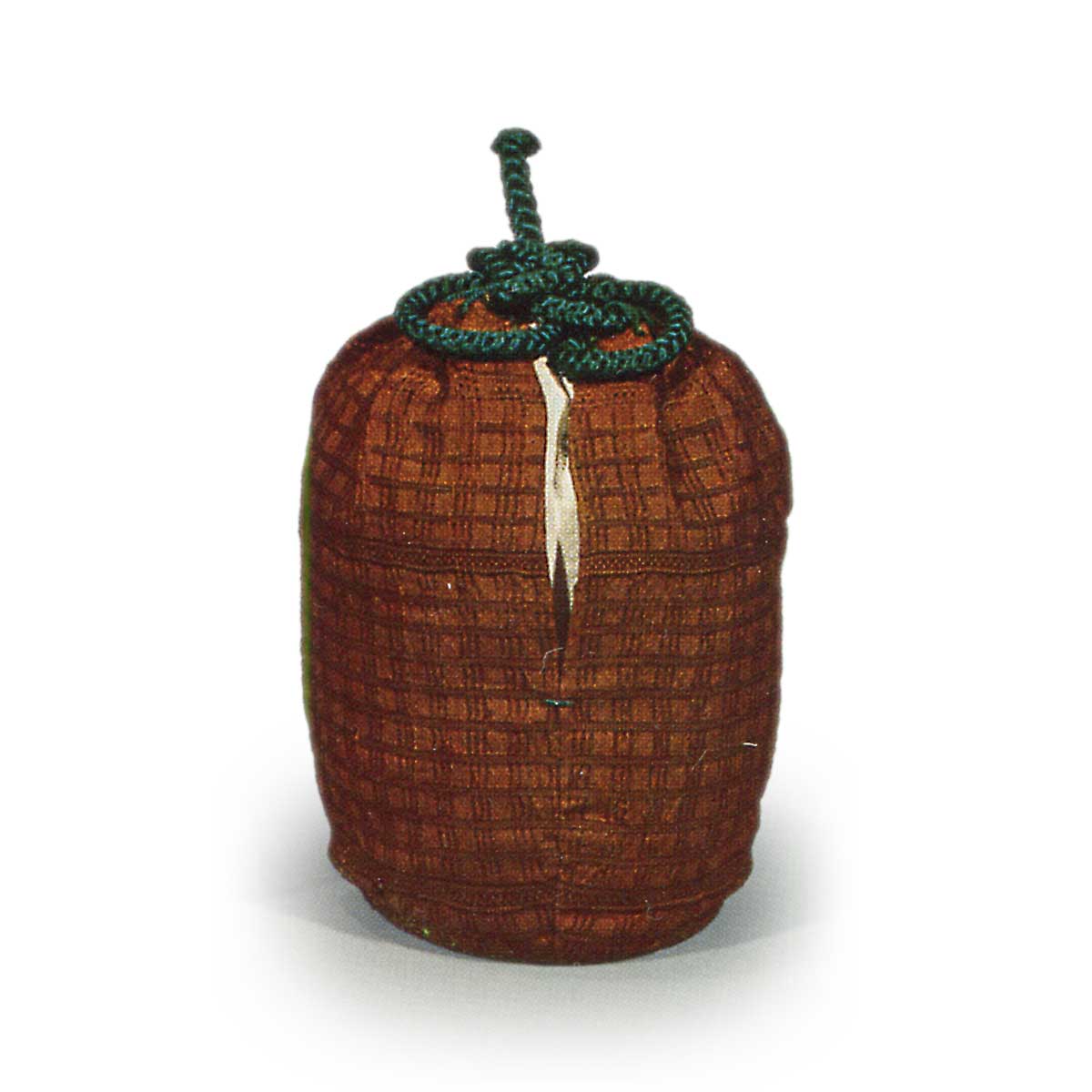
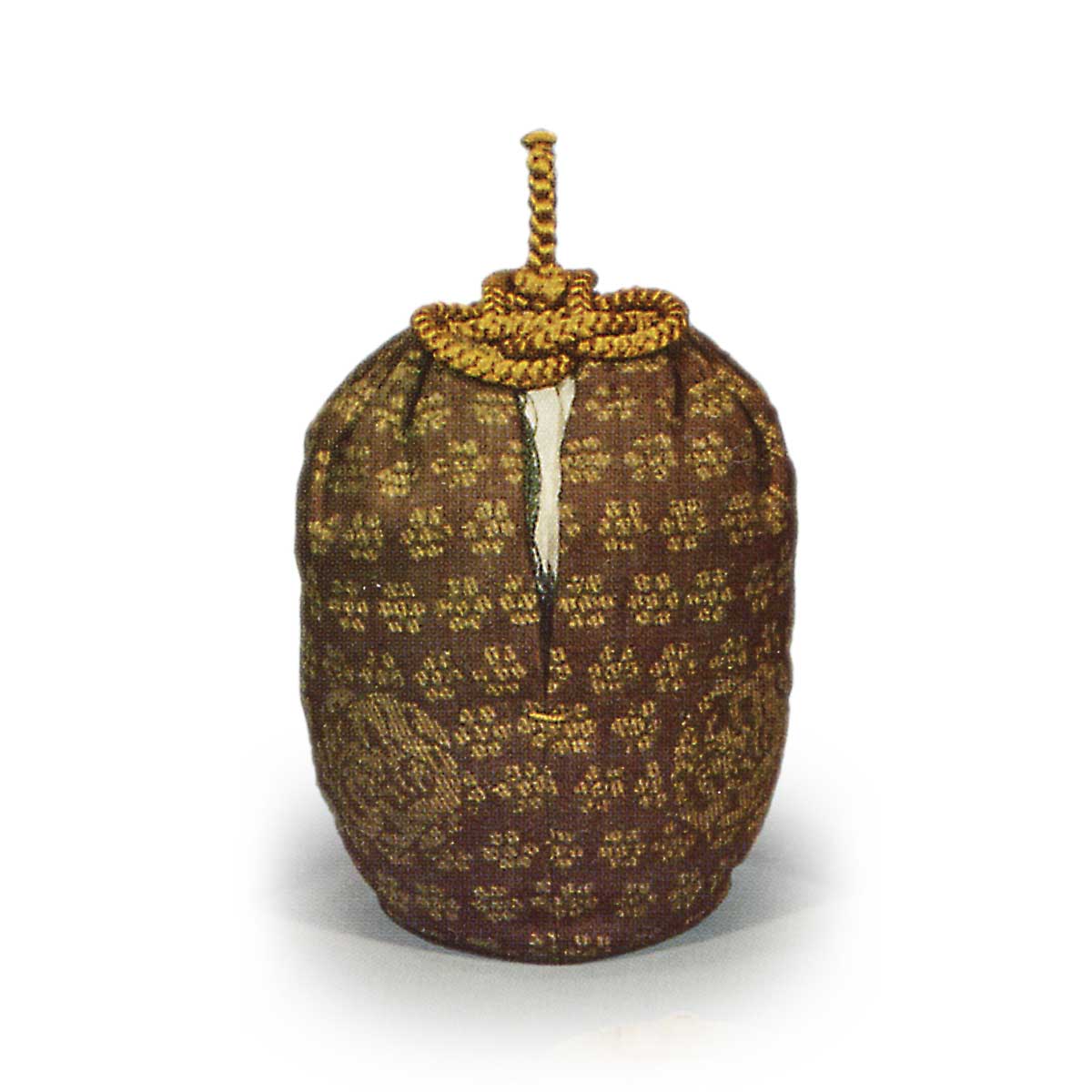
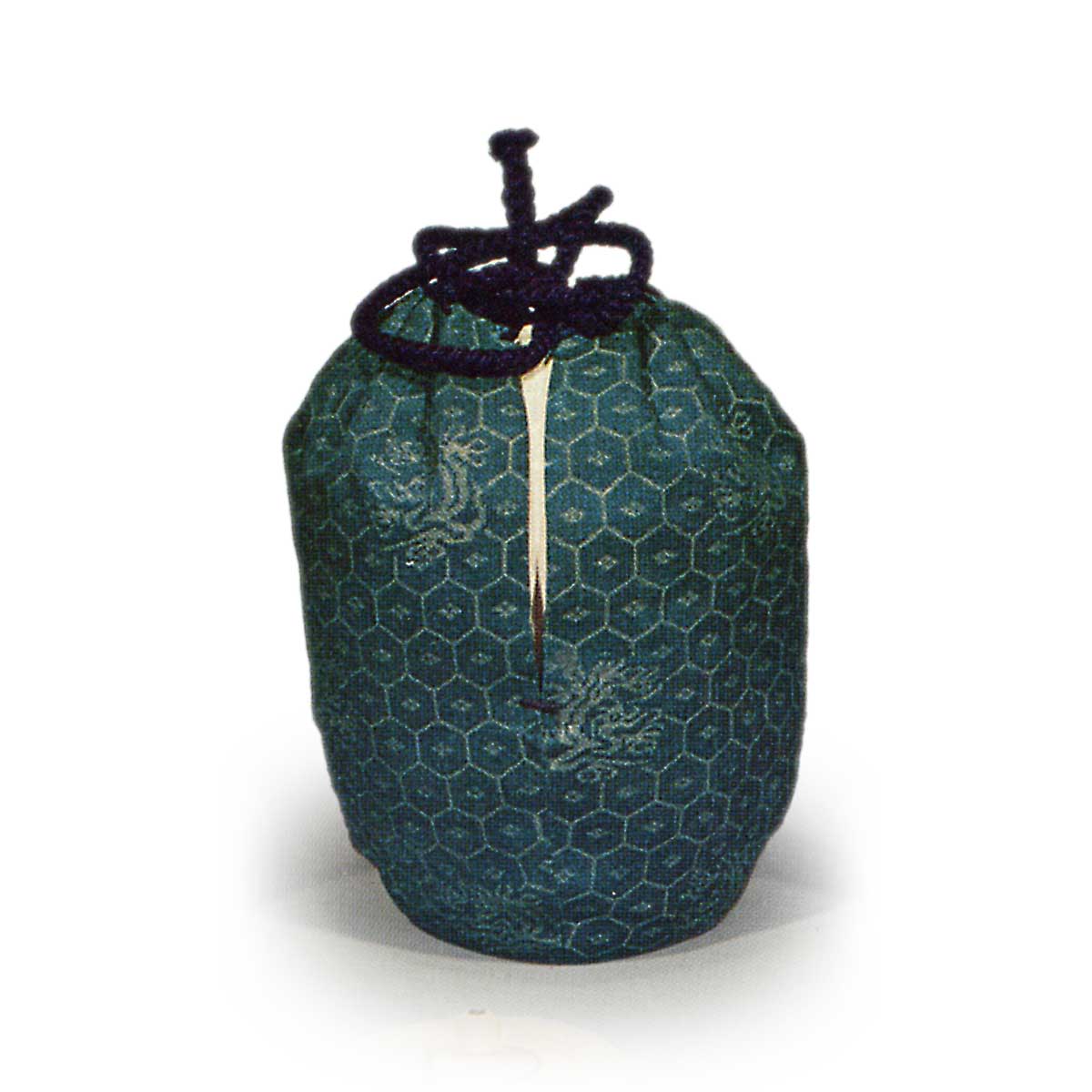
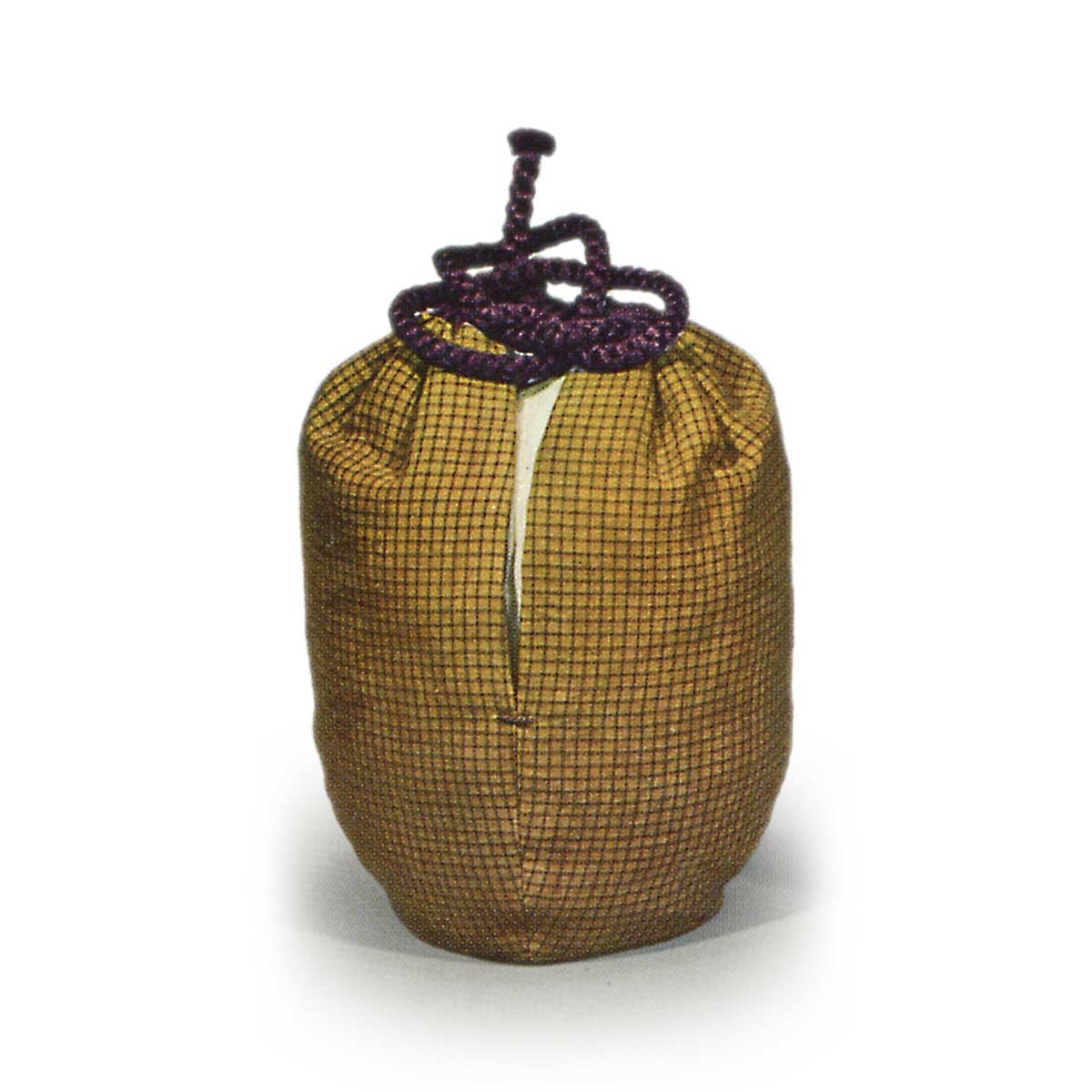
Four covers
Cover box, white paulownia wood, inscription by Matsudaira Fumai
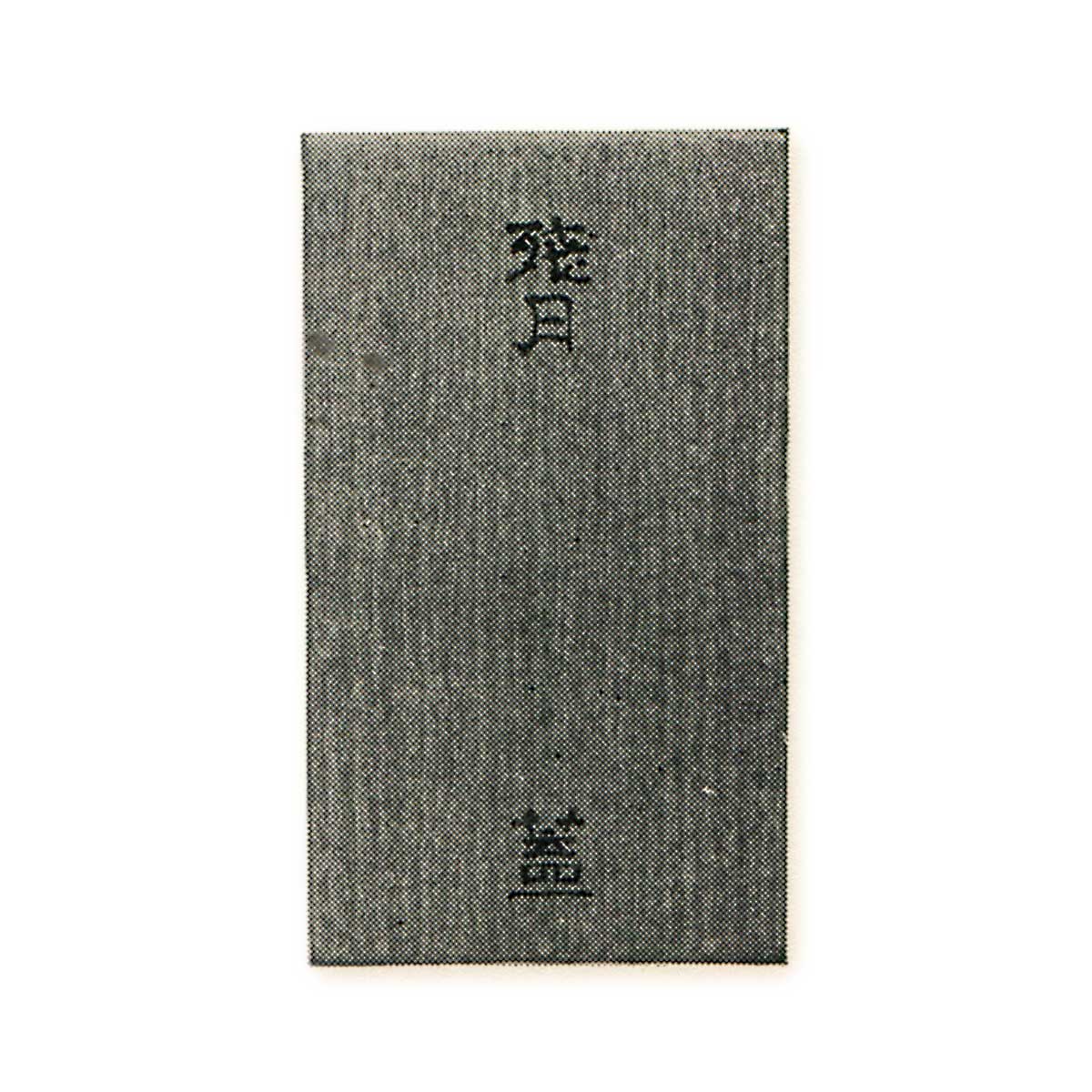
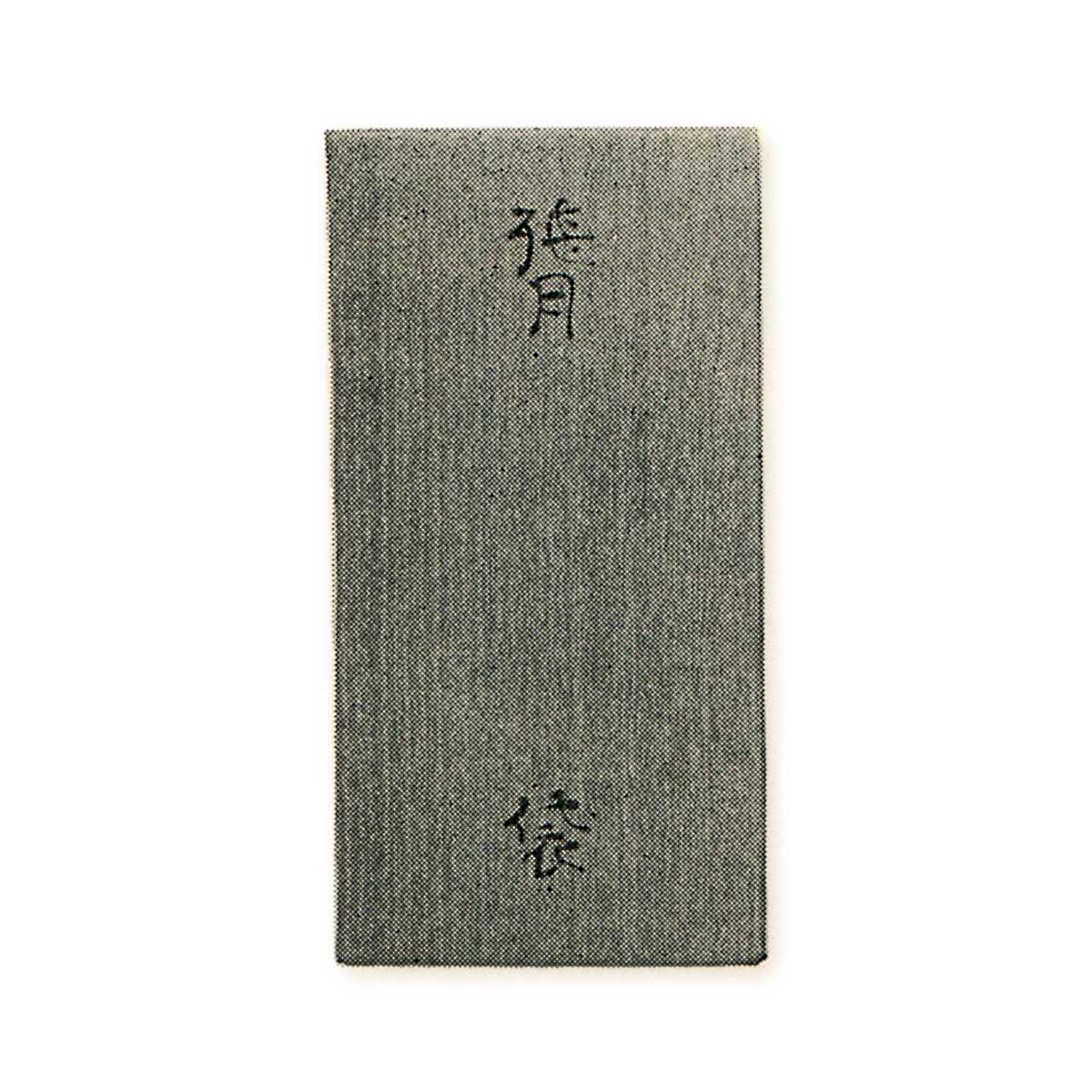
Hikake, mulberry, gold powder lettering, inscription, black square Haneda tray
Inner box, paulownia lacquer, with lock
Outer box, paulownia, white wood
Transmission
East Mountain Imperial Collection—Oda Yurakusai—Maeda Toshiie—Tokugawa Ieyasu—Sakakibara Yasumasa—Sakakibara Tadakazu—Izumiya Rokuroemon—Matsudaira Fumai
Recorded
Sōtan Nikki, Yamagami Sōji, Chaki Meibutsu Shū, Kō Meibutsu Ki, Kanka Meibutsu Rui, Rinkō Kame Ryū, Matsumoto Kenkyū Manpō Shū, Kan’kyo Katsuhitsu, Matsudaira Fumai, Seto Toki Rankan, Chakin Meibutsu Ki, Gokyu Kyubun, Jitsujitsu Bun, Unshū Hōmotsu Denrai, Osaki-sama no DogūDaigo Techo, Matsudaira Fumai Den, Kokon Chayu Shu
Dimensions
Height: 8.2 cm, Mouth diameter: 4.0 cm, Body diameter: 6.7 cm, Base diameter: 3.9 cm, Weight: 90 g
This tea caddy was frequently viewed by the author at the Unshu family residence, and the author was also able to examine it closely. Additionally, the author has observed it in person at a tea ceremony hosted by the current owner.
Among Tang-style tea caddies, this is a unique and delightful piece.
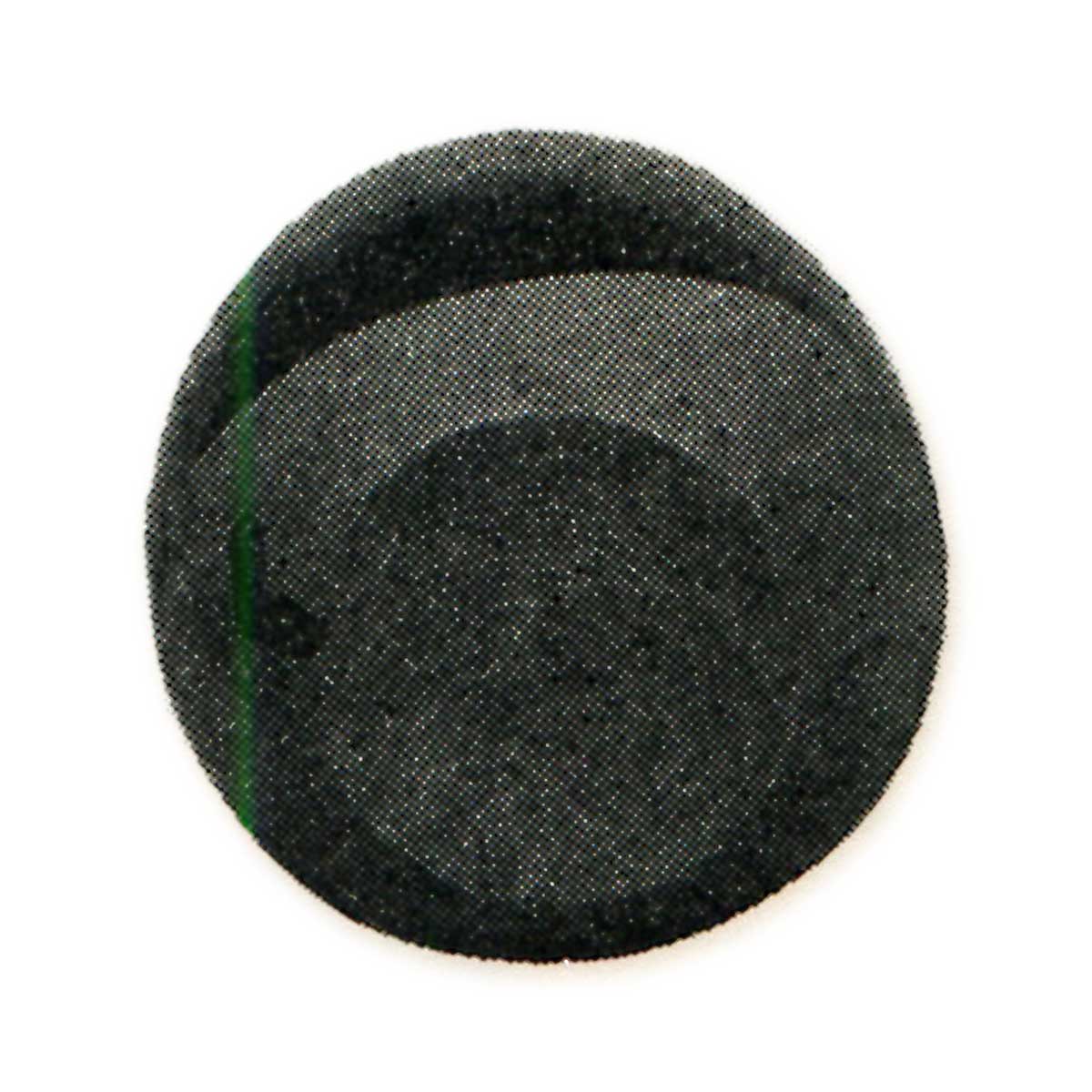
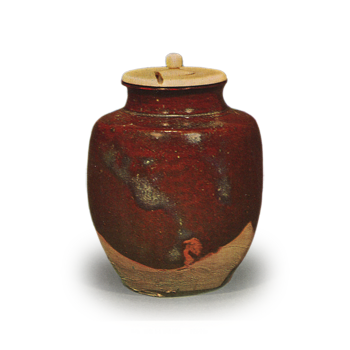
The shape is not too large, but rather medium-sized and easy to handle, with a truly elegant appearance. The glaze color is a vivid persimmon color, and in this illustration, the glaze flows down the sides, but on the back of the shoulder, there is a white glaze pool that resembles a crescent moon, which is said to be the origin of the name “Zangetsu” (crescent moon). It would also be interesting to view the crescent moon as a design element.
The glaze is applied in a gabled pattern, and the white clay is beautifully visible. It is thought that this may have been washed by Matsudaira Fumai, and it is truly a pleasure to look at, evoking a sense of comfort.