
Shin-Chuko, Yanagifujiro, Revival Meibutsu
Accessories
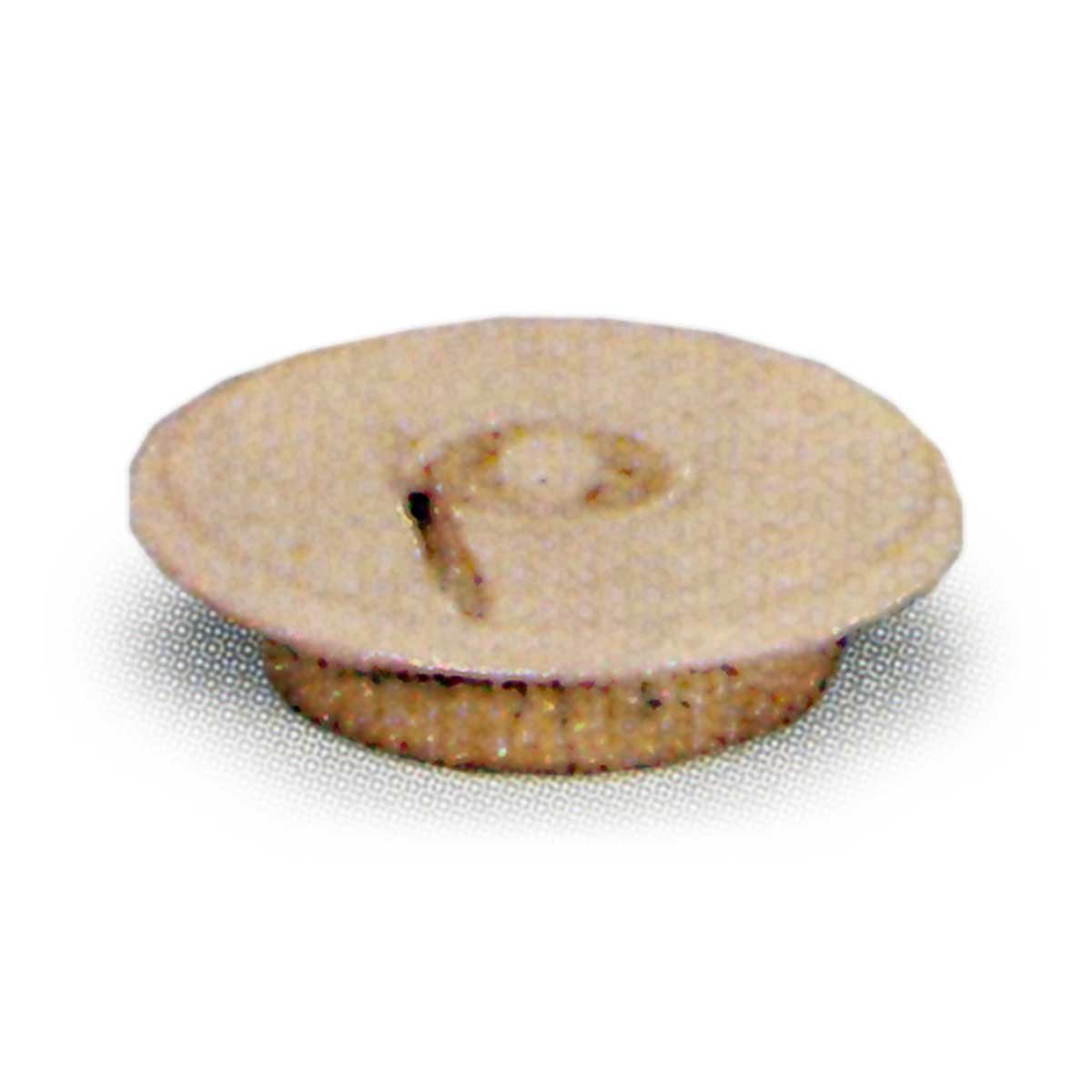
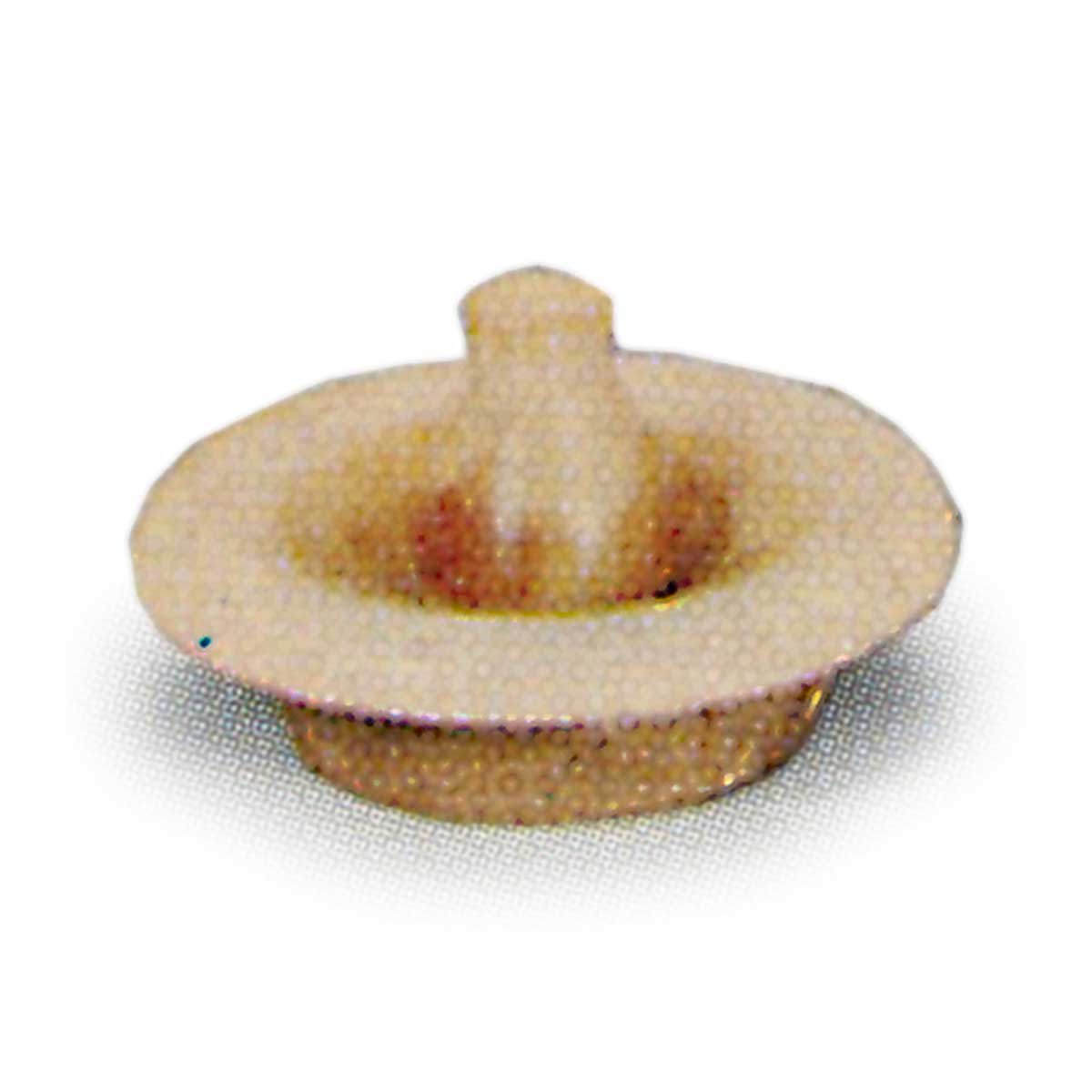
Lids: 2, Nest
Cover: 4
Hikiya: 1, Flower-Patterned Concave Carving with Green Patina Inscription, by Kobori Enshū
Box: Paulownia, Black Scraped Lacquer, Gold Powder Lettering, Inscription by Kobori Enshū
Provenance
Kobori Enshū → Tsuchiya Sagami-no-kami → Matsudaira Shudō-no-kami I, Himeji → Sakai Family → Masuda Don’ō
Recorded in
Record of Meibutsu Tea Utensils by Yoshimasu Kōen; Illustrated Tea Containers; Enshū Hyakukai; Kobori Family Heirloom Utensils; Kobori Family Utensils Outing Register; Editor Unknown; Kyoho 11th Year Memorandum by Matsuyama Seika; Tsurezure no Tomo; Tokyo Tea Gathering Records, First Collection, Volume 1; Taisho Meiki Kankō
Dimensions
Height: 5.8cm Mouth Diameter: 3.0cm Body Diameter: 7.1cm Base Diameter: 4.2cm Weight: 140g
This tea caddy is read as “Spring Mountain Frog Song.” The name is inscribed as a split inscription on the Hikiya and the box inscription.
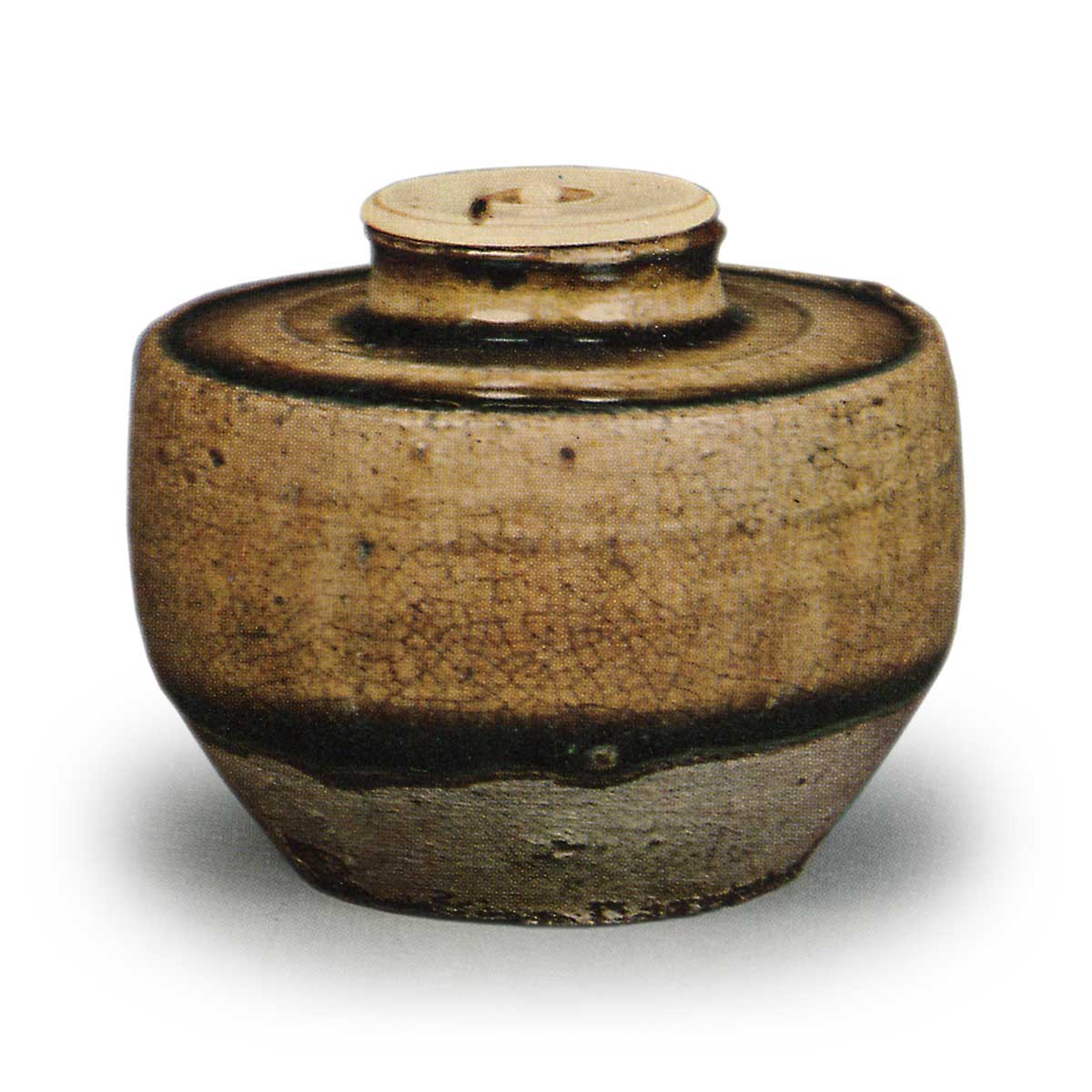
It is said that kilns of the early Muromachi period pioneered the yellow Seto glaze, but it is rare to see it on a tea caddy; this caddy is the only known example.
Its shape is flat-shouldered and tapered, perfectly proportioned and possessing dignity. The glaze is entirely yellow water glaze, with black accumulations at the rim, shoulder line, and glaze hem, creating a rare and striking appearance.It displays the characteristic fine, white clay of Seto kilns. Its shape, clay, and glaze are unparalleled, suggesting it may be a precursor to the yellow Seto ware that emerged in the later Momoyama period.
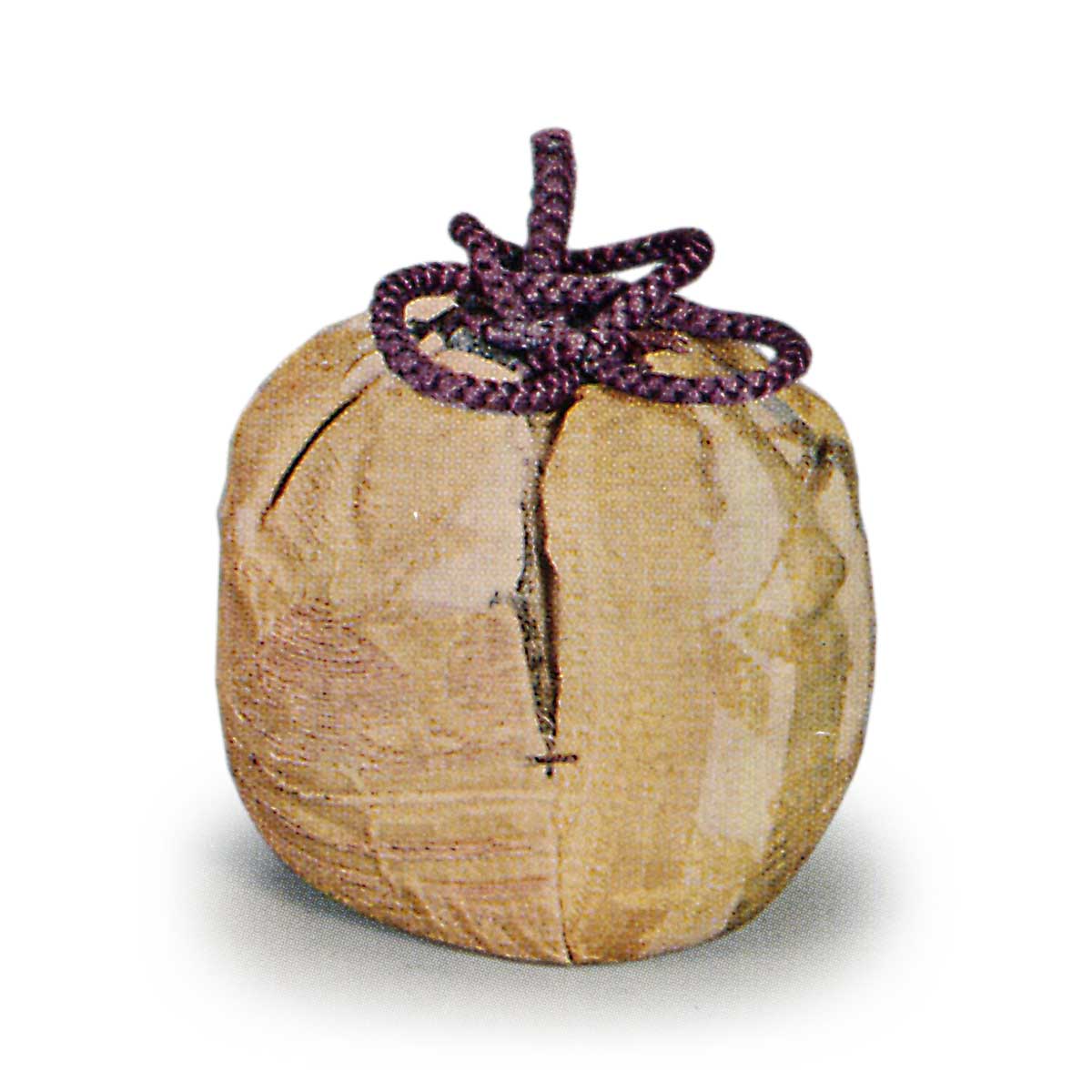
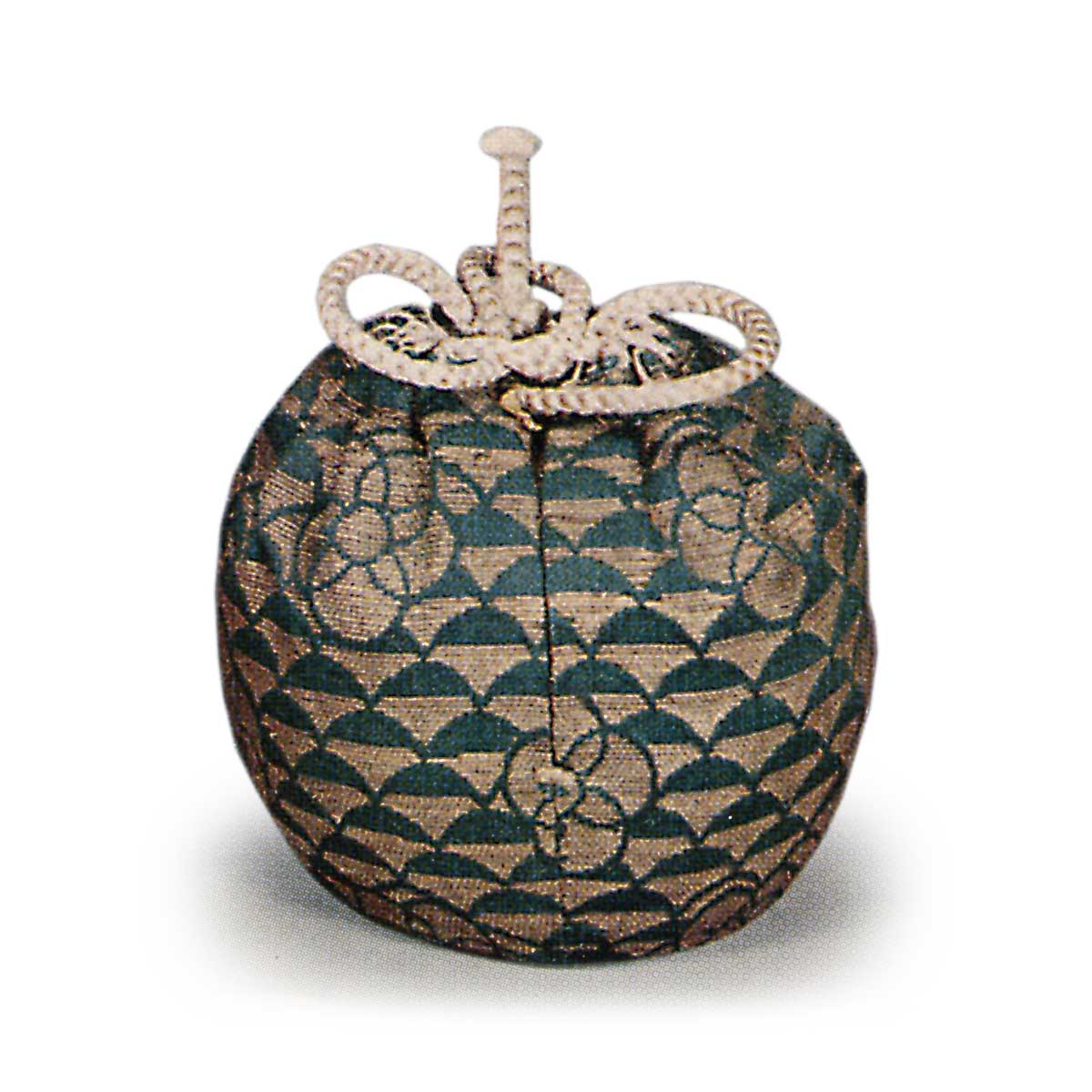
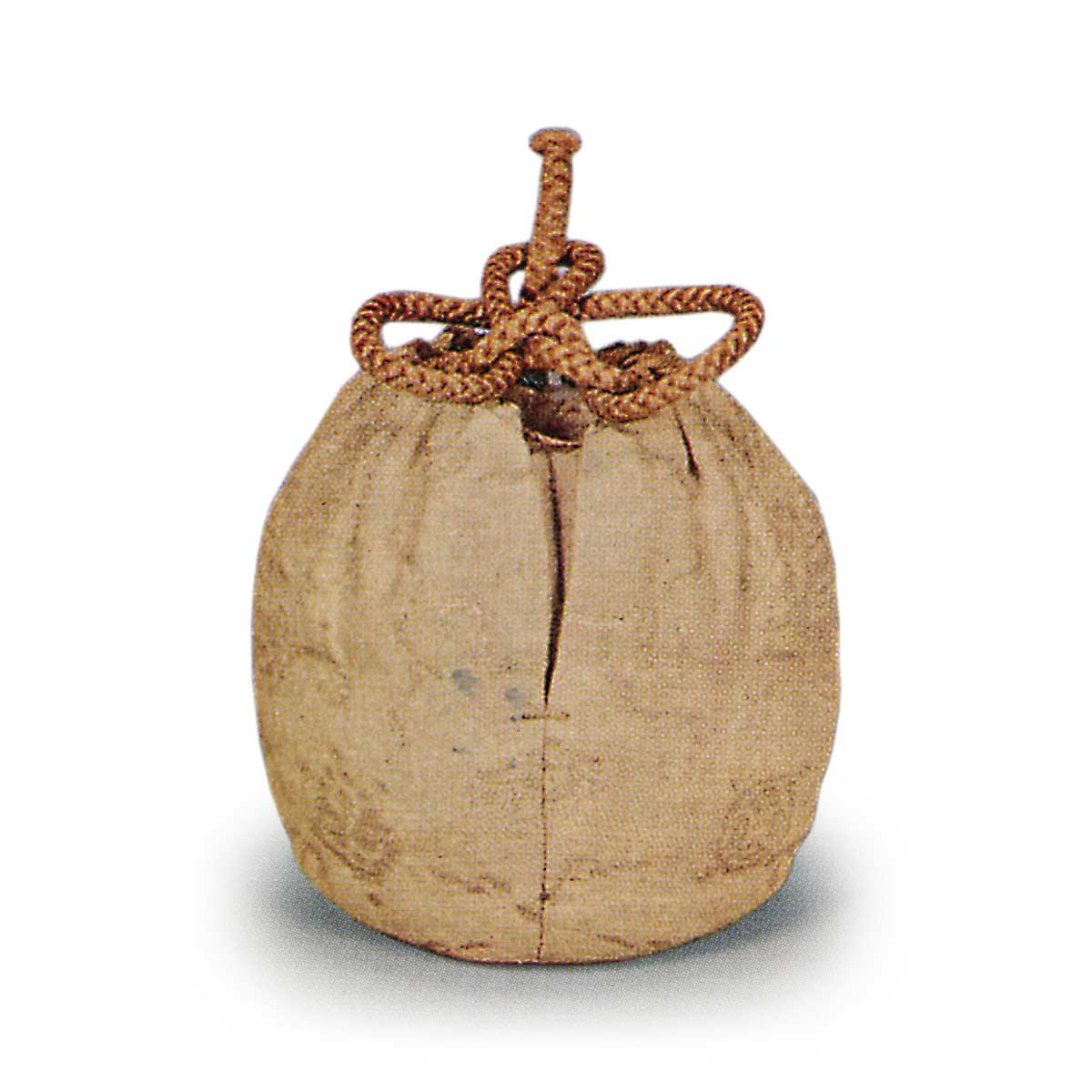
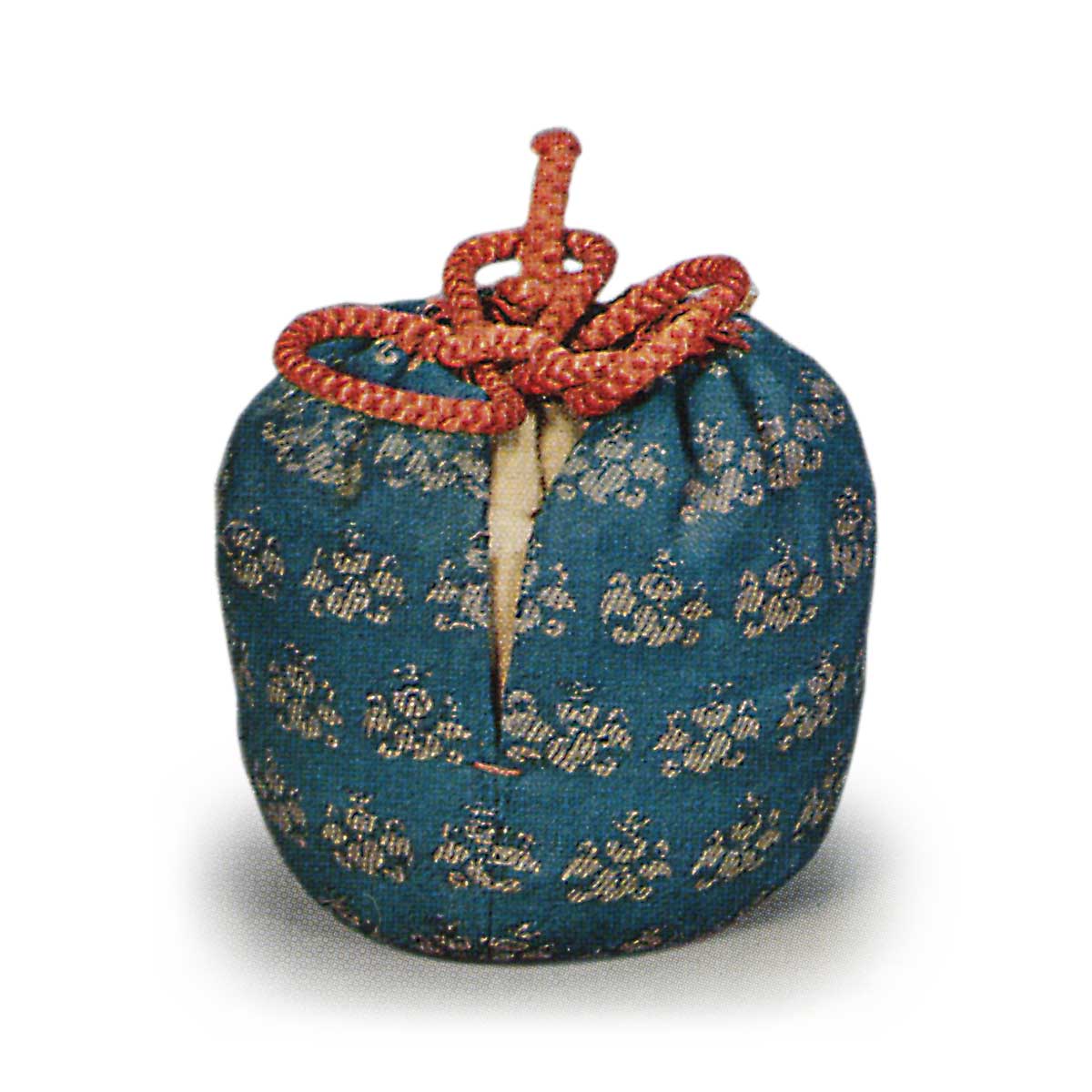
It comes with four fukuro (dust covers). All appear to be based on the Enshū-iro (Enshū-colored) style.
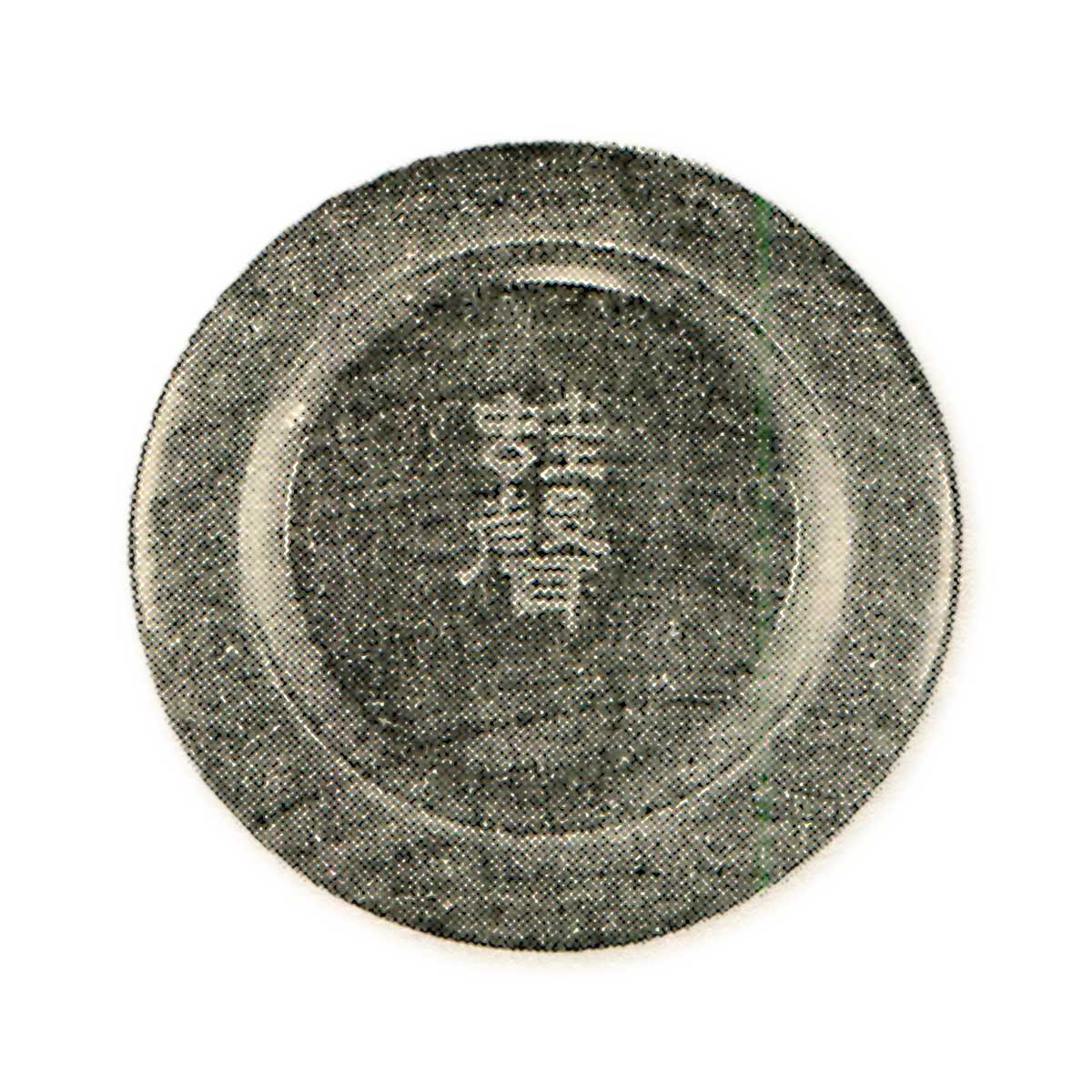
Inscription by Enshu Kobori
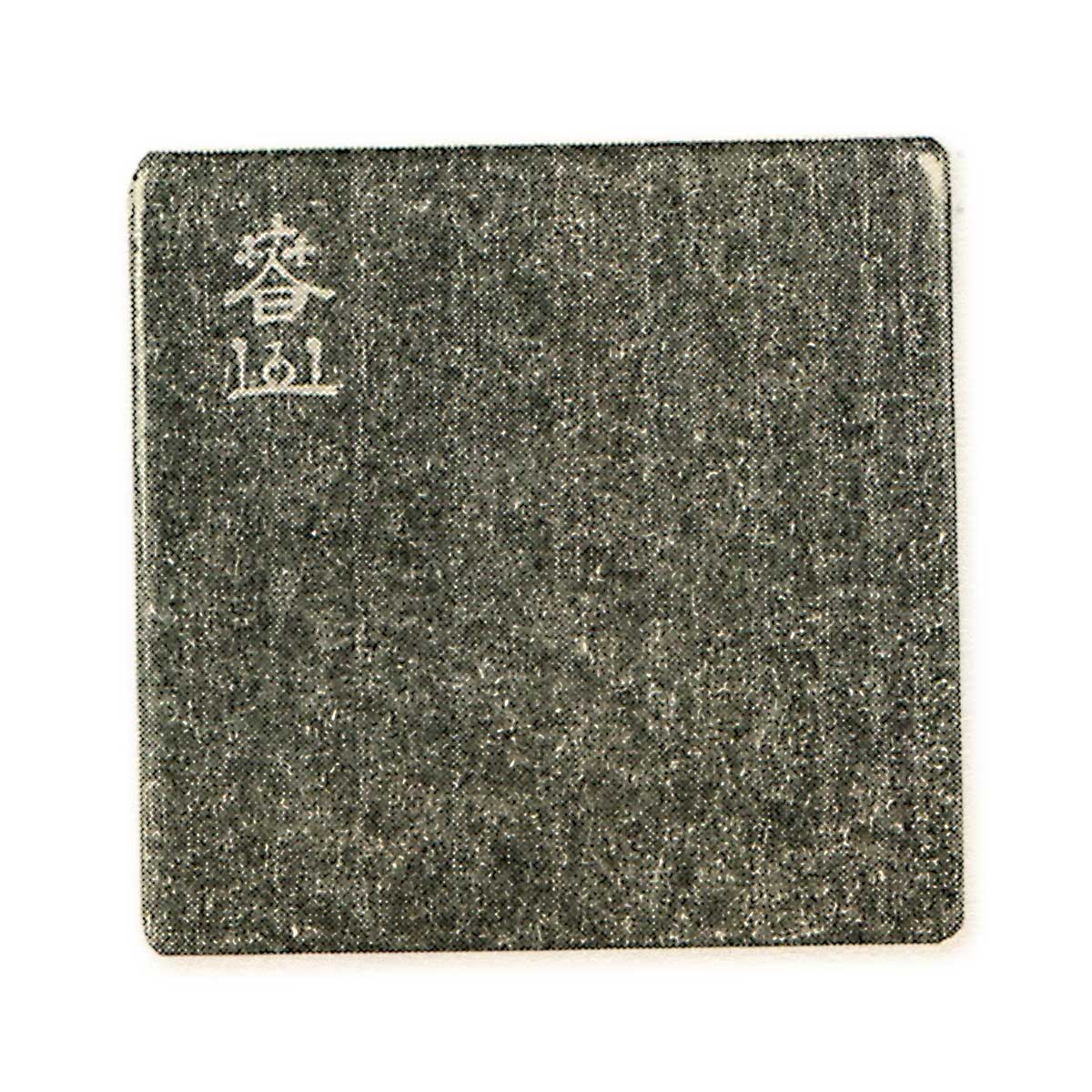
Inscription by Enshu Kobori

