Kinkasan Ōtsu Model Song, Revival Meibutsu
Accessories
Lid x1, Nest, Lid Box, White Paulownia Wood, Inscription by Matsudaira Fumai
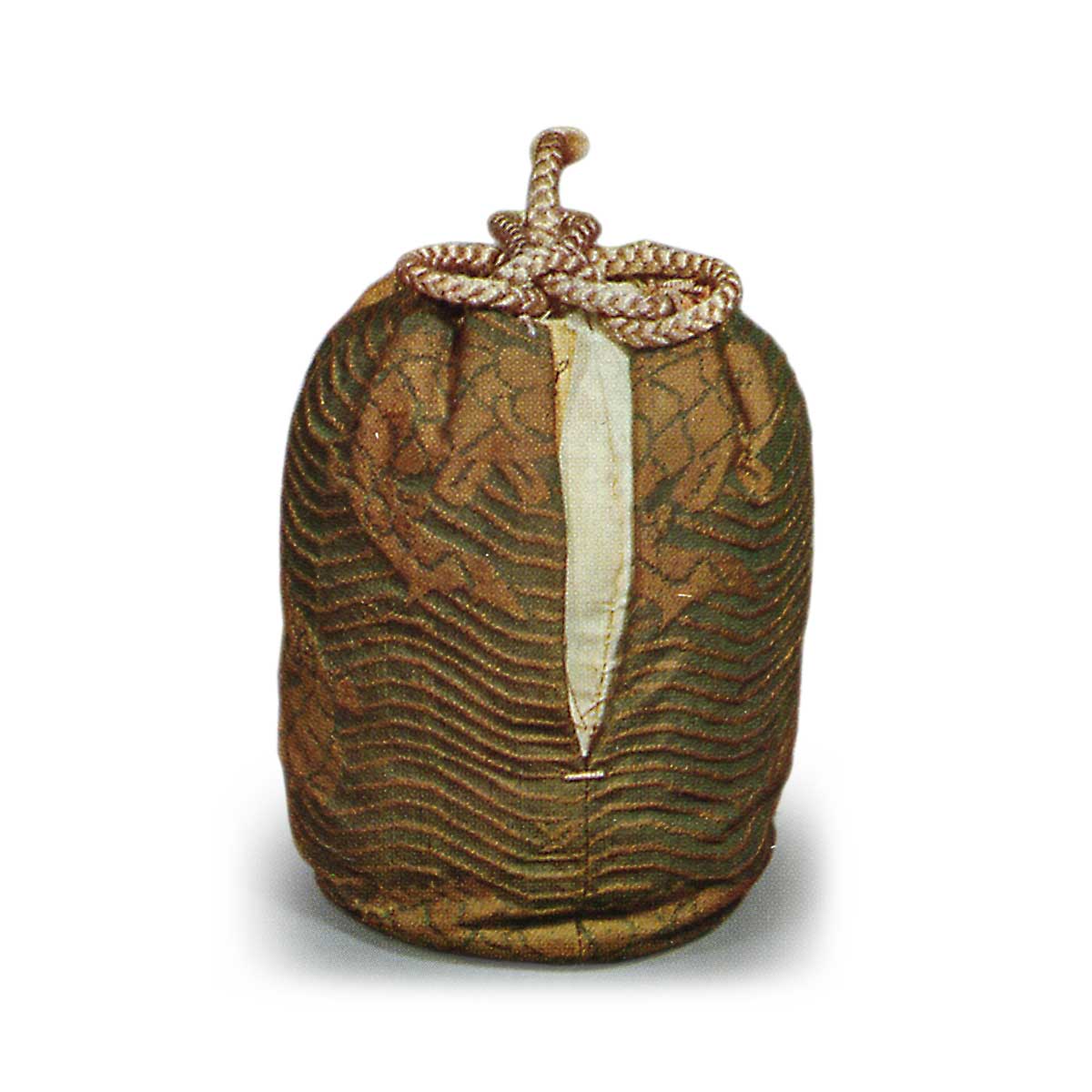
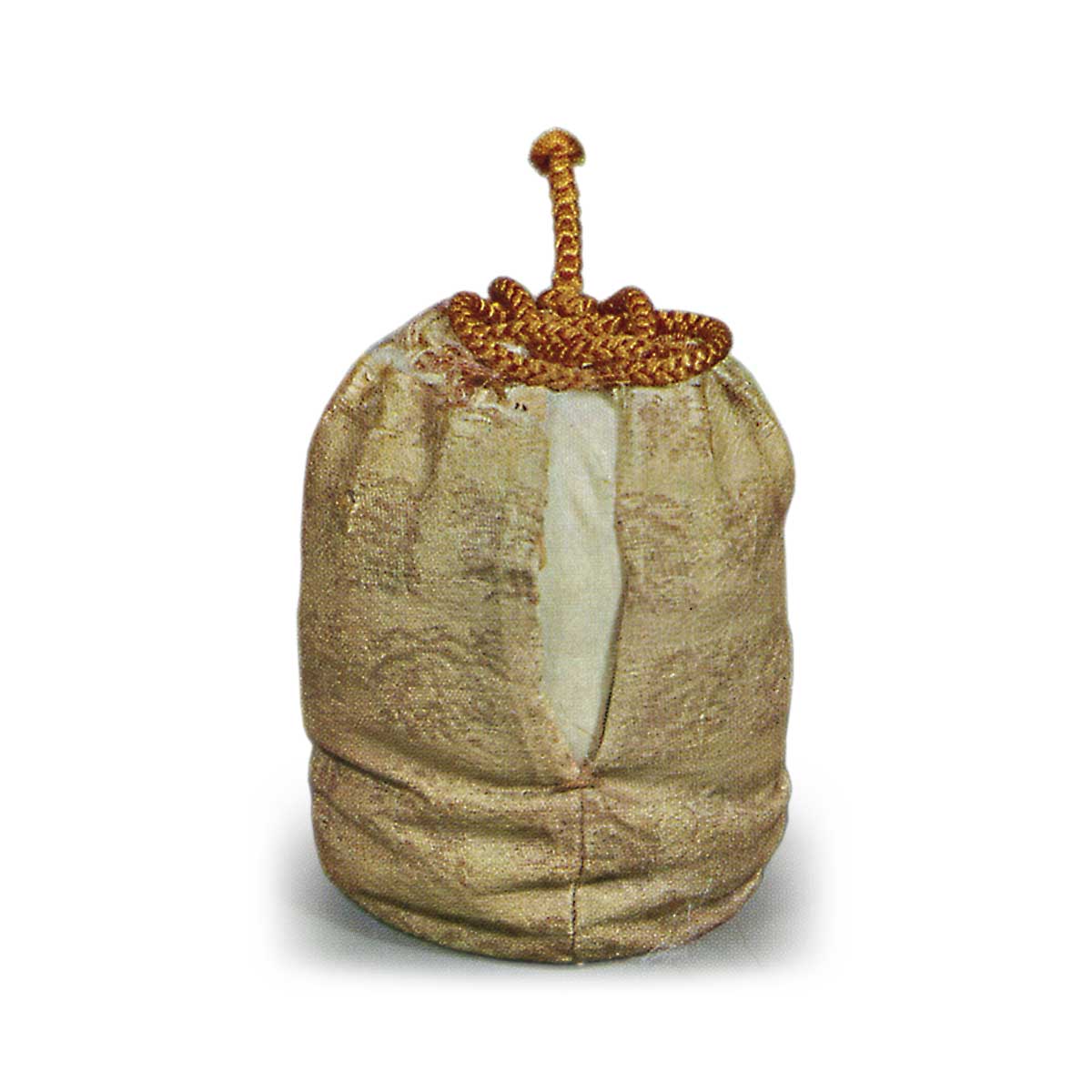
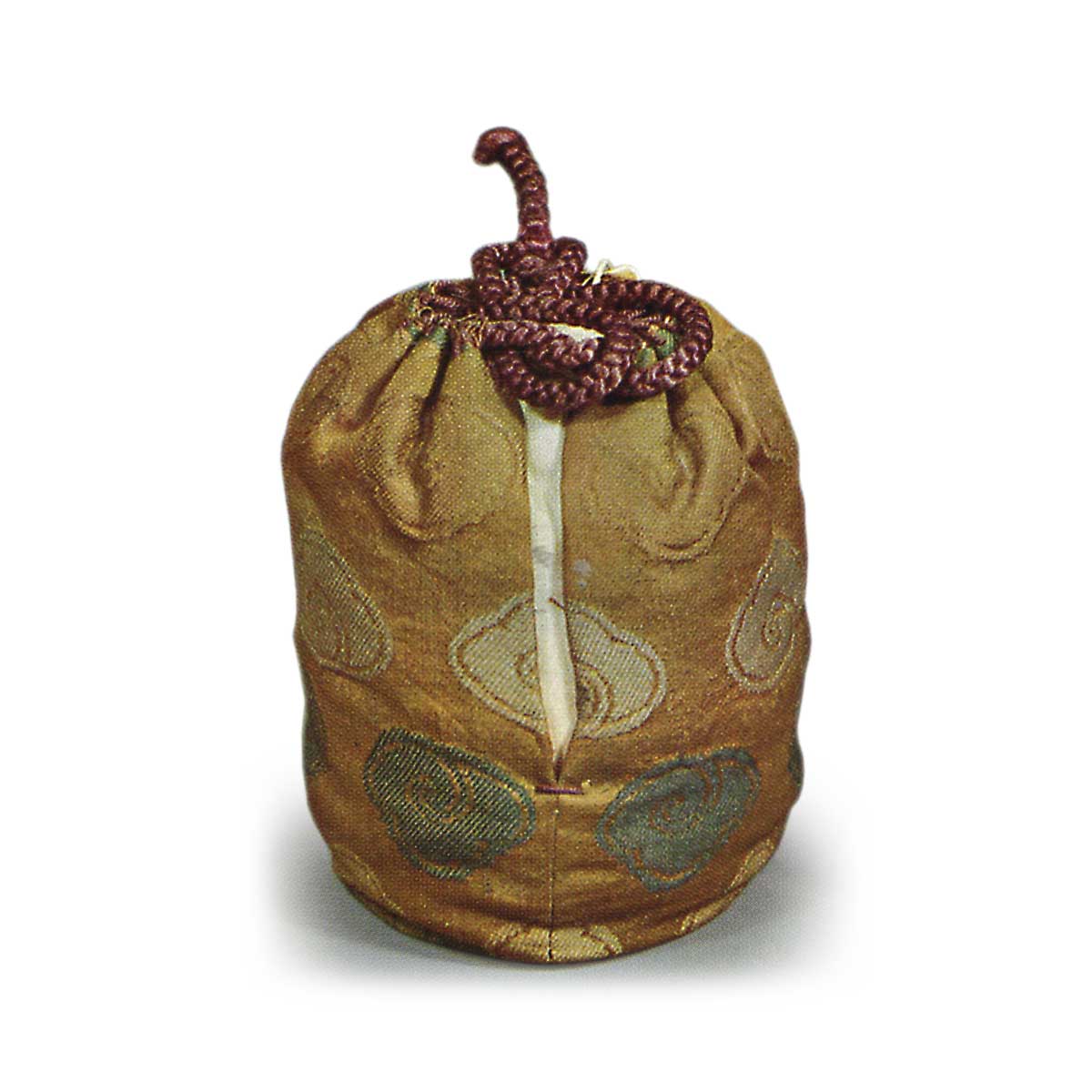
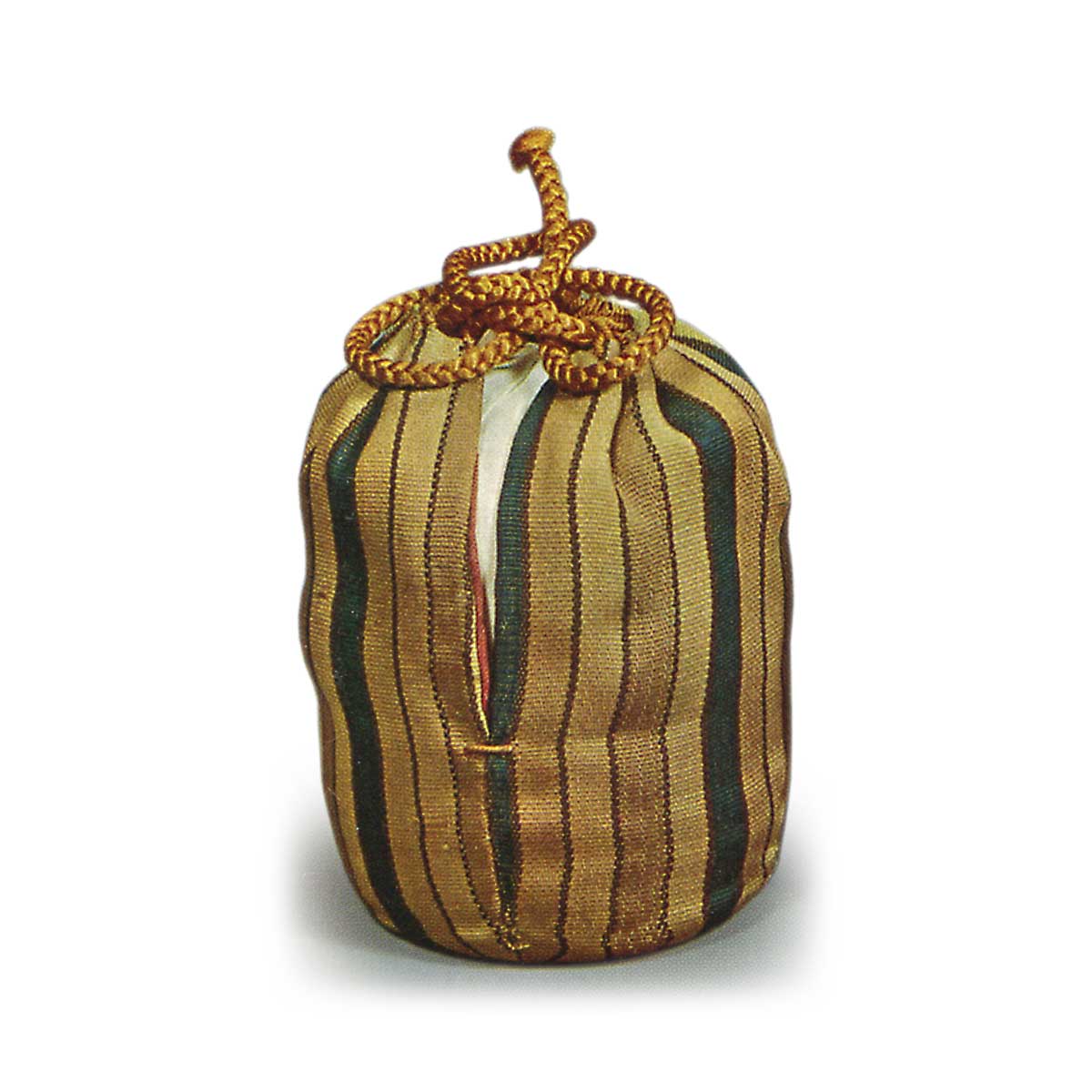
Four Covering Cloths, One by Hikiya, One by Hanaguri
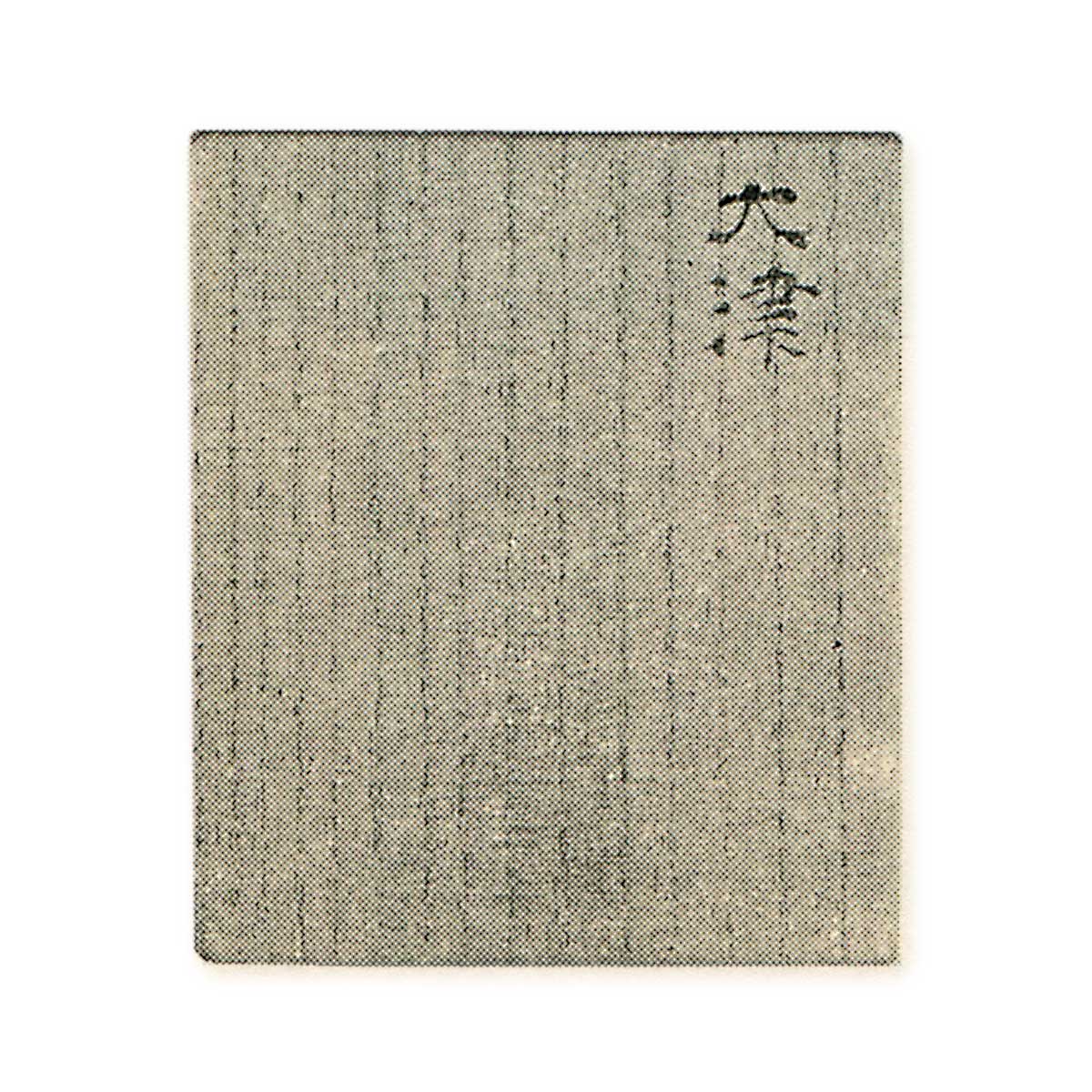
Inner Box, Paulownia Spring Celebration Lacquer, Inscription by Kobori Enshū
Outer Box, White Paulownia Wood, Inscription by Matsudaira Fumai
Provenance
Ōtsu Honjin → Kobori Enshū → Tsuchiya Tajimamori → Abe Bungomori → Edo Fuyuki Family → Hotta Sagamimori → Matsudaira Fumai
Recorded
References: Meibutsu-ki, Kokon Meibutsu Ruishu, Gokui Mokuri-sho, Fushimiya Nikki Meibutsu Chaki-zu, Meibutsu Mokuri Mon-sho, Sakurayama Ichi-yu Nikki, Matsudaira Fumai Den, Fushimiya Tegaki, Fushimiya Kokusho, Osaki-sama Go-dogu-dai Go-tegaki, Daien-an Chakai-ki
Dimensions
Height: 7.2cm Mouth Diameter: 4.1cm Body Diameter: 6.5cm Base Diameter: 4.7cm Weight: 104g
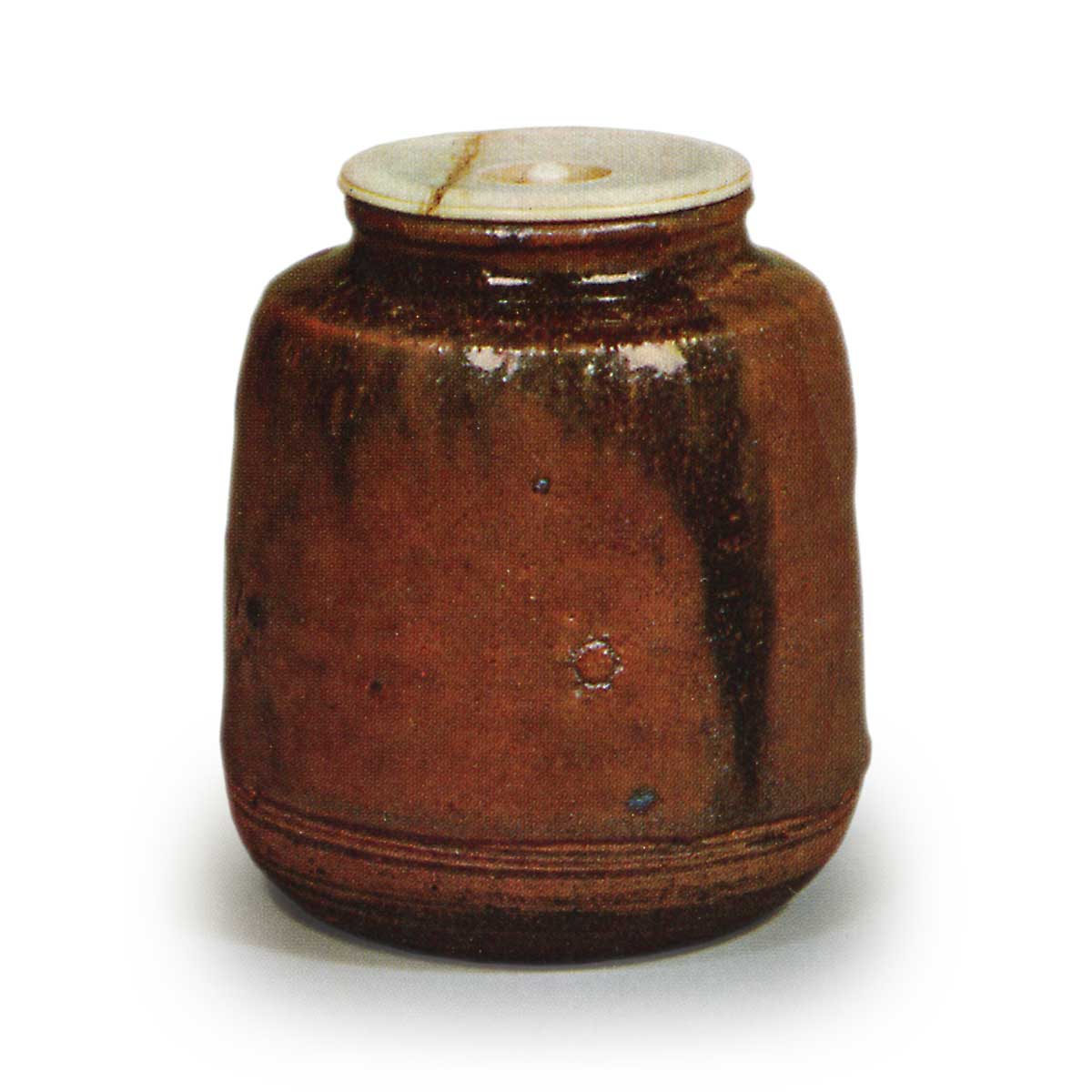
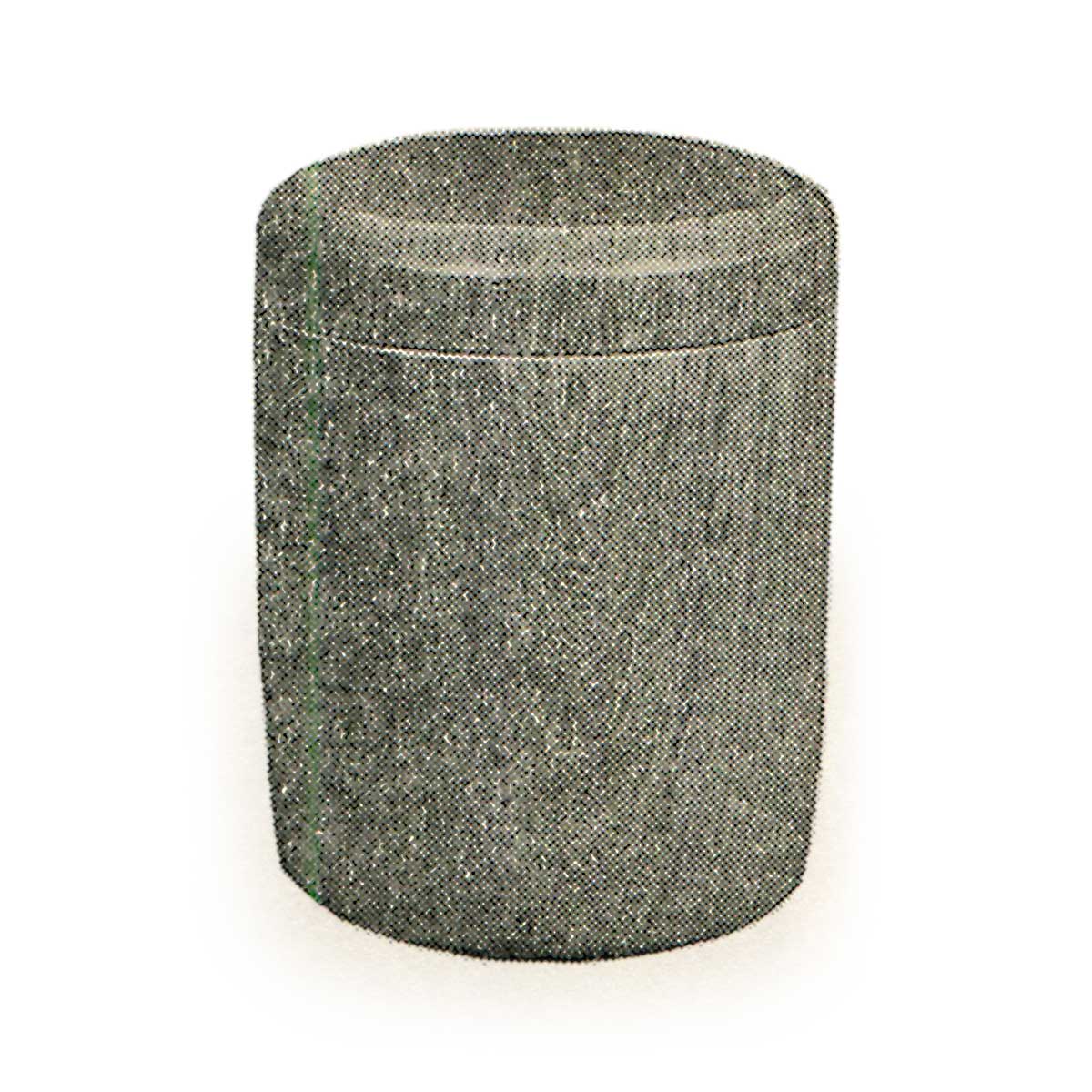
This tea caddy represents a typical type produced within the Kinkasan kiln. The Kinkasan kiln is generally considered to be roughly the third kiln established after the founding of the Seto kiln.
Its form is a compact, cylindrical shape with slightly sloping shoulders, reminiscent of Noda-style ware.
The glaze color is typical of this kiln: a Seto-style tea-colored base with little variation, including gilded accents, and a blackish flowing glaze forming the main body. Around the waist and just below the upper glaze’s hem, traces of an underglaze are faintly visible, while the area near the base reveals the bare clay.
Four shifuku (tea caddy covers) are included.The combination of brocade, pure Donshu, and striped Kandou suggests a preference for Enshū-style aesthetics.
Inscription: Written by Kobori Enshū