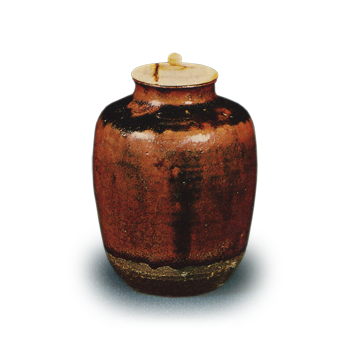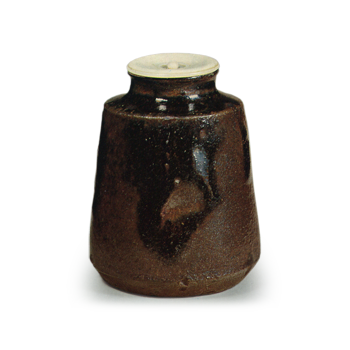
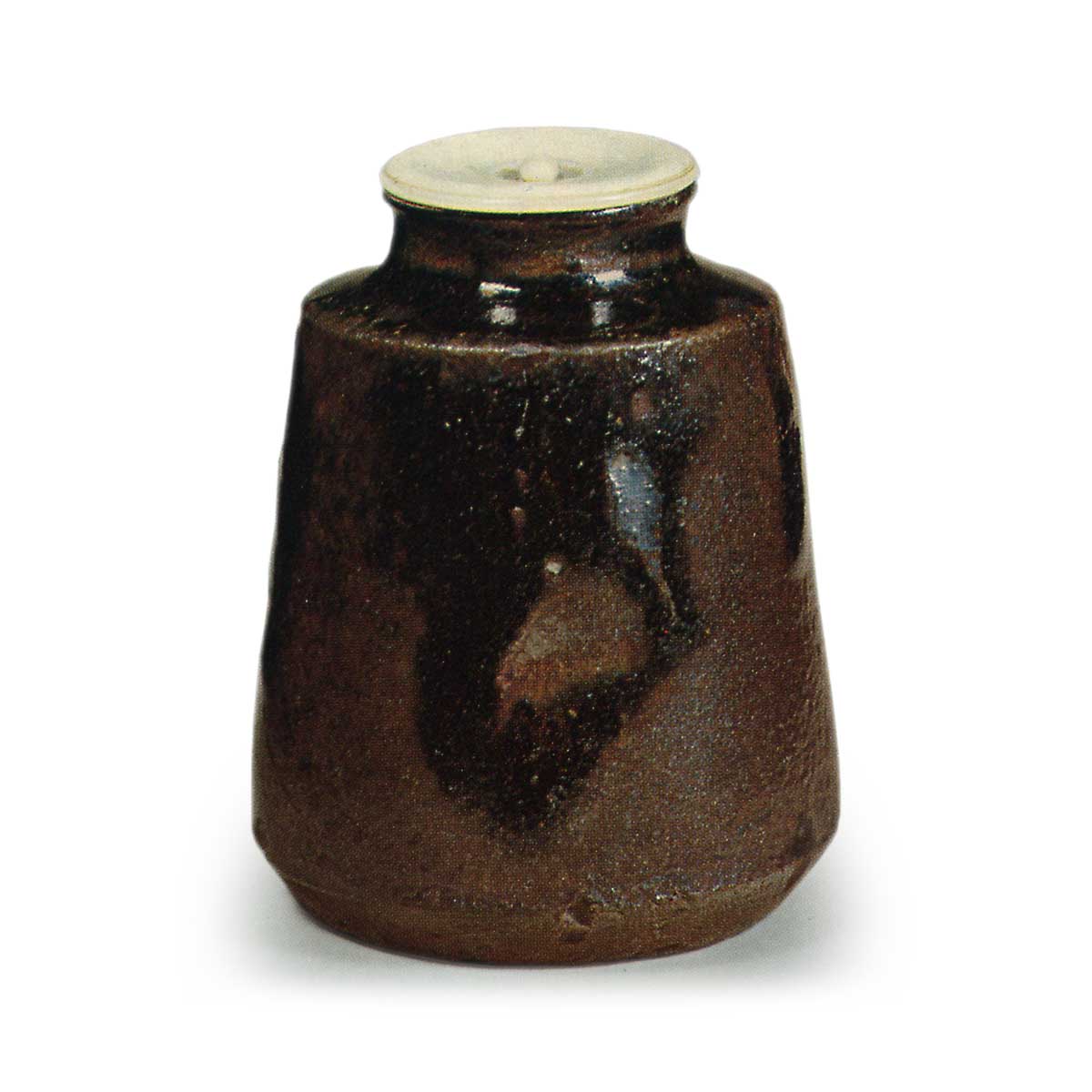
Kinkasan Hirosawa Model Song, Revival Meibutsu
Accessories
Lid x1, No nest
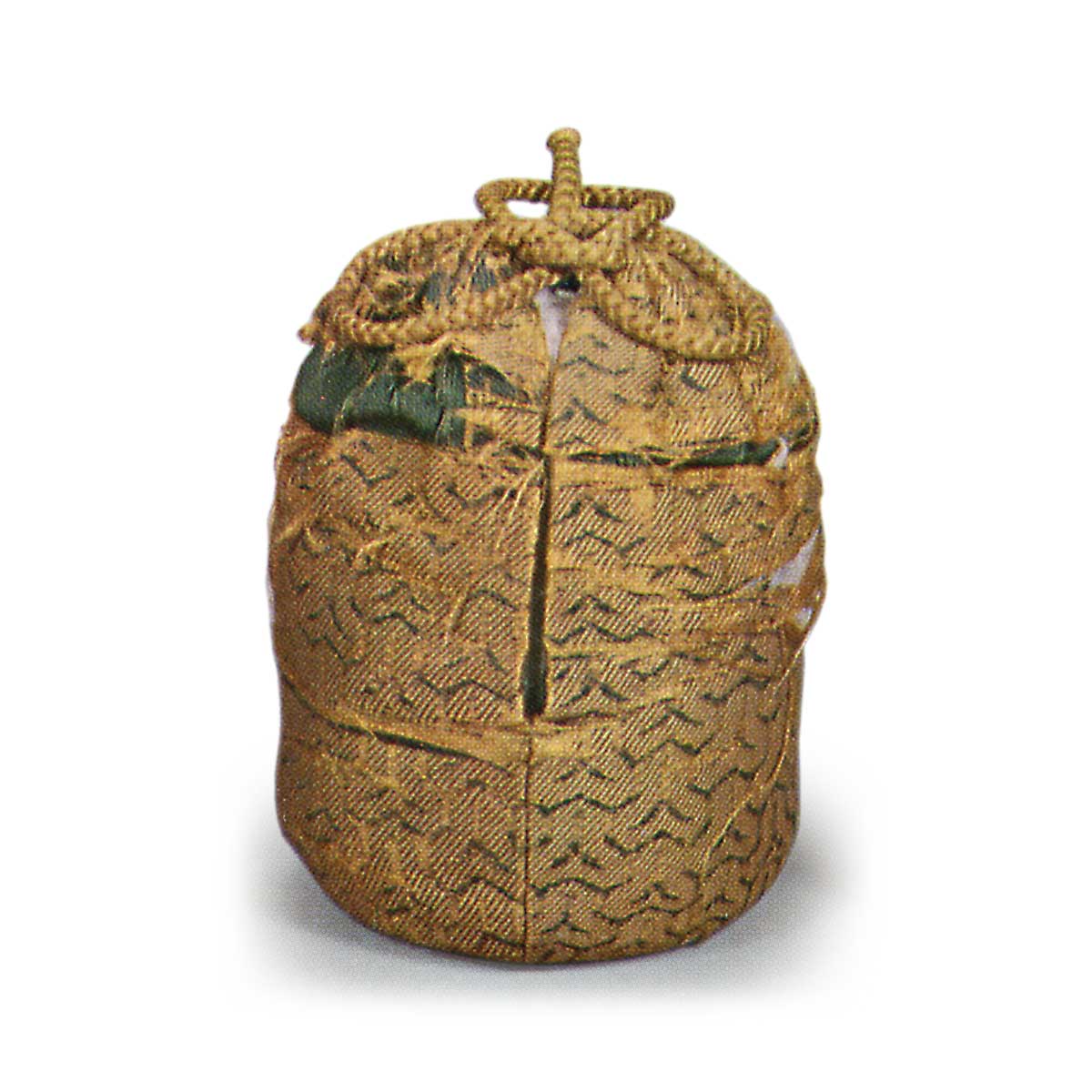
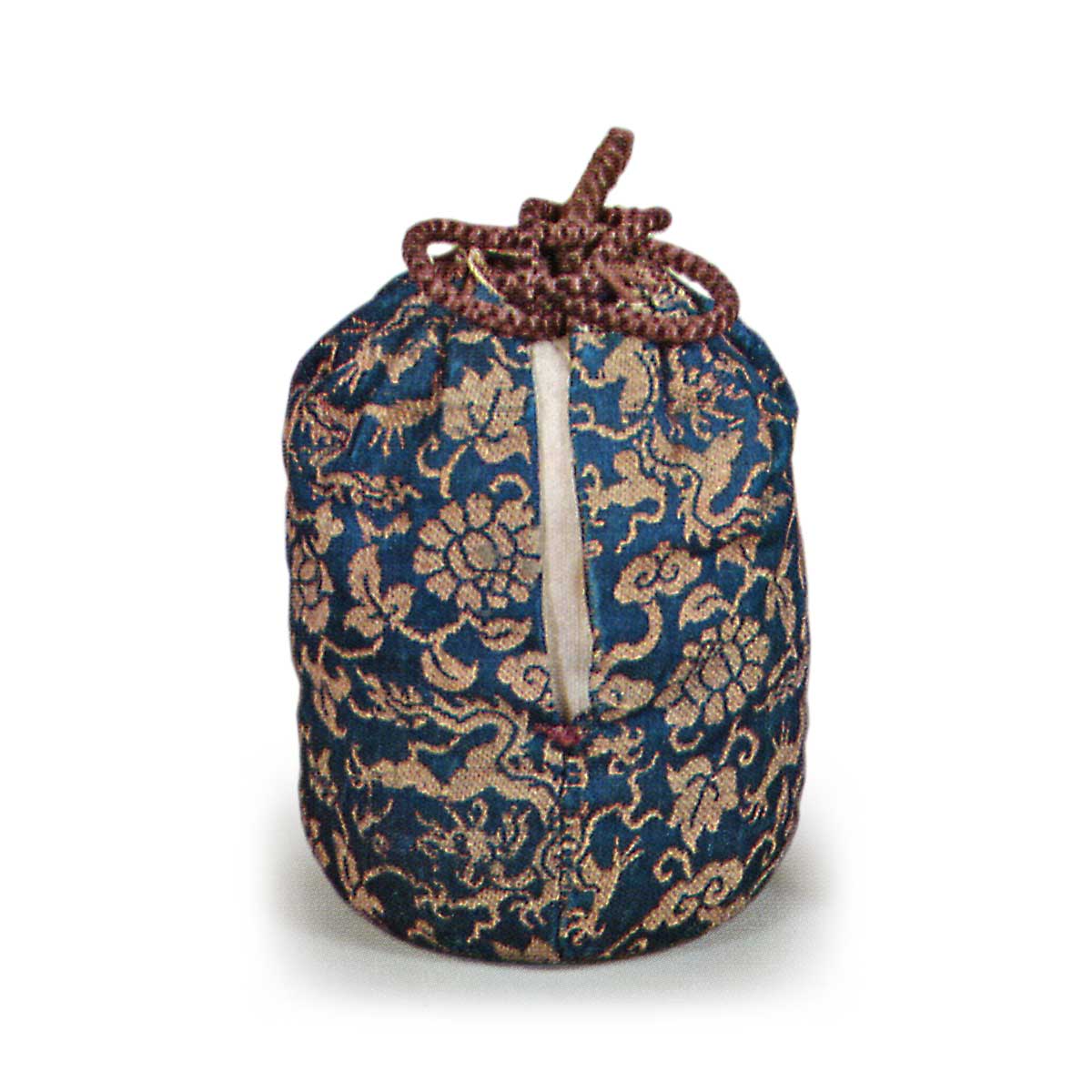
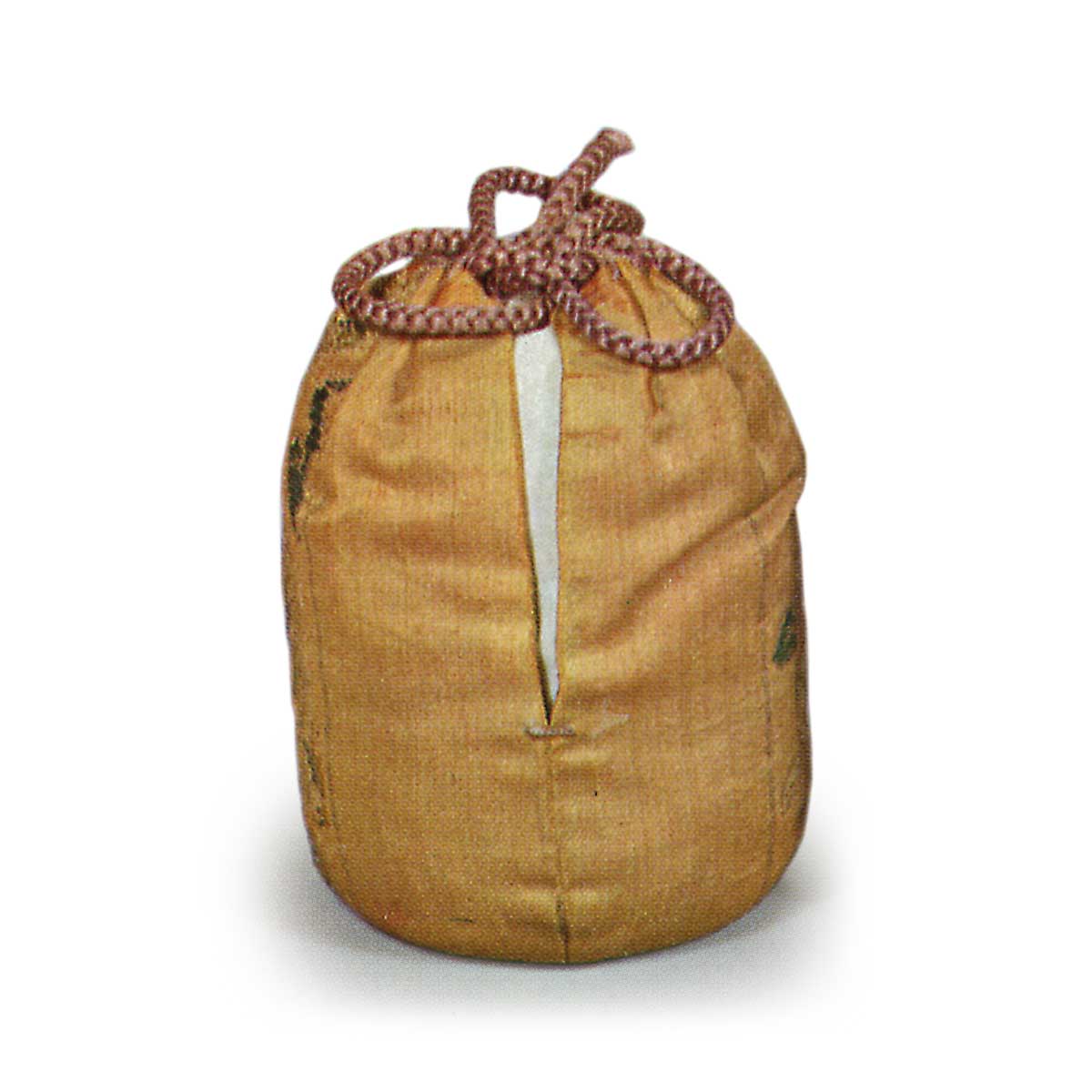
Cover x4, Cover box: Paulownia white wood, Inscription by Kobori Enshu
Hikiya: Flower-patterned body with gold powder characters, Inscription by Kobori Enshu
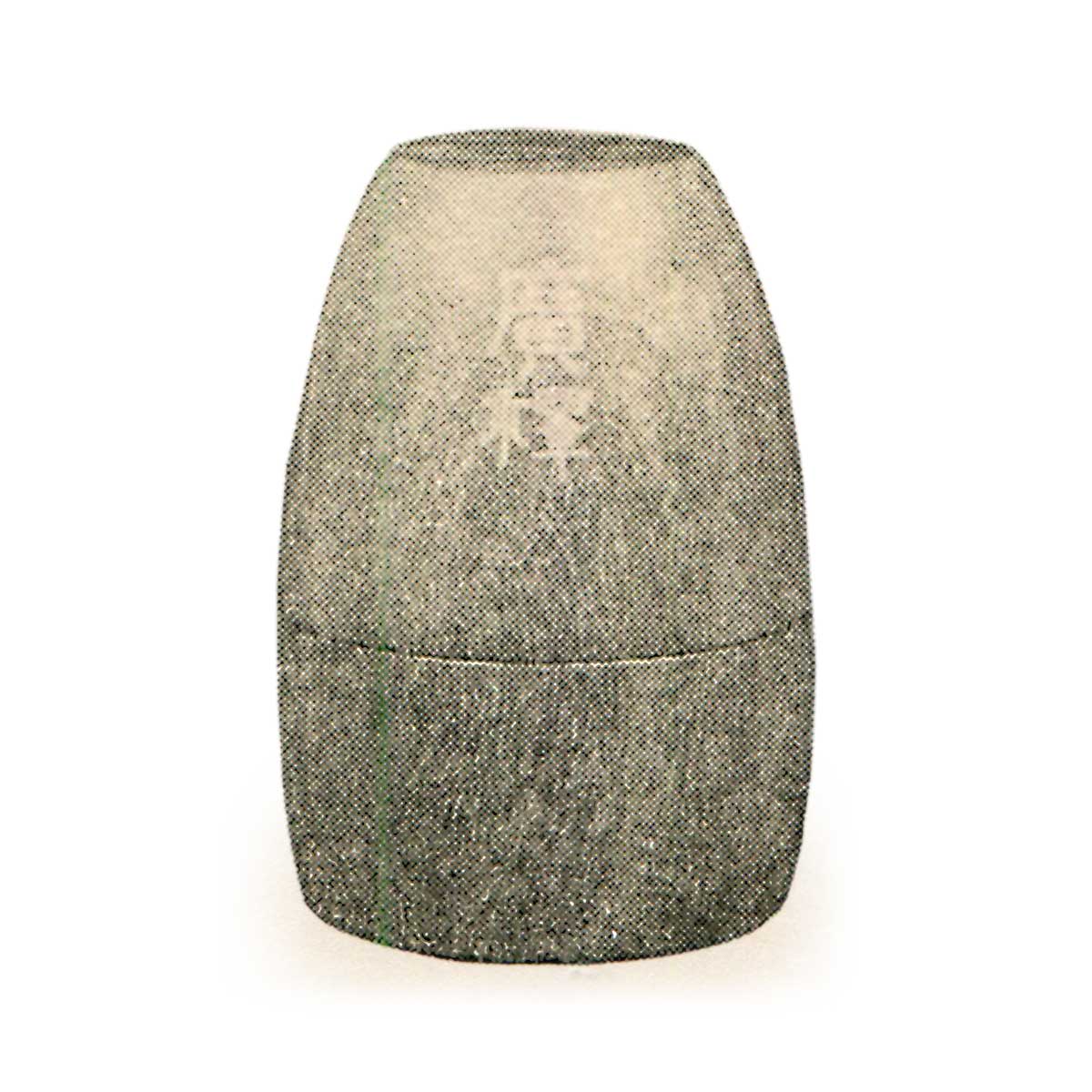
Box: Paulownia, black lacquer with gold powder characters. Inscription: Written by Kobori Enshu.
Accompanying Letter: From Matsudaira Fumai to Ryūkyō (Ryūkyō was Fumai’s sister’s husband; Kutsuki Ōmi-no-kami Masatsuna did not see Ryūkyō).
Provenance
Kobori Enshu → Matsudaira Bizen-no-kami → Tsuchiya Sagami-no-kami → Kutsuki Ōmi-no-kami → Himeji Sakai Family
Recorded in
Mekiri-sō (Guide to Appraisal), Kokon Meibutsu Ruishū (Compendium of Famous Objects Through the Ages), Himeji Sakai Warehouse Records, Meibutsu Chairi Mekiri no Sho (Guide to Appraising Famous Tea Containers), Chaki Mekiri Monjo (Notes on Appraising Tea Utensils), Gokuhi Mekiri Sho (Top Secret Appraisal Records), Kokinroku (Record of Painstaking Efforts), Meikiroku (Record of Famous Utensils), Kobori Goimono Gotōgu (Kobori’s Posthumous Artifacts and Tools), Enshū Shōji Meika Ki (Enshū’s Record of Famous Artifacts in His Possession), Tsuchiya Warehouse Records, Shok
Height: 7.6cm Mouth Diameter: 3.0cm Shoulder Diameter: 4.95cm Waist Diameter: 6.0cm Base Diameter: 4.5cm Weight: 126g
The author has frequently had the opportunity to view this piece since the emergence of this tea master from the Sakai family.
This tea caddy is classified under the Kinka-zan kiln, but its protruding form is said to be an unusual shape even among Kinka-zan wares. The glaze characteristics of Kinka-zan kilns are most clearly evident in this tea caddy, often presenting an intriguing appearance.It is also said that Enshū chose this inscription based on the glaze patterns appearing midway up the body. This distinctive form is considered a characteristic feature of this
hand-made tea caddy. The use of silver for the label on the underside of the lid, indicated by this inscription, is also said to reflect Enshū’s preference, evoking a feeling reminiscent of the moon.
Four dust covers. Enshū’s discerning taste is evident.
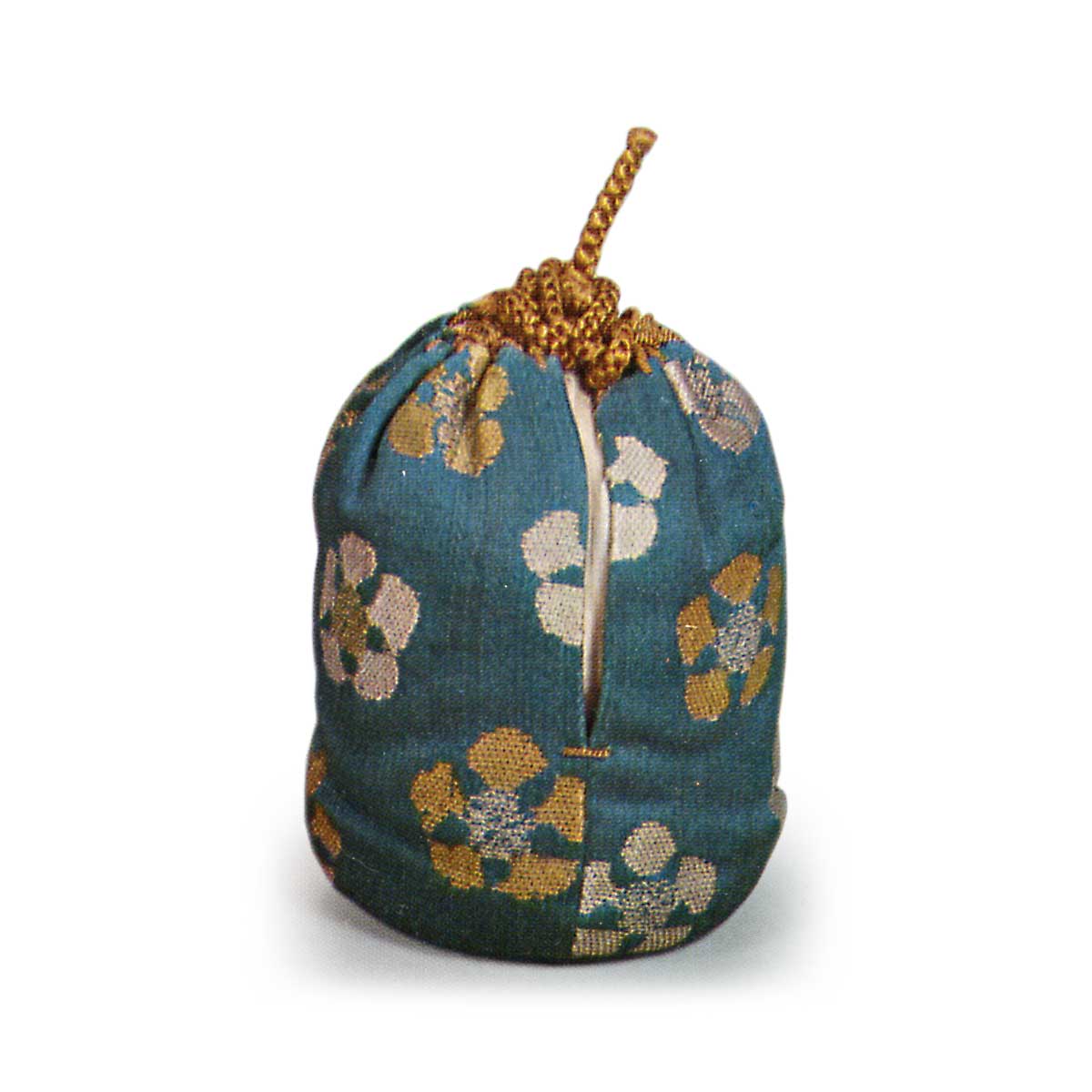
Sho-tsuke Kobori Enshū-fude
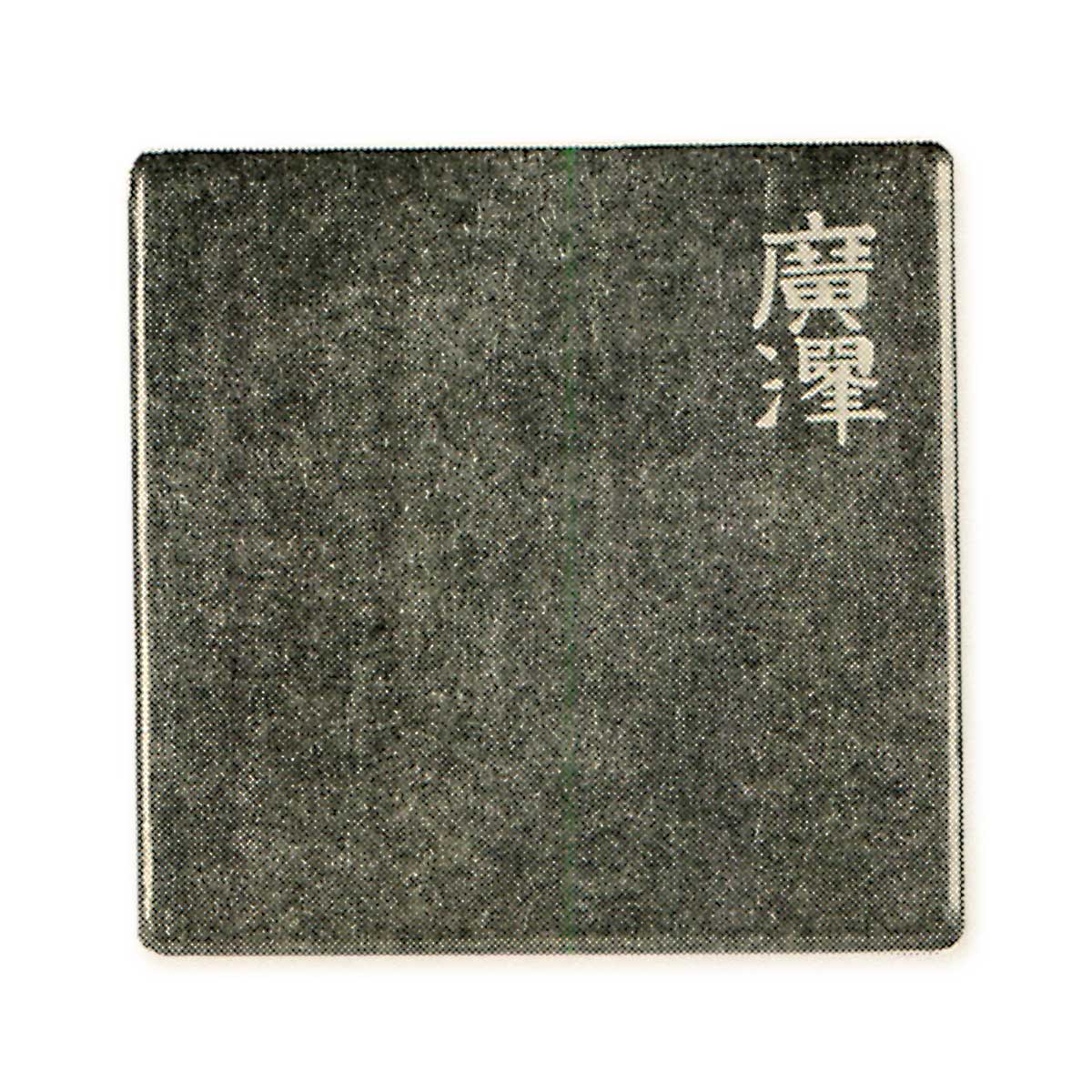
Sho-tsuke Kobori Enshū-fude
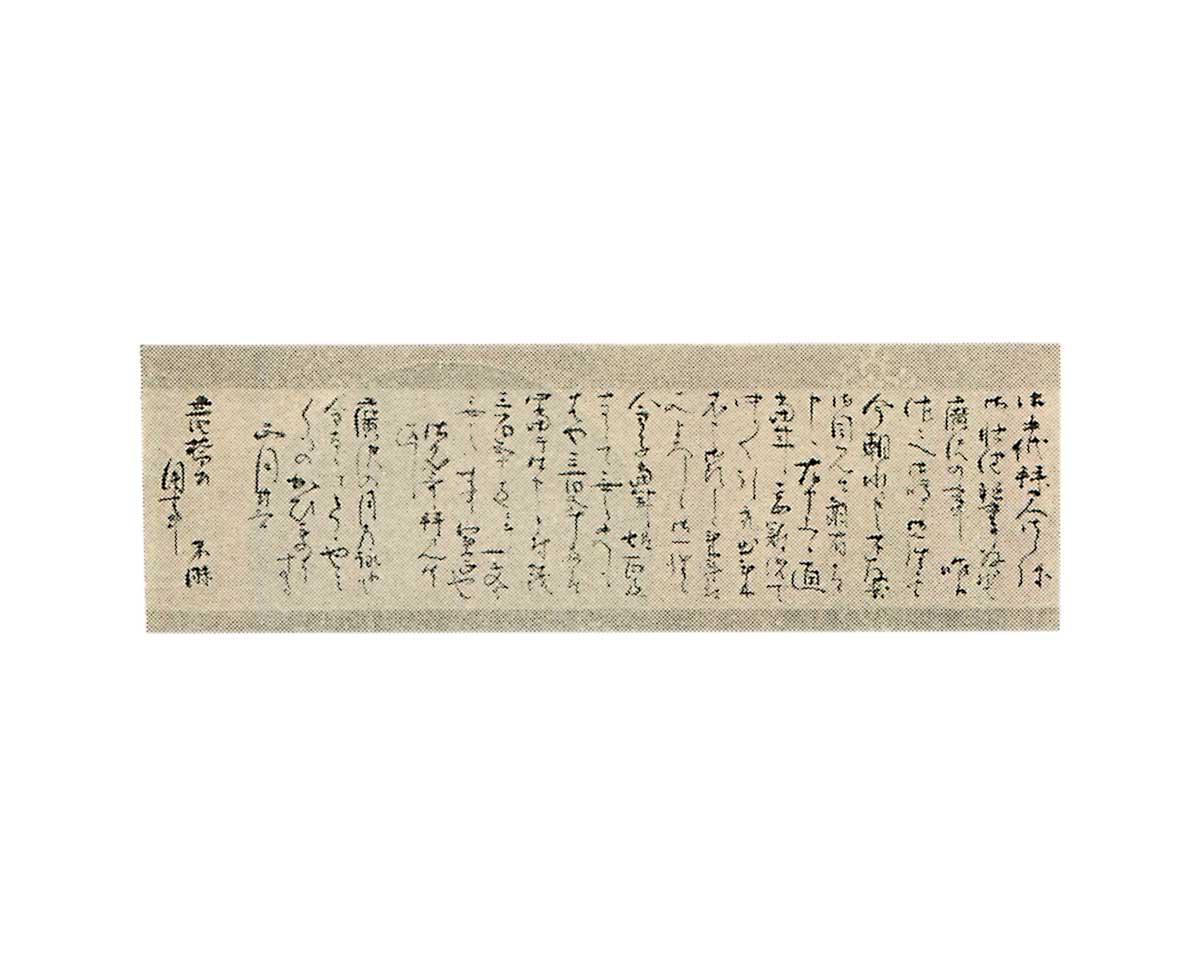
I am deeply grateful for your continued good health.
Regarding the matter of Hirosawa, I heard this morning that word had reached Sasa yesterday.
I deeply regret that I cannot come to see you. As I mentioned, it is quite difficult to resolve this matter, and I must decline to take it back.
Next year will be another matter entirely.
Regarding the gold: this year, there are no seven hundred ryo; moreover, I have already accounted for three hundred and fifty ryo. Therefore, the remaining three hundred and fifty ryo truly do not exist.
I have read your reply poem.
In response to the poem about the moon at Hirosawa: “Without gold, I can only make do with what I have.”
The twenty-third day of the first month
Fumai
Lord Ryūkyō
Regarding business