Tamba Revival Meibutsu
Accessories
Lidded Box: Paulownia, Unfinished Wood, Inscription by Matsudaira Fumai
Four Covering Cloths, Covering Cloth Box: Paulownia, Unfinished Wood, Inscription by Kobori Enshu
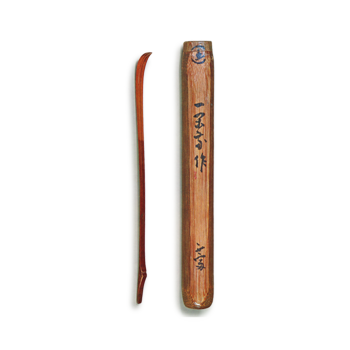
Hikiya: Black Persimmon, Carved Inscription by Kobori Enshu
Inner Box: Paulownia, Black Lacquer with Scraped-Off Lacquer, Gold and Silver Powder Inscription in Kanji by Kobori Enshu
Outer Box: Paulownia, Unfinished Wood, Inscription by Matsudaira Fumai, Attached Document x1
Attached Ornament: Small Colored Paper, Inscription by Priest Kogetsu Attached Ornament Box: Paulownia, Unfinished Wood, Inscription by Kobori Enshu
Transmission
Kobori Enshu → Tsuchiya Sagami-no-kami → Horita Sagami-no-kami → Mizuno Heihachi → Matsudaira Setsukawa → Matsudaira Fumai
Recorded In
Kokin Meibutsu Ruishu (Collection of Famous Objects Through the Ages) Ryū Meibutsu Mokuri Monjo (Dragon-Themed Treasures: Expert Appraisal Records) Chaki Zōbōshō Meibutsu Shū (Tea Utensils: Dimensions, Inscriptions, and Treasures Collection) Enshū Gosenshibun Jūhachi Hin (Enshū’s Selected Eighteen Pieces) Yamasumi Family Edition Chainori Kōyaki Kuninokubu (Tea Caddy: Unfired National Section) Shokake Meiki Shū (Collection of Famous Utensils from Various Schools) By Kusama Waraku Chaki Meibutsu Zui (Illustrated Compendium of Famous Tea Utensils) Chaki Mokuri Shū (Tea Utensil Appraisal Collection)
Ikuno
Dimensions
Height: 9.3cm Mouth Diameter: 2.7cm Body Diameter: 5.8cm Base Diameter: 3.0cm Weight: 115g
This tea caddy was commissioned by Enshū for the Tamba kiln, which had traditionally only produced utilitarian wares. The sheer number of tea caddies fired for this single piece—and indeed, how many more were fired alongside it—is evident from the fact that so many identical caddies survived, later becoming known as Ikuno-de.
This tea caddy differs from conventional Tamba ware in its exceptionally fine clay and glaze composition. Yet, its noble hues and profound layered glaze reveal a depth of expression that transcends mere technical skill.
Unlike typical Tamba ware, this tea caddy features exceptionally fine clay and glaze application suggesting precise formulation. Its noble hues and profound layered glaze effects, likely achieved through kiln temperature variations, suggest this masterpiece was the sole successful firing from a large batch.
Four dust covers accompany it: a rare piece by Tsurugaoka Kandou, along with works by Donshu Arajio and others.
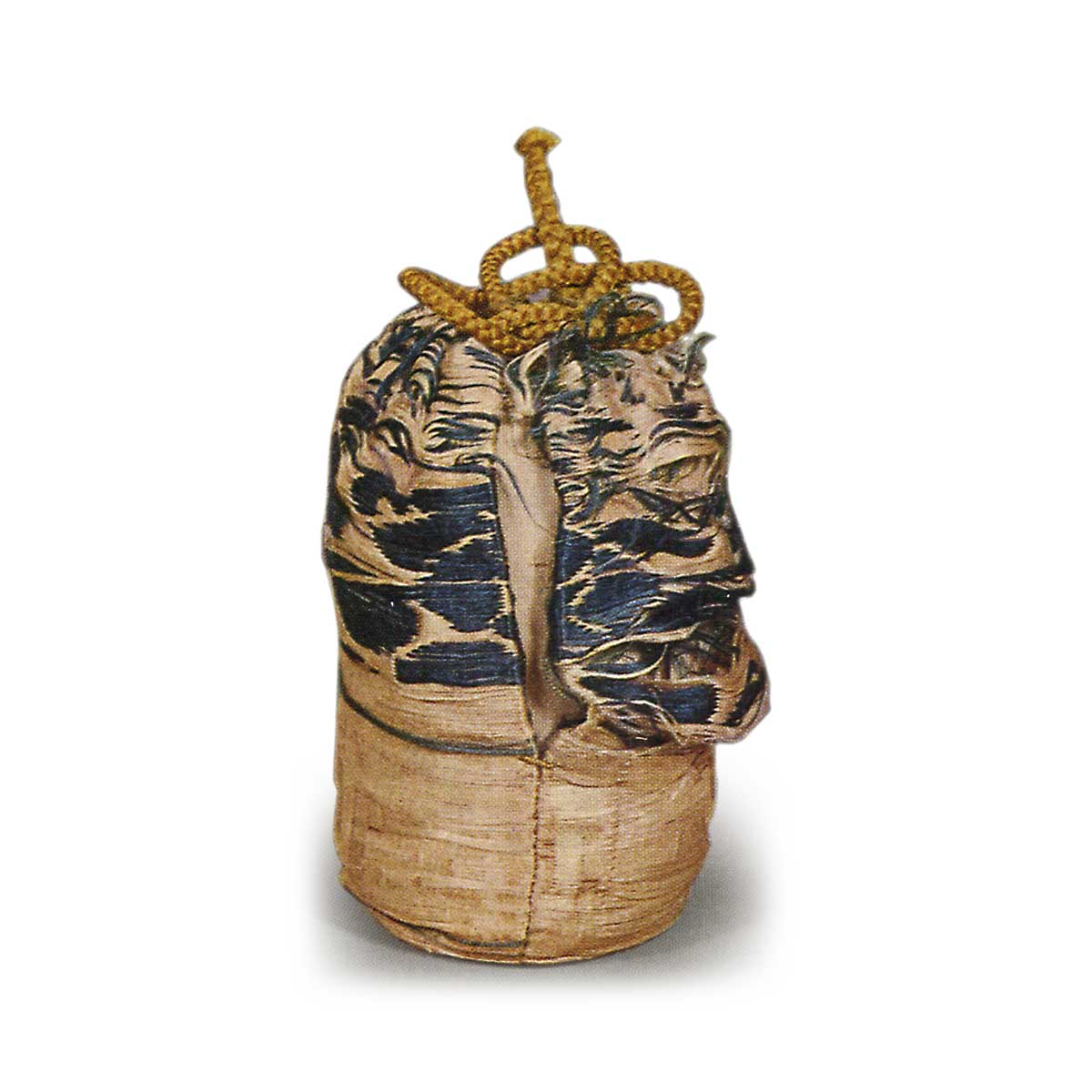
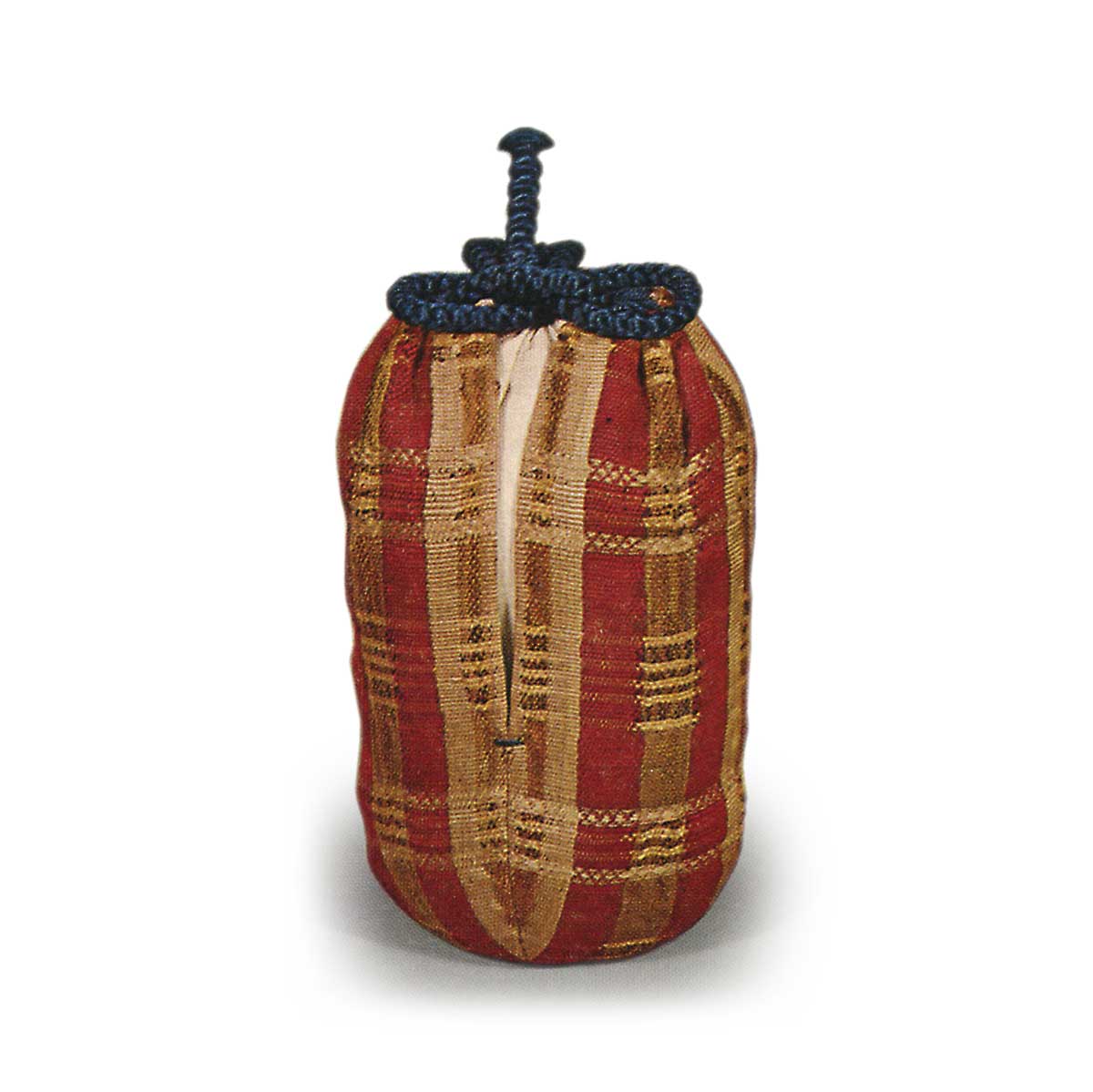


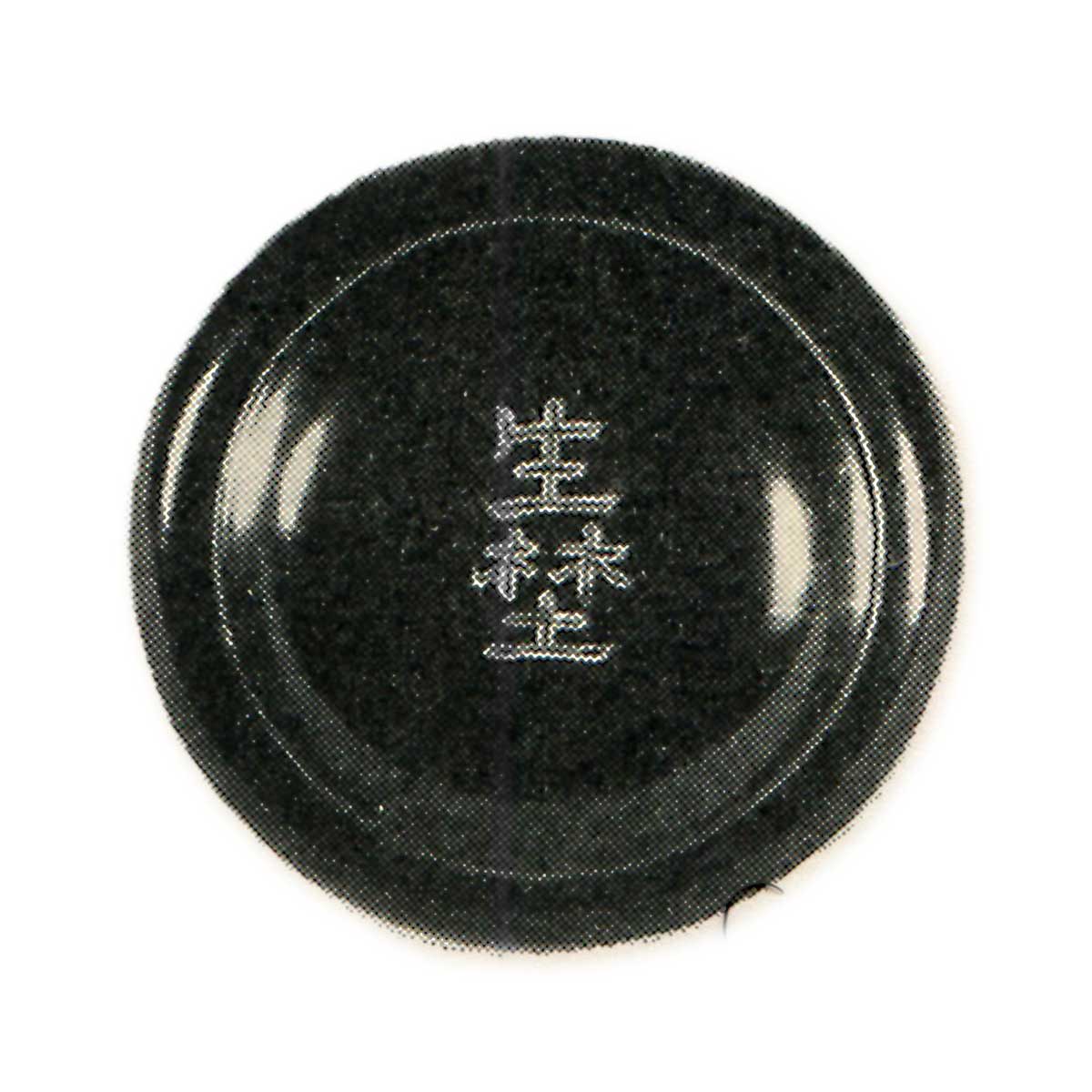
Carved Inscription: By Kobori Enshū

Inscription: By Kobori Enshū
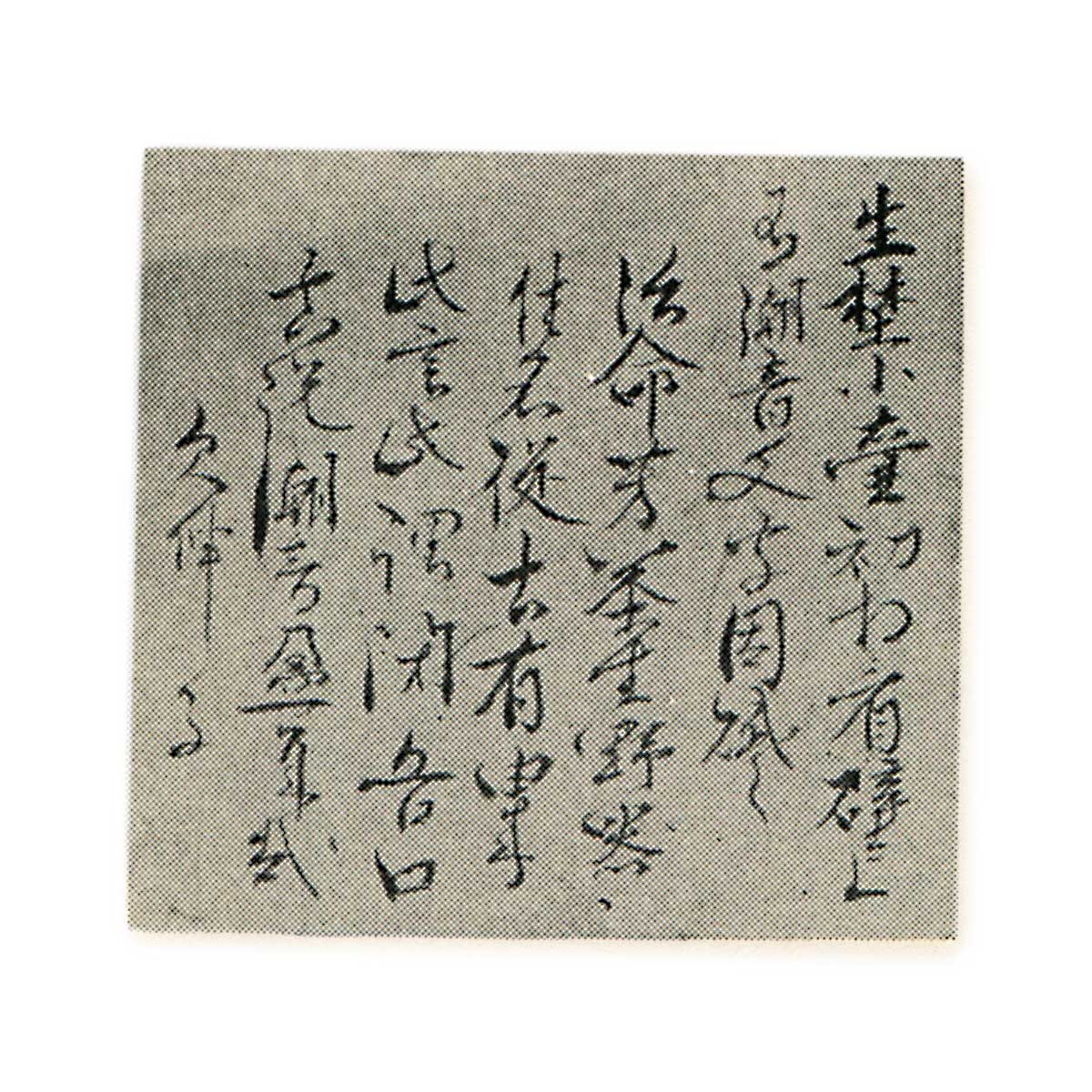
First words upon seeing it
Life’s beast, tea’s fragrance, wild field
First sight of this small jar, upon the wall,
With tide-sound characters, thus I compose:
Life-sustaining fragrant tea, wild field vessel.
Fine name, ancient origin
This saying, this meaning, seals my mouth
True tale, tide-sound full, oh ear.
Yawn-child (Gogetsu)