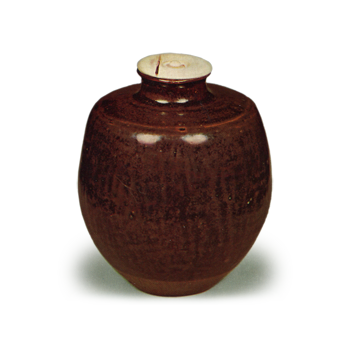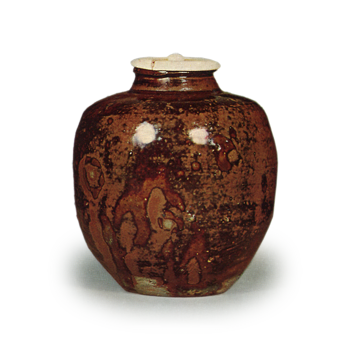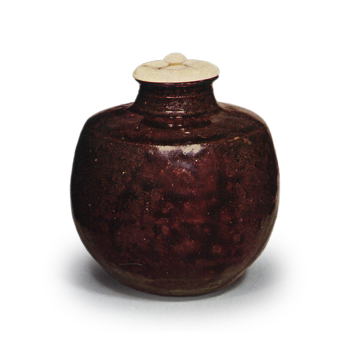
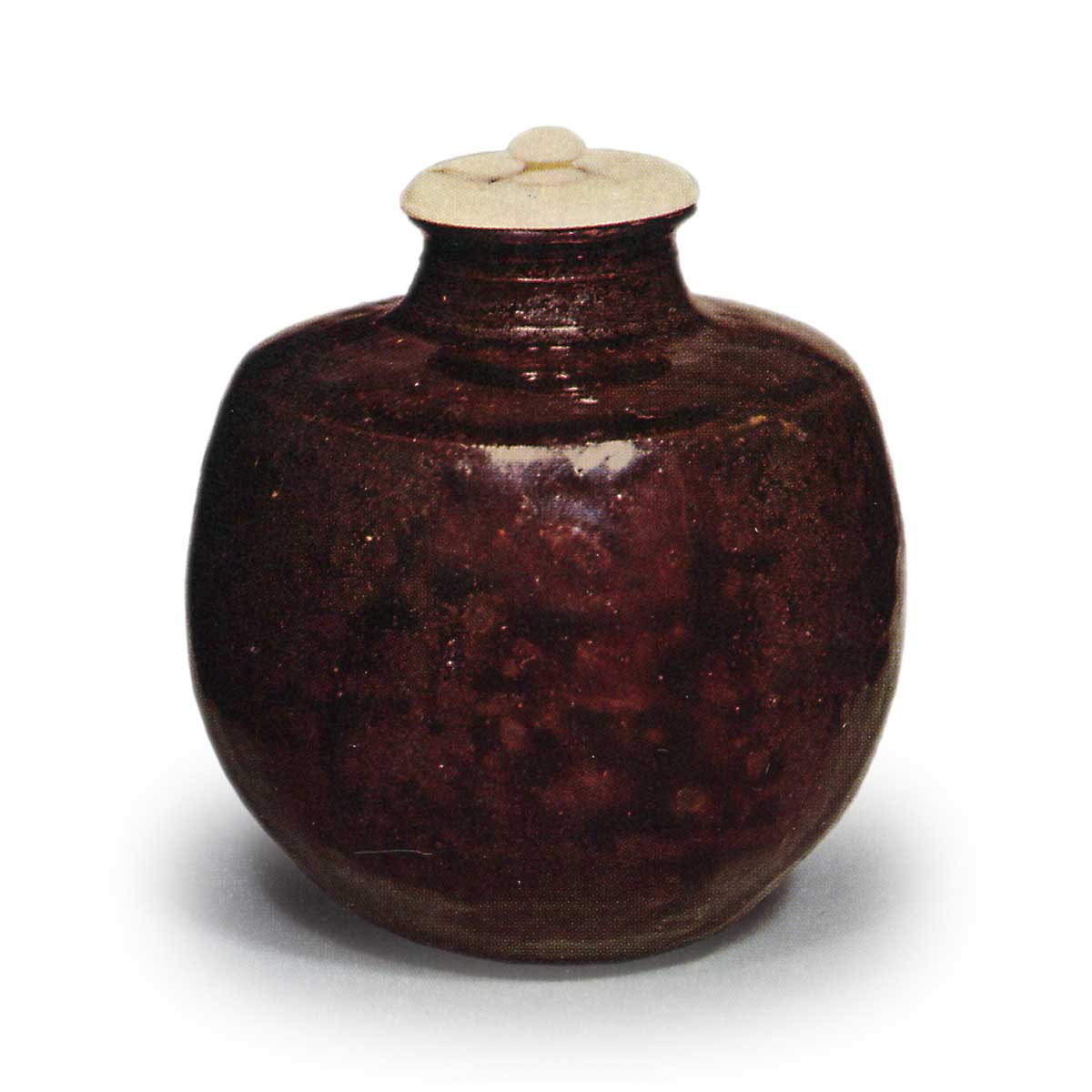
Also known as Asakura Bunrin, Chinese, Daimeibutsu
Accessories
Six lids, five inner compartments, one upper compartment, antique lid box, paulownia wood with inscription by Matsudaira Fumai
Six covers, three paulownia wood cover boxes with inscription, cover box, paulownia wood with inscription by Matsudaira Fumai, Hikiya, ivory
House cover with straw-cut design
Piled lacquerware five-leaf tray, inner red rim, outer piled lacquerware carvings, bottom black lacquer, carved name
Inner box, paulownia white wood, outer box, black lacquer, folding screen, iron lock, accompanying box, paulownia, white wood, inscription by Matsudaira Fumai, tray box, paulownia white wood, inscription by Matsudaira Fumai
History: From Chūsu Nakai to Jin’emon Kobori
Provenance
Yoshikage Asakura – Nobunaga Oda – Honnoji Temple – Yamato no Kami Nakai – Fumai Matsudaira
Reference: Kokon Meibutsu Ruishu, Chairin Meibutsu Ki, Unshū Matsudaira Family Documents
Osaki Family Tea Utensils, Daienan Tea Ceremony Records, Taisho Meiki Kan
Dimensions
Height: 7.3 cm, mouth diameter: 2.7 cm, body diameter: 6.9 cm, bottom diameter: 3.0 cm, weight: 90 g
This tea caddy was Matsudaira Fumai’s favorite among his many tea caddies. It has been well preserved and has all the essential features, making it a tea caddy that stands out even among the Daimeibutsu.
The author viewed it at the Unshu family residence and again at the current owner’s home. The mouth is slightly elongated, the shoulders have a slight angularity, the body is rounded, and it has an indescribably beautiful form. The glaze is rich and lustrous.
The glaze hangs quietly from the shoulders, and there is a change in the glaze at the sides, giving it a beautiful shape. The bottom is well-finished with a beautiful thread cut. There are six covers, which are elegantly matched to the Meibutsu. One of the covers for this tea caddy is called Honnoji-giri.
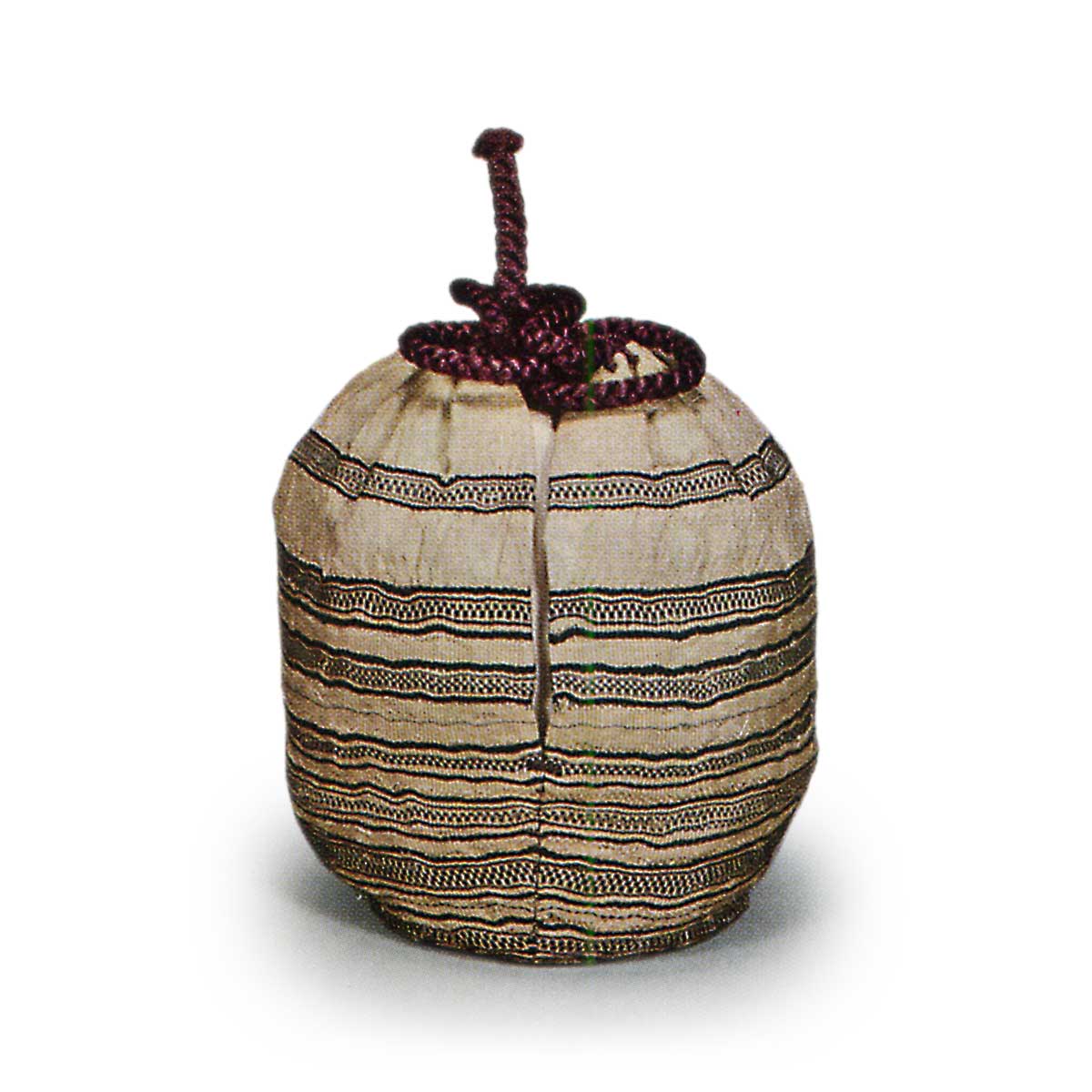
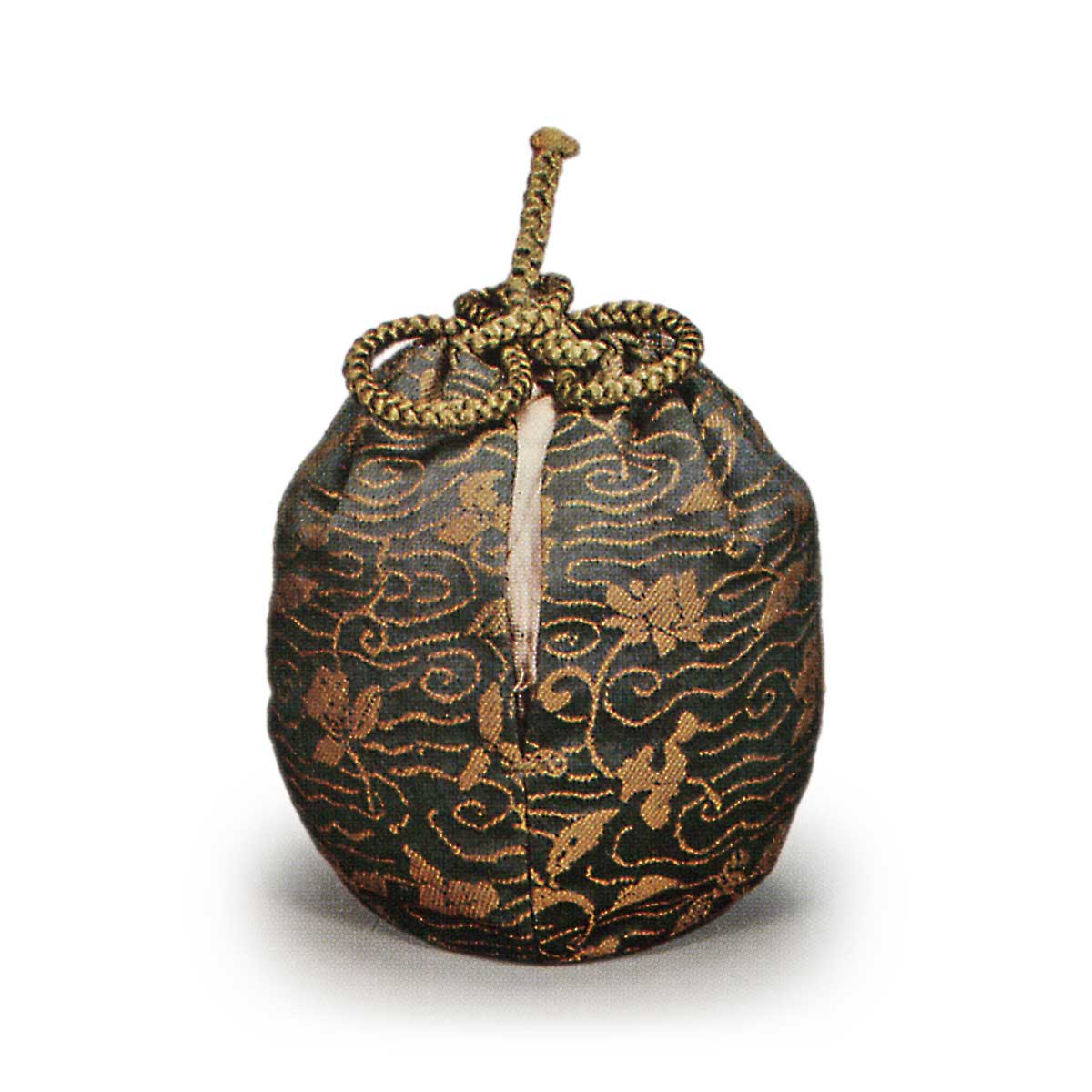
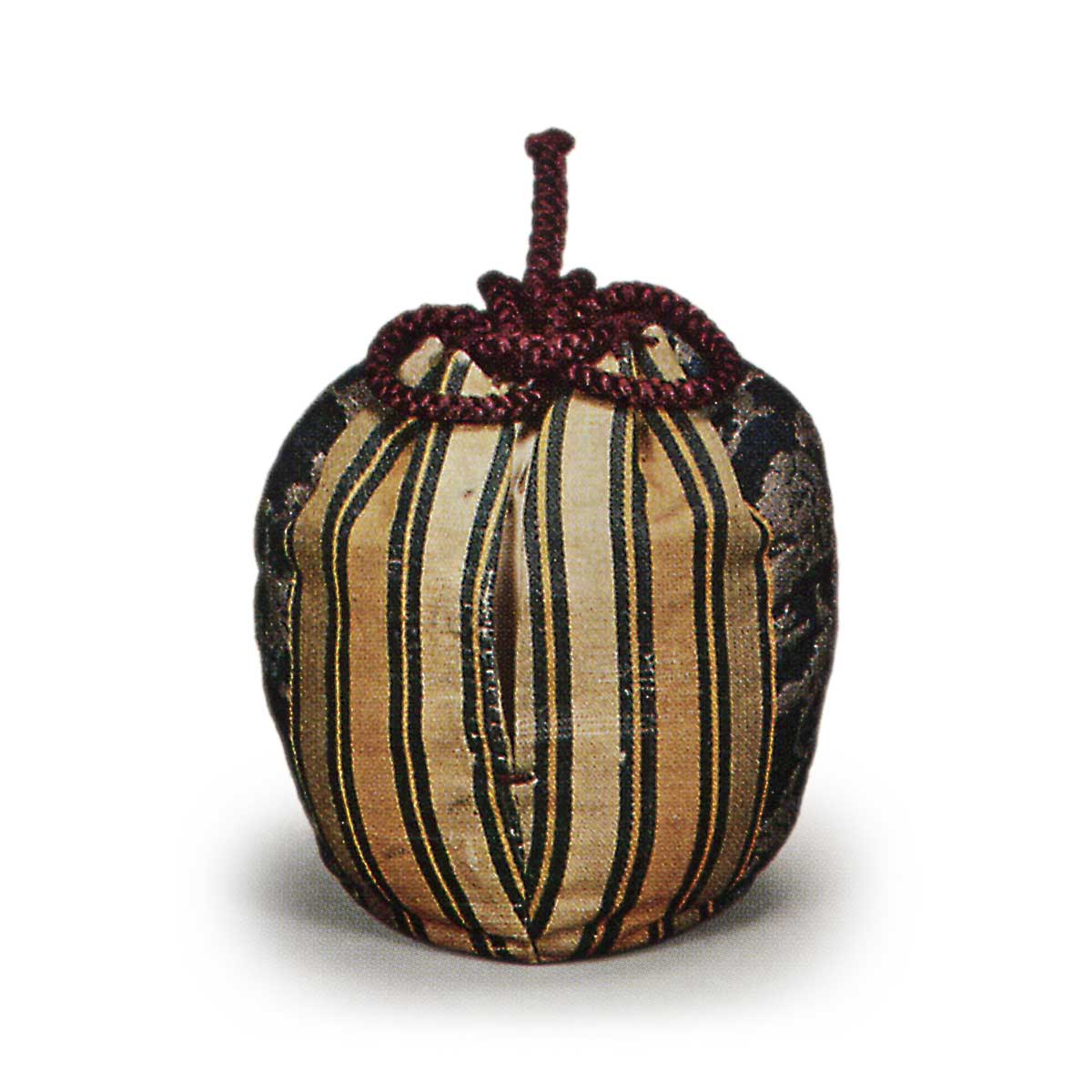

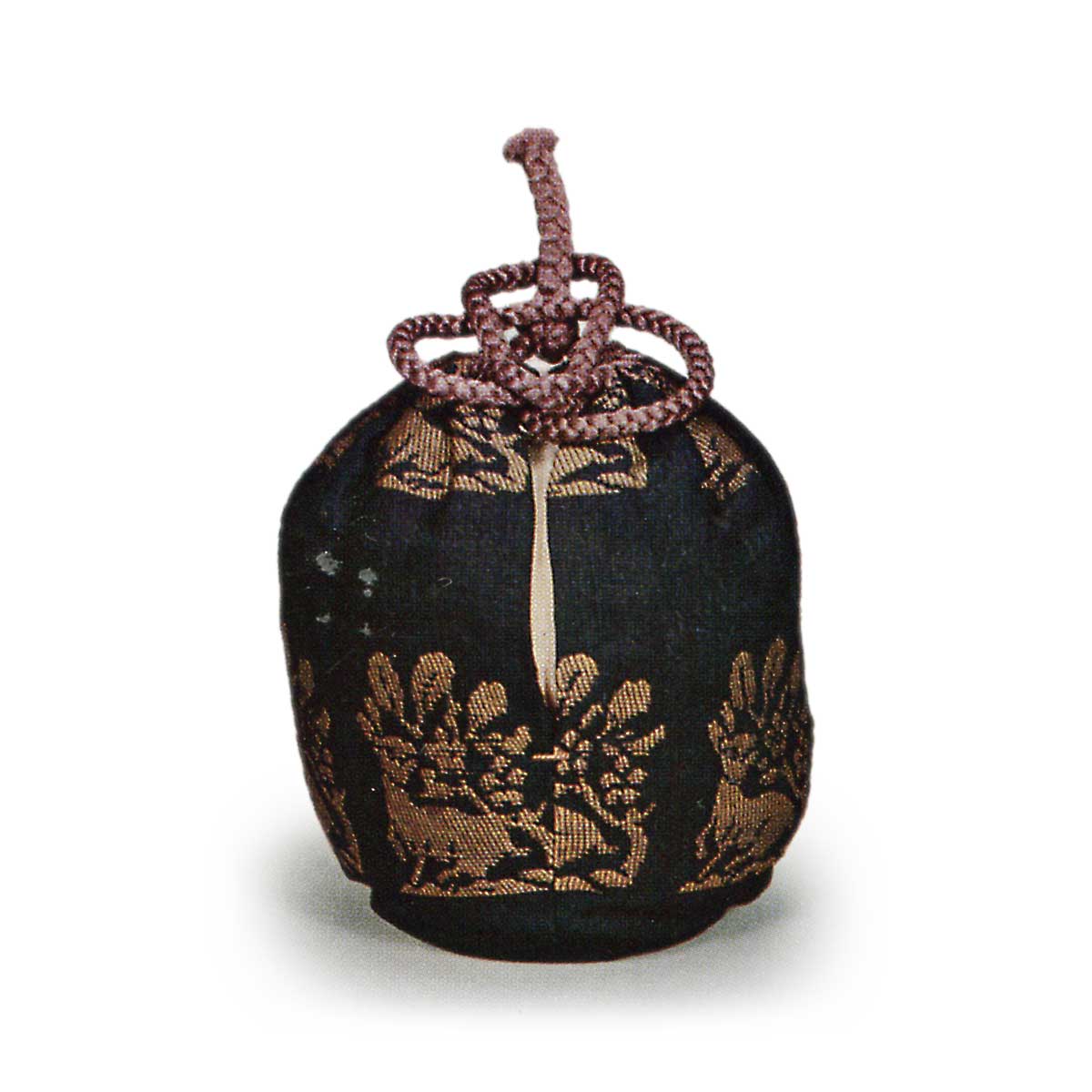
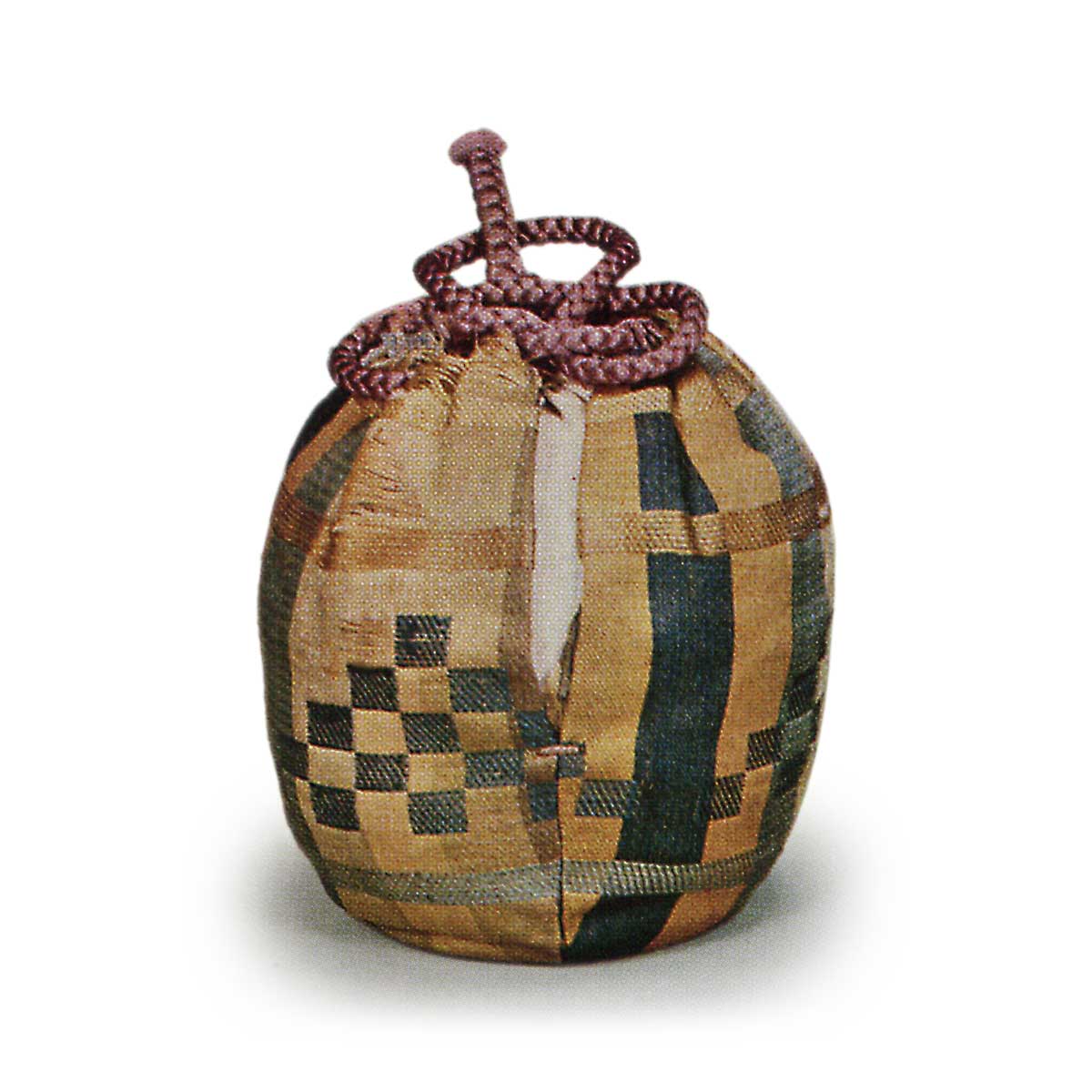
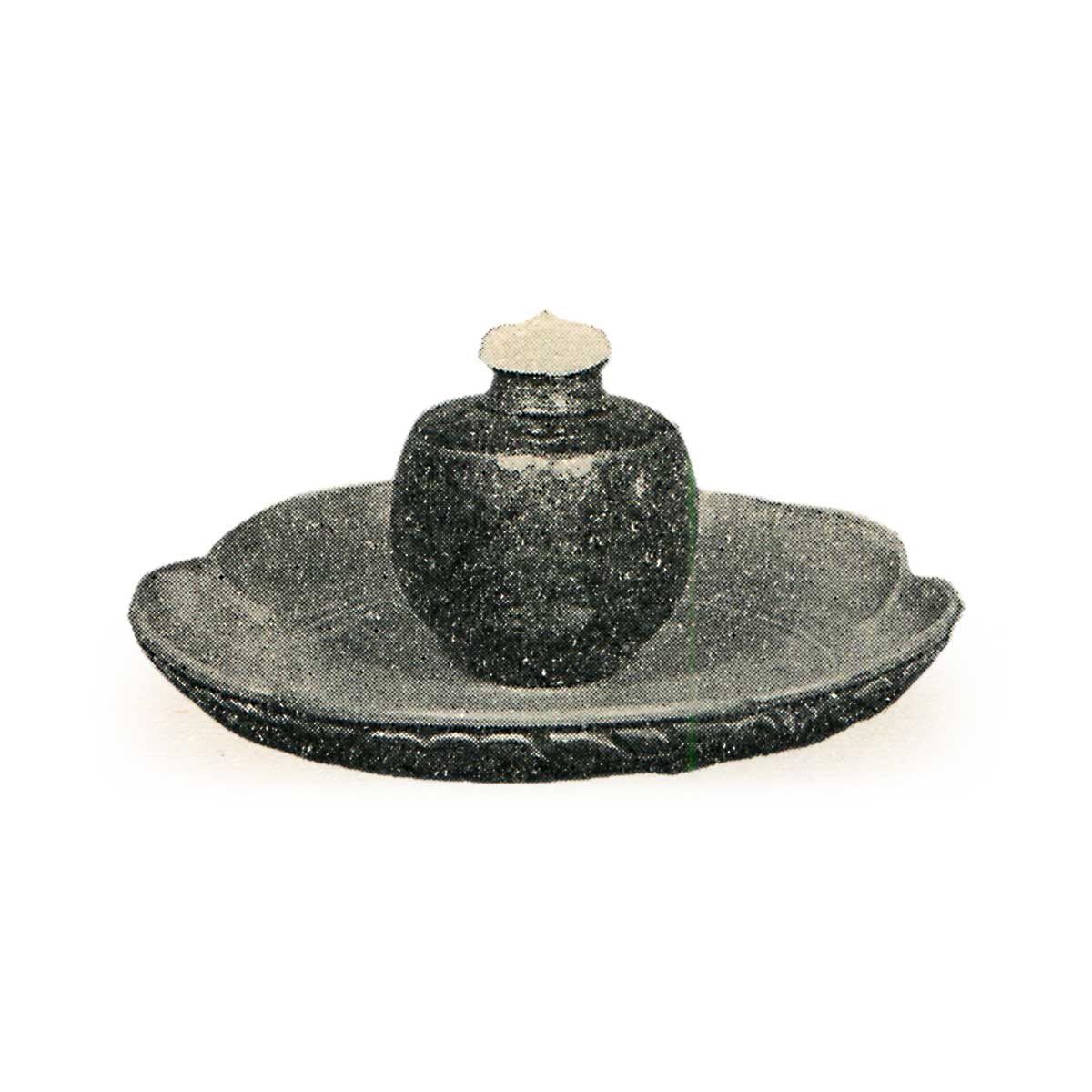
Red rim inside, black lacquer carving outside
Haru’s name carved
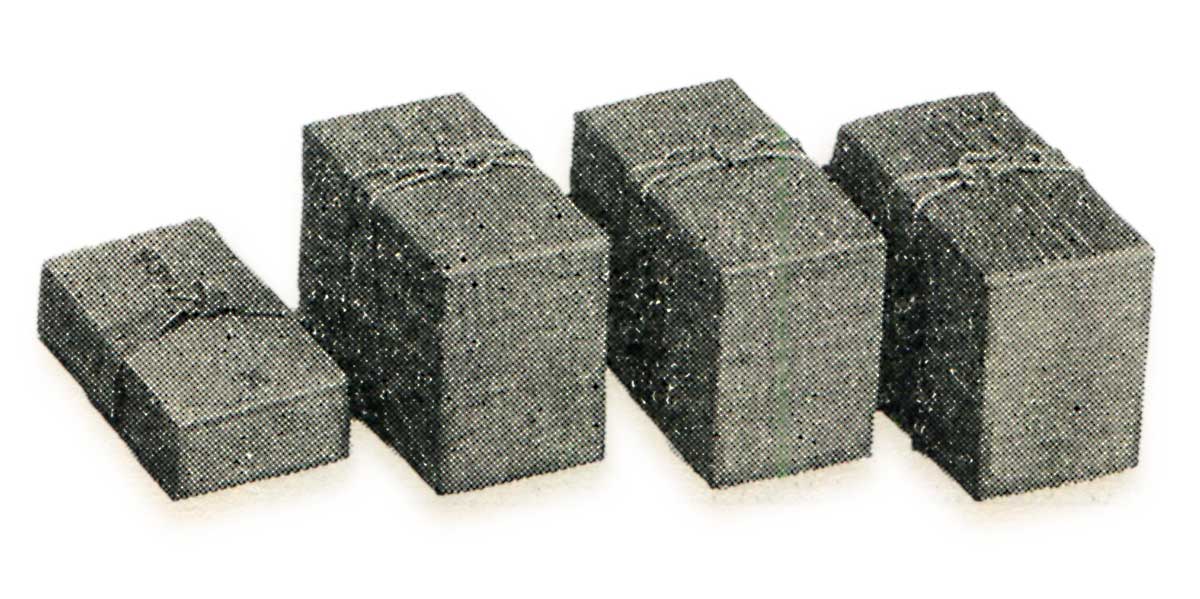
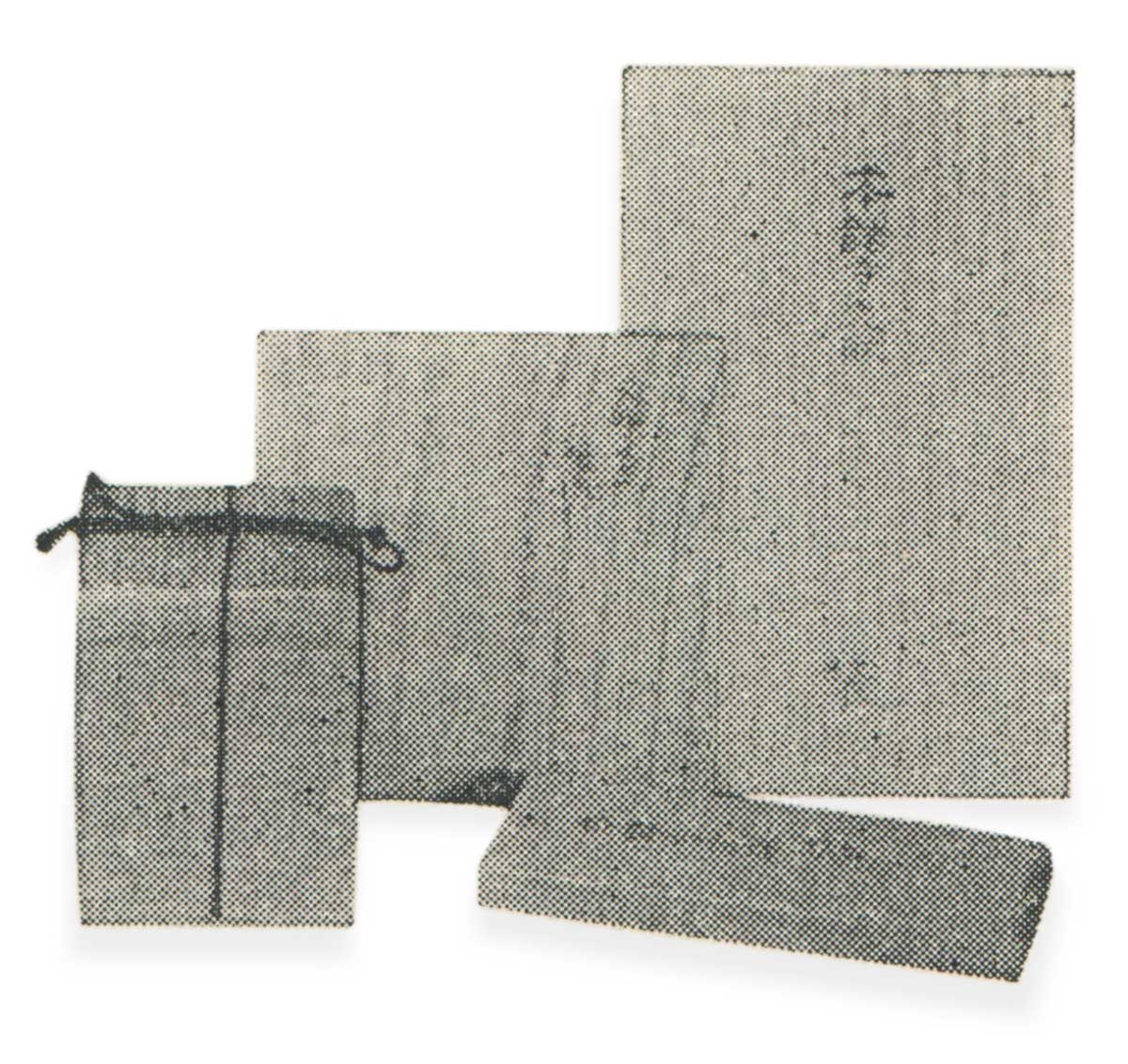
Additional box: Paulownia, white wood, inscription, written by Matsudaira Fumai (bottom)
Basin box: Paulownia, white wood, inscription, written by Matsudaira Fumai
Inner box: Paulownia, white wood