Foreign goods, Daimeibutsu
Accessories
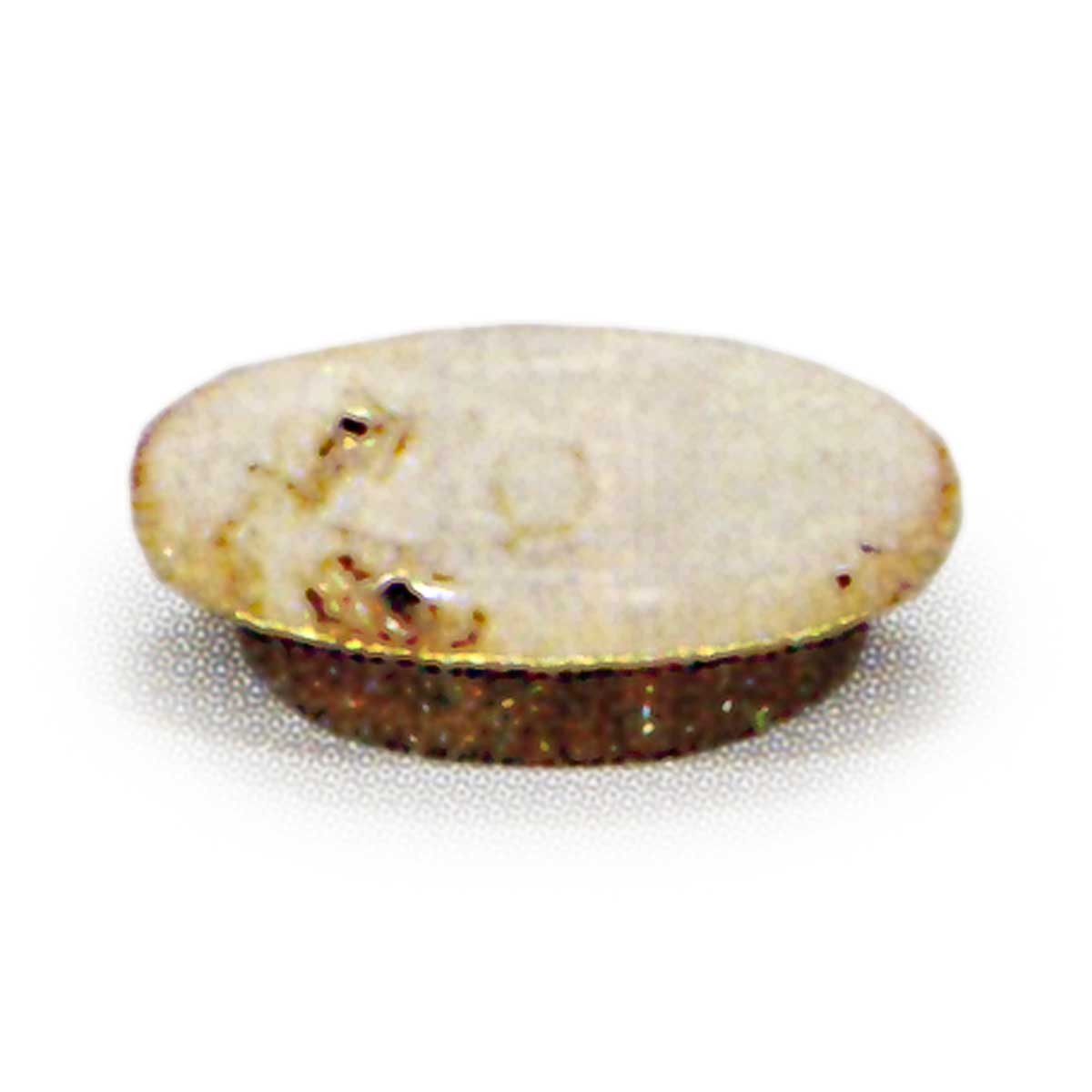
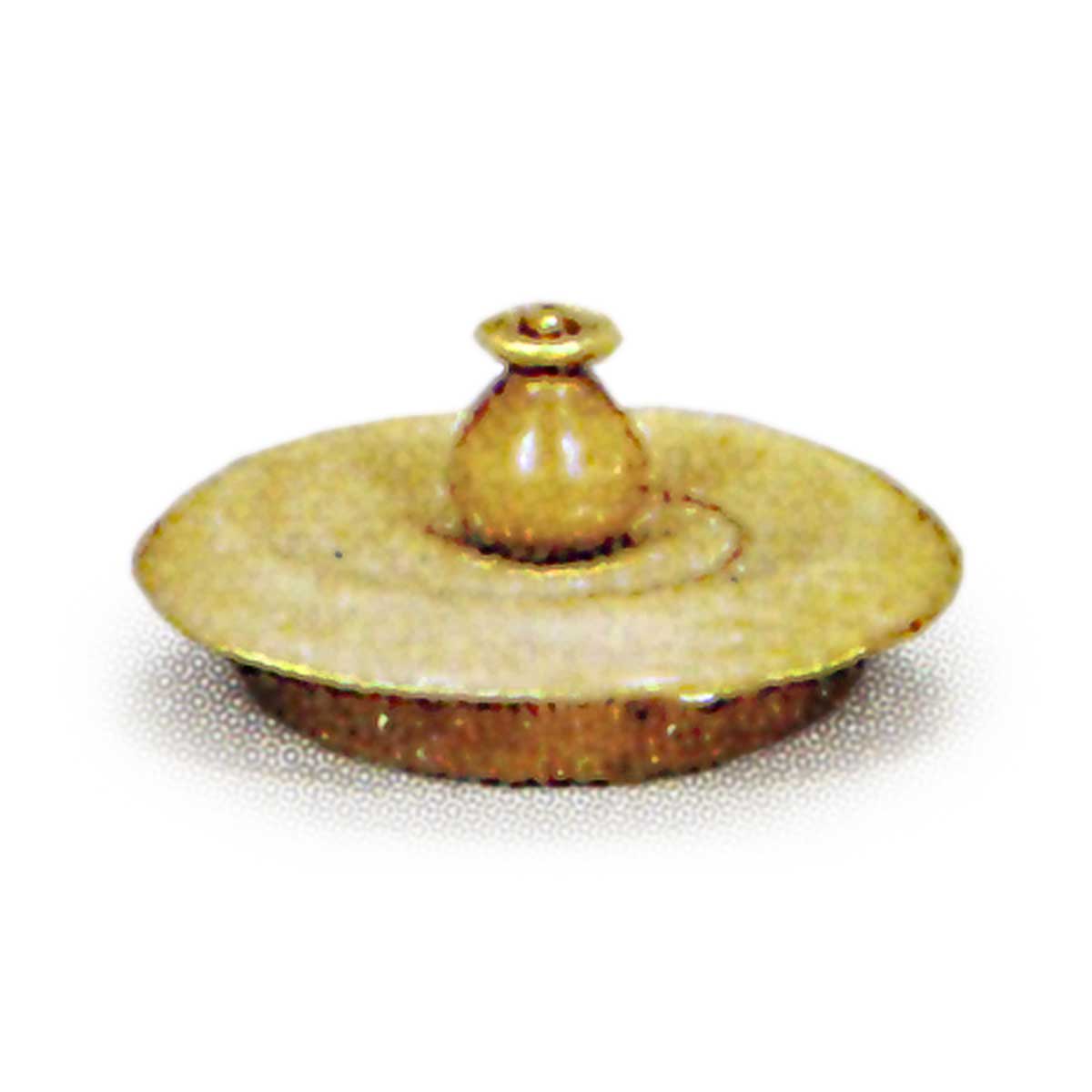
Two lids, knock-in nest, knob made of enoki wood
Five covers
Cover box, white paulownia wood, inscription by Kobori Enshu
Grinder, one, made by Fujishige, inscription “Fujishige” carved on the bottom
Seven-piece lacquered tray, carving of the Seven Sages of the Bamboo Grove on the inside, tray box, white paulownia wood, inscription
Bag box, white paulownia wood, inscription, brushwork by Kobori Muneyuki
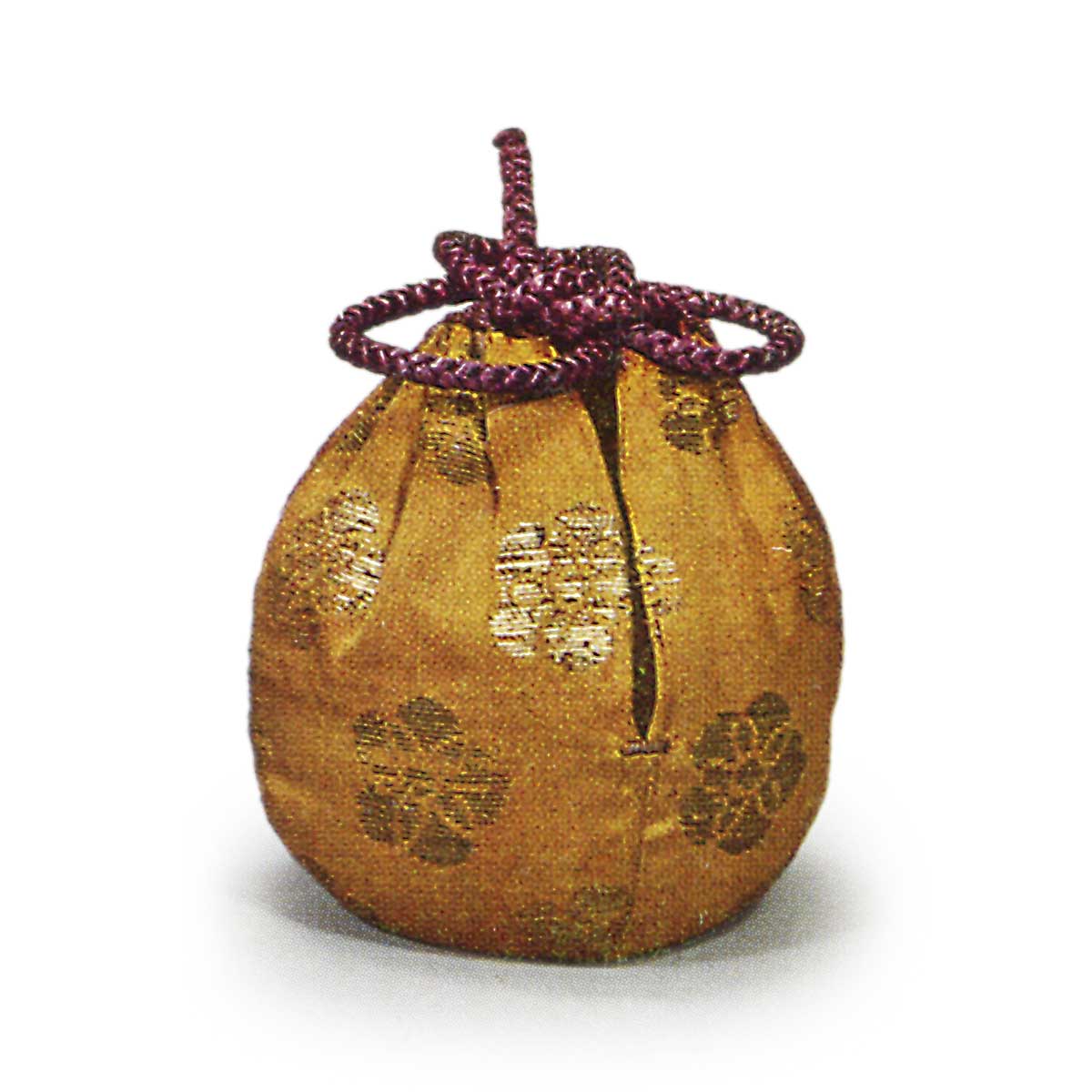
Bag, white paulownia wood
Attached note
Agreement
Transmission
Kitabatake family – Matsukado Shojo – Sakai family – Fujita Heitaro
List
Komeibutsu Ki, Meibutsu Mekiki, Takimoto Bo Kibutsu Chozoki, written by Matsudaira Fumai, Seto Toki Rankan, Kan’ei Chakai Ki, Taisho Meiki Kan.
Dimensions
Height: 6.0 cm, diameter: 2.7 cm, body diameter: 7.0 cm, bottom diameter: 3.0 cm, weight: 65 g.
Owner
Fujita Museum of Art, Osaka
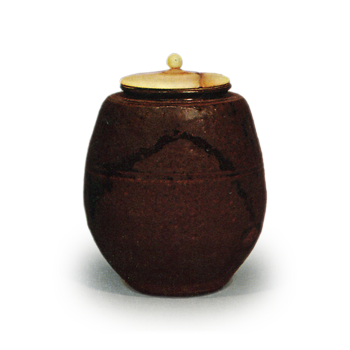
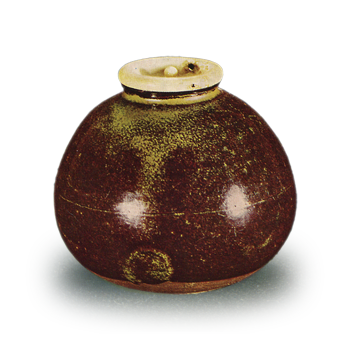
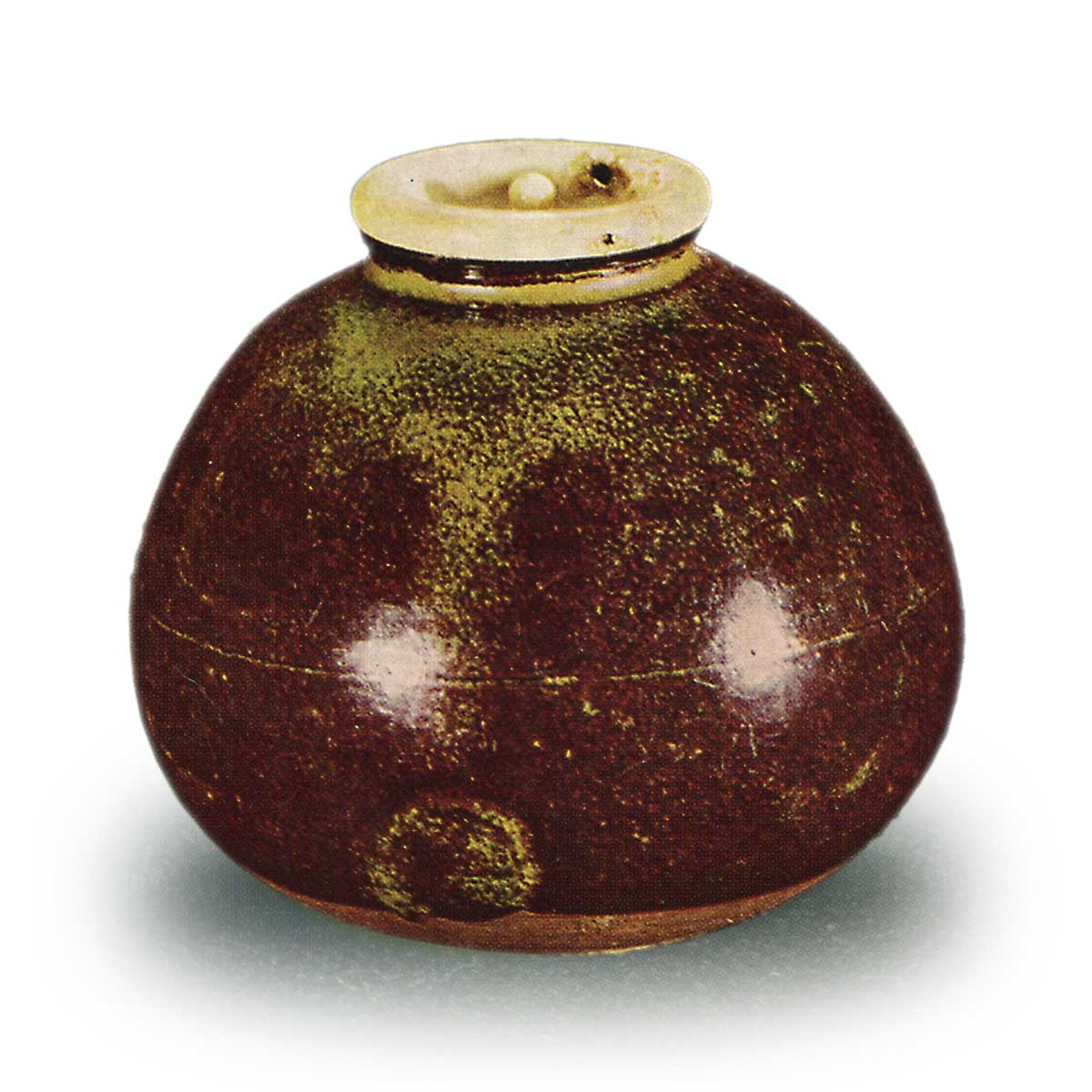
It is said that this Chinese tea caddy is considered the finest of its kind, resembling an eggplant in shape and glaze color. It was originally owned by the Kitabatake clan, the provincial governors of Ise, and later moved to Takimoto-bo in Hachiman, where it was praised as the finest in the land.
When the Sakai family sold their collection, the previous owner of the current collection, Baron Fujita, and Nomura Tokuan both desired this tea caddy and placed bids, but neither would budge. Finally, through the mediation of Ohtani Tsunayoshi, it was decided by lottery, and the tea caddy became part of the Fujita family’s collection.
As legendary as its appearance, it is exceptionally elegant, with a vivid glaze and refined shape. It comes with five covers. The oldest white cover for a Donshu tea caddy has been carefully dismantled and preserved as a bag. Among the other items, the one known as “Kokushikan Kandou” is a very rare and ancient piece. In general, the term “Kokushikan” is used only for covers.
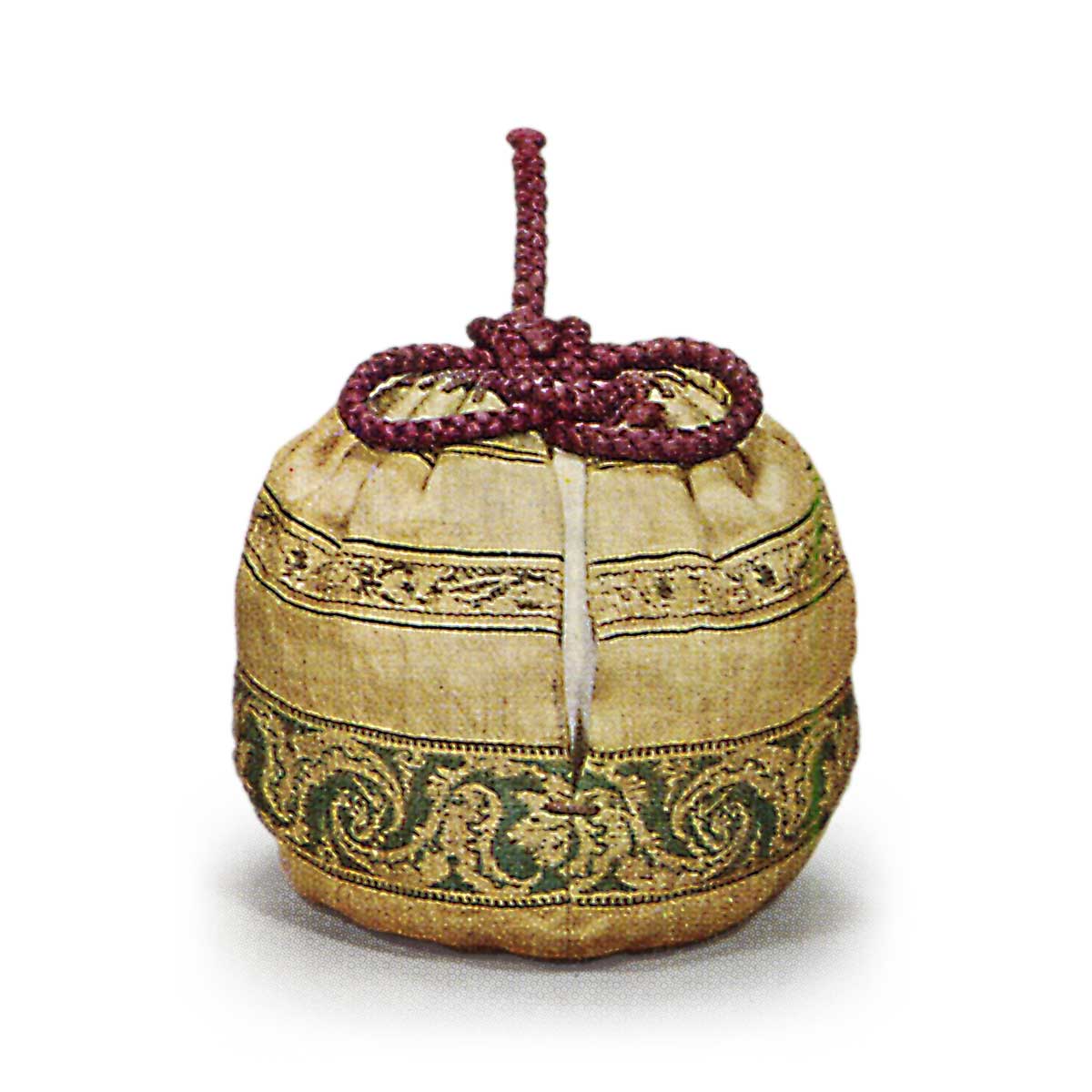
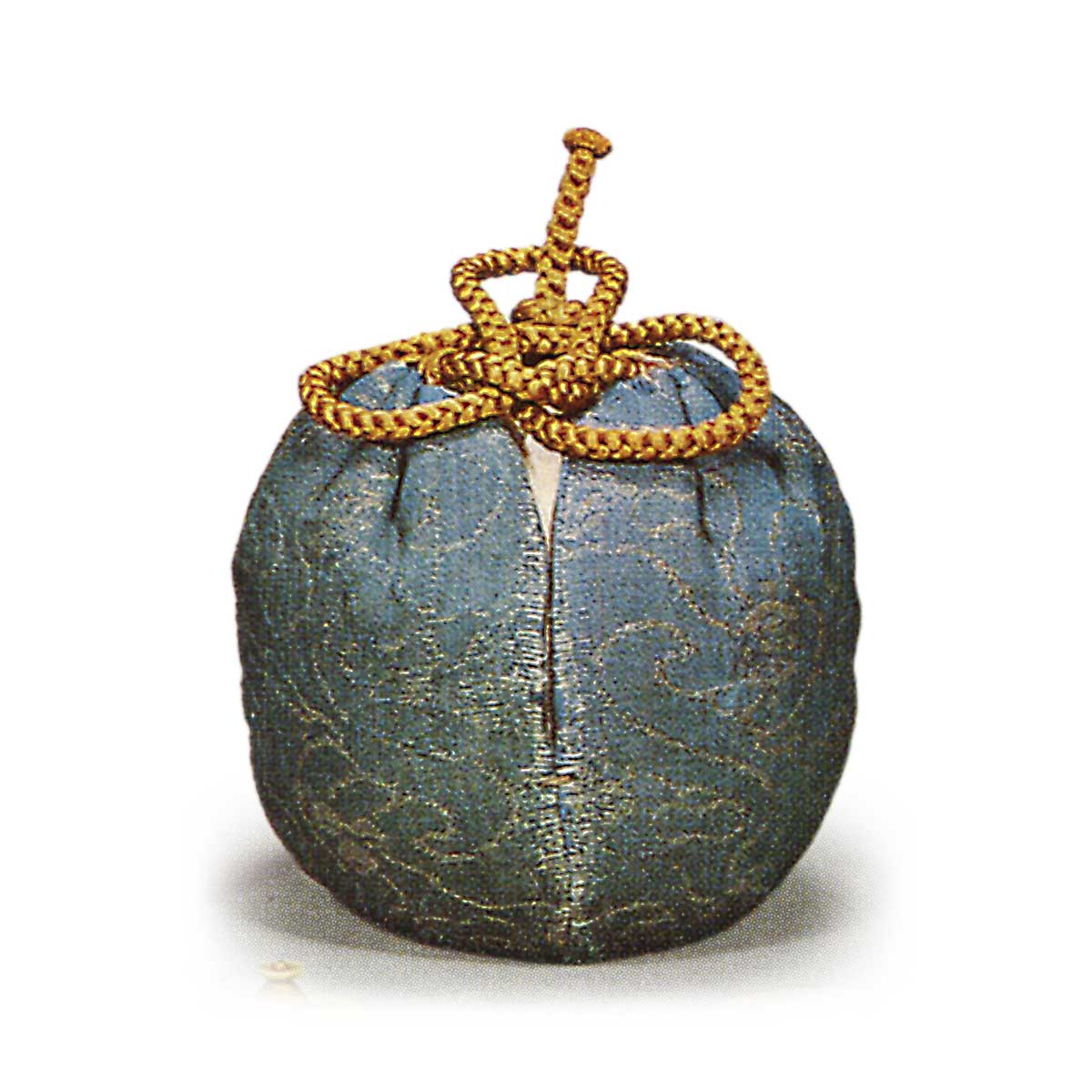
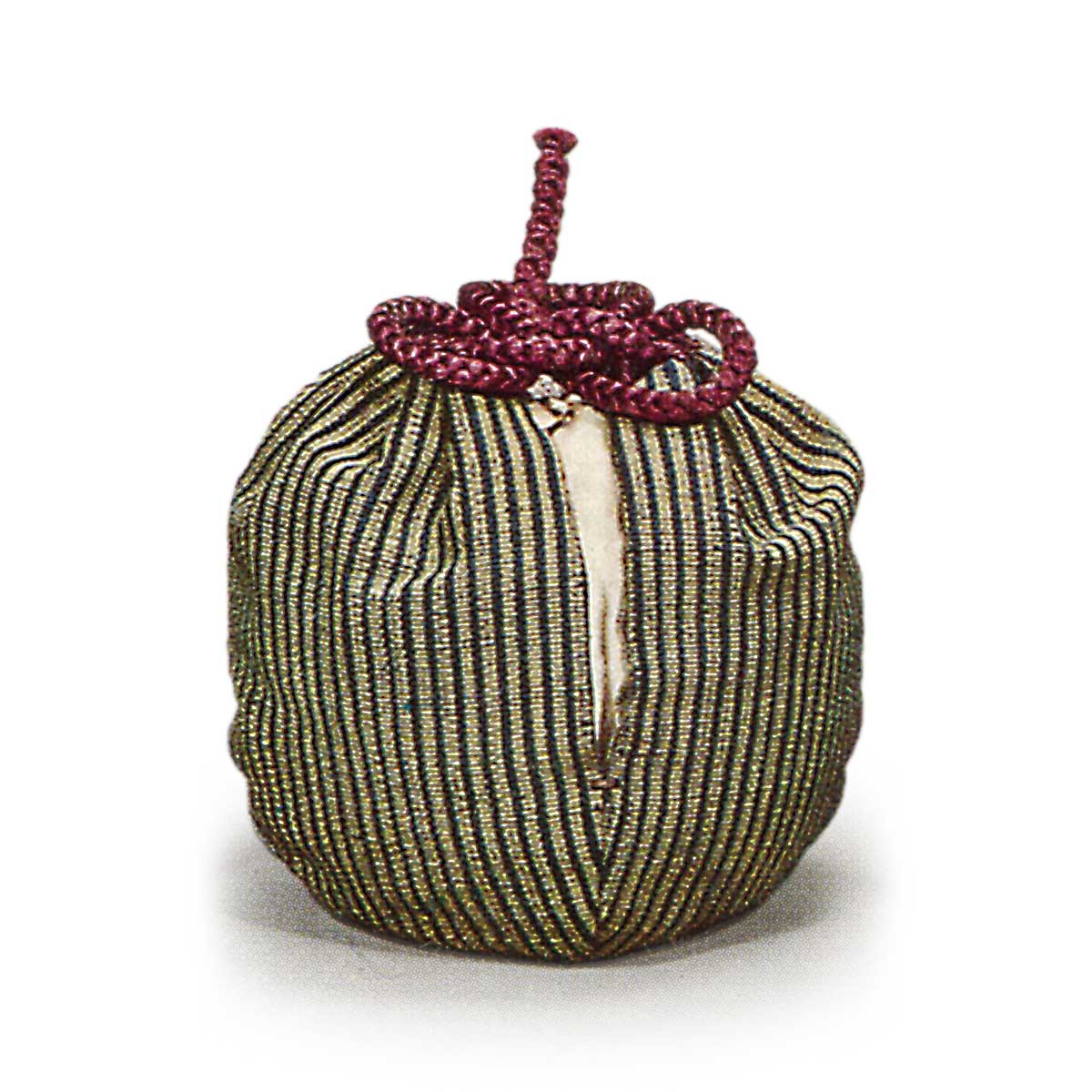
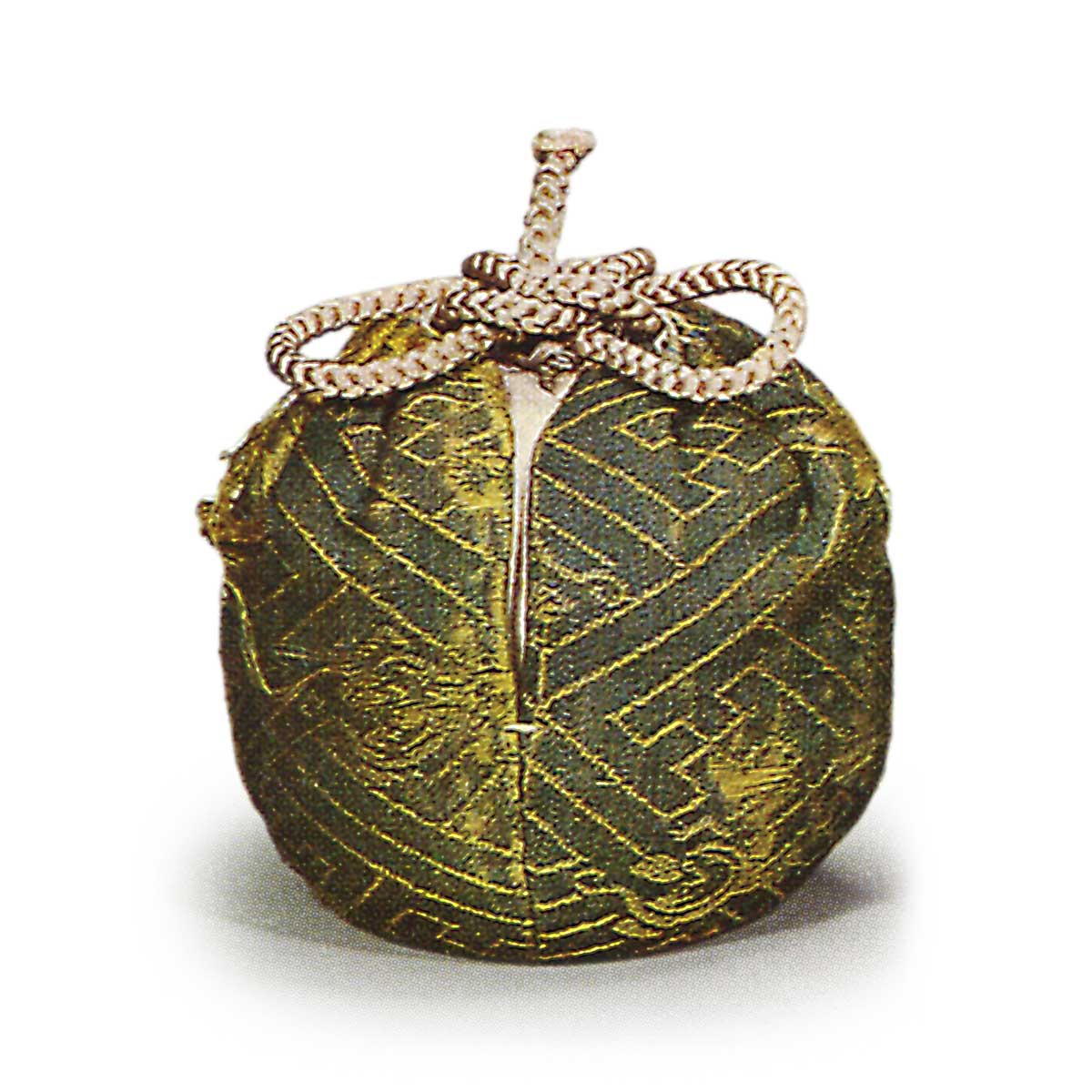

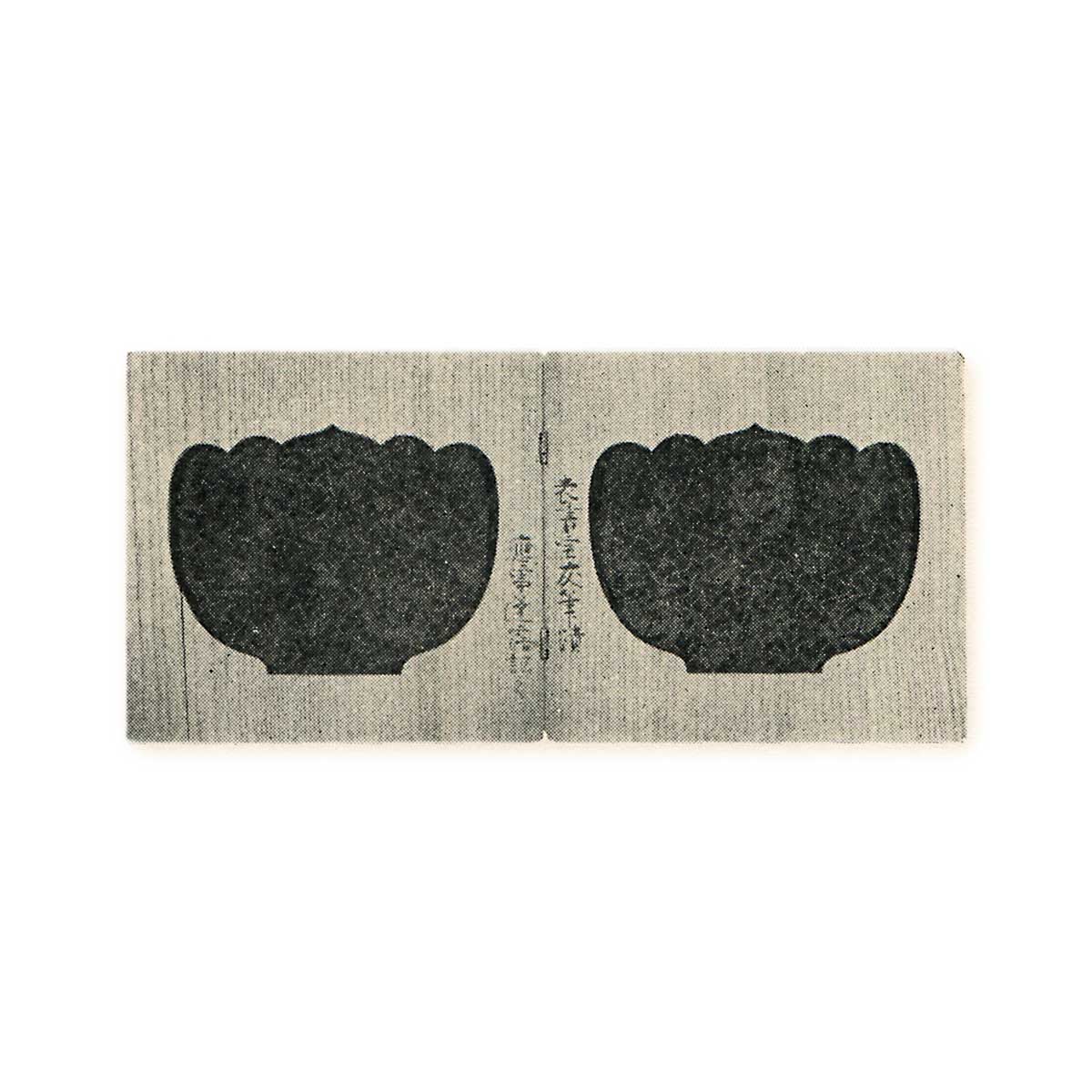
(Note) This is called “teyu” and is inserted into a paulownia board that has been cut open.