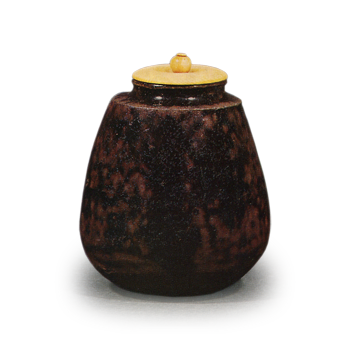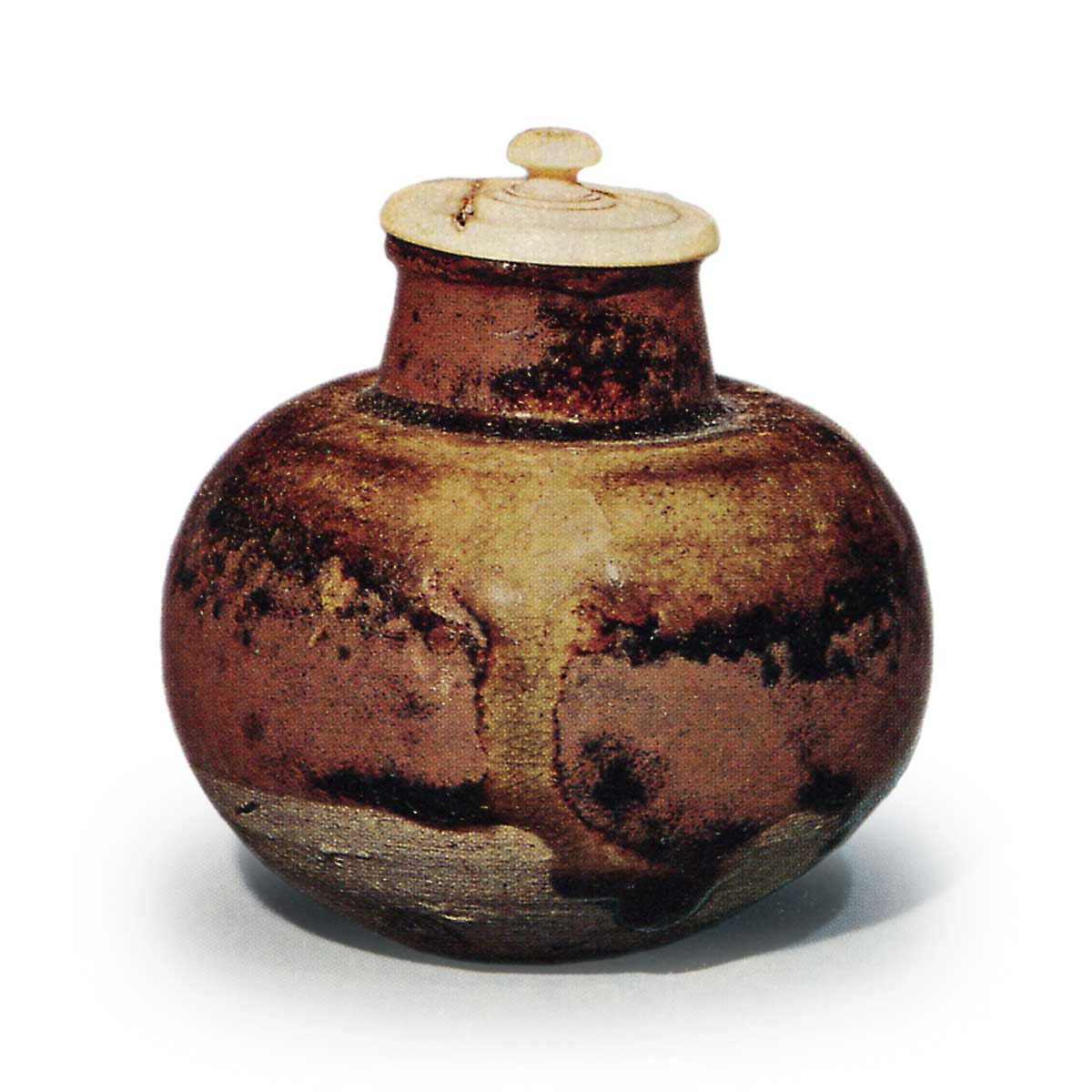
Kose-to, a revived Meibutsu
Accessories
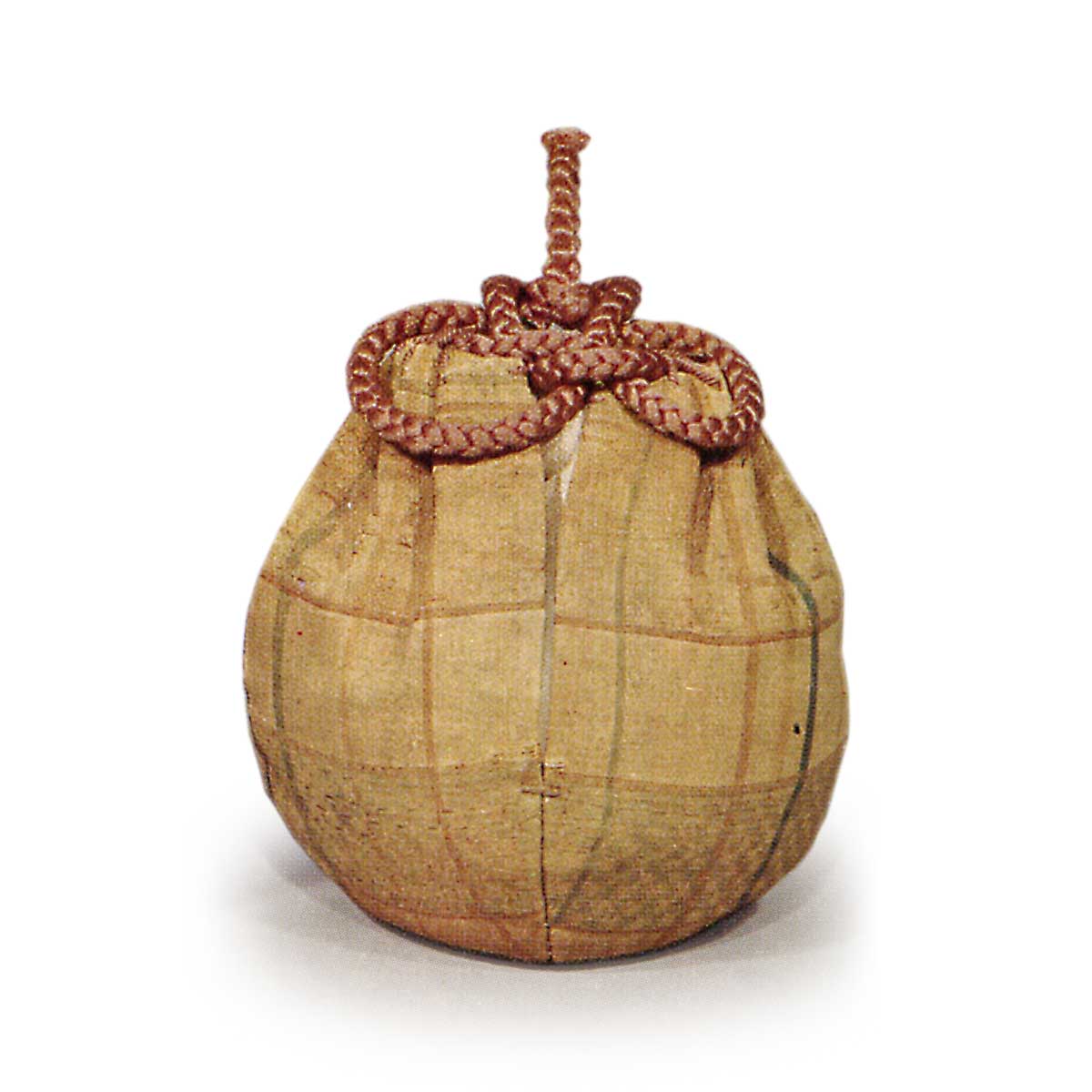
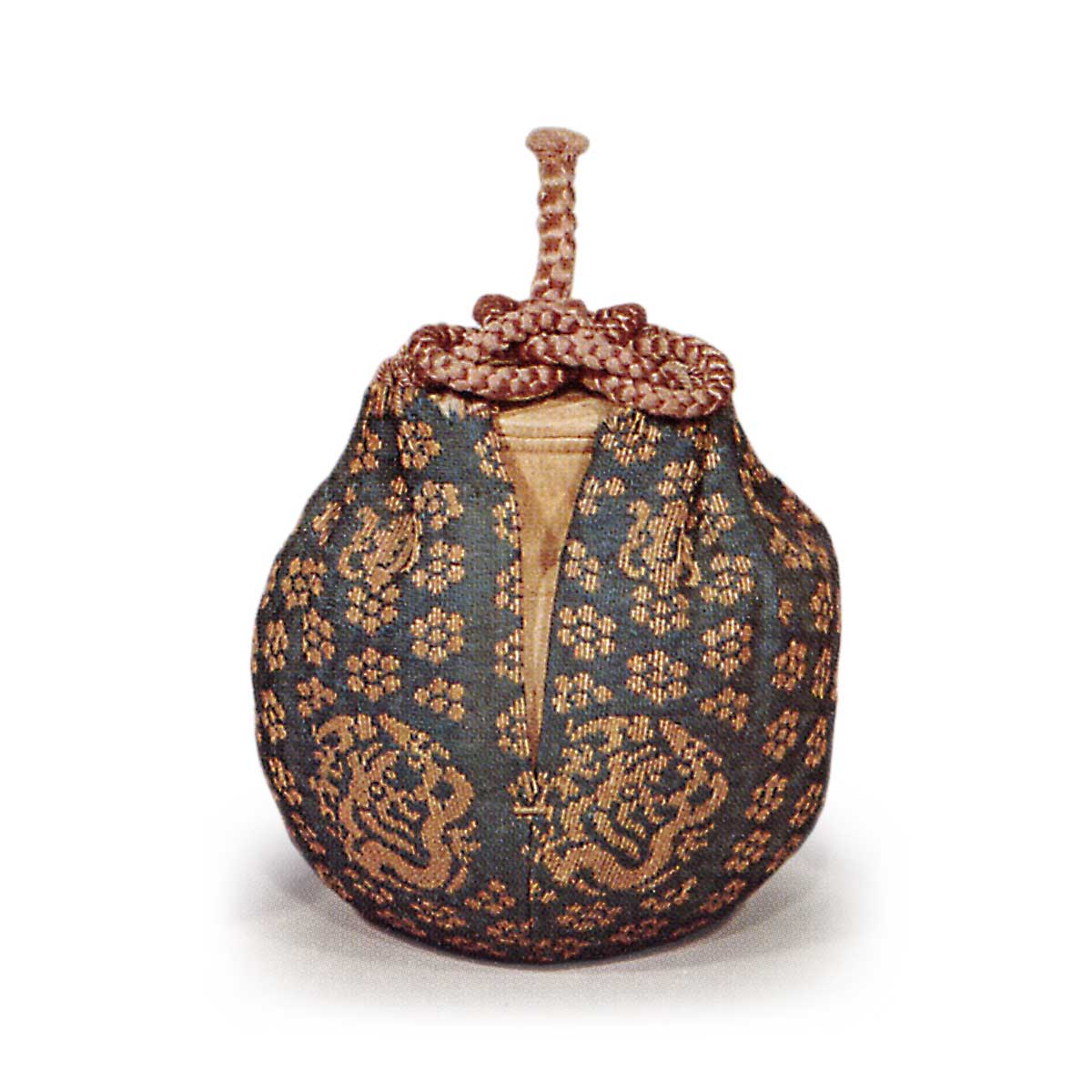
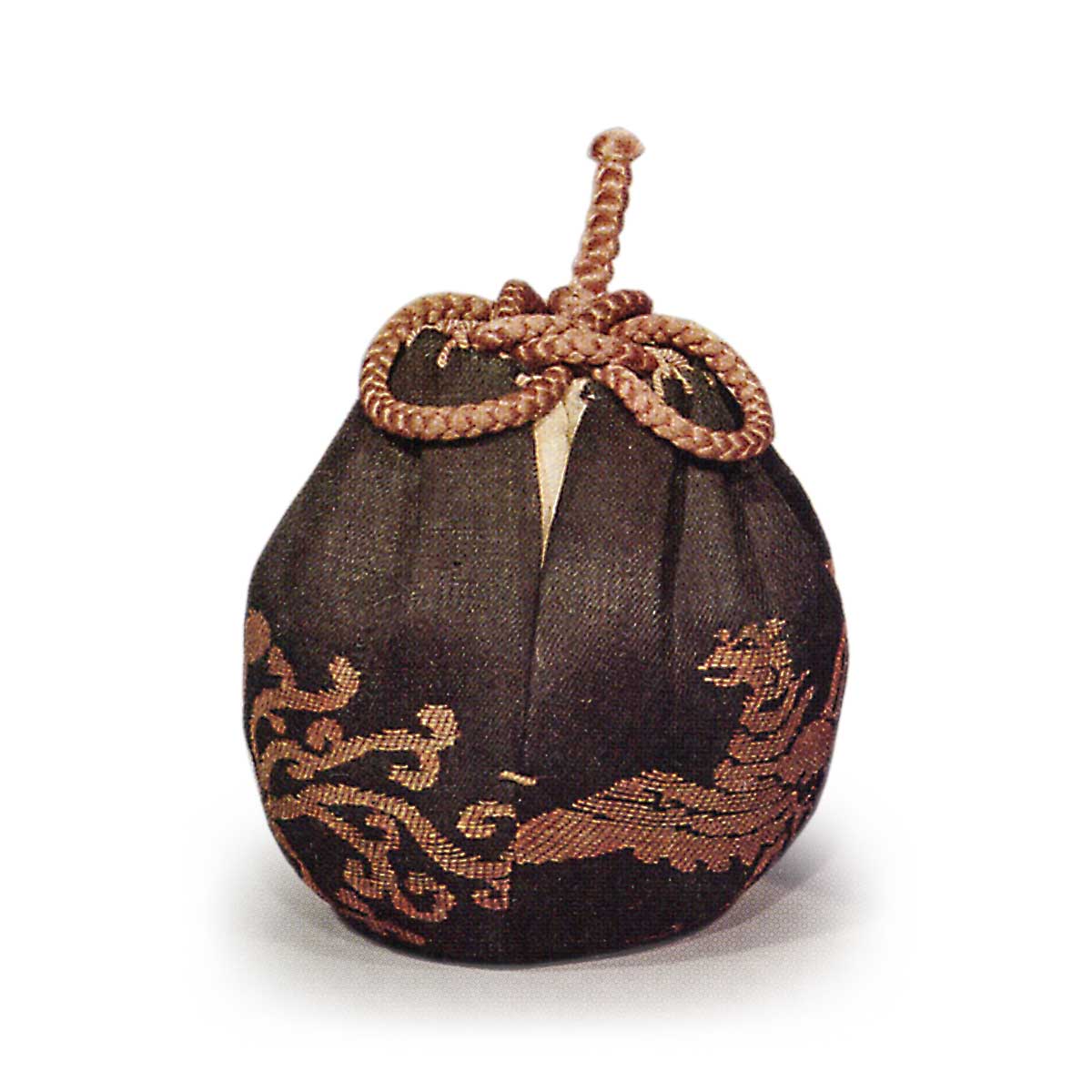
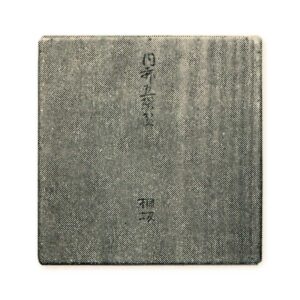
Lids: Six, Enshū style; Lid box: Paulownia, natural wood; Inscription: Written by Kobori Enshū; Cover: Four
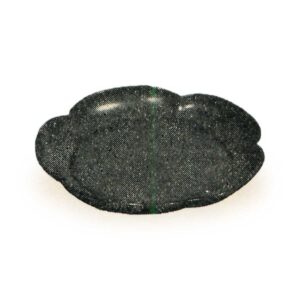
Hikiya: One, black persimmon wood, carved plaque; Inscription: Written by Kobori Enshū; Made by Haru Naru; Chinese-style, five-leaf tray
Inner red, outer curved rim; Bottom black; Tray box: Paulownia, natural wood; Inscription: Written by Kobori Enshū
Inner Box: Paulownia, Unfinished Wood, Inscription by Kobori Enshū
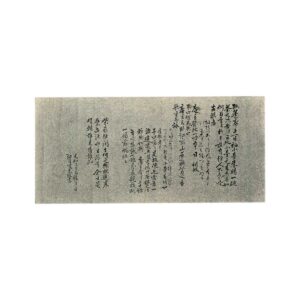
Origin Documents (2): Inscription by Priest Kogetsu, Origin of the Aisaka Mark; Inscription by Priest Kōsetsu, Gatha
Provenance
Kobori Enshū – Kōnoike Branch Family, Yamanaka Zengorō – Kashū, Kameda Sōan Residence – Fujita Family – Nezu Aoyama
Recorded In
Record of Famous Objects: Kokon Meibutsu Ruishu Enshu Shūi, Enshu Meibutsu Ki, Chaki Mokuri Sho, Sōho Chayū Dogu Ki, Kobori Enshu Chayū Nikki, Matsuya Nikki, Toyotomi Hideyoshi 300th Anniversary Grand Tea Ceremony Record, Tōto Chakai Ki Sixth Collection
Dimensions
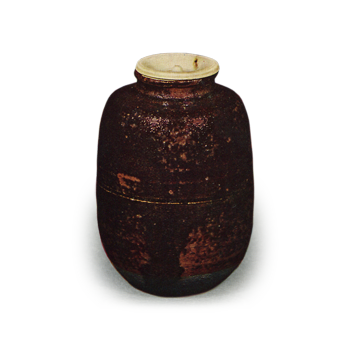
Height: 6.4cm Mouth Diameter: 2.7cm Base Diameter: 3.1cm Body Diameter: 6.9cm Weight: 95g
Owner
Nezu Museum, Tokyo
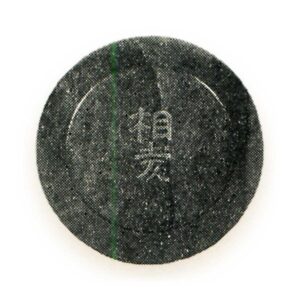
Read as Aisaka, sometimes written as Aisaka. Round-bodied tea caddies are truly rare among ancient Seto wares.
The round-bodied style adopts the form of Chinese tea caddies, but it was Enshū who discovered this design. Its defining feature is the long neck rising from a perfectly round body, making it a rare piece even among ancient Seto kilns.A thin Seto glaze covers the entire vessel. From the middle of the neck down, a deep black glaze forms a cloud-like pattern, while a faint yellow glaze appears and cascades down, creating a truly excellent form. The base is neatly finished with a fine, clean thread-cut rim, indicating a high level of craftsmanship.The four storage covers are interestingly paired: two feature Aisaka Kinran and Katsuragi-kirimono, while the other two are likely Enshu’s own creations.