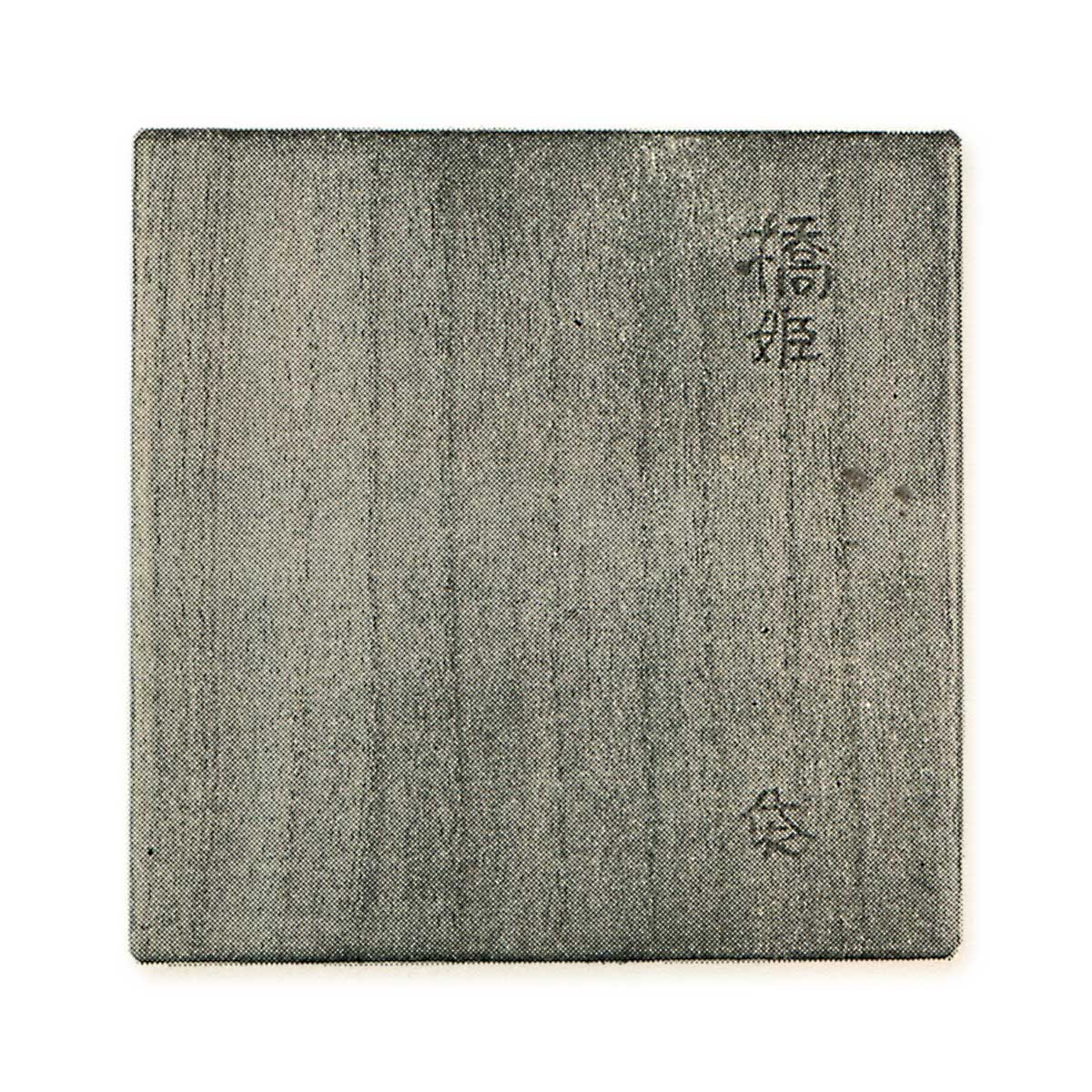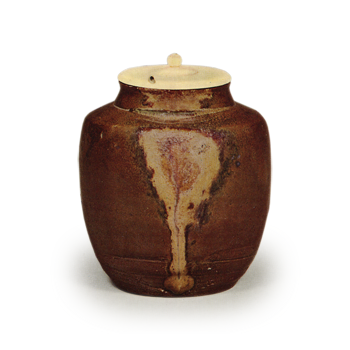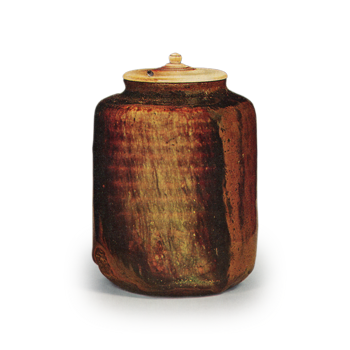
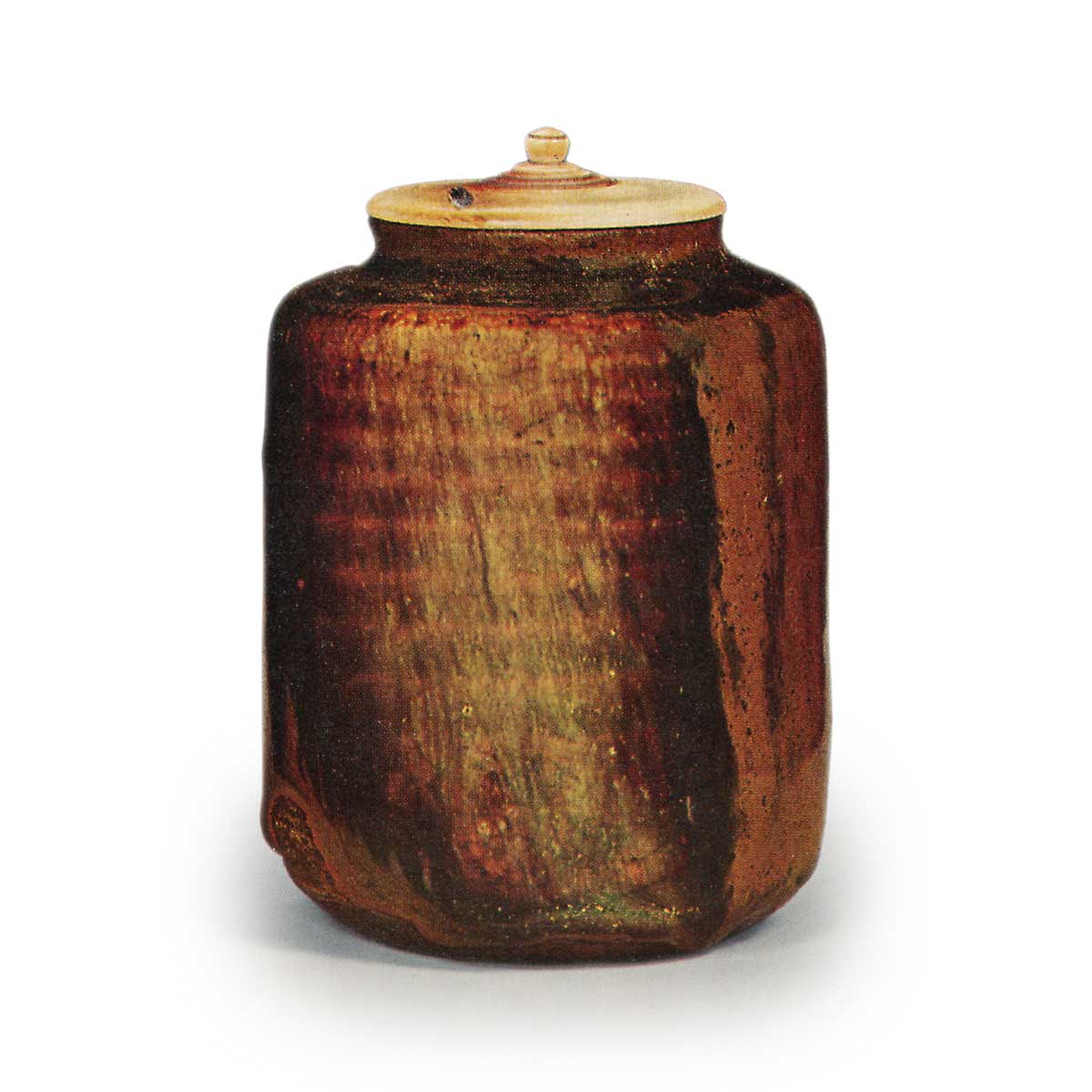
Shin-Chūko, Hashihime Model Poem, Revival Meibutsu
Accessories
Lid x1, Nest
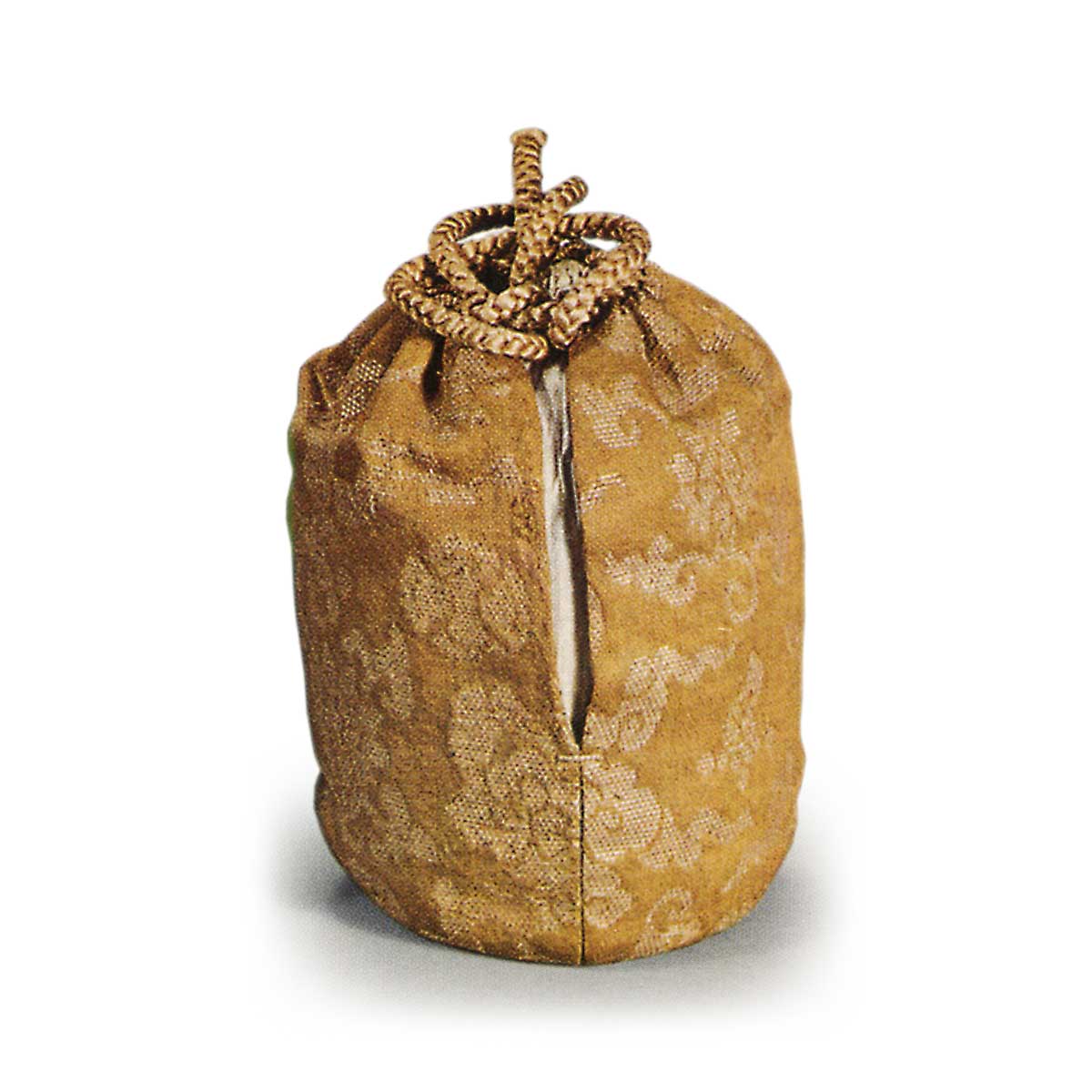
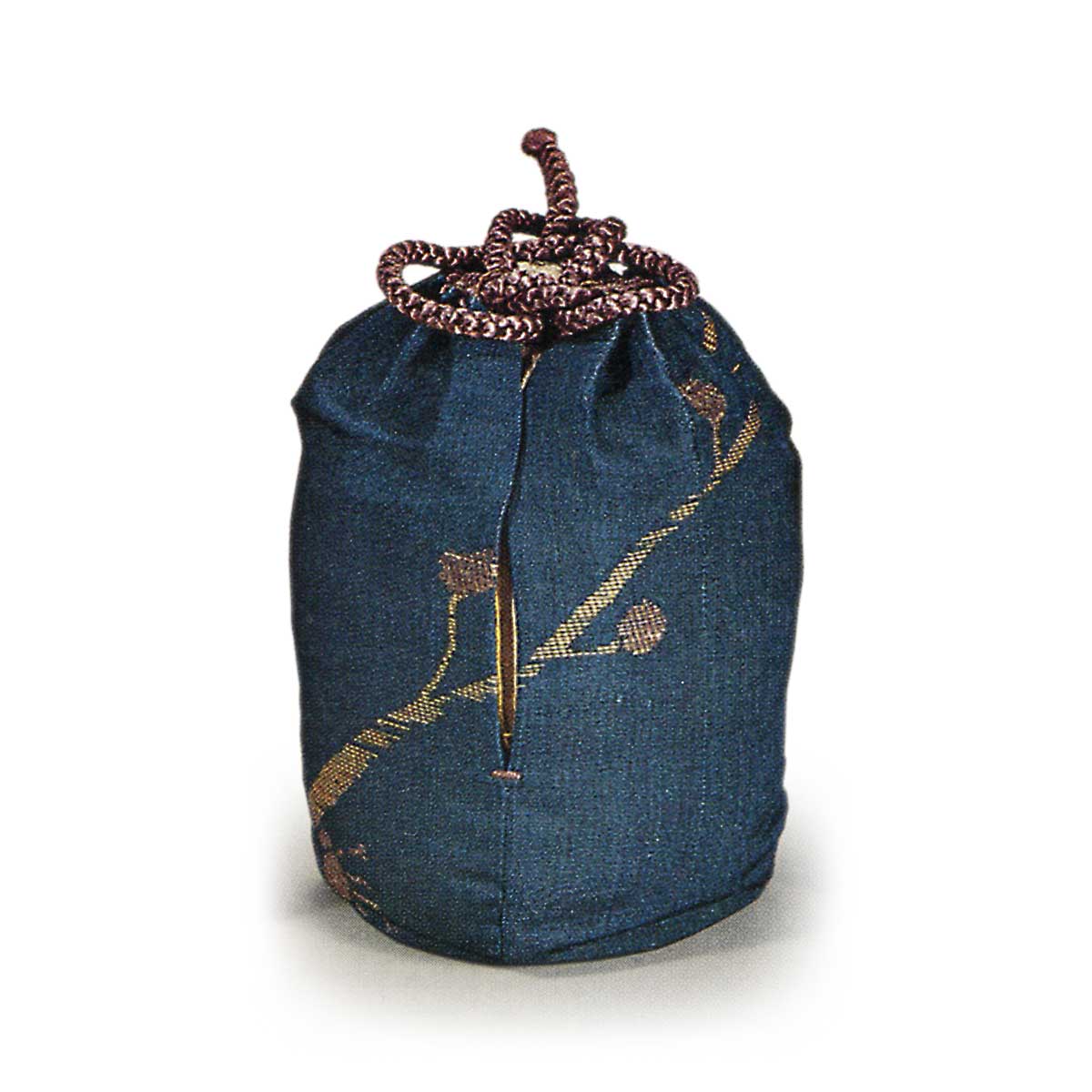
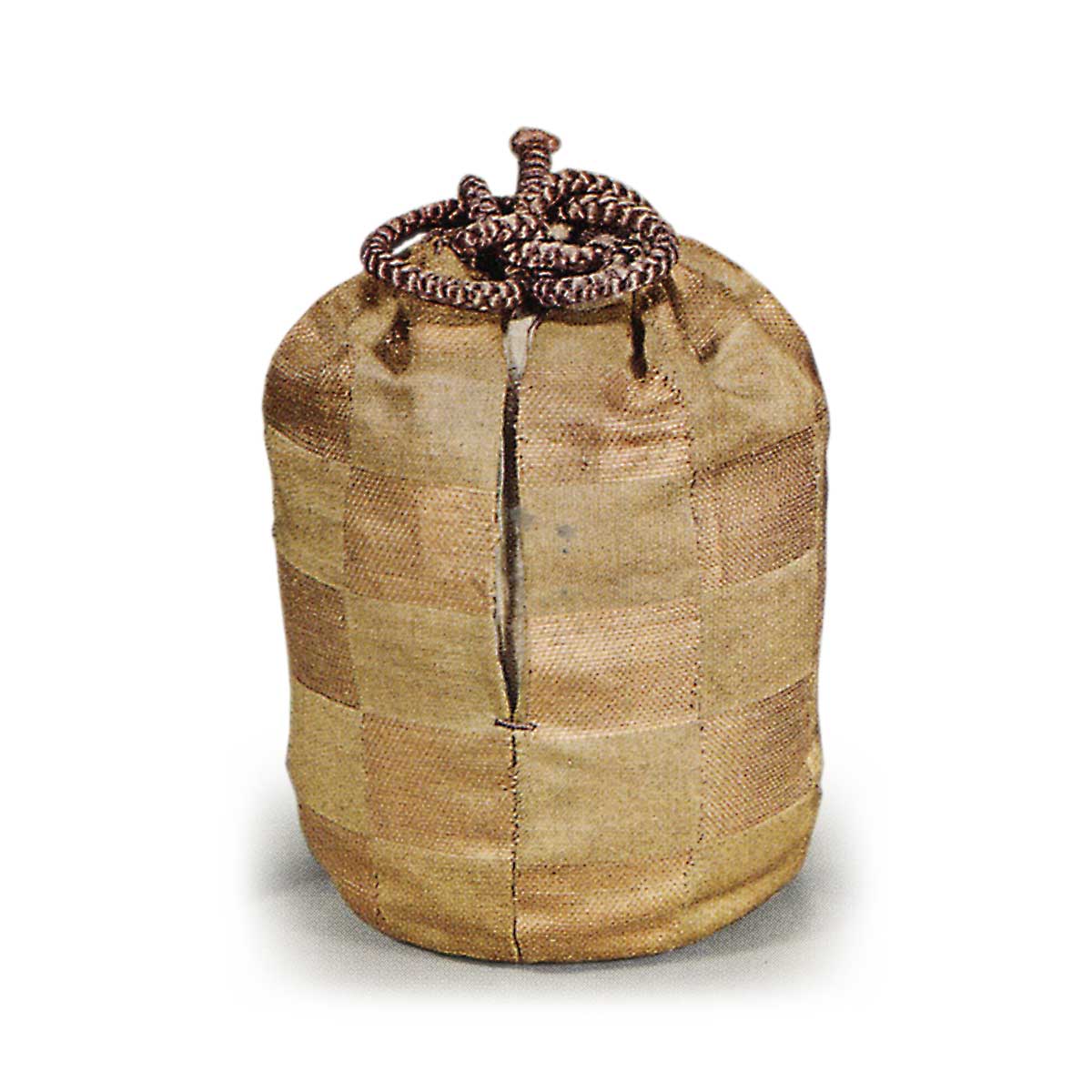
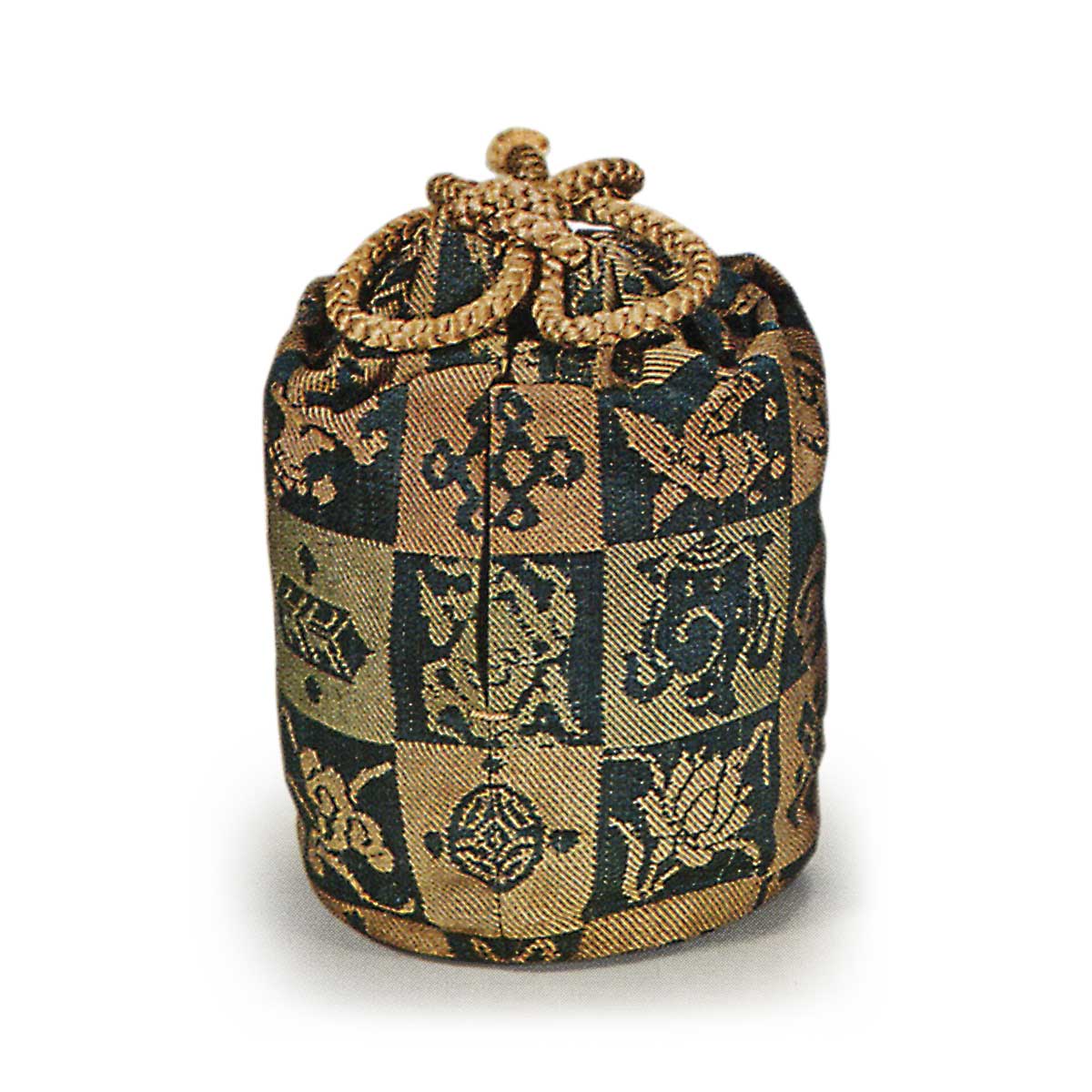
Cover x4, Cover Box, Paulownia Wood, Inscription, by Kobori Enshū
Box, Paulownia Wood, Inscription, by Kobori Enshū
Certificate x1, from Mitsui Hachirōemon to Takahashi Yūin
Provenance
Kobori Enshū → Kyoto, Mitsui Family → Wakashū, Sakai Tadatsugu
Recorded In
Meibutsu-ki, Kankyo Gubitsu, Chaki Mokuri Shū, Shokake Chin’iki no Kaku, Sakurayama Ichi’yū Nikki, Kobori Family Tea Utensils Outbound Register, Kikuniya Hikojiro, Kansō Zatsuki, Mitsui Family Documents
Dimensions
Height: 7.8cm, Mouth Diameter: 3.9cm, Body Diameter: 6.2cm, Base Diameter: 4.2cm, Weight: 160g
This tea caddy, too, among genuine middle-period tea caddies, ranks alongside those bearing traces of Noda-style workmanship as one displaying abundant glaze patterns.
A defining characteristic of this type is the remarkable scenery within the glaze—where colors vividly flow from the shoulder down—including a near-transparent yellow glaze that reveals the wheel marks of the clay body.
The cylindrical form with a shoulder-cut is characteristic of this type, and the clay appears firm, perhaps a hallmark of the Shingo period.
The shifuku (cover) is also in the style of Enshu, with four types attached.
It is said Enshu particularly cherished this tea caddy, yet few examples of this same style, following this original model, remain. The author first encountered one during an auction by the Sakai family of Wakashu.
Inscription: Written by Kobori Enshu