
Shin-Chuko Omoigawa Model Poem Revival Meibutsu
Accessories
Lids: Four (One without inner compartment) Enshu-style, Sohwa-style
Cover: Three
Hikiya: One, Flower-patterned, Gold-powdered characters inscribed, by Kobori Enshu, Hikiya cover: One
Inner Box: Paulownia wood, white lacquer, inscribed, by Kobori Enshu
Same Lid Interior: Paper Label with Poem Inscription, by Kobori Enshū
Transfer Document: One, Attached Item: Inscription by Nakain Tōshige
Omoigawa
Transmission History
Chaya Shirōjirō ― Mitsui Family ― Hijikata Nōnosuke ― Edo Ogibashi, Nagaoka Family ― Matsudaira Kakudō
Recorded In
Meibutsu-ki (Record of Famous Tea Utensils) / Chaya Suiko-sho (Miscellany of Drunken Tea Masters) / Shokke Meiki-shu (Collection of Famous Utensils from Various Houses) / Meibutsu-zu Kirikata (Illustrated Guide to Famous Utensils) / Meibutsu Chairin Mokuri-no-sho (Book on Appraising Famous Tea Containers) / Mokuri-sō (Book of Appraisal) / Meibutsu Mokuri Mon-sho (Record of Famous Utensil Appraisals) / Enshū Meibutsu-ki (Enshū’s Record of Famous Utensils) / Enshū Shijō Meika-chō (Enshū’s Register of Famous Utensils in His Possession)
Dimensions
Height: 7.4cm / Mouth Diameter:
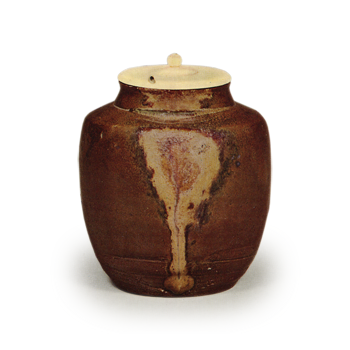
Read as “Omokawa.” A name inscribed by Enshū, belonging to the true ancient kilns, yet both the clay and glaze application appear to differ from those of Noda and Hashihime.
The shoulder-strike shape is correctly formed. A cloudy-toned overall glaze covers it, with yellow glaze flowing strongly from the rim to the shoulder, gathering beautifully at the base like dewdrops, harmonizing the overall appearance.The base clay appears soft with a hint of whiteness, featuring a single thick ring pattern within the wheel-cut lines. It is a tea caddy with a well-balanced appearance.
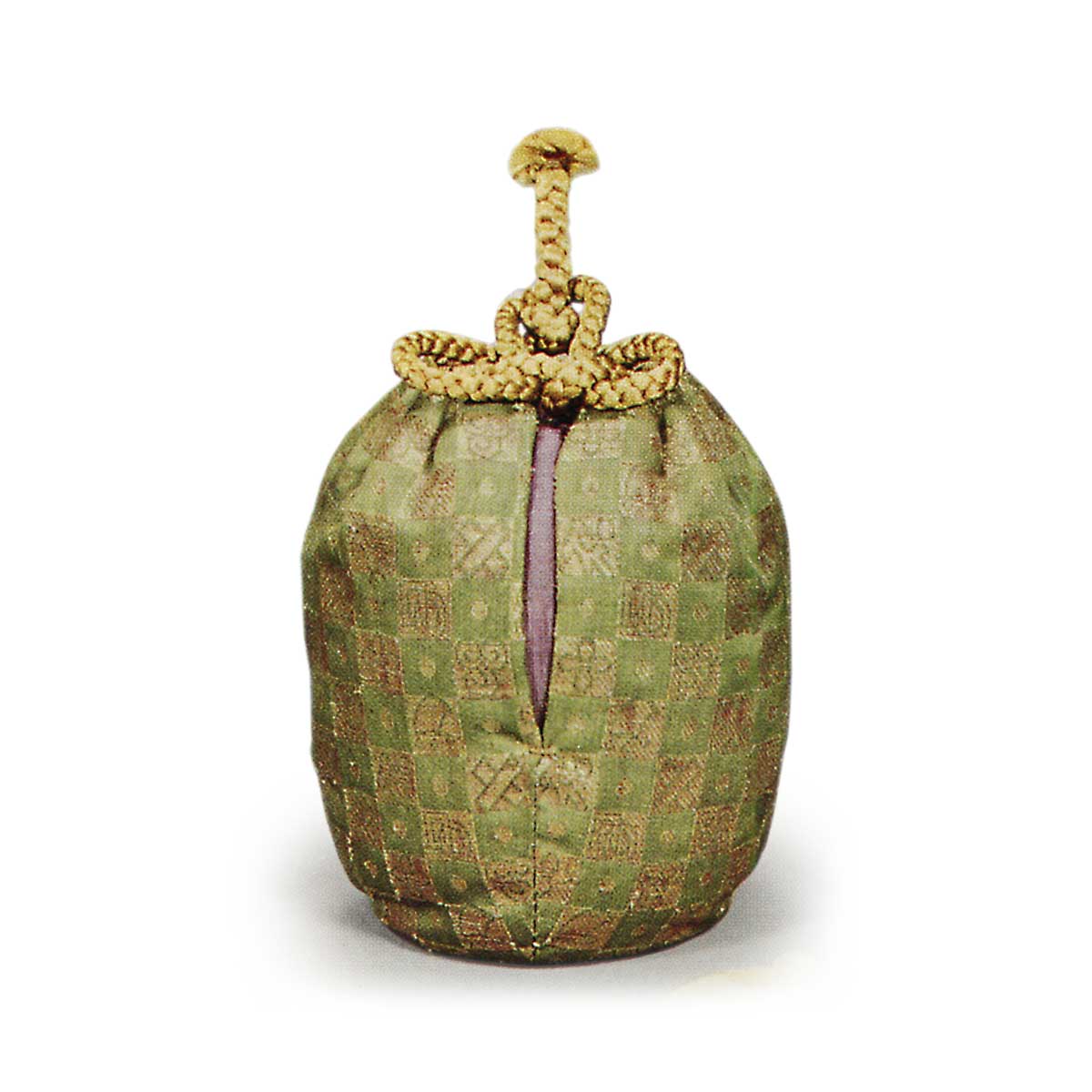
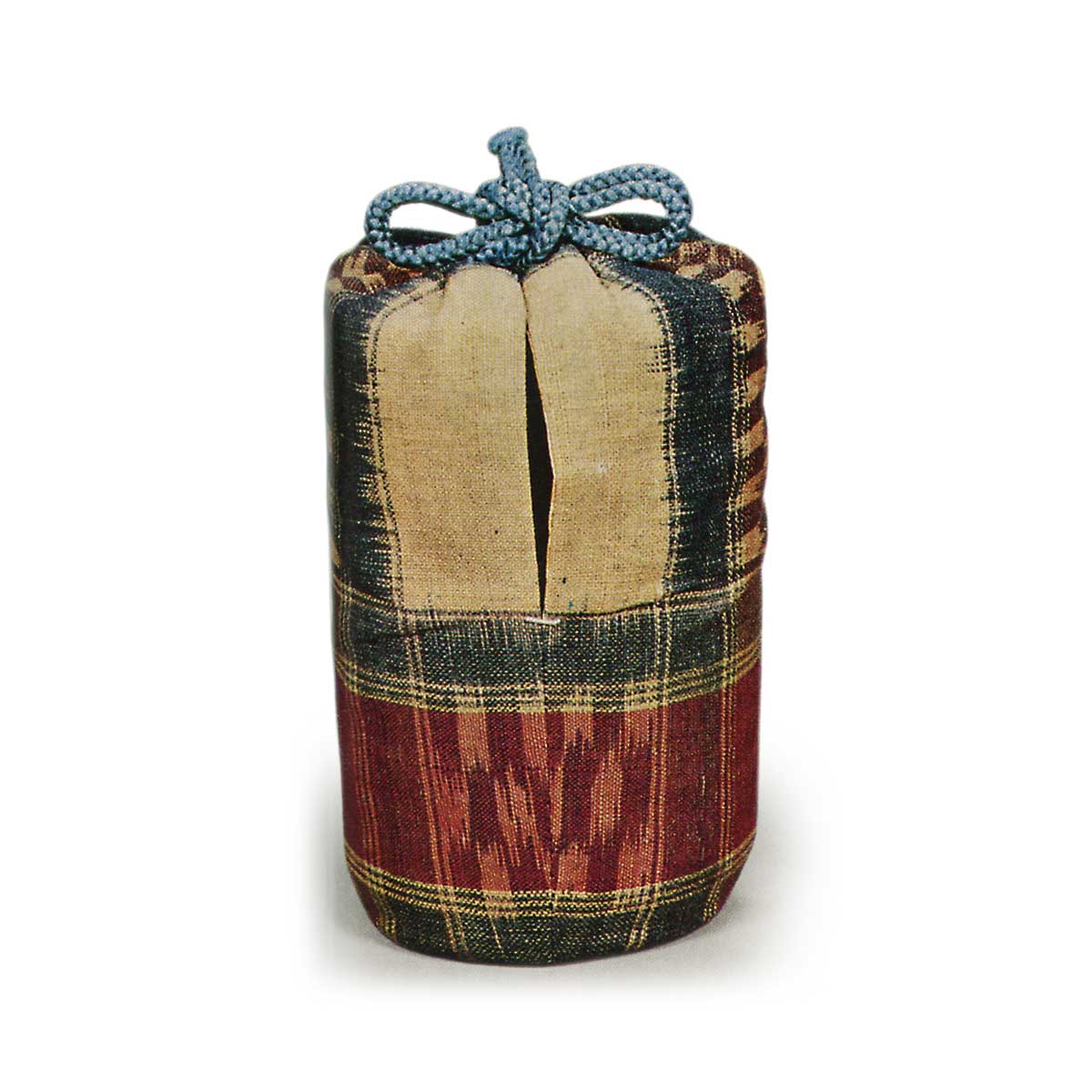
The cover cloths all seem to reflect Enshū’s taste, with the gold Kinran brocade pattern of fishing stones on a stone pavement being particularly rare. This tea caddy has been the subject of much discussion among Edo’s connoisseur daimyō and tea enthusiasts.



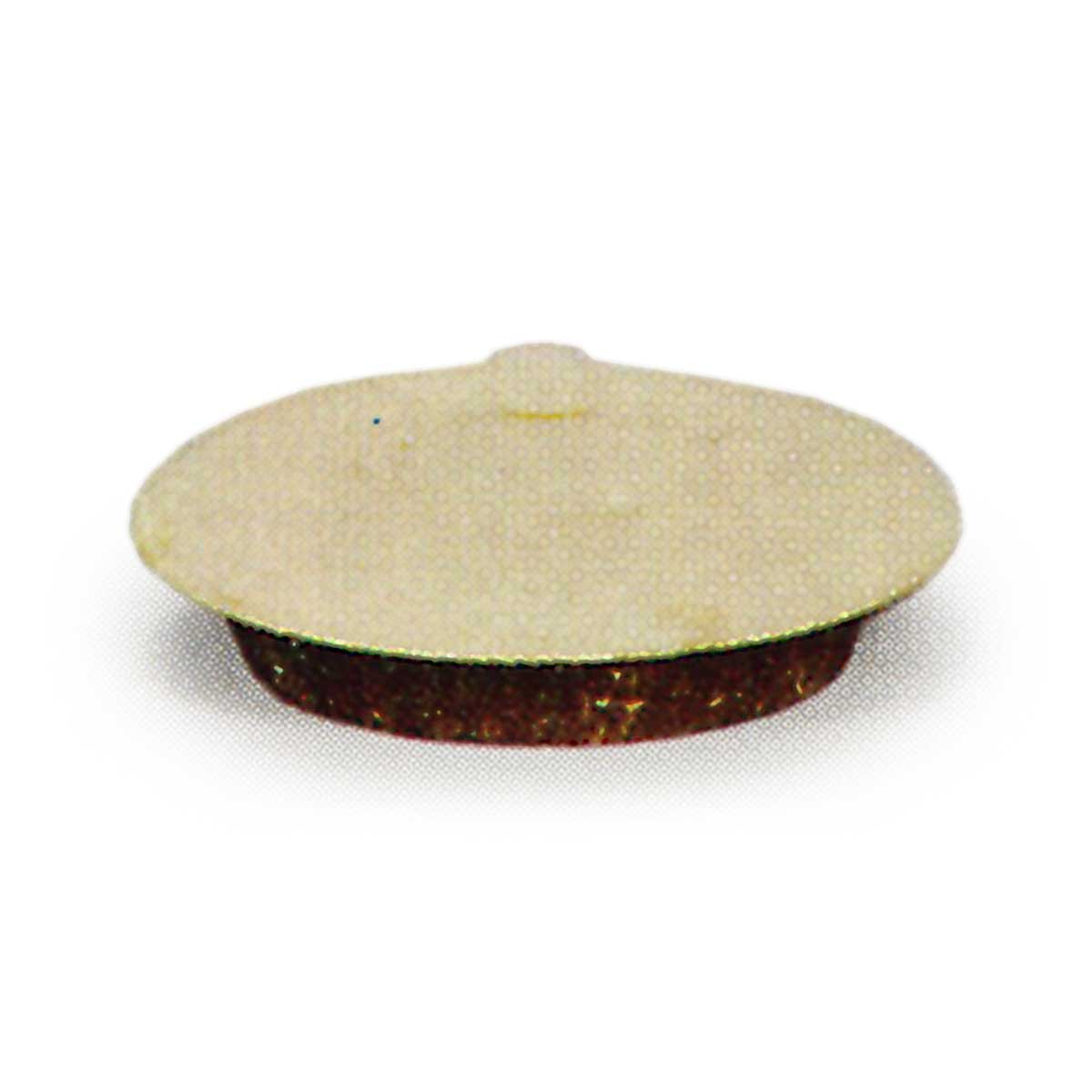
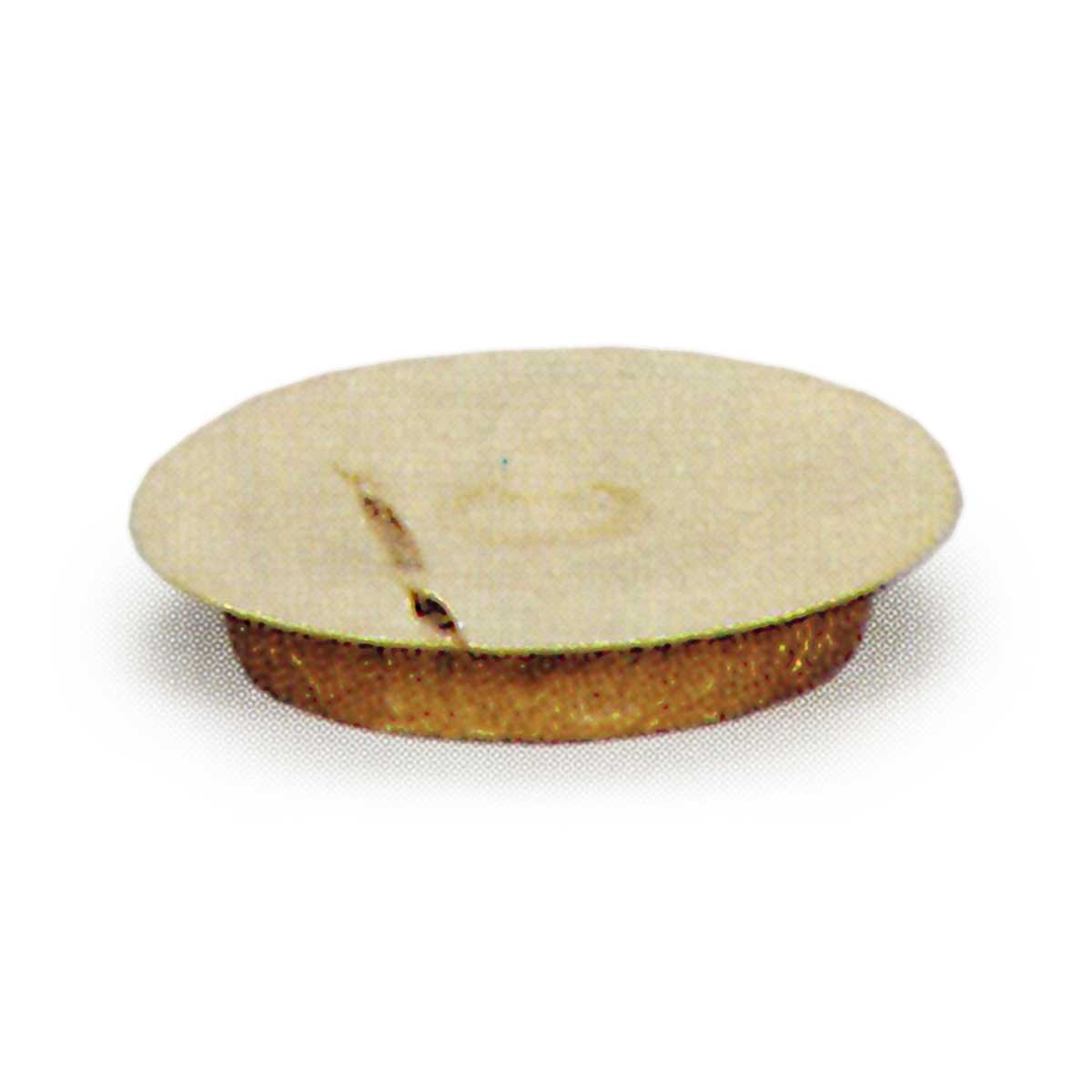


Inscription, by Kobori Enshu
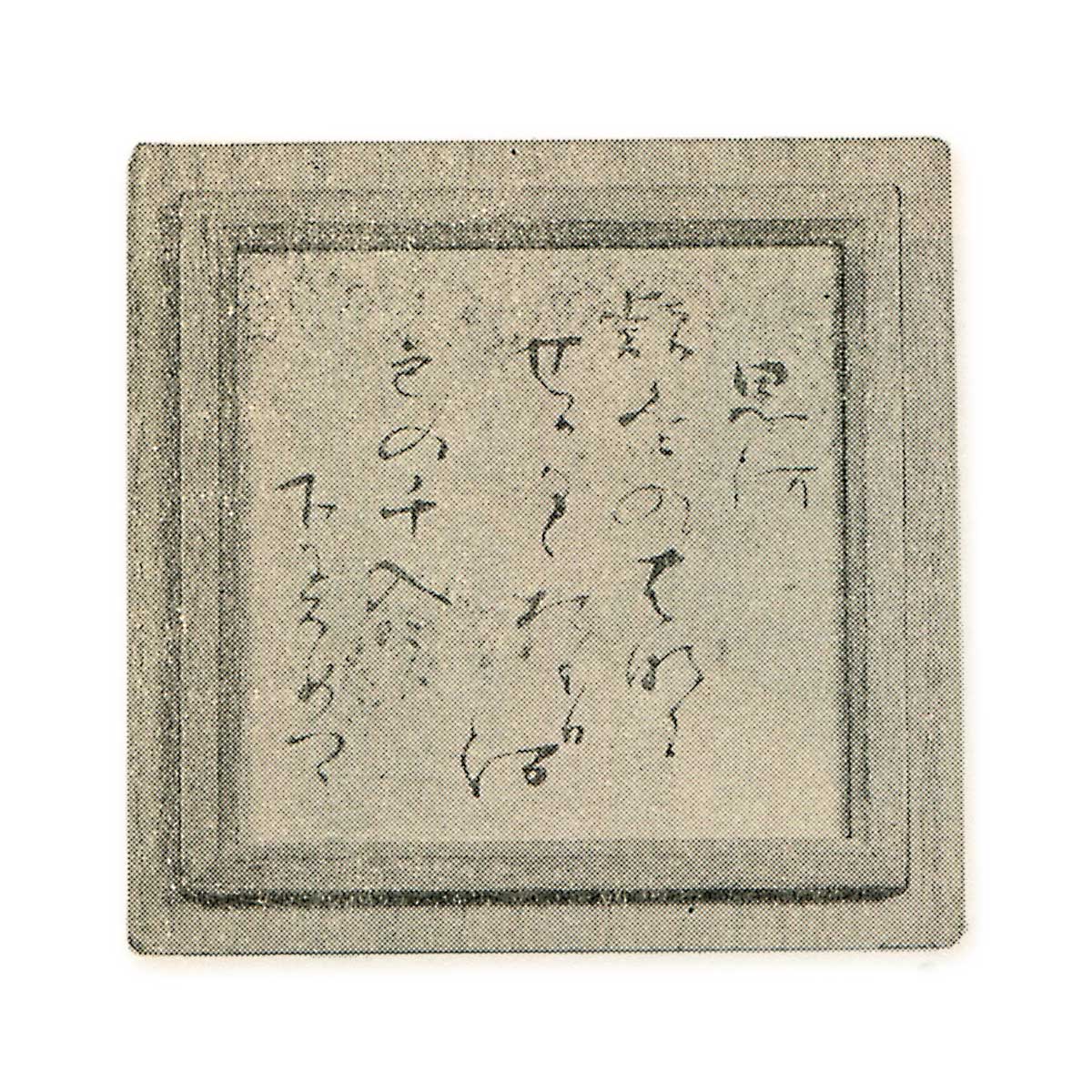
Thought River
The flower of the winter cress
Thinking it a river
The color of a thousand people
That thousand
Kanto
Dyed beneath
(Alternative name for winter cress)