Chinese Daimeibutsu
Accessories
One lid
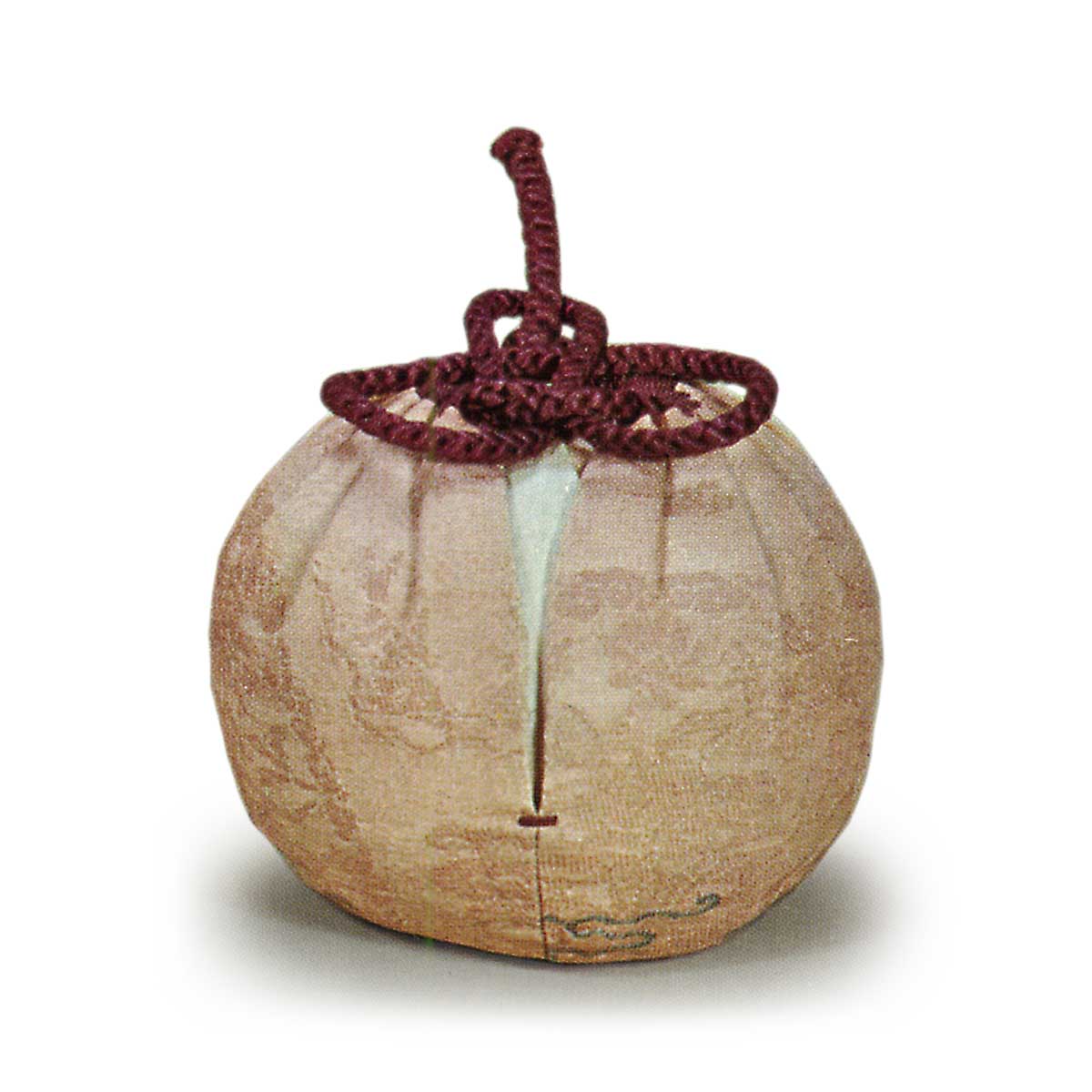
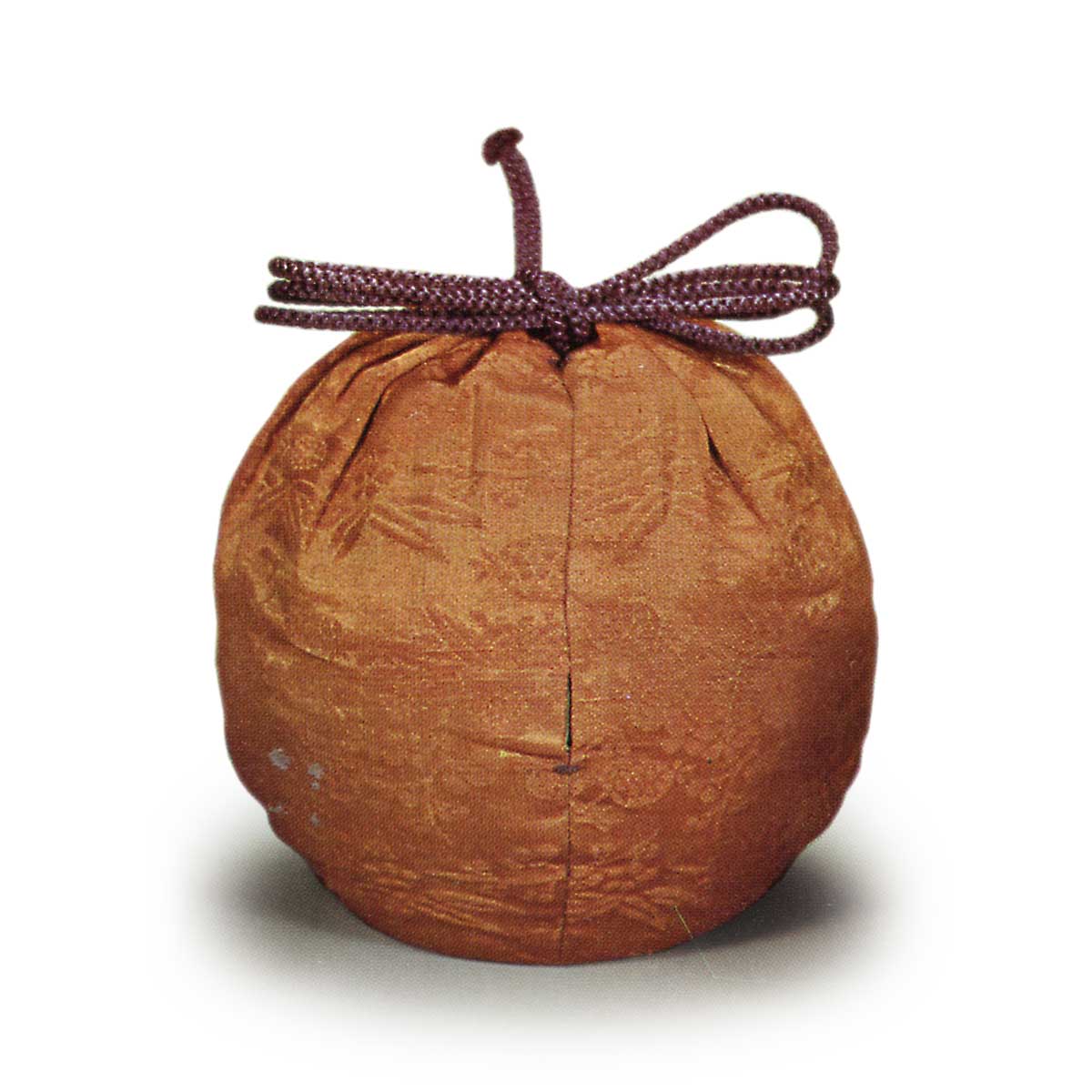
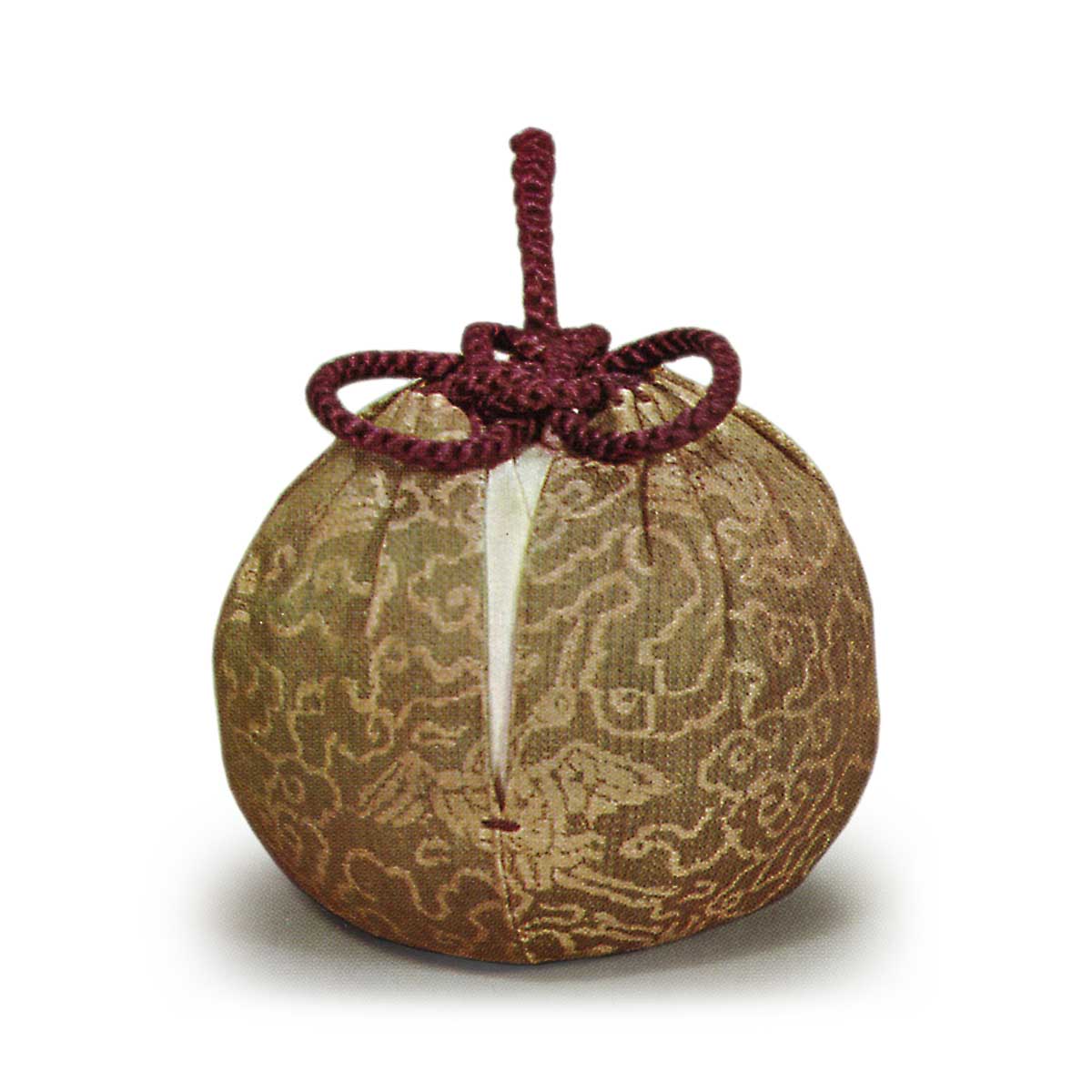
Three covers
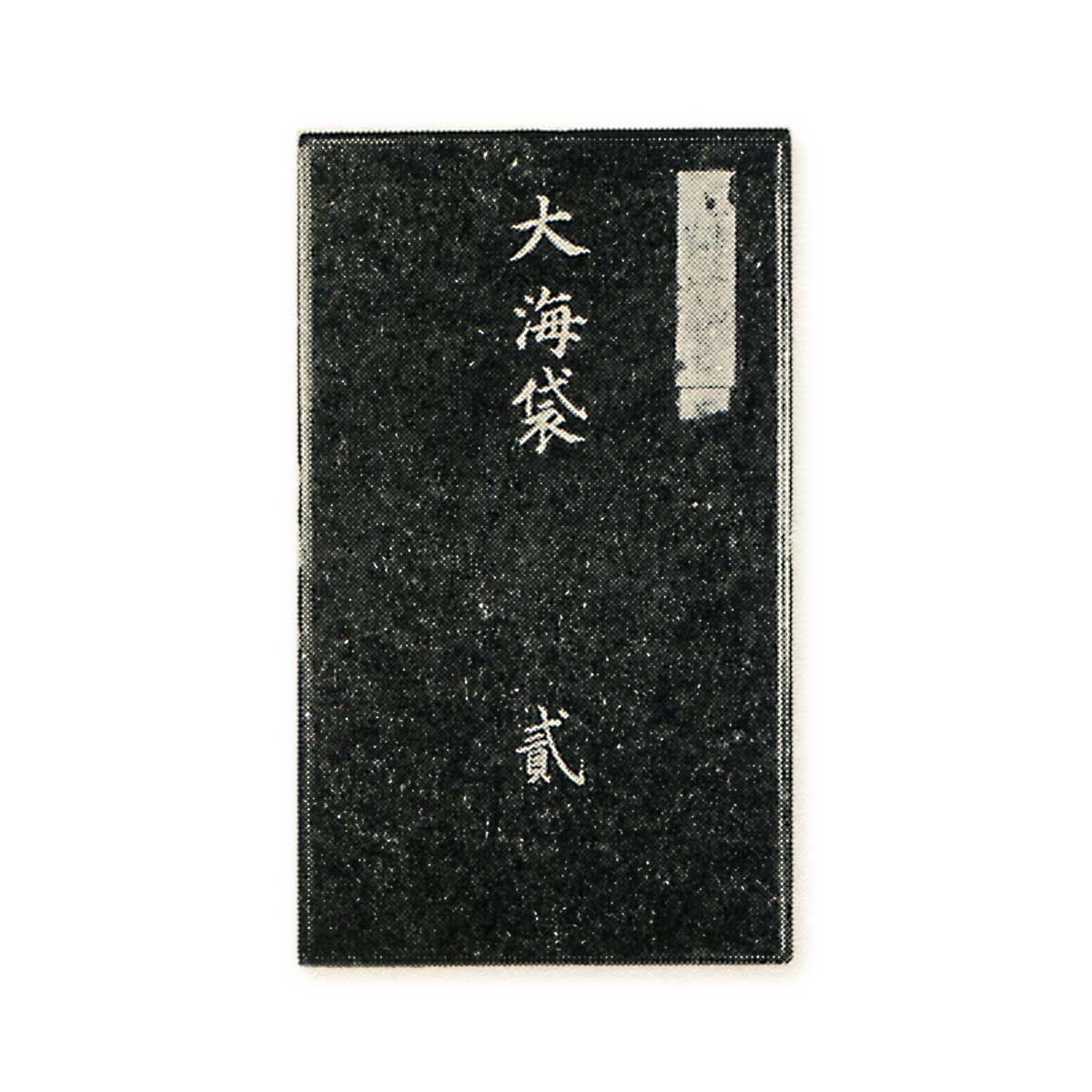
Inner box: white paulownia wood with inscription Outer box: black lacquer with gold lettering and inscription
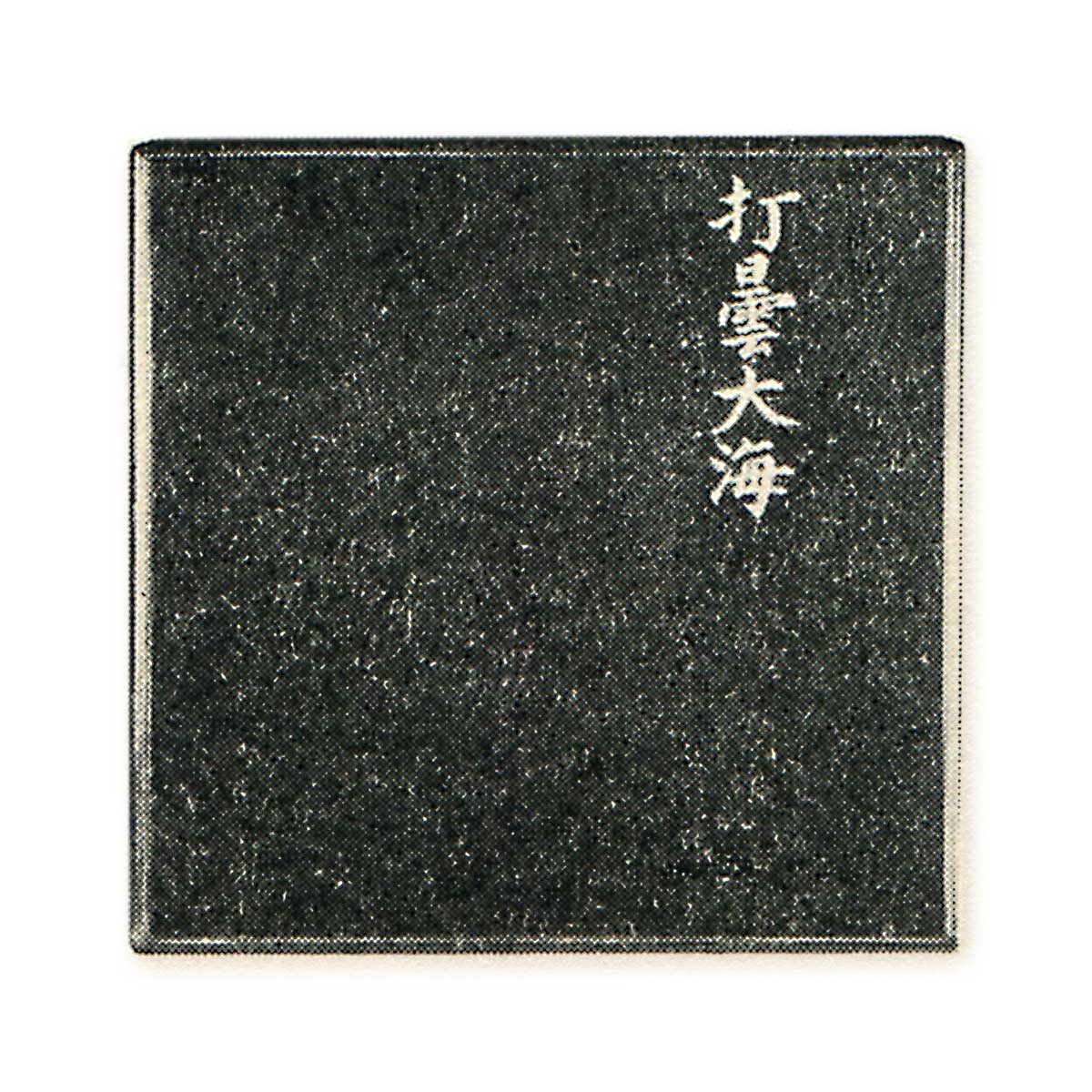
Hikiya Ichiban Shobu Leather (record only) Black lacquered bottom with carving by Fujishige
Inner box: White paulownia wood with inscription Outer box: Black lacquered with gold lettering and inscription
Provenance
Higashiyama Imperial Collection – Toyotomi Hideyoshi – Kyogoku Michiyo – Kishu Tokugawa Family – Yanagi Imperial Collection
List
Written by Sōji Yamagami, author of Chagaki Meibutsu Zui (Illustrated Collection of Famous Tea Utensils), Tea Utensils Meibutsu Zui (Illustrated Collection of Famous Tea Utensils), Tokugawa Family Collection of Tea Utensils and Paintings, Imai Sōkyū Diary, Tsuda Sōkyū Tea Ceremony Diary, Sōyūki, Kanka Meibutsu Ki (Illustrated Collection of Famous Tea Utensils), Kokon Meibutsu Ruishū (Illustrated Collection of Famous Tea Utensils), Upper Tea Utensils, Kishū Family Documents, Taisho Meiki Kan (Illustrated Collection of Famous Tea Utensils from the Taisho Era)
Height: 7.4 cm, Mouth Diameter: 6.3 cm, Body Diameter: 10.1 cm, Base Diameter: 4.7 cm, Weight: 165 g
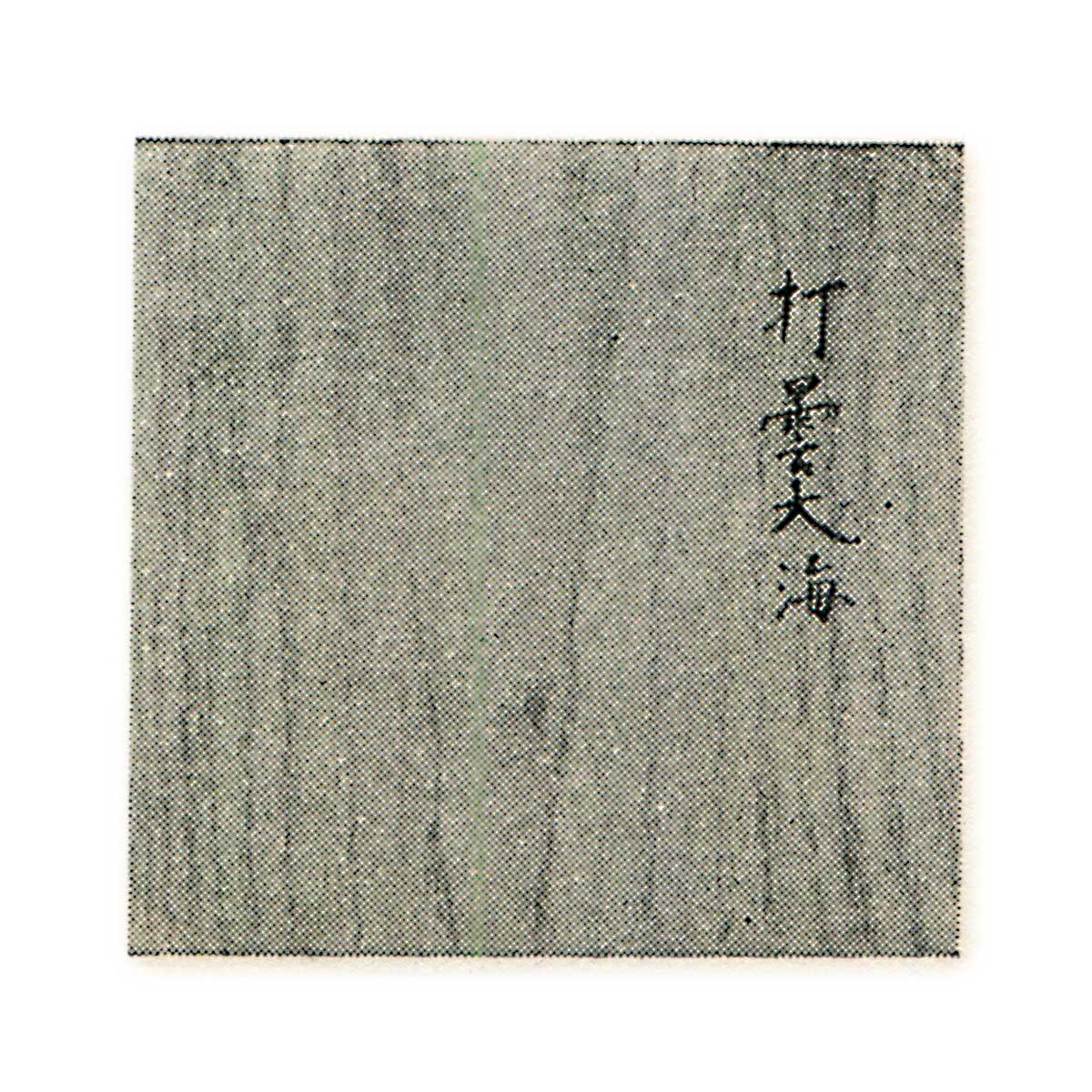
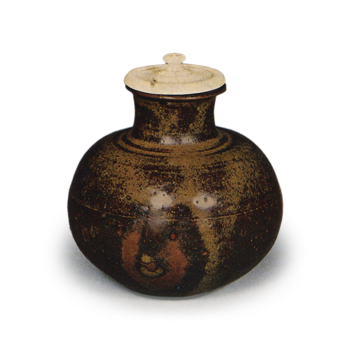
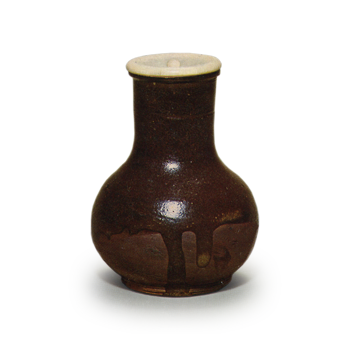
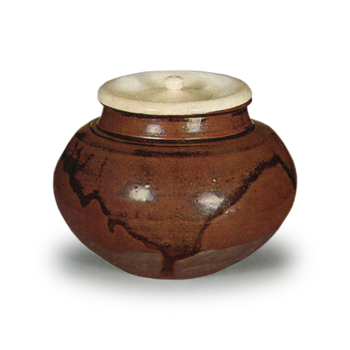
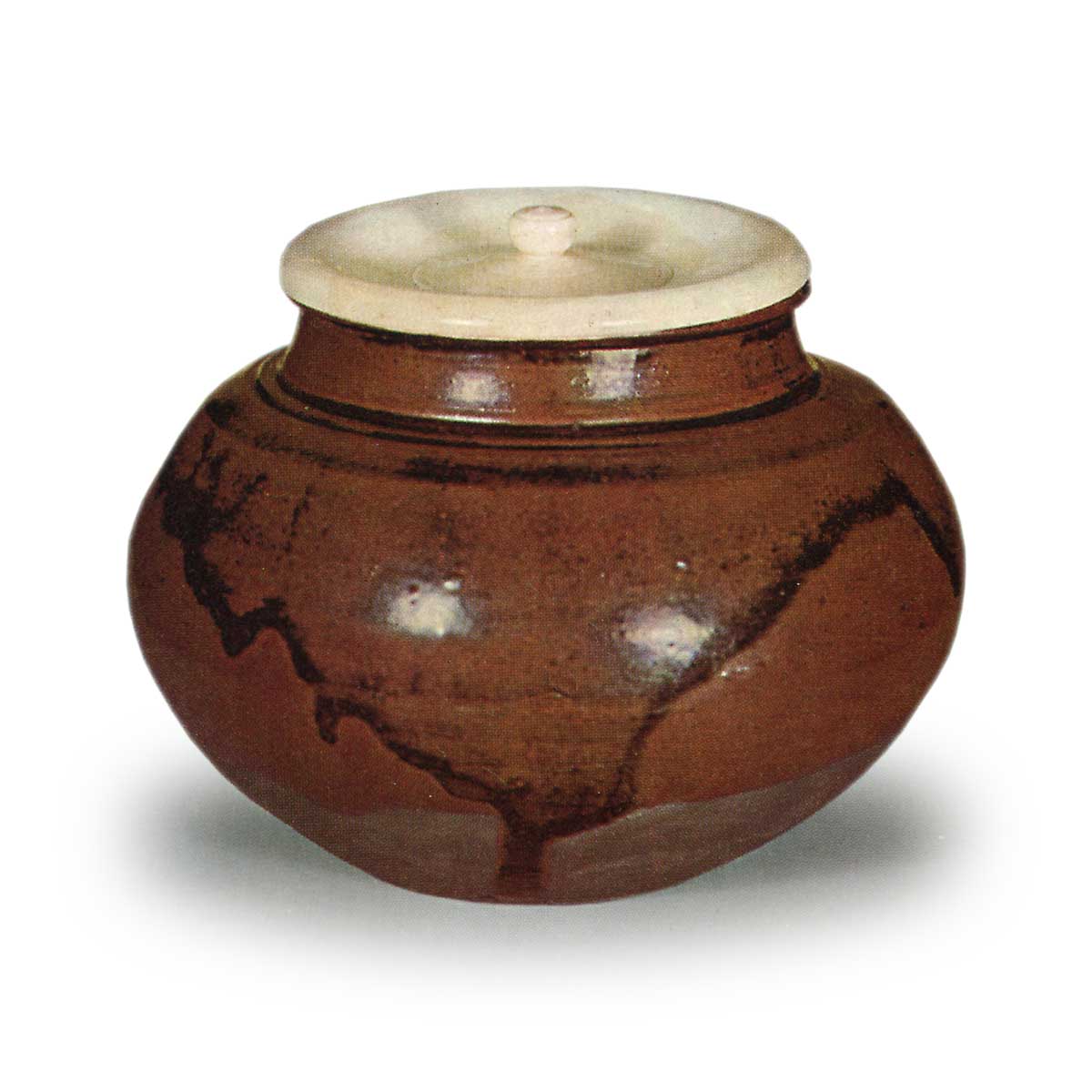
This tea caddy is called “Uchidori Oumi.” The flowing glaze pattern resembles the texture of Uchidori paper, hence the name. The name “Oumi” comes from its wide, flat mouth.
This tea caddy also has a flat, generous shape with a wide mouth and a short, compact body, exuding a dignified presence.
The persimmon-colored glaze covers the entire surface beautifully, and on top of that, a dark glaze flows from the bottom of the shoulders to the left and right, like the pattern of Uchidamashi paper, and flows down to the front of the tea caddy, creating a rare and beautiful scene. The bottom thread cut is also clearly visible, and the clay is very beautiful.
Three covers: Kinoshita-giri, Unzuru Donshu, and Shochiku-ume Donshu.