Alternative names: Tennojiya Bunrin, Sōyū Bunrin, Tang ware, Daimyō-mon

Accessories
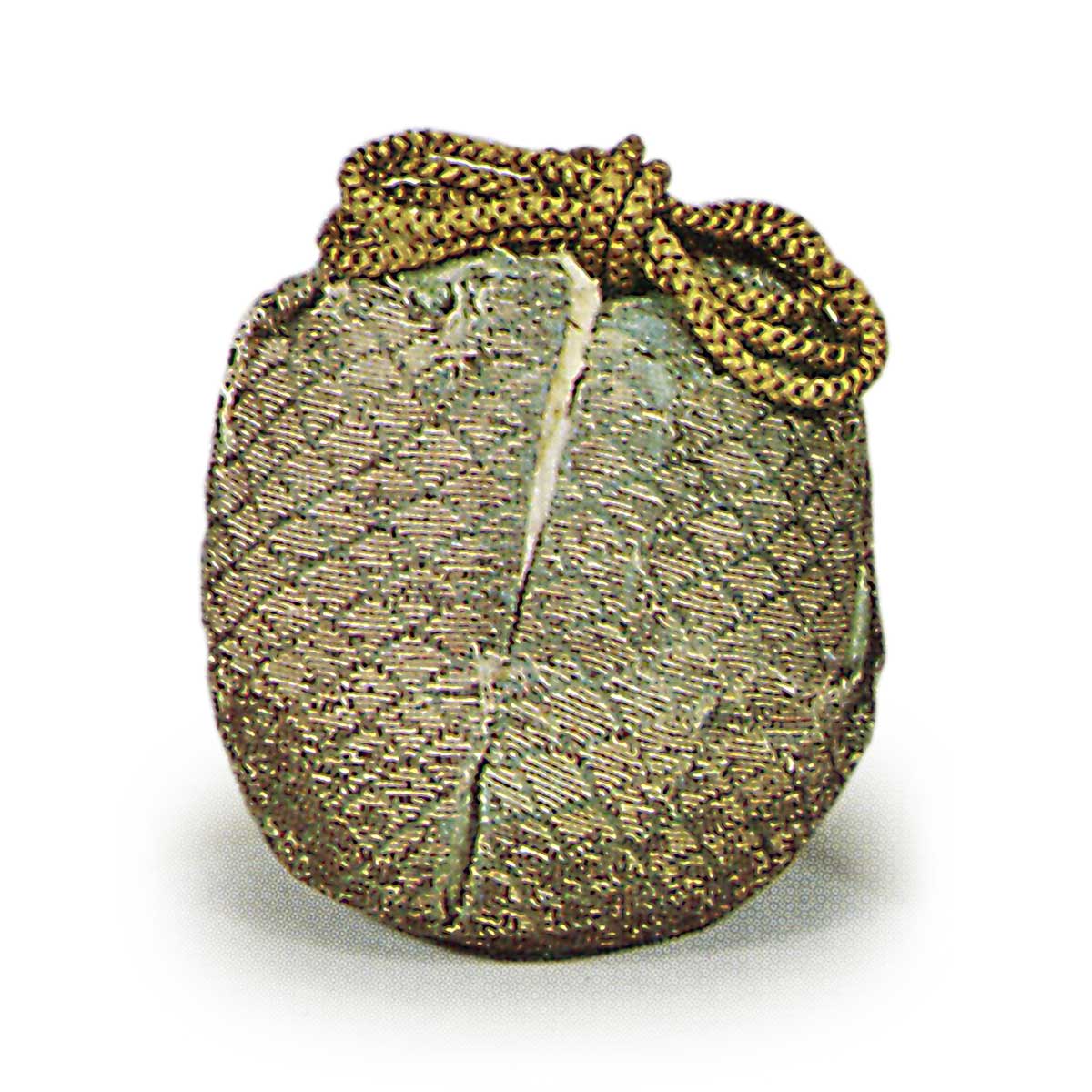
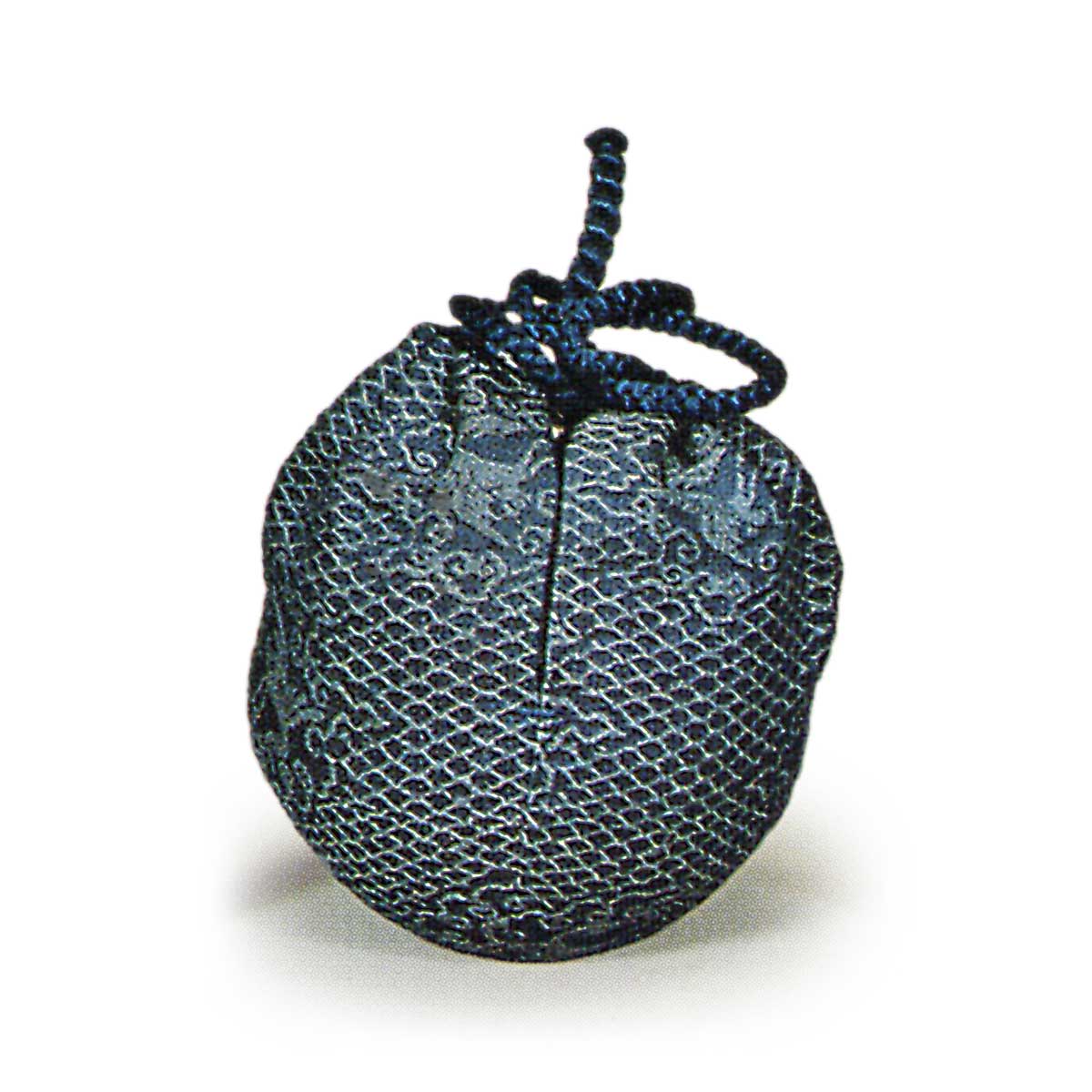
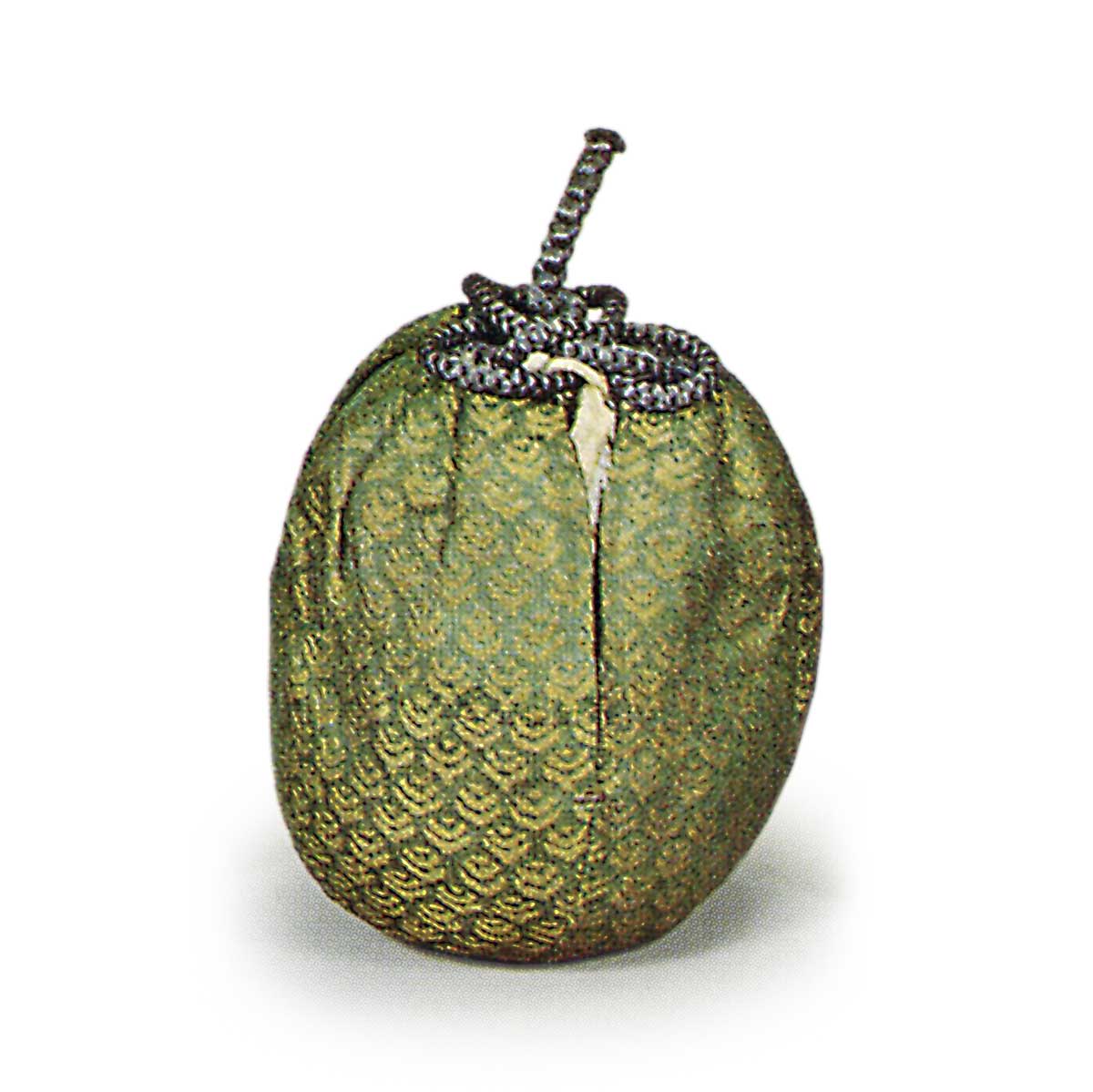
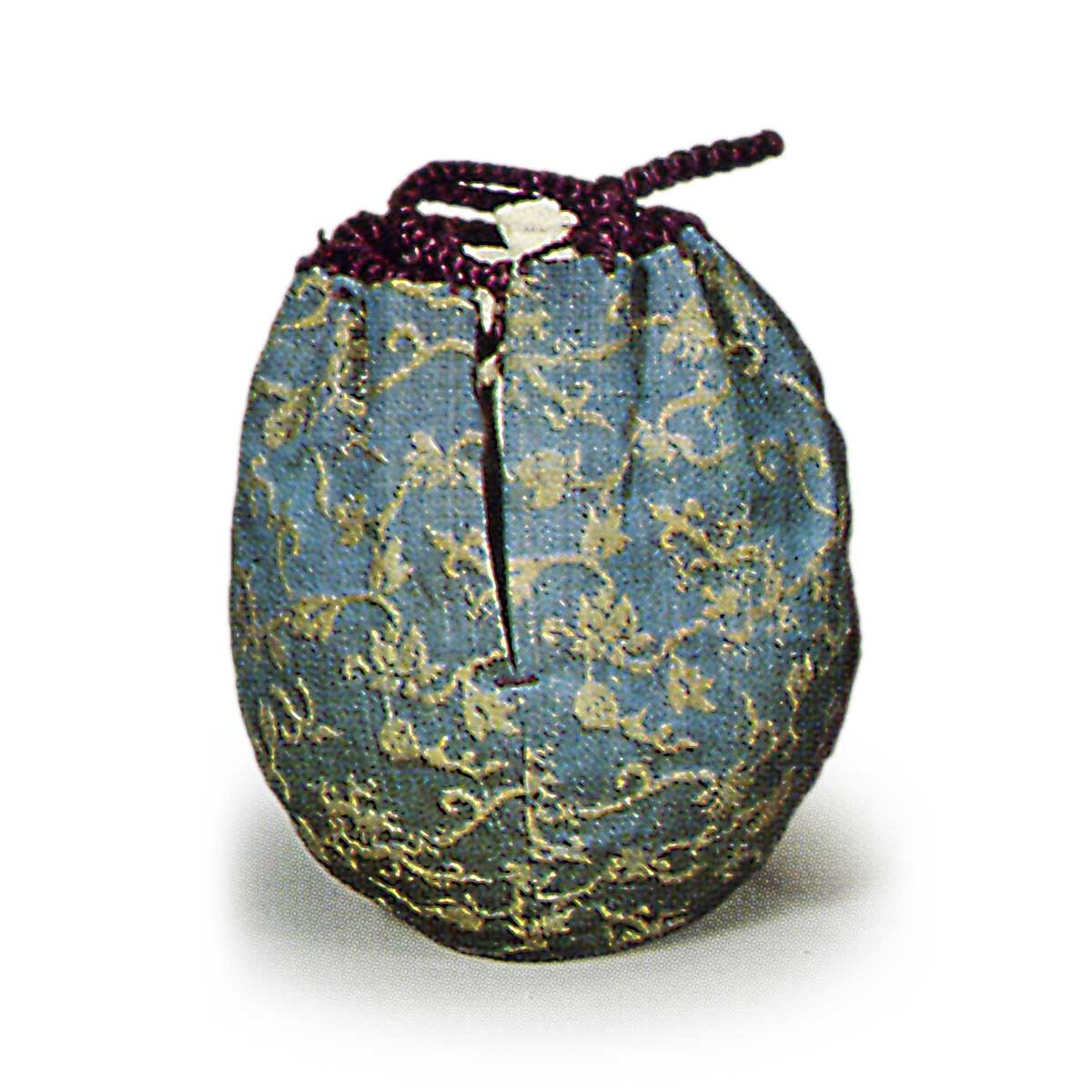
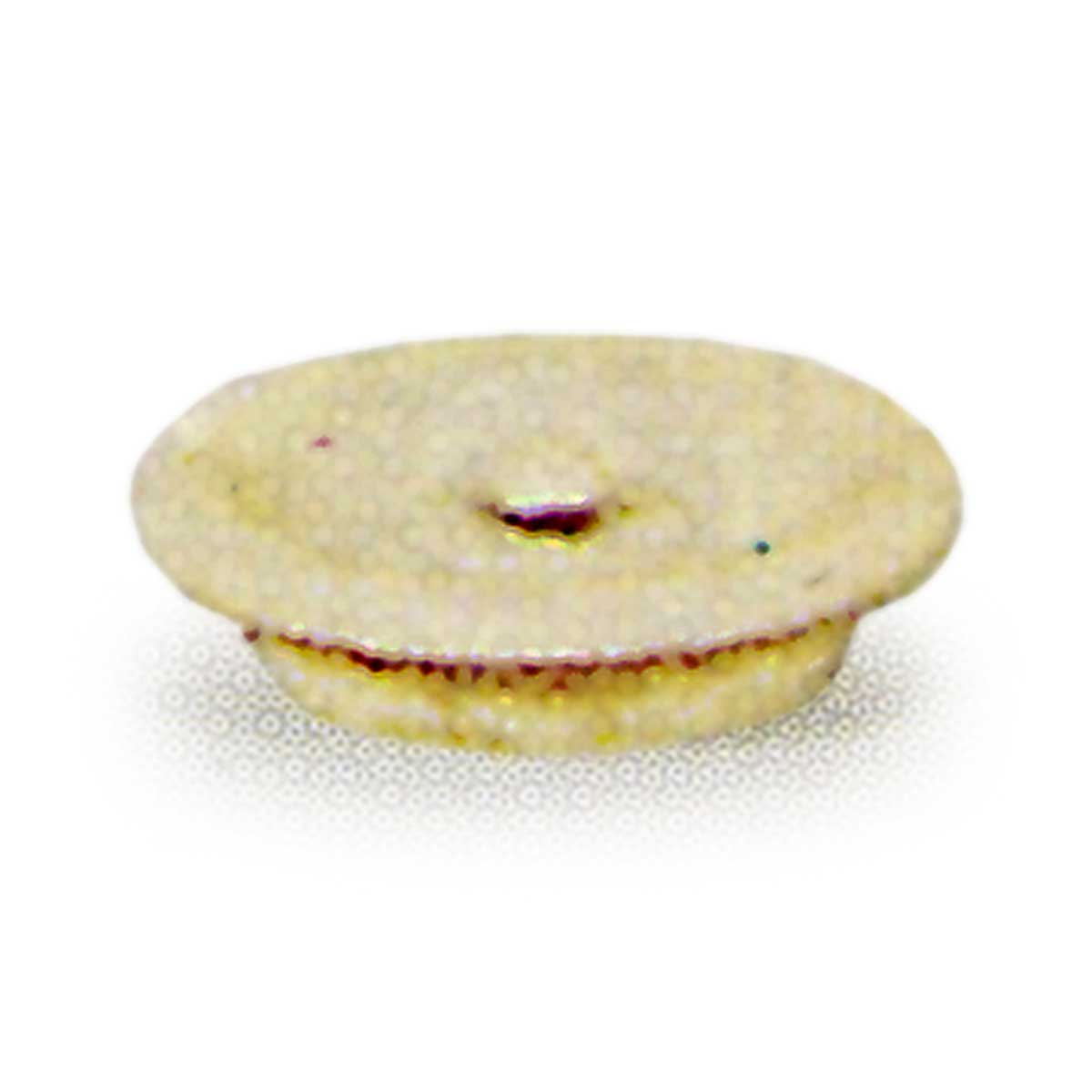
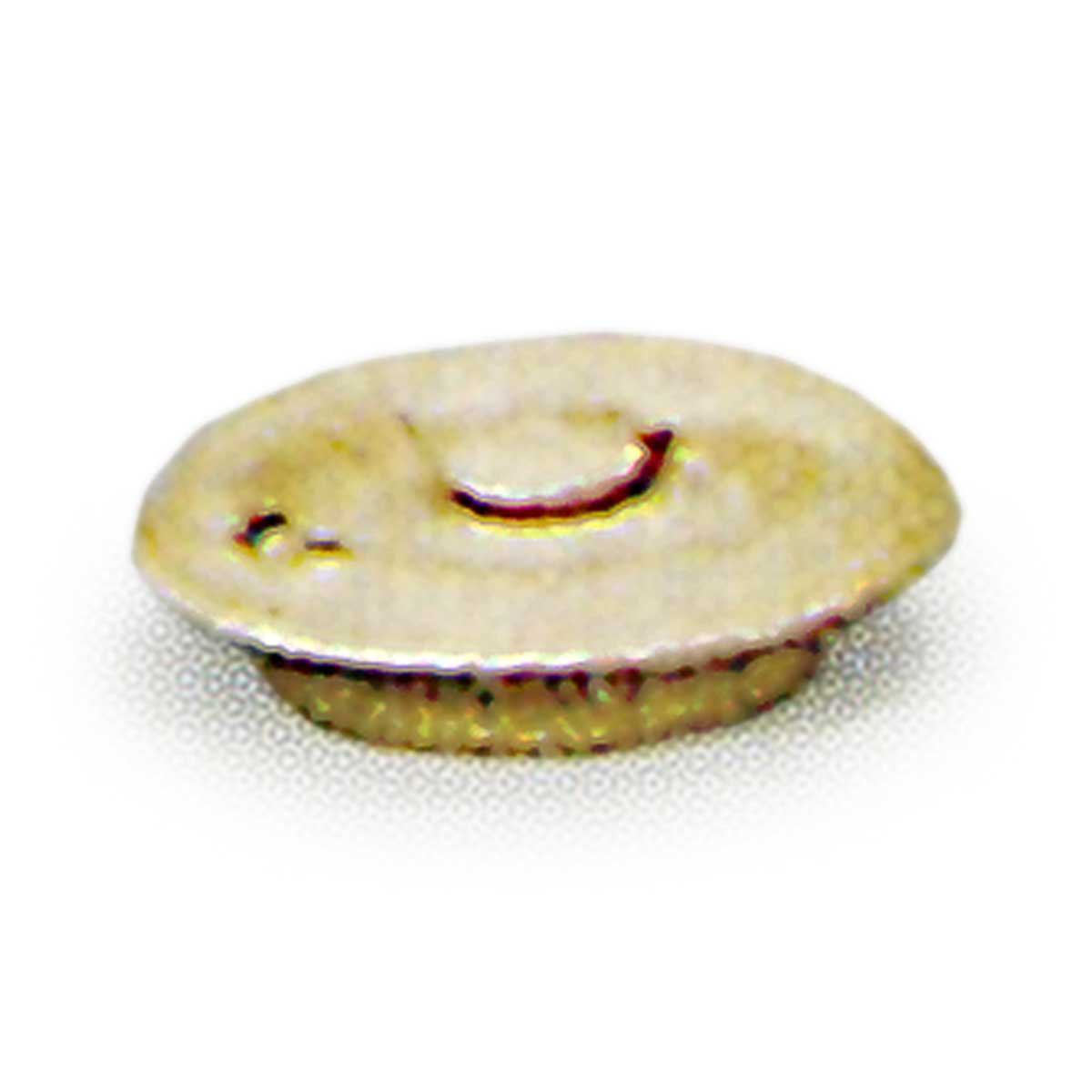
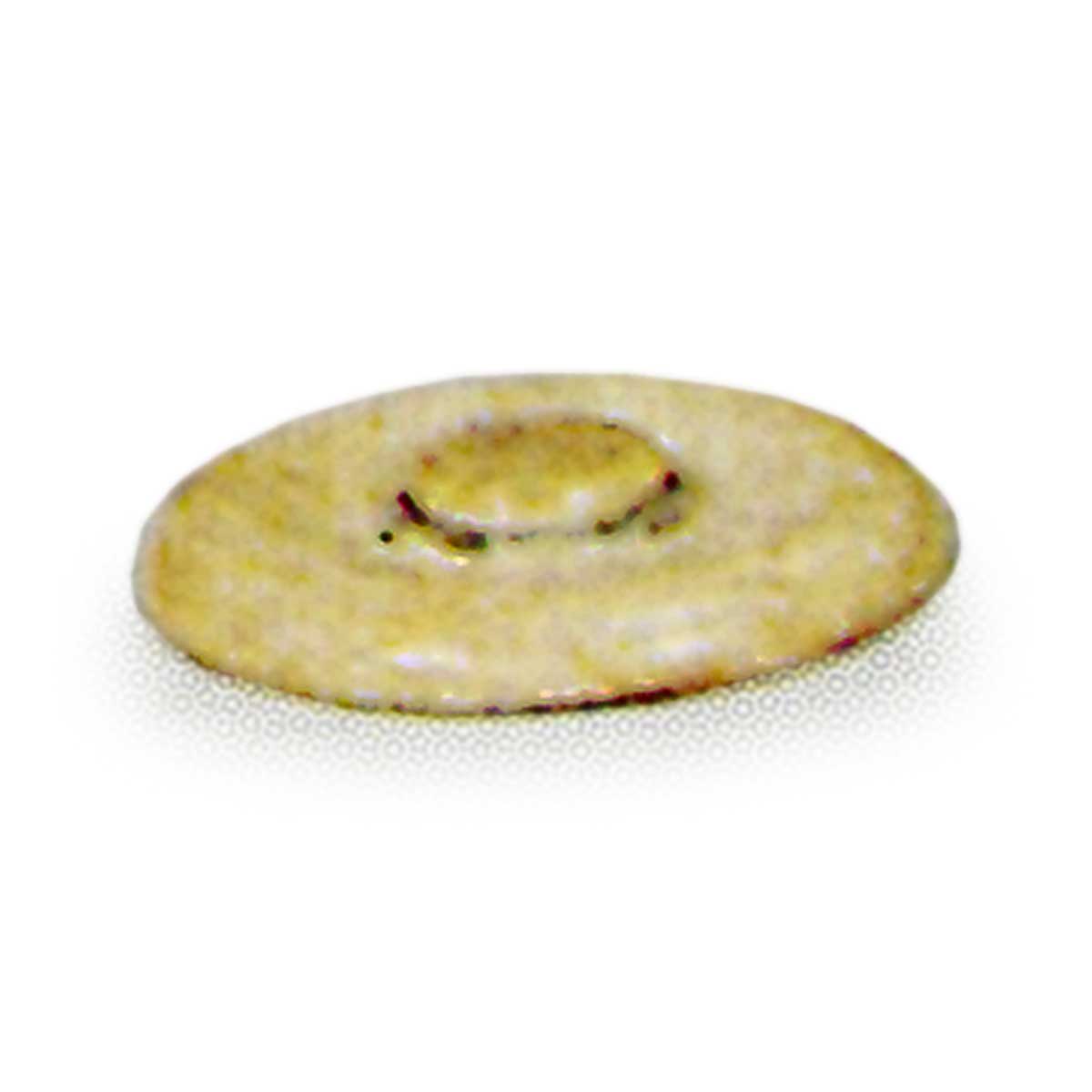
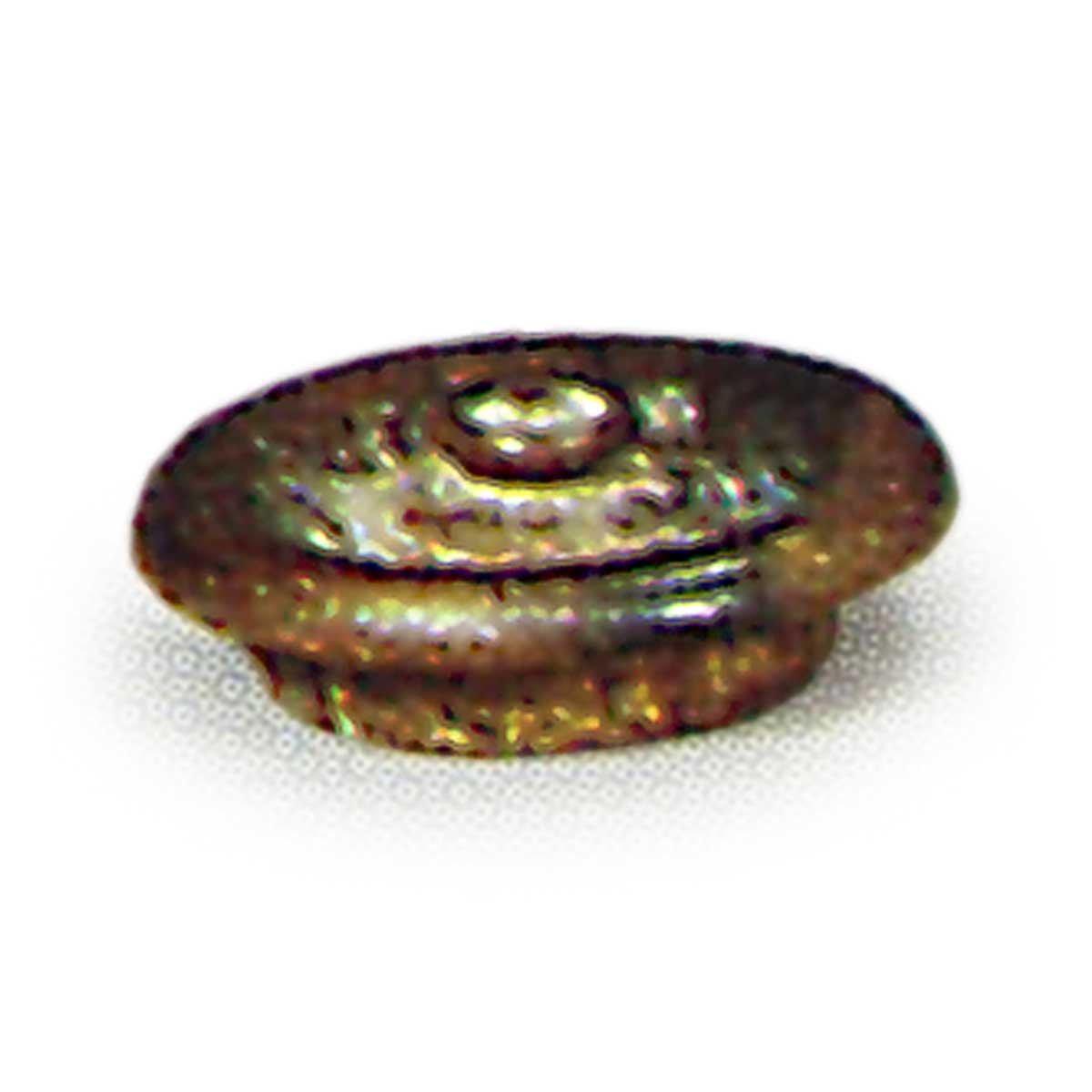
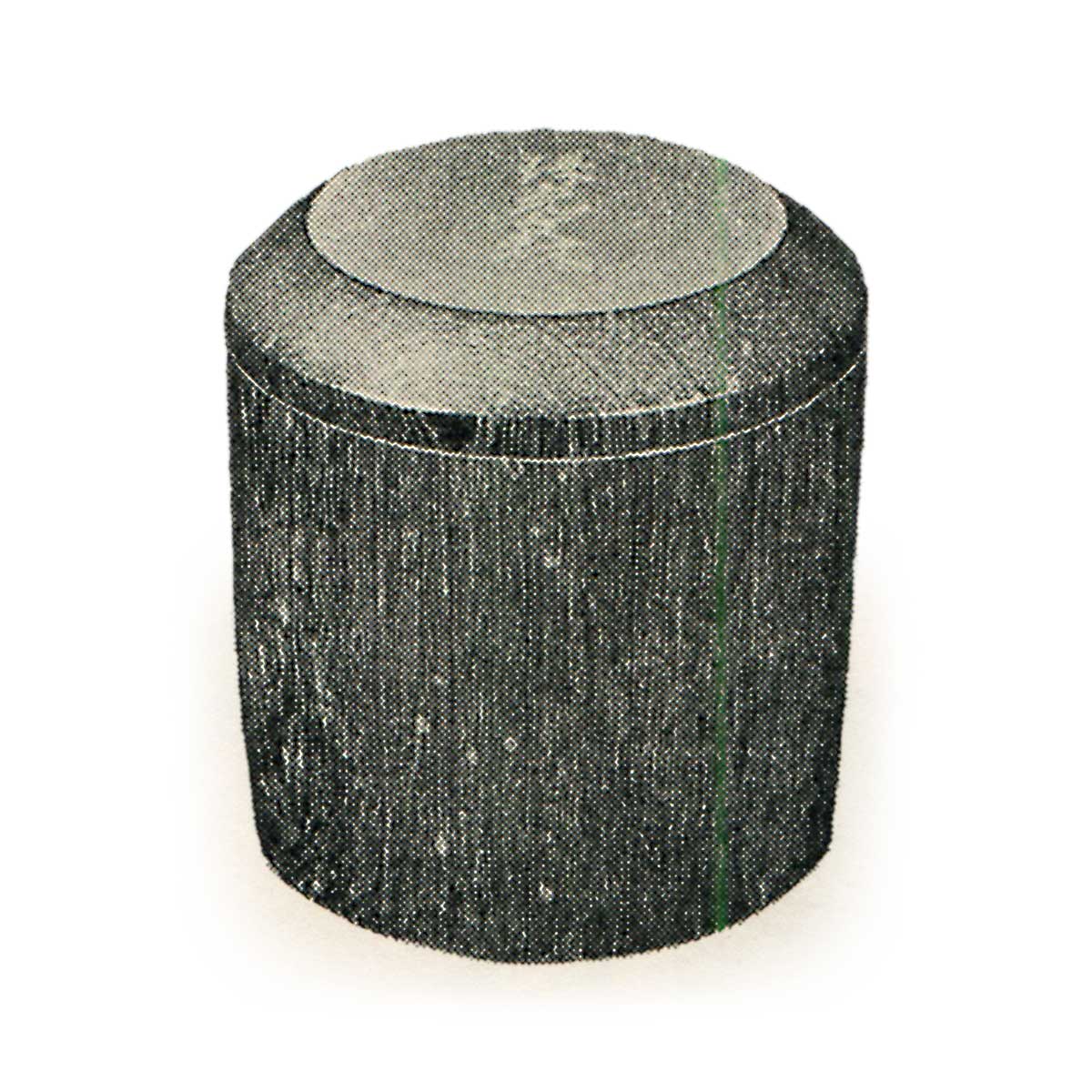
Lid 8: Ivory inlaid with pearl-like patterns, good quality; horn lid with pearl-like patterns, good quality; black persimmon with pearl-like patterns, good quality; ivory scoop lid, Shōō style, good quality; ivory-colored lacquer, Rikyu style, good quality; ivory nest, Sanza style, good quality; ivory nest, Oribe style, good quality; ivory-colored lacquer, Funakoshi Iyo-no-kami style, good quality; Shifuku 6: Banke 1, ironwood, interior: gold pearl ground, gold powder finishSuspended lid, large Wakiya, paulownia with gold powder coating, suspended, inscribed, red lacquer, Han-style star pattern Tang-style cloud dragon square basin, overall ground, red cloud dragon pattern, rim, chrysanthemum branch pattern, black-lacquered bottom, box, black-lacquered lid interior, labeled, outer box, paulownia with spring celebration lacquer, lock, lid interior labeled
Transmitted
Murata Jukō—Tsuda Sōyū (Tennōjiya)—Oda Nobunaga—Tsuda Sōyū—Hakamada Naikaku—Hosokawa Sansai—Yanagi-in Imperial Collection—Nanbu Family
References
Kusama Waraku, Tea Utensils and Famous Items Illustrated, Matsuyama Notes, Collection of Tea Utensils and Famous Items from the Group of Documents, Tencho Famous Items Record, East Mountain Imperial Items Inner Register, Tsuda Sōyū Tea Ceremony Diary, Sakurayama Ichiyū Notes, Playful Goods and Famous Items Record, Ancient and Modern Tea Talks, Katakura Iwami-no-kami Sadamasa’s Authentic Manuscript, Taisho Famous Utensils Guide
Dimensions
Height: 6.8 cm, Mouth diameter: 2.5 cm, Body diameter: 7.0 cm, Base diameter: 3.0 cm, Weight: 85 g
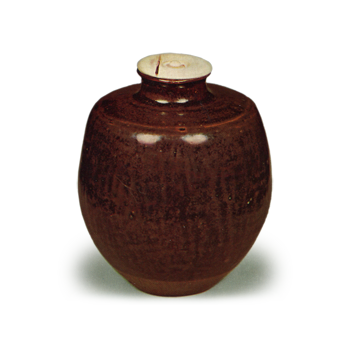
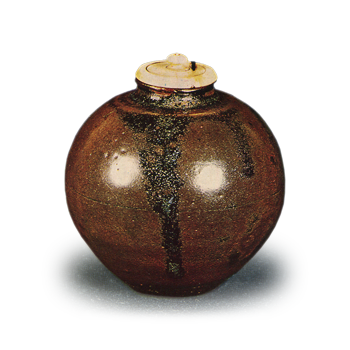
This tea caddy is also one of the most famous pieces in the collection, and was particularly cherished by Jukō.
Bunrin is named after a Chinese official named Bunrin-rō, who became famous for presenting apples to the king. Therefore, the shape resembles an apple.
It has a very elegant round shape, with a smooth finish from the body to the bottom, and a single raised ridge on the shoulder. A shallow tea glaze covers the entire surface, with a single black glaze flowing down from the neck to form a shape. The waist is thin and tapered at the bottom, giving it a stylish appearance.
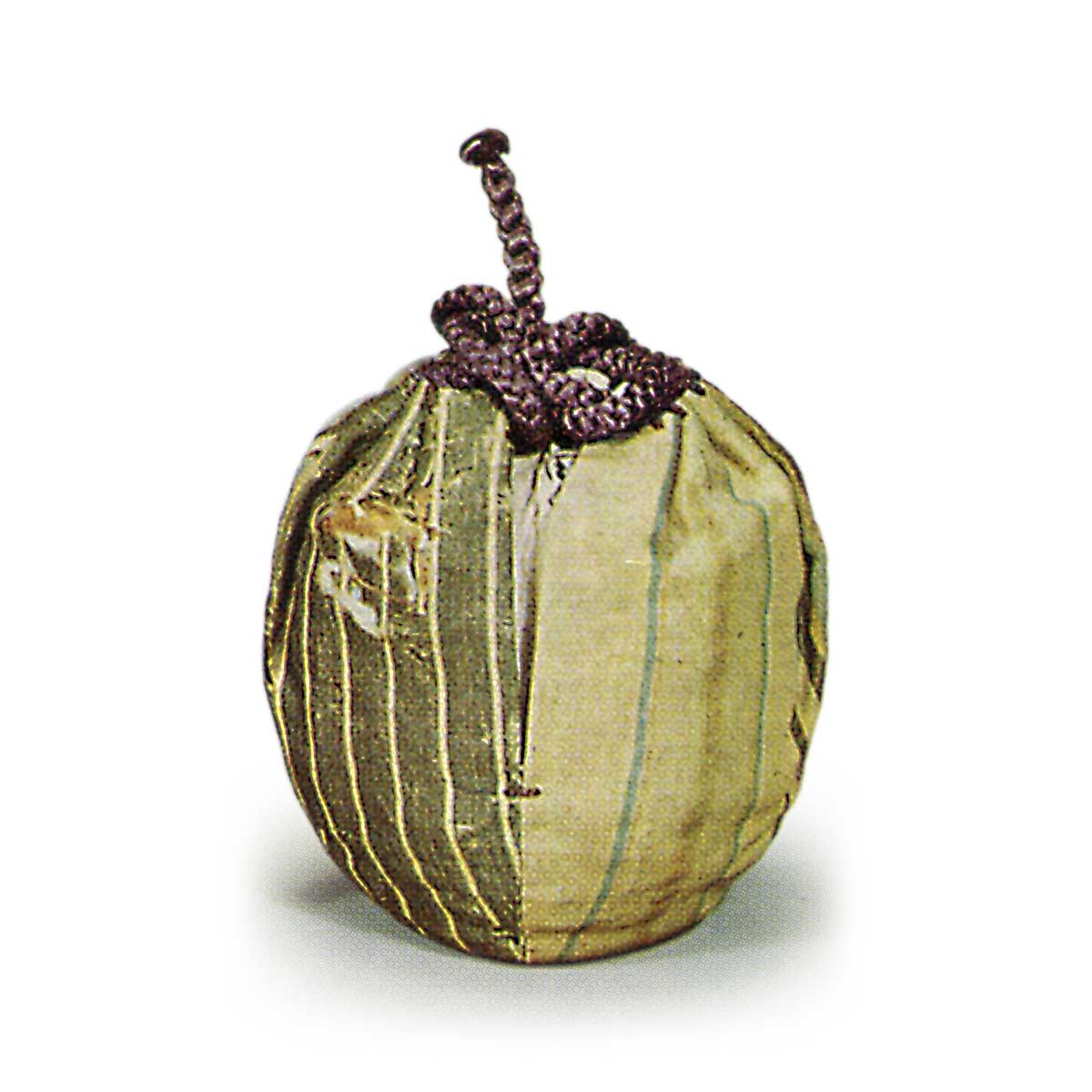
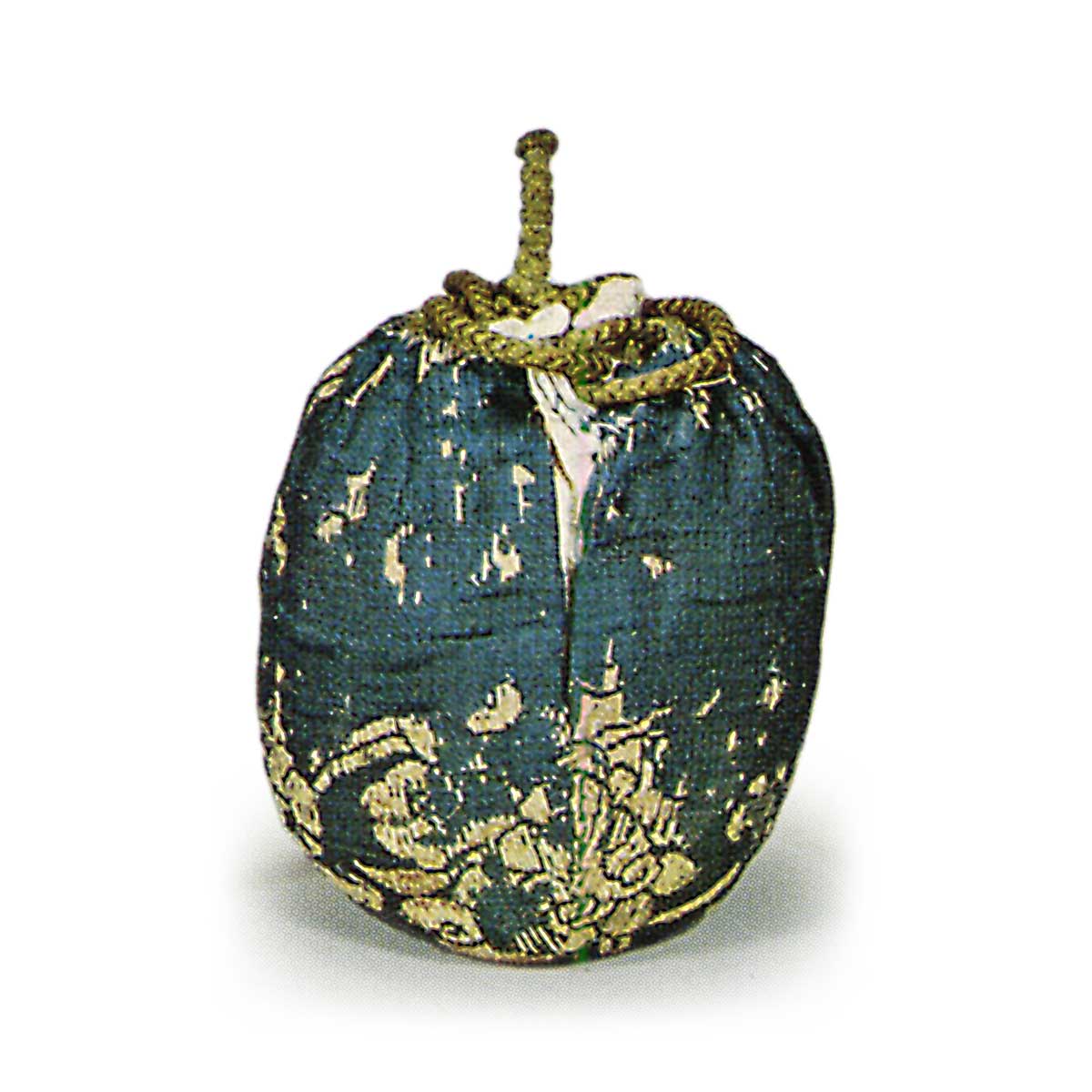
Among the six lids, only one is made of a different material, while the others are plain, simple designs, likely reflecting the aesthetic preferences of Juko. Traditionally, such small jars were lined with soft fabric. The jar comes with numerous accessories, including a detailed document tracing its provenance.
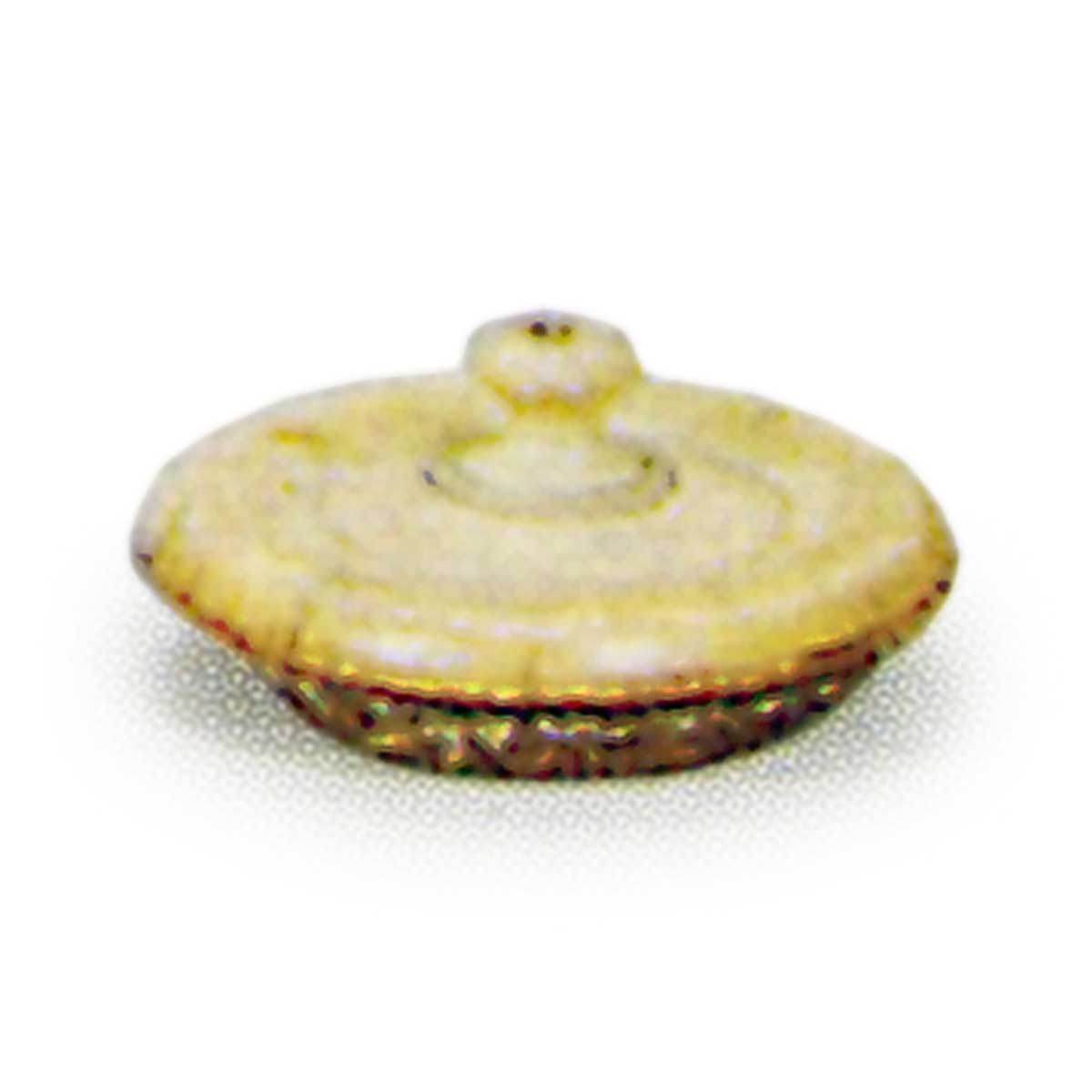
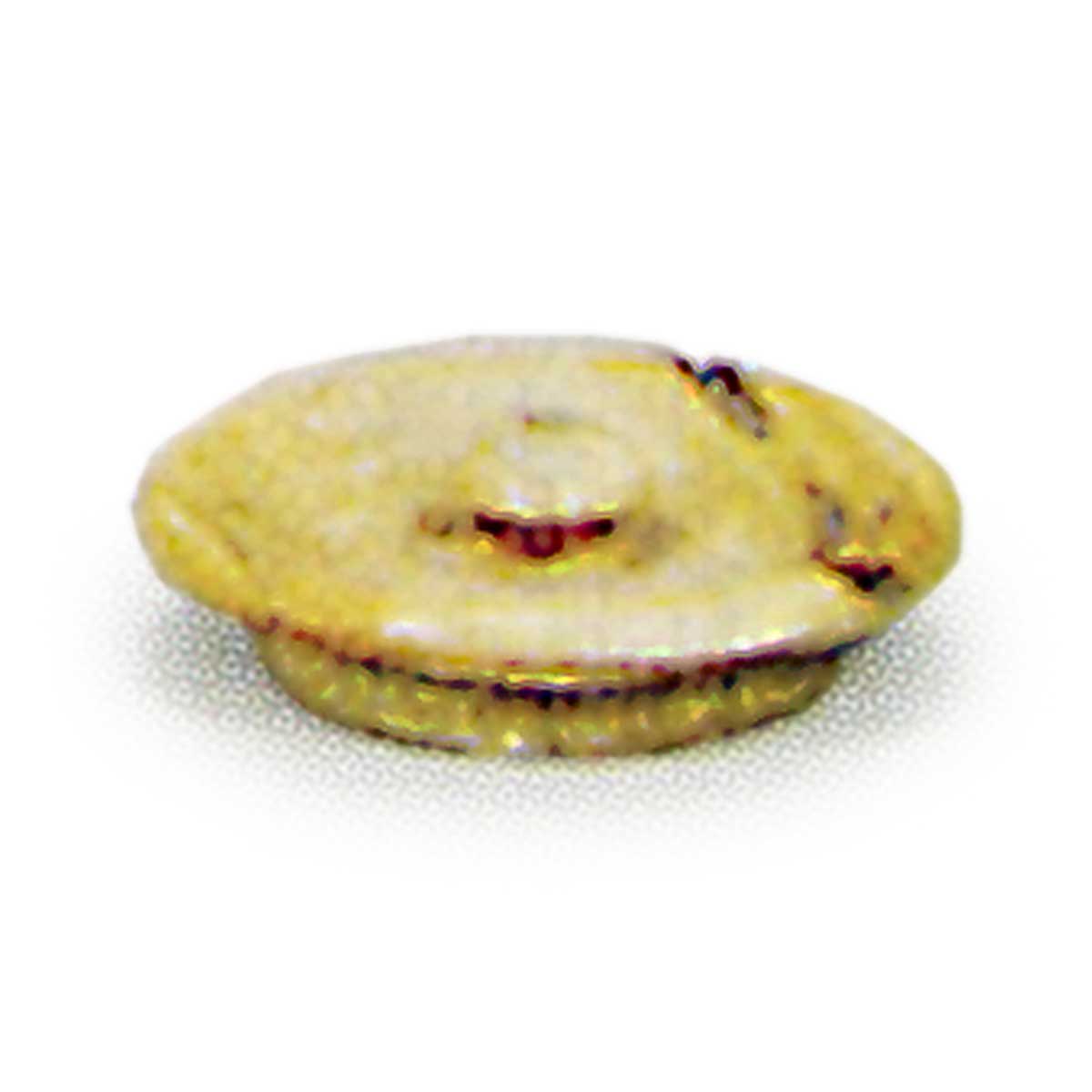
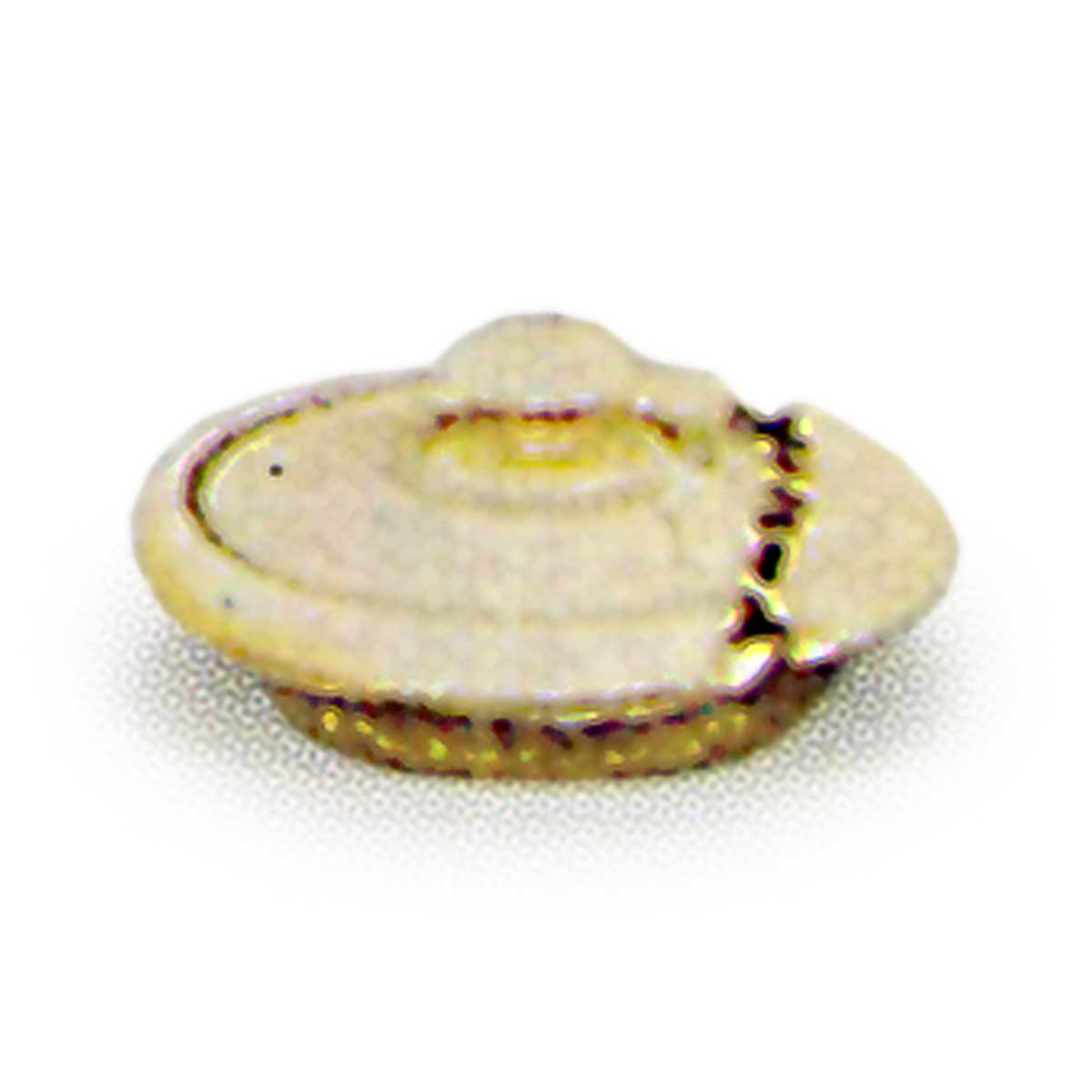
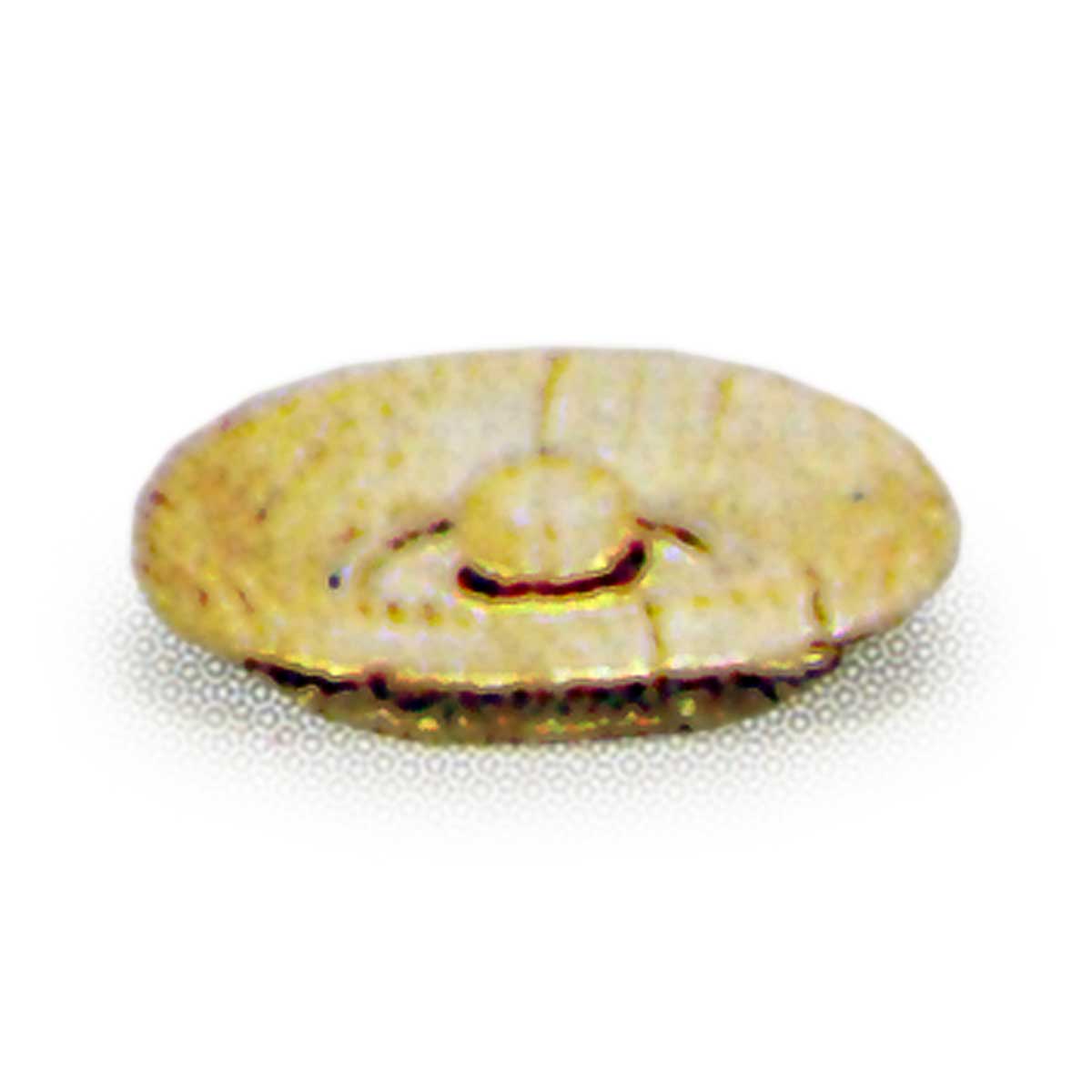
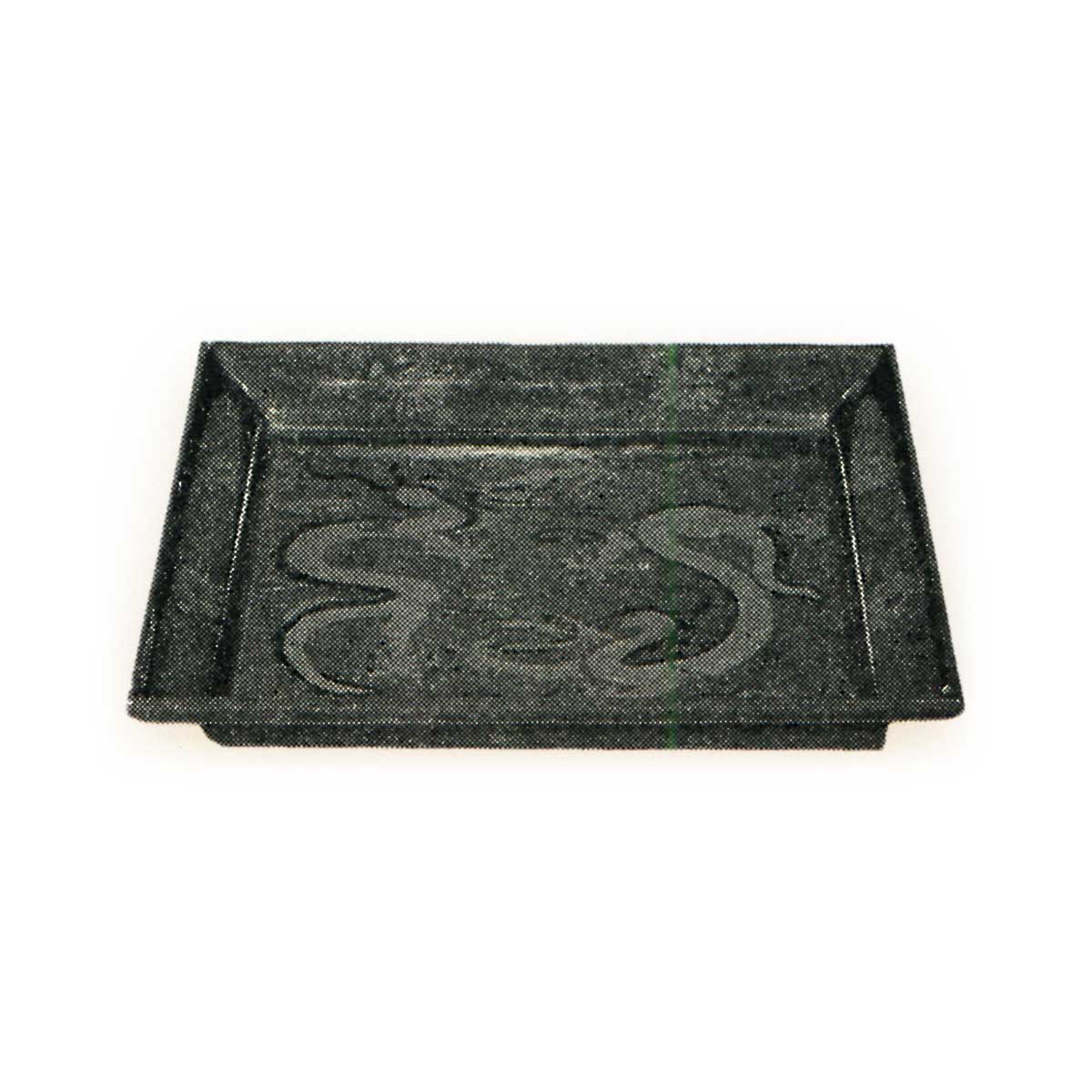
Overall ground, vermilion cloud dragon pattern
Edge, chrysanthemum branch pattern
Base, black lacquer

Tang-style tea caddy with seven gold handles, requested in exchange for the tea caddy. Please accept this as a token of our sincerity.
September 11, 1540
Shu-shu Ryo, Shu-ko @
Kume-no-suke-dono, the replacement for the Bunrin tea caddy has been delivered. Although we have repeatedly returned it, we have been instructed to keep it. This monk, Kin-no-iri
There is nothing else to report. It is a matter of great concern.
Please convey to the previous owner that the Bunrin tea caddy is to be kept as a family treasure. There is much more to say, but I will conclude here.