Hafu Kiln, Kō Model Song, Revival Meibutsu
Accessories
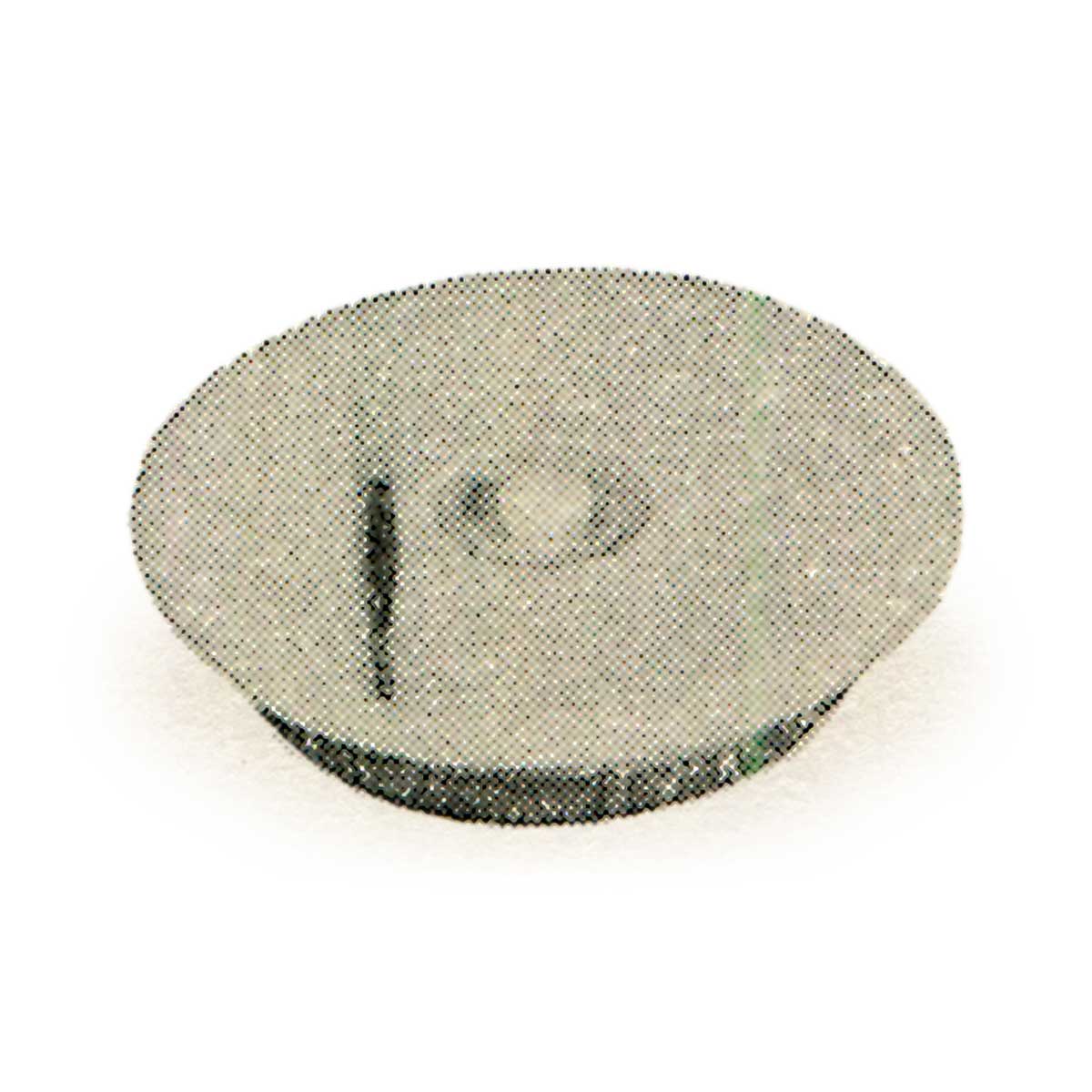
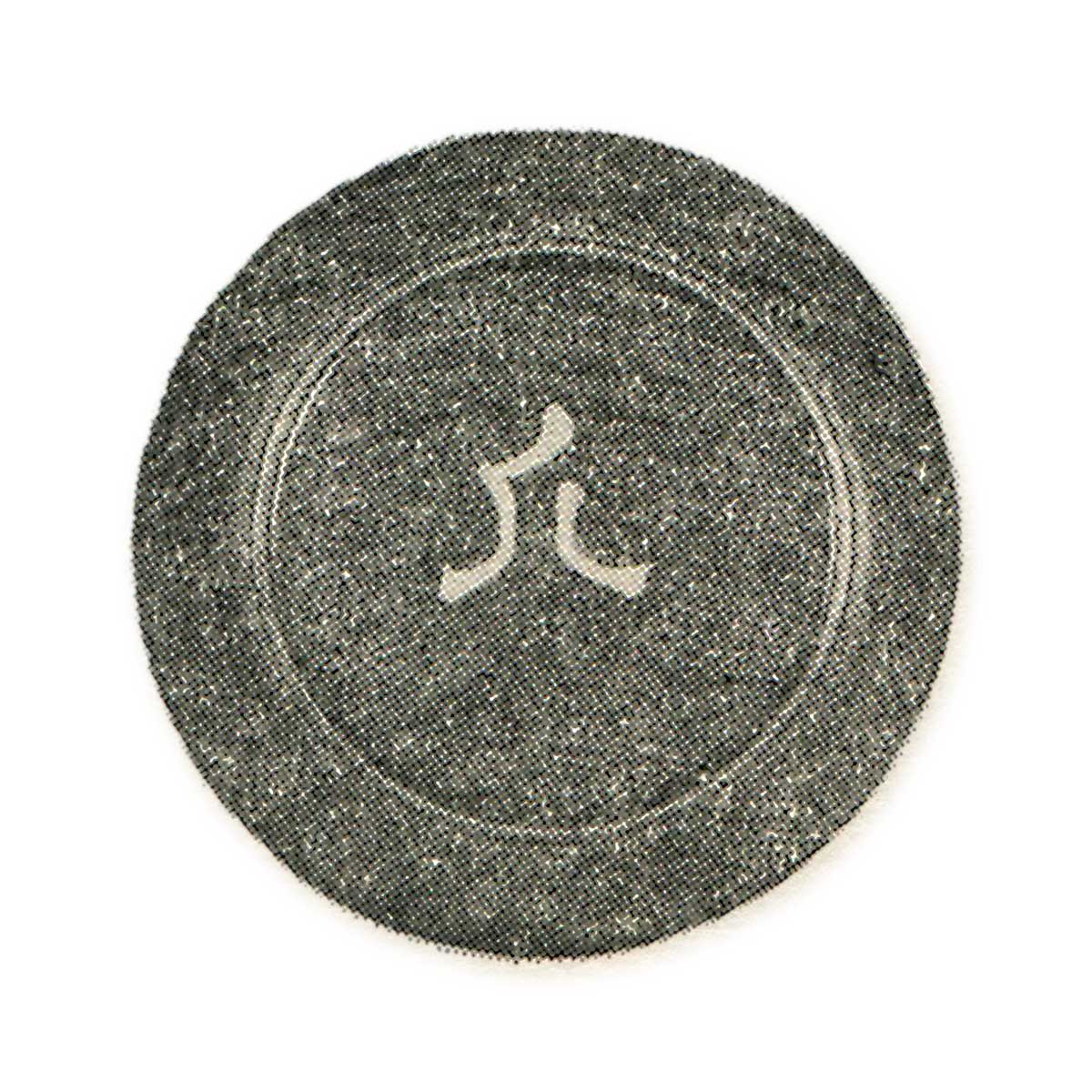
Lids: Two, Nest; Lid Box, White Paulownia Wood; Inscription, by Matsudaira Fumai
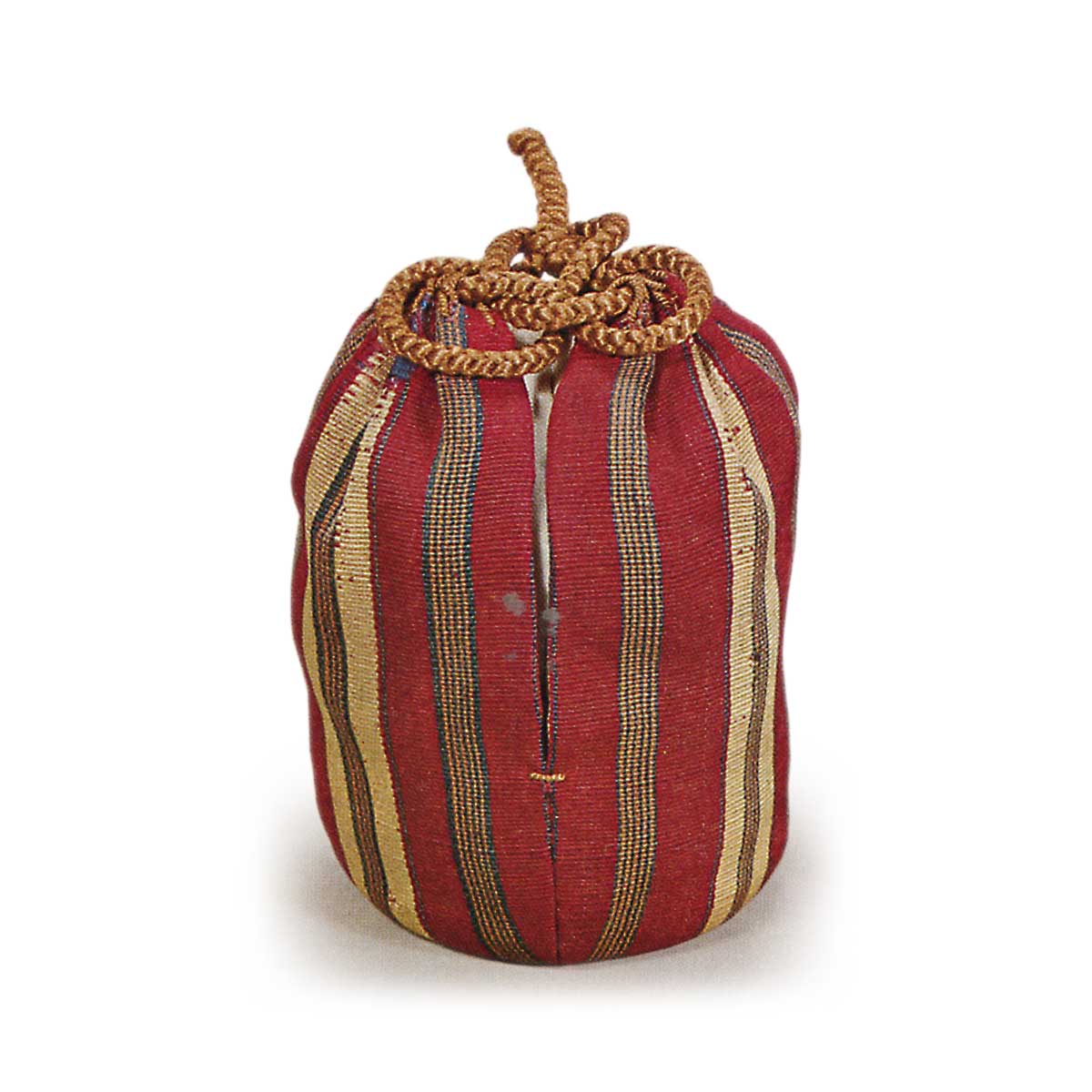
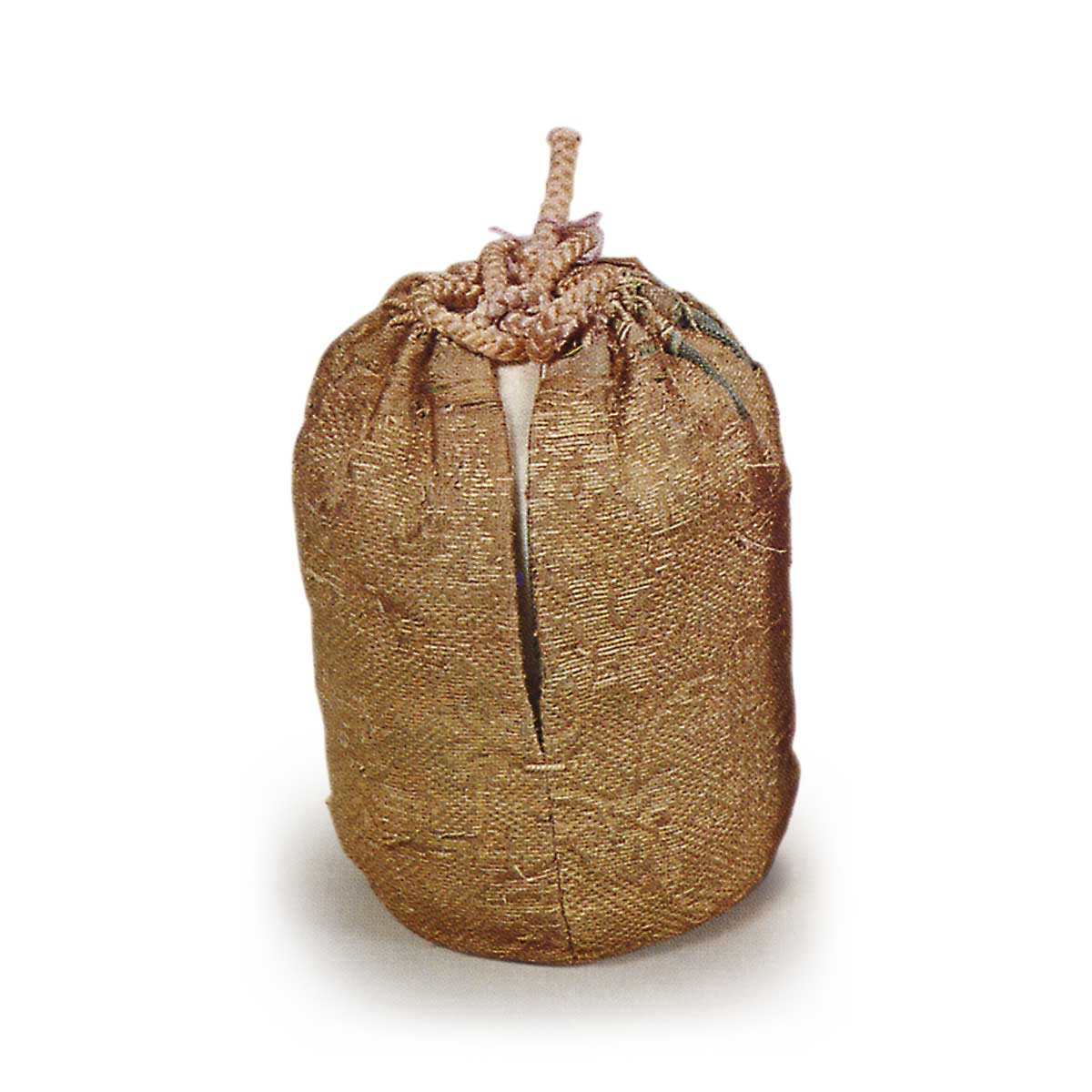
Cover: Four; Cover Box, White Paulownia Wood Inscription, by Kobori Enshū
Hikiya: One, Hana-kiri, Gold-powdered characters, Inscription by Kobori Enshū
Hikiya Cover: One, Arisugawa
Inner Box: Black lacquered paulownia, Gold-powdered characters, Inscription by Kobori Enshū
Outer Box: Unlacquered paulownia, Inscription by Matsudaira Fumai
Transmission
Kobori Enshū – Matsudaira Fumai
Recorded in
Kokin Meibutsu Ruishu, Meibutsu Ki, Sōyū Ki, Meibutsu Mokuri Monjo, Gokuhi Mokuri Sho, Chaki Mokuri Shū, Meibutsu Chairi Mokuri no Sho, Chamori Chagen Mokuri Sho, Fushimiya Kokusho
Dimensions
Height: 8.0cm, Mouth Diameter: 3.7cm, Body Diameter: 6.4cm, Base Diameter: 5.0cm, Weight: 170g
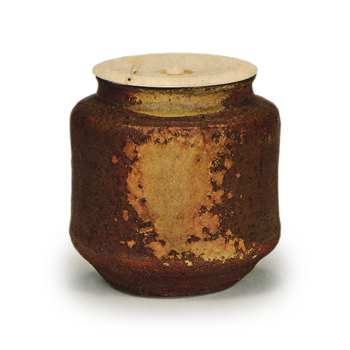
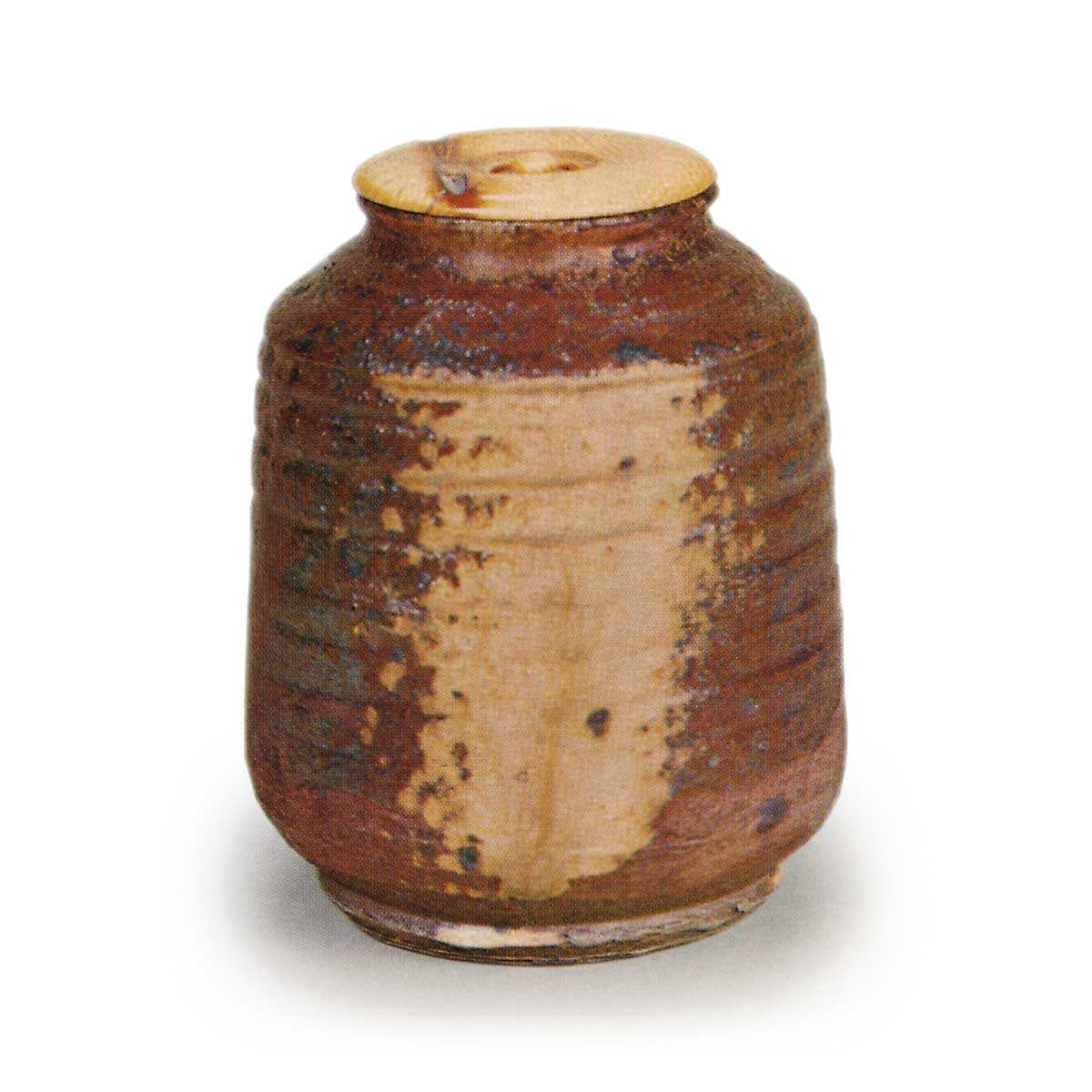
This tea caddy is read as “Ōyoso.” The name signifies that nothing can compare to it, and it is thought to reflect Enshū’s conception that the characters resemble the form of this tea caddy.
The characteristic clay and glaze of the Hafu kiln are evident, and its particularly unique form is highly prized. Some examples of this type show the lathe marks on the body, while others do not.
A subdued glaze covers the entire body. The yellow glaze on the front flows dynamically from the rim over the shoulder, sweeping vigorously down to the base where it settles.
The reddish clay is beautiful. The design featuring a circular base attached to the footplate is a defining feature of this tea caddy. However, some examples of this type lack the circular base. Pieces without visible yellow glaze are also encountered.
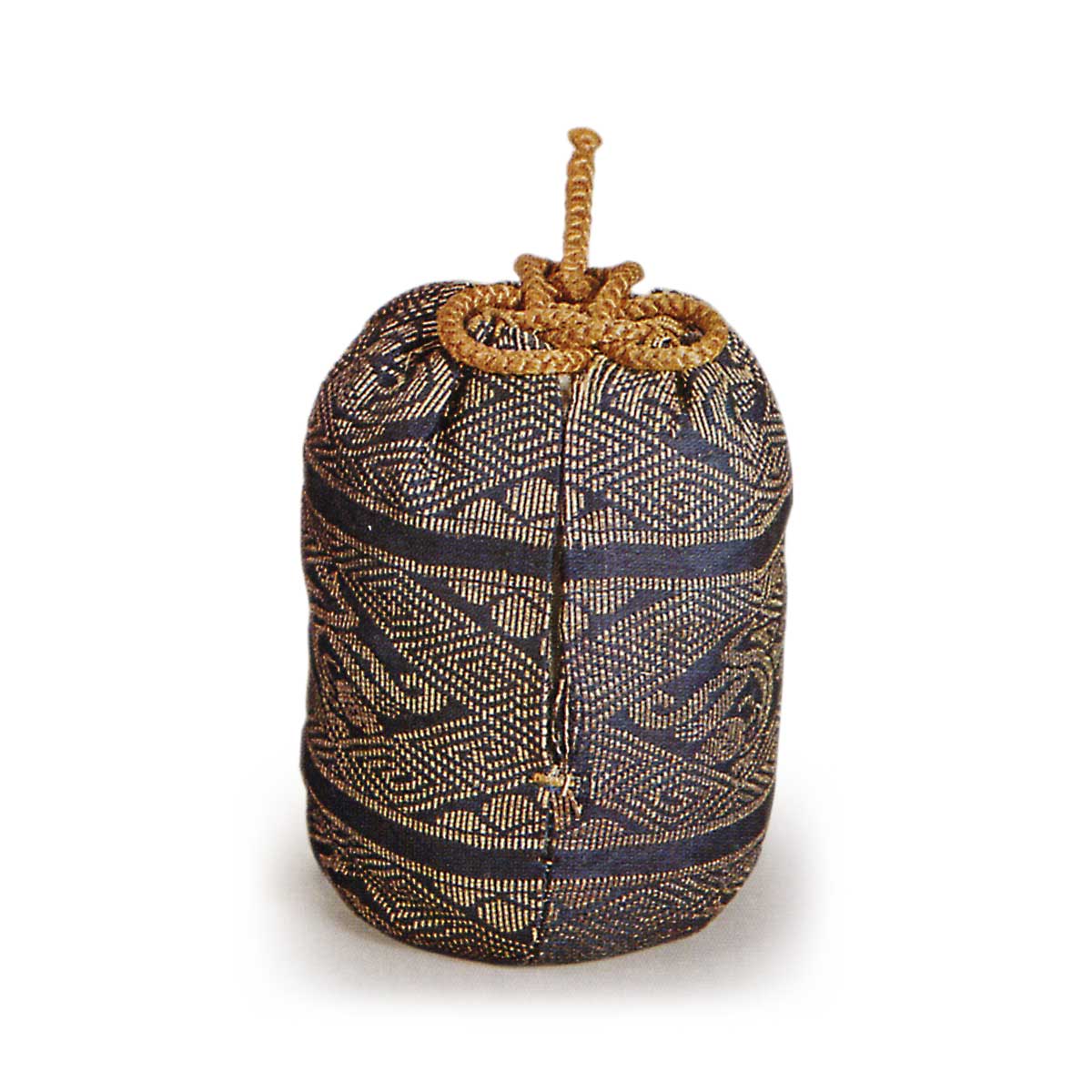
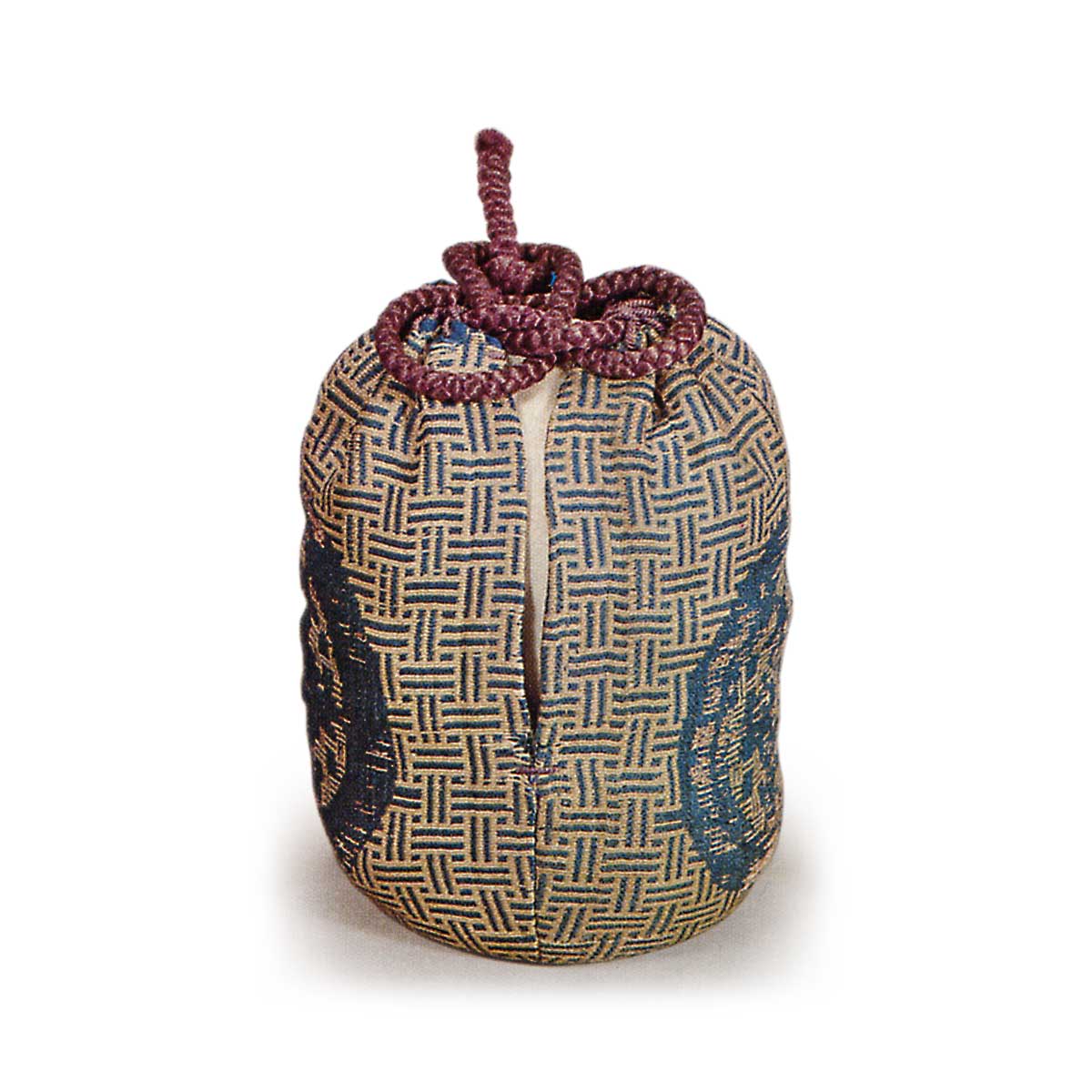
Four dust covers are included. The assortment of Kinran, Donshu, and Kandou types is splendid.
Inscription By Kobori Enshu