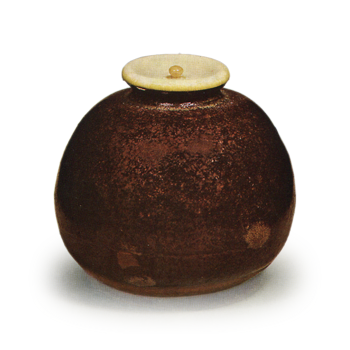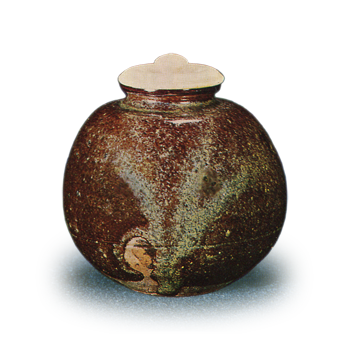

One name: Mitsukushi Nasu, Karamono, Daimeibutsu
Accessories
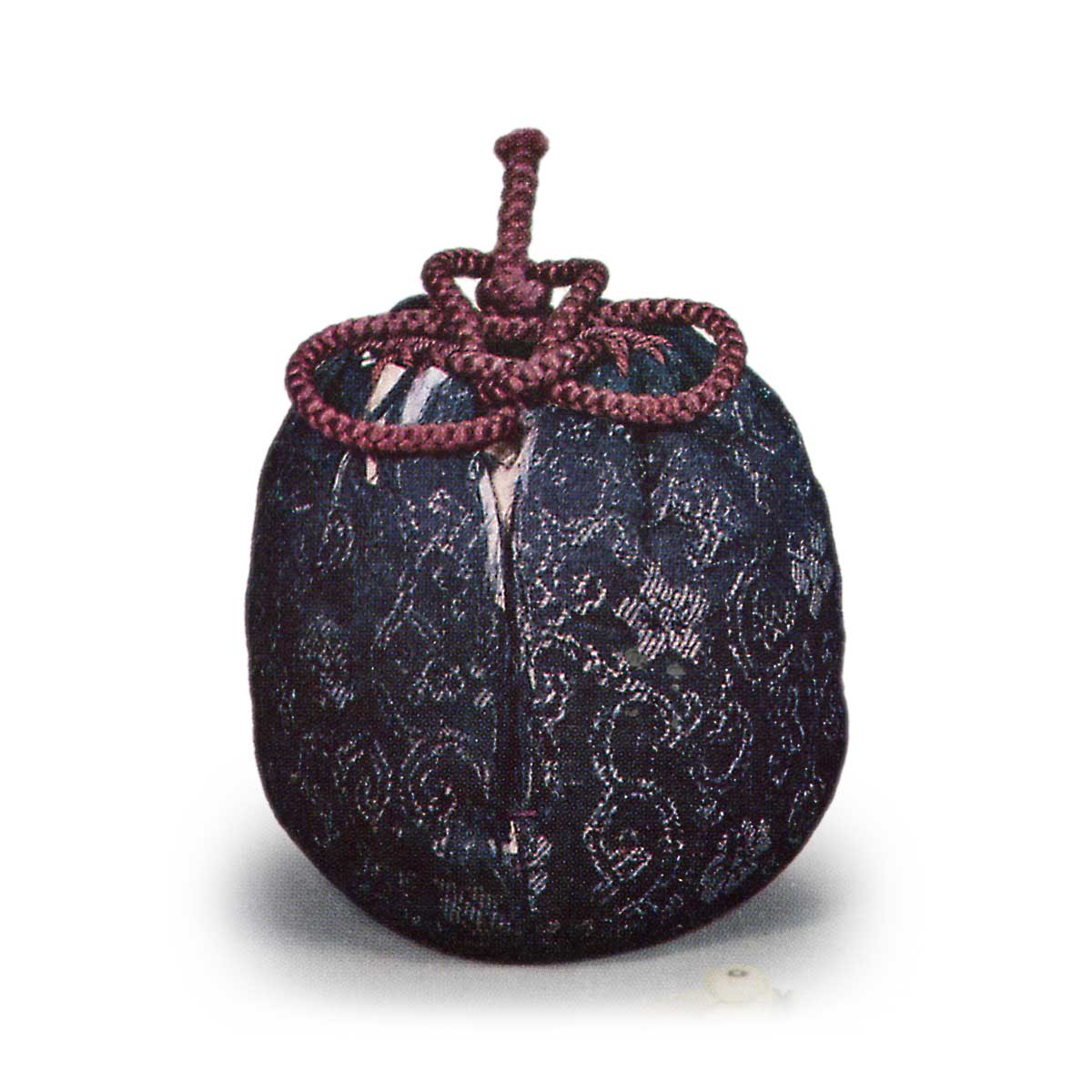
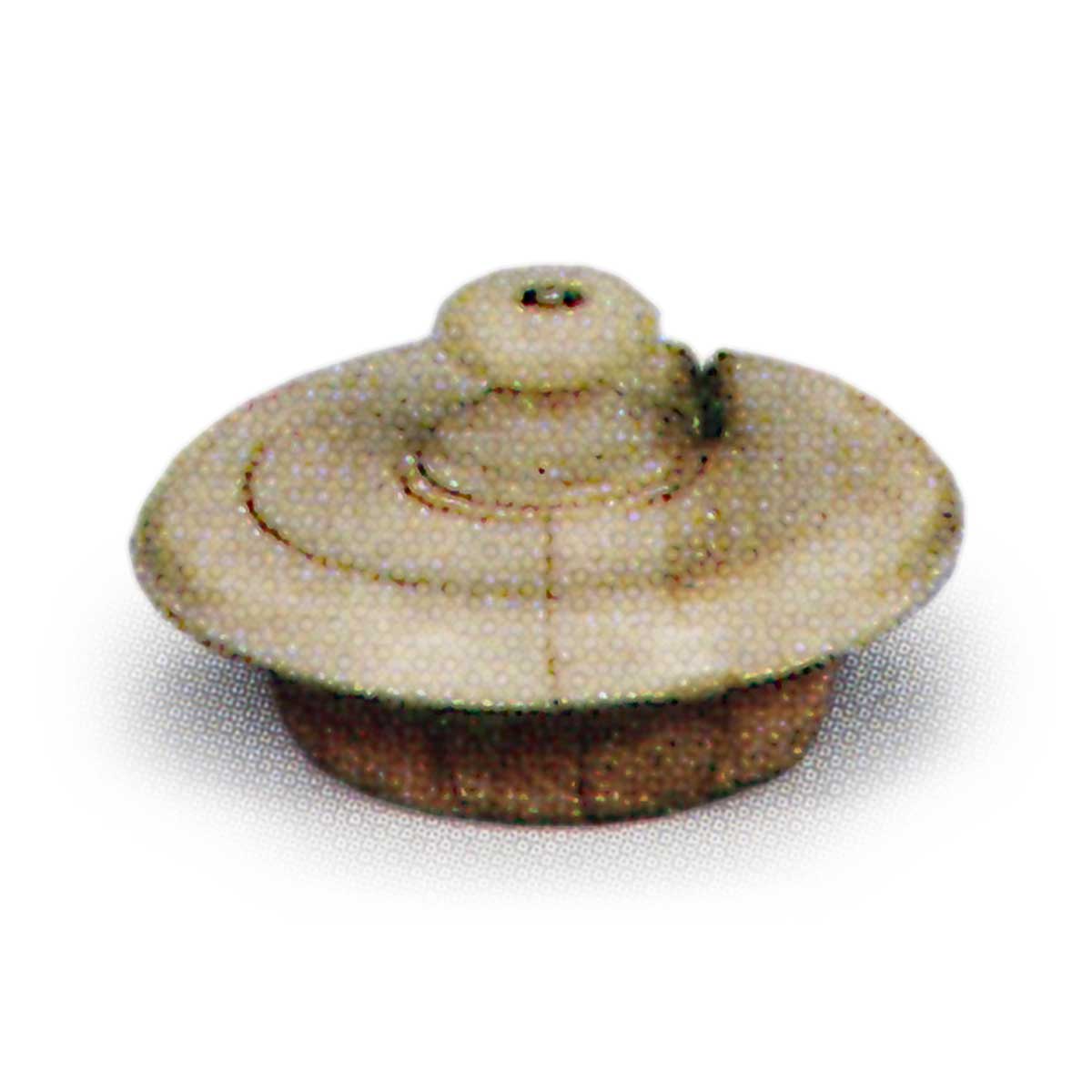
Two lids, no nest, Shouou-style, wood-carved nest, old woven cover, two
Cover box, white paulownia wood, inscription by Kanshi-an Muneyuki, same inscription on the underside of the lid
Carved by a woodworker, black lacquer, body with wickerwork, interior red lacquer
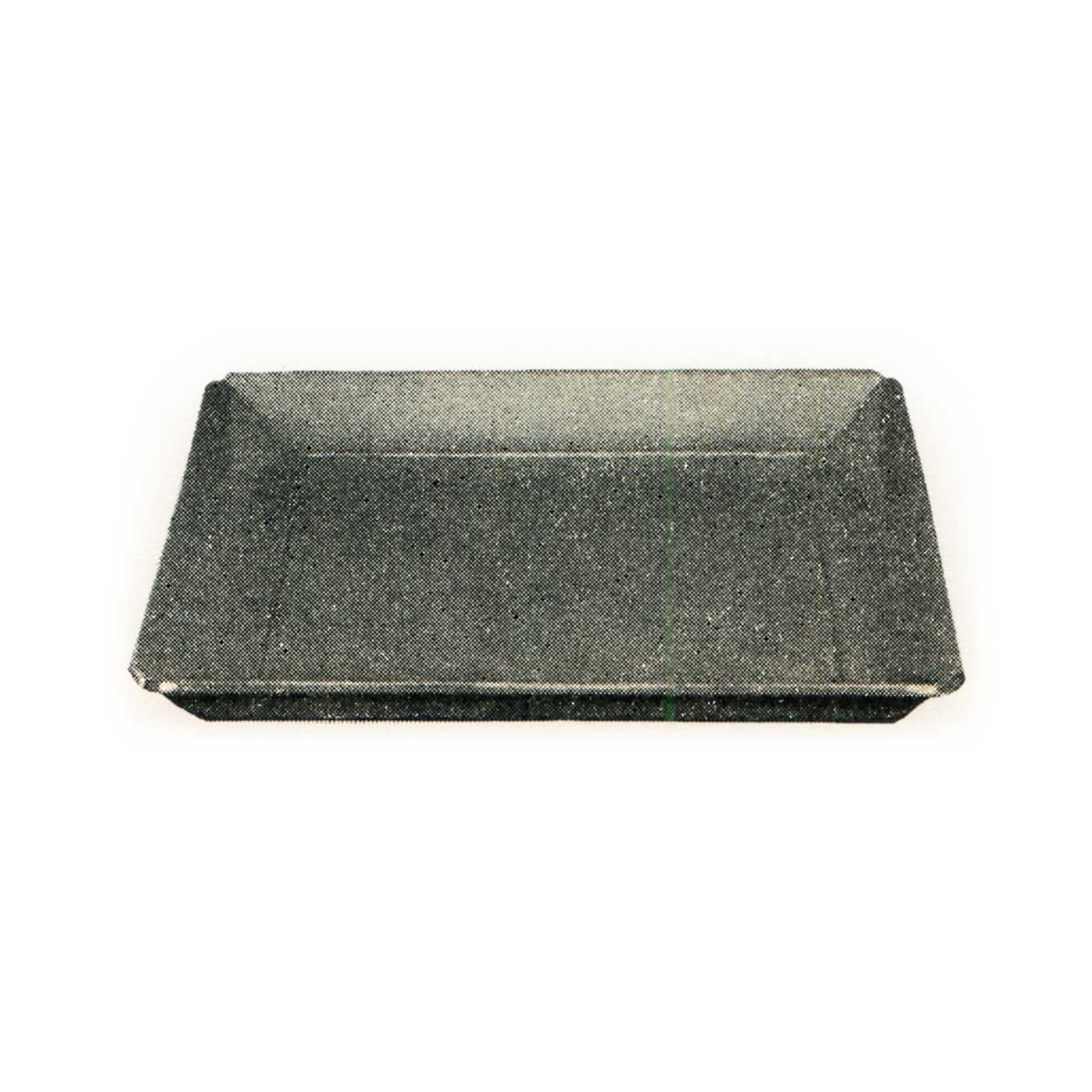
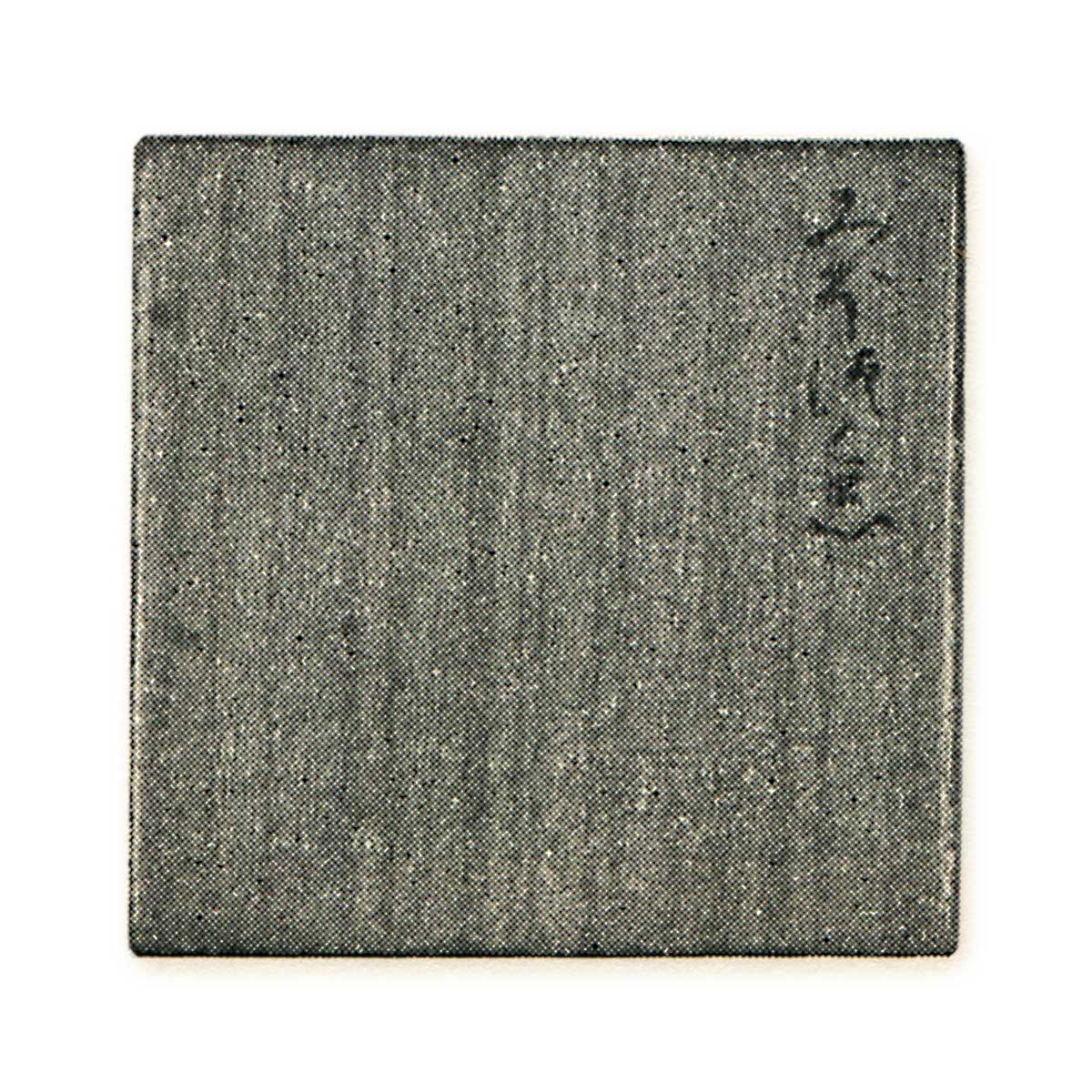
Four-sided tray with Rikyu’s seal, tray box, paulownia wood, same lid inside, inscription by Shōzō Sōsai
Inner box, paulownia wood, inscription by Kobori Enshū
Outer box, paulownia wood, inscription by Kanshi-an Sōshin (Sakai Shūsei), same lid inside, inscription by the same hand
Attached document 1: From Kobori Enshu to Priest Gekku
Transmission
Eichoubou Shouroku—Torii Hikisaku—Takeno Shouou—Imai Soukyu—Oda Nobunaga—Imai Soukyu—Toyotomi Hideyoshi—Imai Soukyu—Imai Soukun—Imai Souharu—Tokugawa Iemitsu—Touhonganji Temple—Kawamura Zui Ken—Kanshi-an Soujin
Record
Imai Sōkyū Diary, Tsuda Sōkyū Tea Ceremony Diary, Unshū Matsudaira Family Collection of Ancient Tea Ceremony Records, Imperial Household Agency Collection, Tenchō 13th Year Tea Ceremony, Kitano Tea Ceremony Records, Yamagami Sōji Records, Tea Ceremony Collection, Kusama Waraku, Tea Utensil Meibutsu Zui, Taisho Meiki Kan
Dimensions
Height: 6.0 cm, Mouth diameter: 2.7 cm, Body diameter: 6.3 cm, Base diameter: 2.7 cm, Weight: 55 g
This tea caddy has been used in the mainstream of the tea ceremony and is famous as a favorite item of Shōō and a treasure passed down by the Kōnoike family. Its elegant shape evokes the image of a noble prince sitting calmly and confidently.The glaze displays vibrant variations throughout, with three streams of glaze flowing together at the base, and the way the glaze clings to the surface is also intriguing. The glaze-free circular decoration on the lower side of the waist is also worthy of admiration.
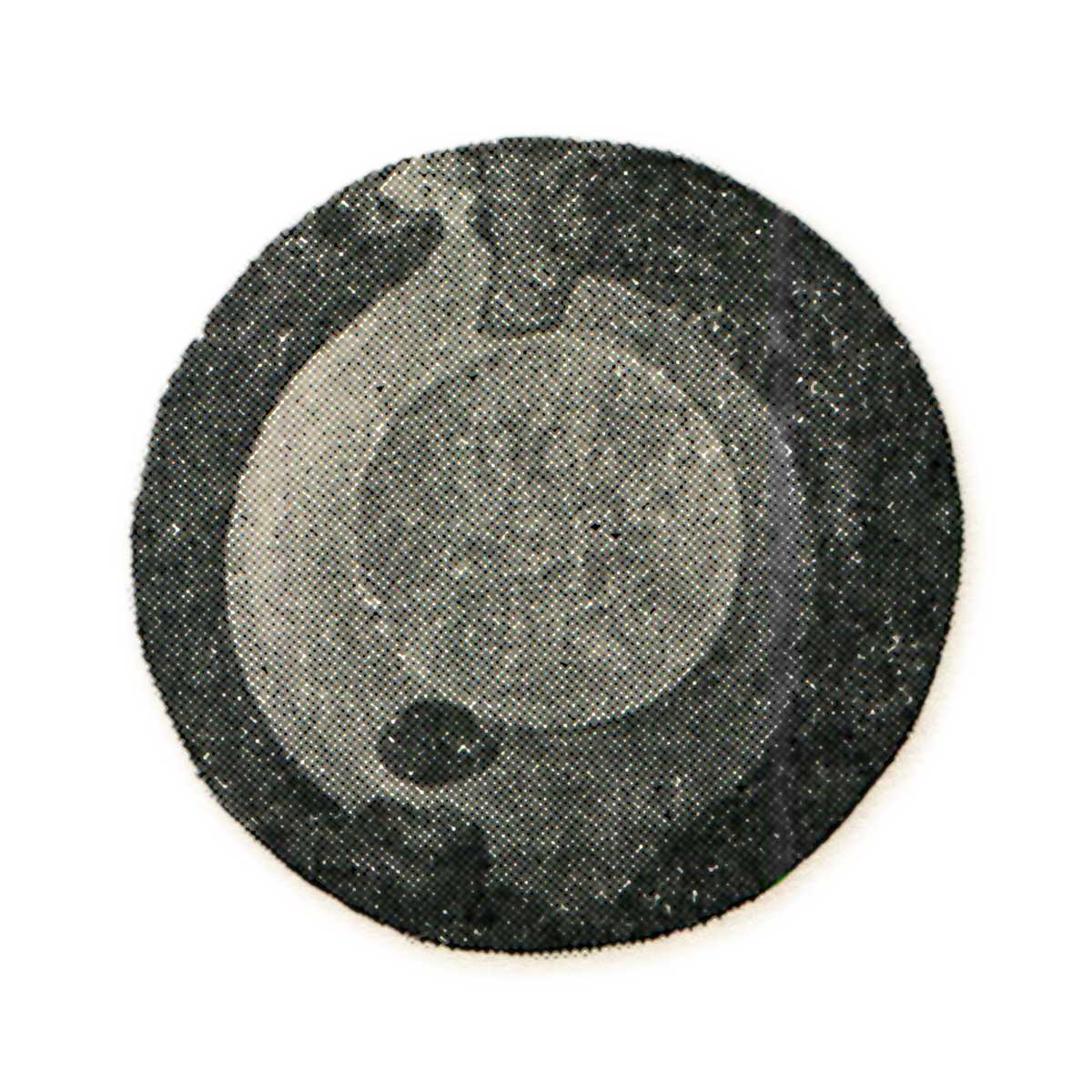
On the bottom, where the thread is cut, there is a ink inscription confirming that it was cherished by Shōō, and it is also praised by tea masters such as Kobori Enshū and Sakamoto Shunsai.One of the two shifuku (tea caddies) is a Shouhouji Donshu, which is particularly prized as one of the five types of Donshu.