
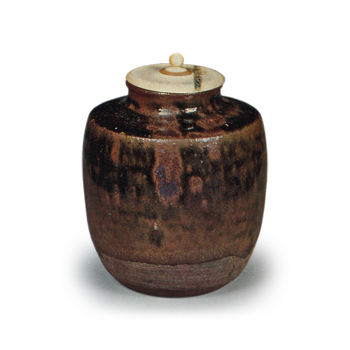
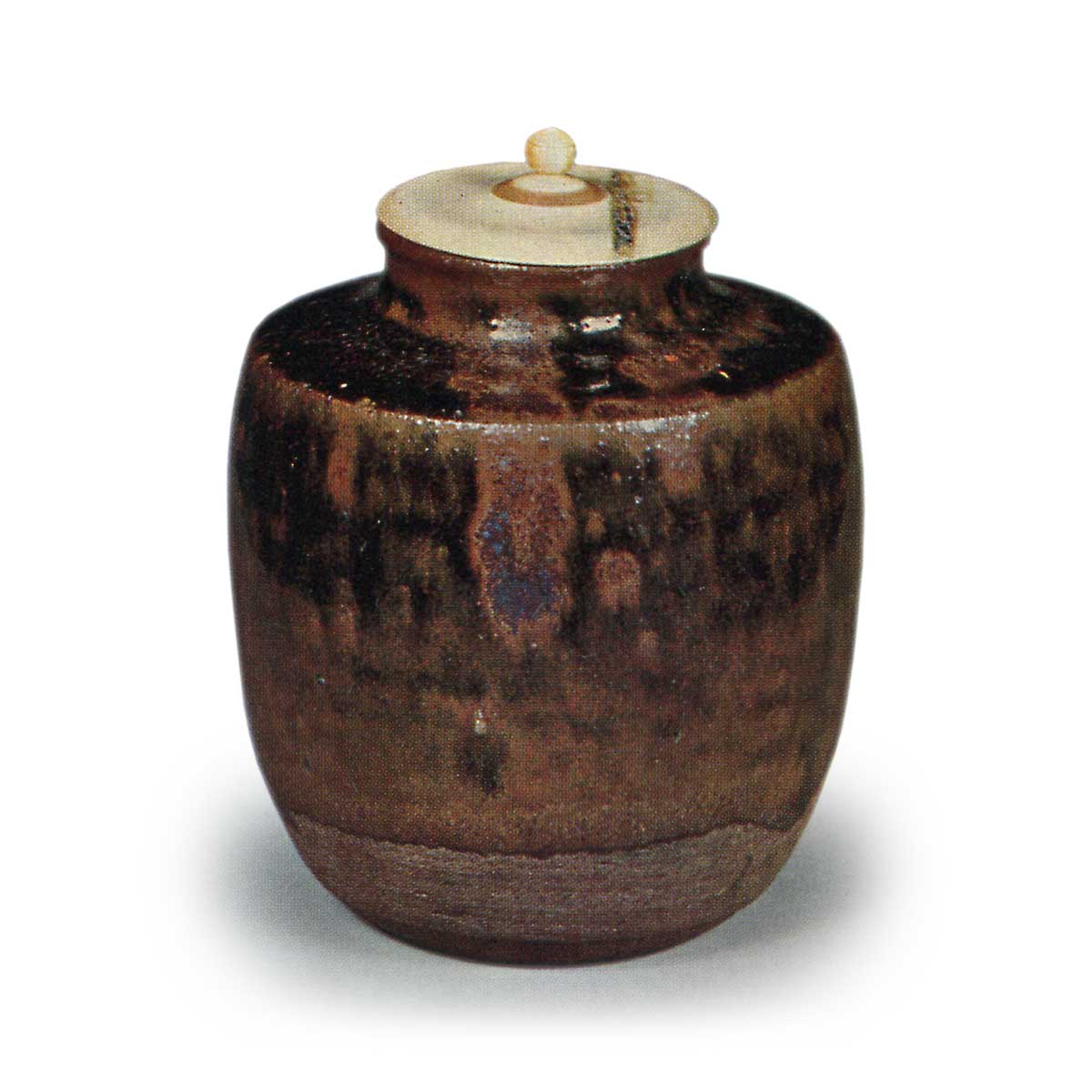
Kinkazan Shinnyo-do Model Poem, Revival Meibutsu
Accessories
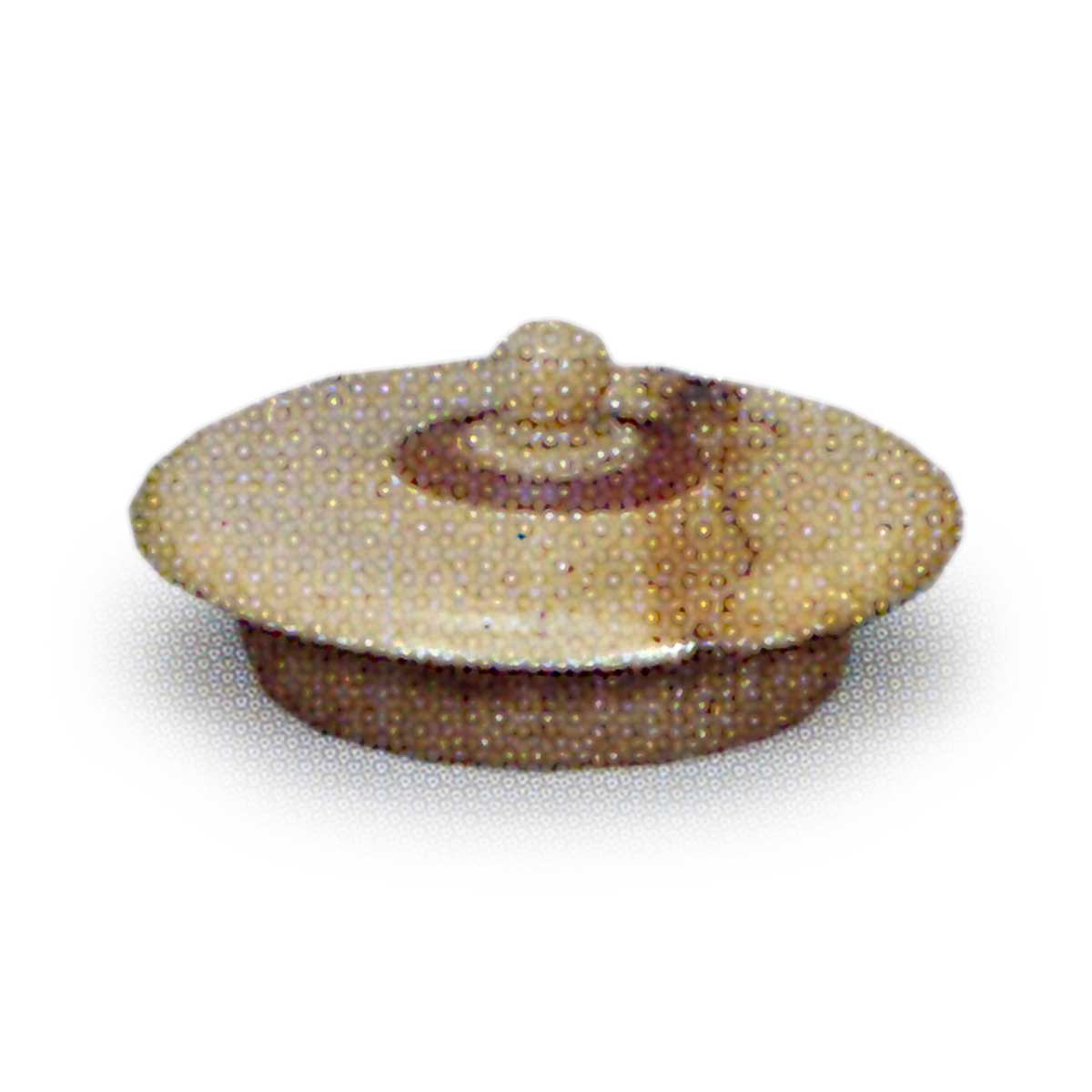
Lids: 2, Nest: 1 inside, Standing: Sasaku
Cover: 4, Cover Box: Paulownia wood with inscription, by Kobori Jūzaemon
Hikiya: Flower-patterned lacquer with gold powder characters, inscription by Kobori Enshū
Inner Box: Paulownia Wood with Inscription, Written by Kobori Jūzaemon
Outer Box: Ikkanshiki Lacquer, Written by Matsudaira Iga-no-kami
Transmission
Tōyōbō → Kobori Enshū → Matsudaira Sakon-shōgan Jō’oku → Tsuchiya Sagami-no-kami → Matsudaira Iga-no-kami → Akaboshi Family
Recorded
Meibutsu-ki (Record of Famous Objects) / Kokon Meibutsu Ruishu (Compendium of Famous Objects Through the Ages) / Tsuchiya Kōchō (Tsuchiya Family Inventory) / Yoshimasu Kōen (Author) / Chairi Zukai (Illustrated Guide to Tea Containers) / Chaki Mokuri Shū (Collection of Tea Utensil Appraisal) / Meibutsu Mokuri Monjo (Record of Famous Object Appraisal) / Gokuhi Mokuri Sho (Secret Appraisal Book) / Kankyū Gūhitsu (Random Notes from Leisure Hours) / Enshū Gosenshu Jūhachi-hin (
Height: 7.4cm Mouth Diameter: 3.5cm Body Diameter: 6.8cm Base Diameter: 3.5cm Weight: 130g
This tea caddy was owned by Tōyōbō of Shinjūdō, a disciple of Rikyū. It is a prime example proving that even in this era, such anonymous Seto-period kiln tea caddies were already being acquired by connoisseurs of wabi-sabi. Precisely for this reason, its form resembles ancient Seto ware, with a correctly executed shoulder-shaped body and an execution that retains its dignity. It has also been praised for its rice-grain texture.
The glaze is uniformly applied with a gentle warmth; the flowing glaze is not excessive, creating a pleasing overall form. The fine texture of the clay is evident, and the flat-bottomed base is correctly formed.
It comes with four fukusa (cloth covers). Among them, the rare red-ground old Kinran Tomita-kiru is splendid, leading the other three. As recorded in Sumitomo Shunsui’s “Tea Gathering Notes,” there are accounts of it being praised by tea masters from both the east and west at that time.

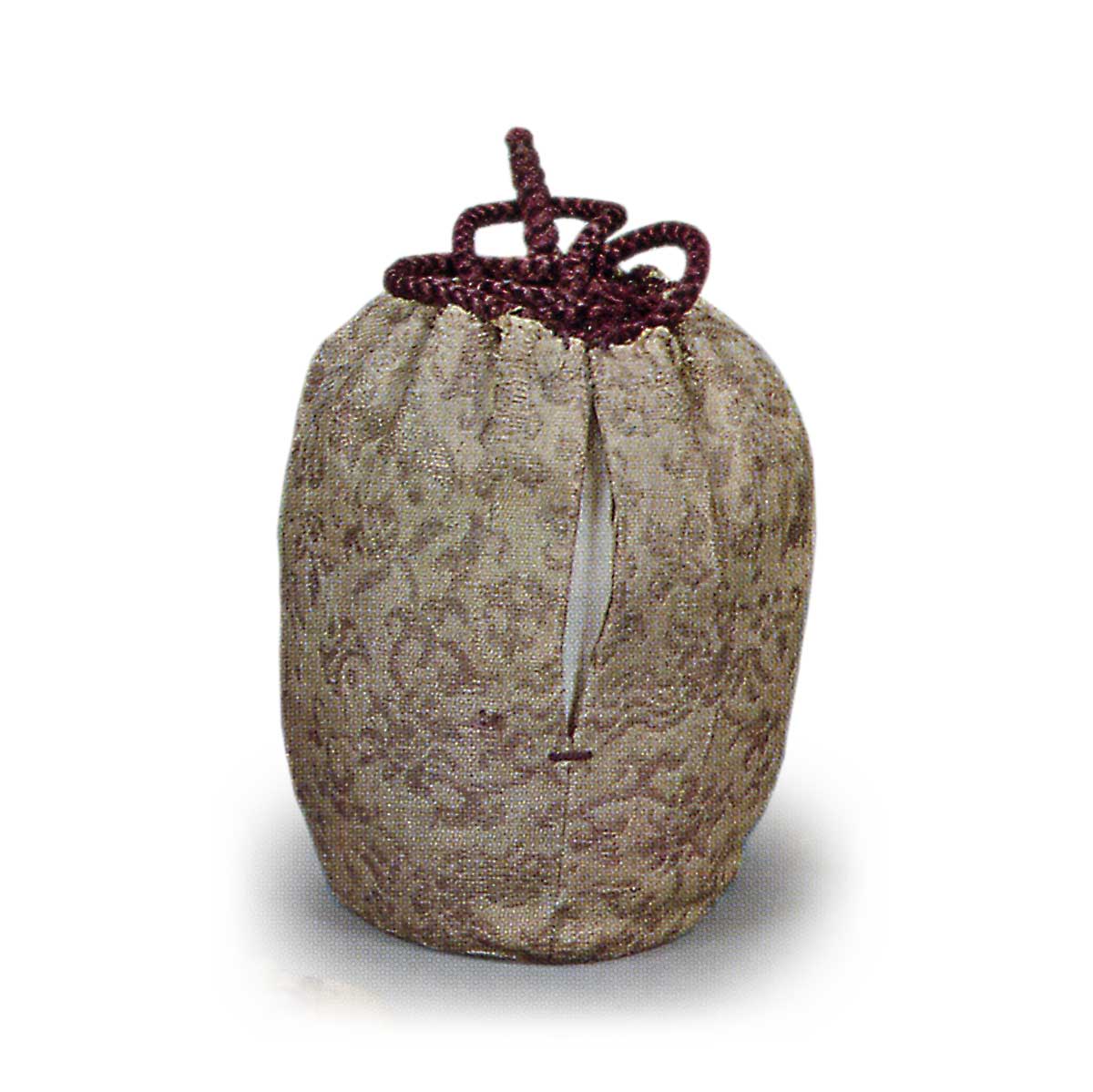
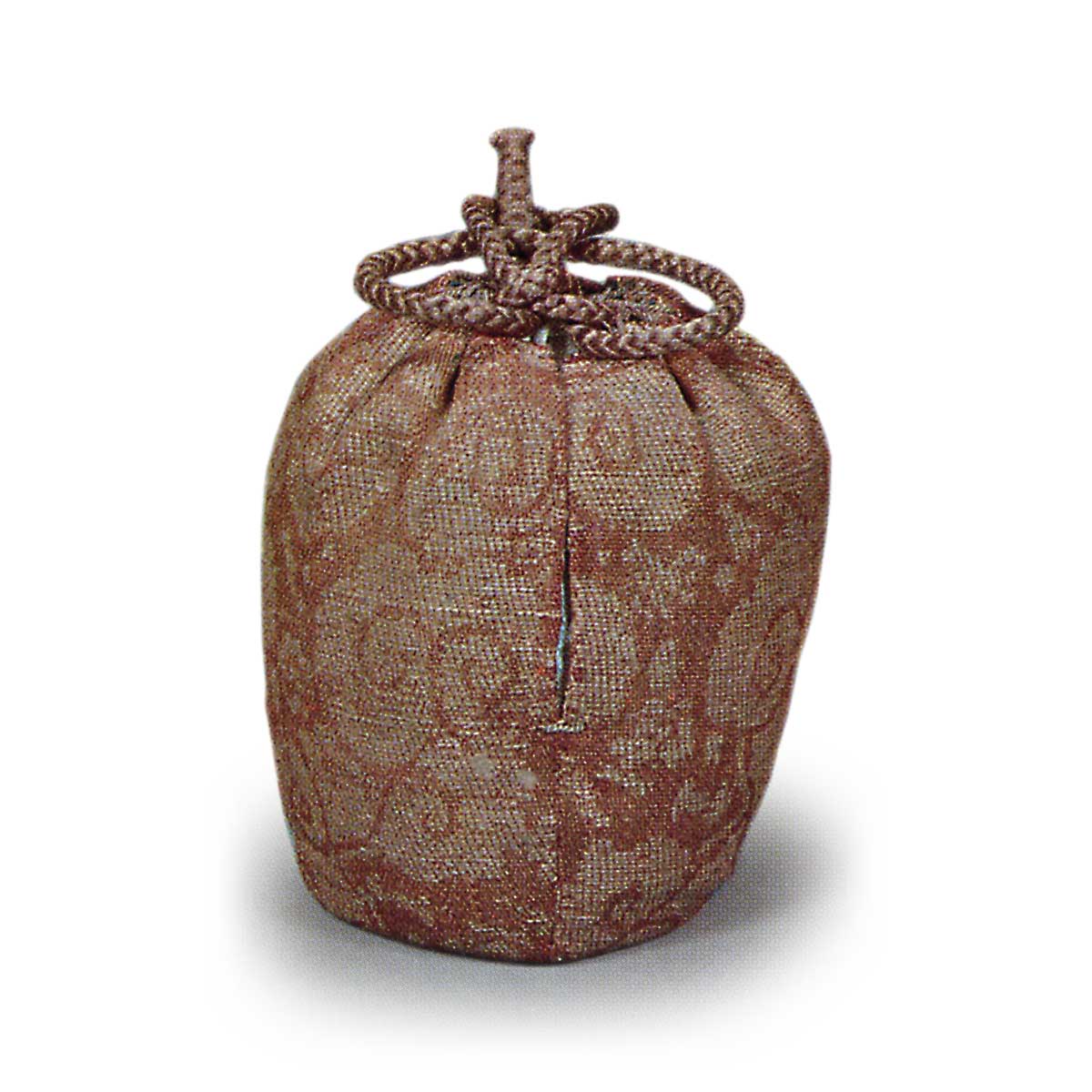


Inscription: Written by Kobori Enshu

Inscription: Written by Kobori Jūzaemon

