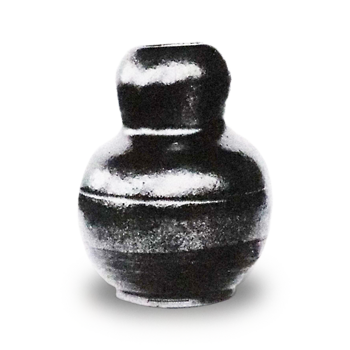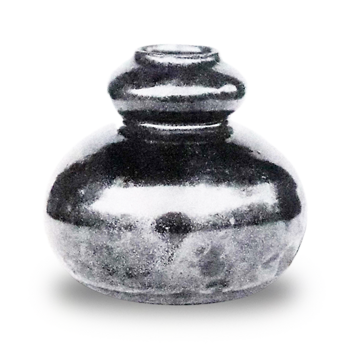
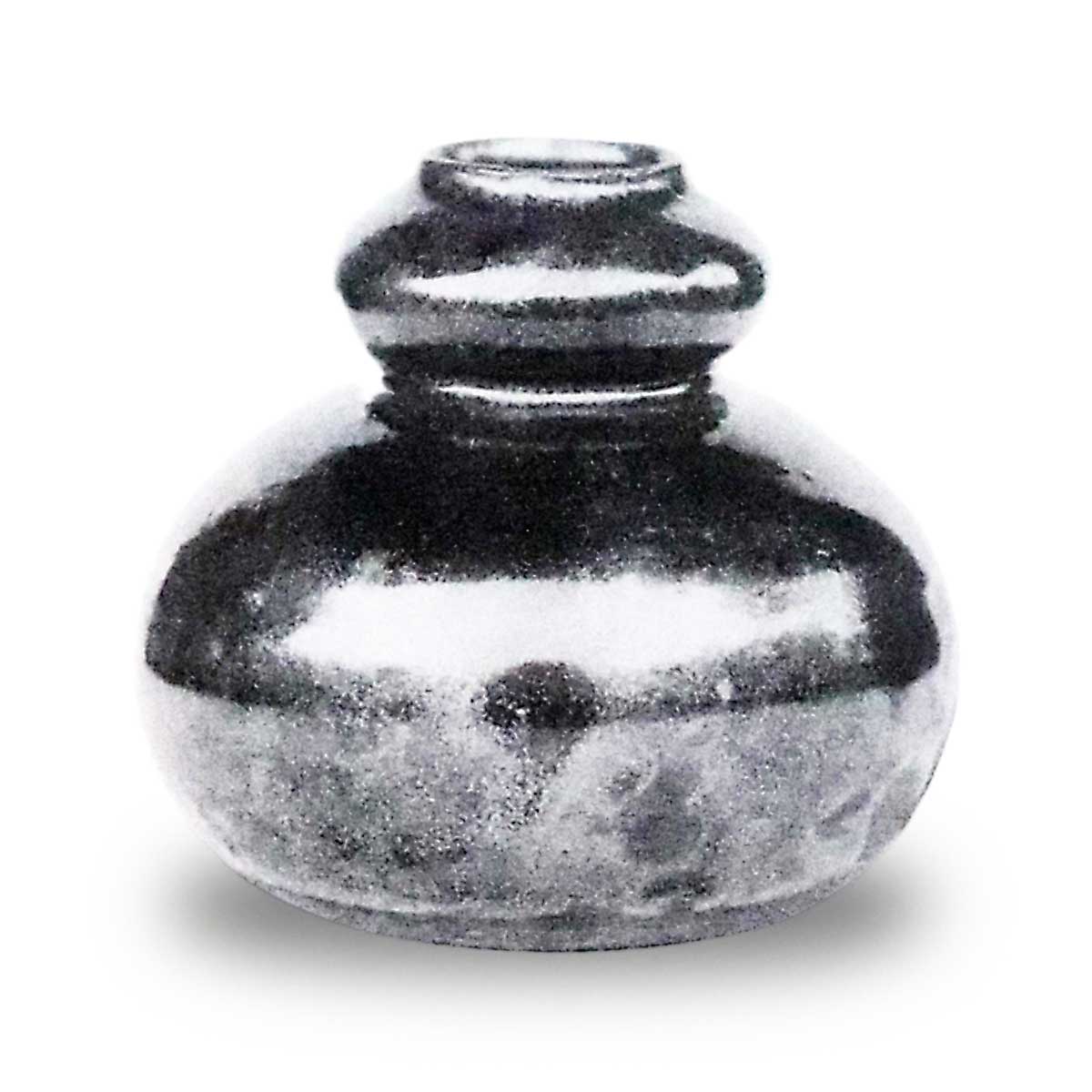
Shunkei Gourd-Shaped Tea Jar—Collection of Baron Konoike Zen’emon
[Overview]
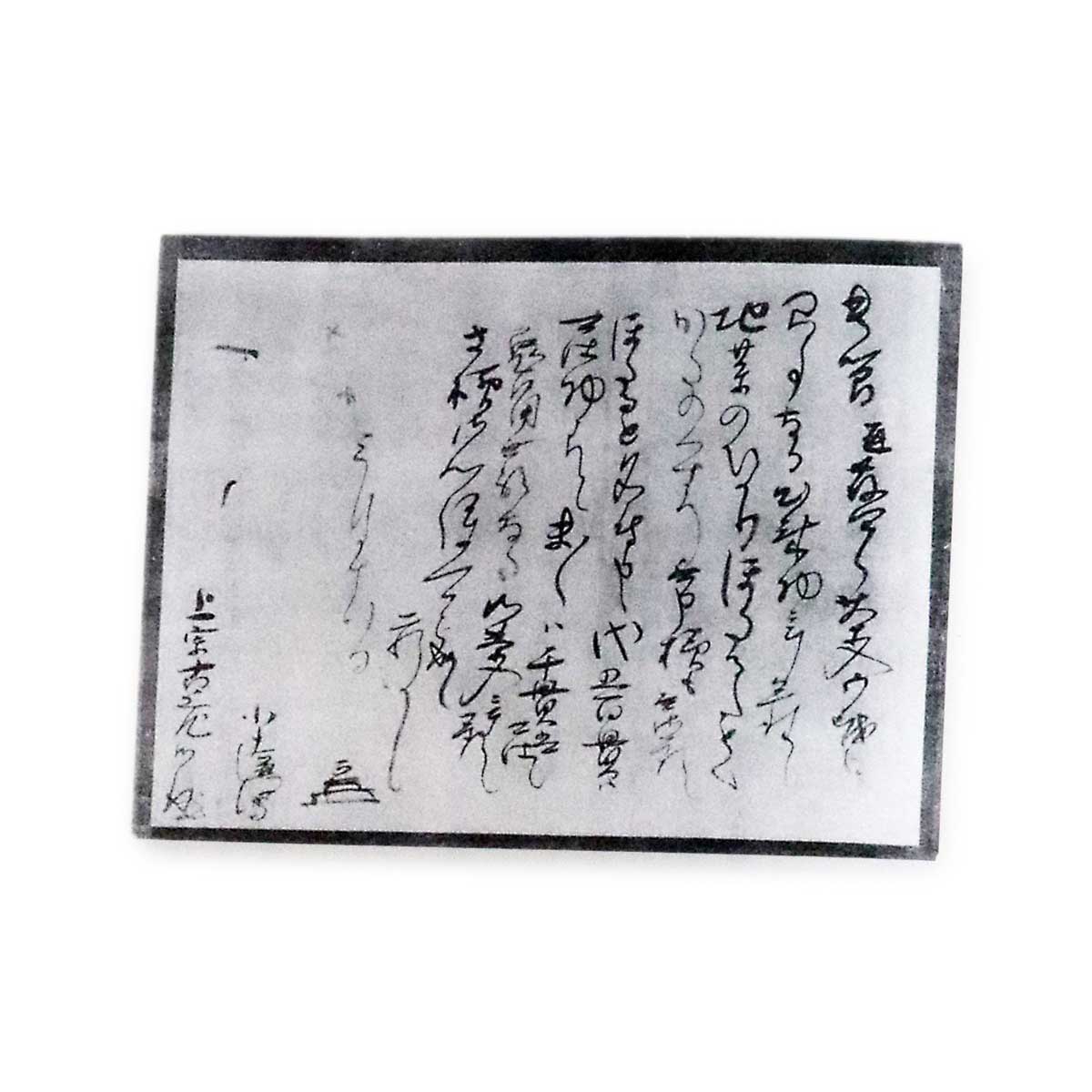
The accompanying hanging scroll (a letter from Kobori Enshū to Ueda Sōko) states: “I named it ‘Hotaru’ because the glow of the underglaze resembles fireflies, and the glaze on the umbrella-shaped section is unpatterned, which is intriguing.”
[Dimensions and Weight (Converted to Modern Units)]
・Height: Approx. 7.58 cm (2 sun 5 bu)
・Body Diameter:
Upper Bulge: Approx. 4.51 cm (1 sun 4 bu 9 rin)
Lower Bulge: Approx. 8.33 cm (2 sun 7 bu 5 rin)
・Mouth Diameter: Approx. 2.73 cm (9 bu)
・Base Diameter: Approx. 4.02 cm (1 sun 3 bu)
・Lid Thickness (Height): Approx. 0.30 cm (1 bu)
・Weight: Approx. 160.1 g (42 monme 7 bu)
*Conversion Standards: 1 sun = approx. 3.03 cm, 1 bu = approx. 0.303 cm, 1 rin = approx. 0.0303 cm, 1 monme = approx. 3.75 g
[Accessories]
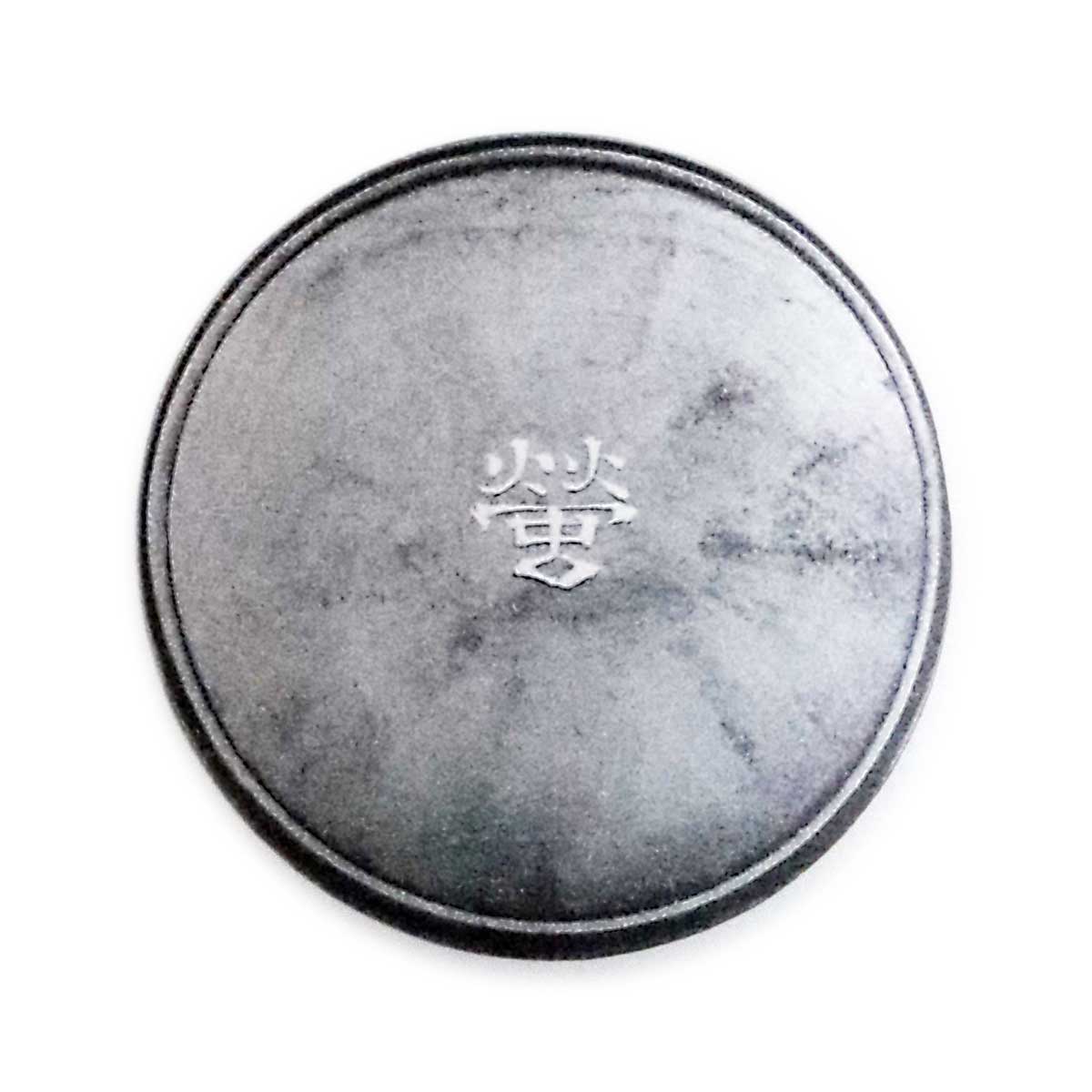
・Lid: 1 (ivory lid)
・Storage pouch: Purple crepe (straps and cord are purple)
・Covers (pouches): 2
- Double-vined floral pattern with gold lattice (straps: pale yellow / lining: “Katen” cloud velvet with rabbit motif and ocean waves)
- Ancient-style purple ground with cornered dragon and antique gold lattice (straps: brown / lining: “Kamome” pale yellow cloud velvet with rabbit motif and ocean waves)
(Also known as “Tōdai-ji-kirī”)
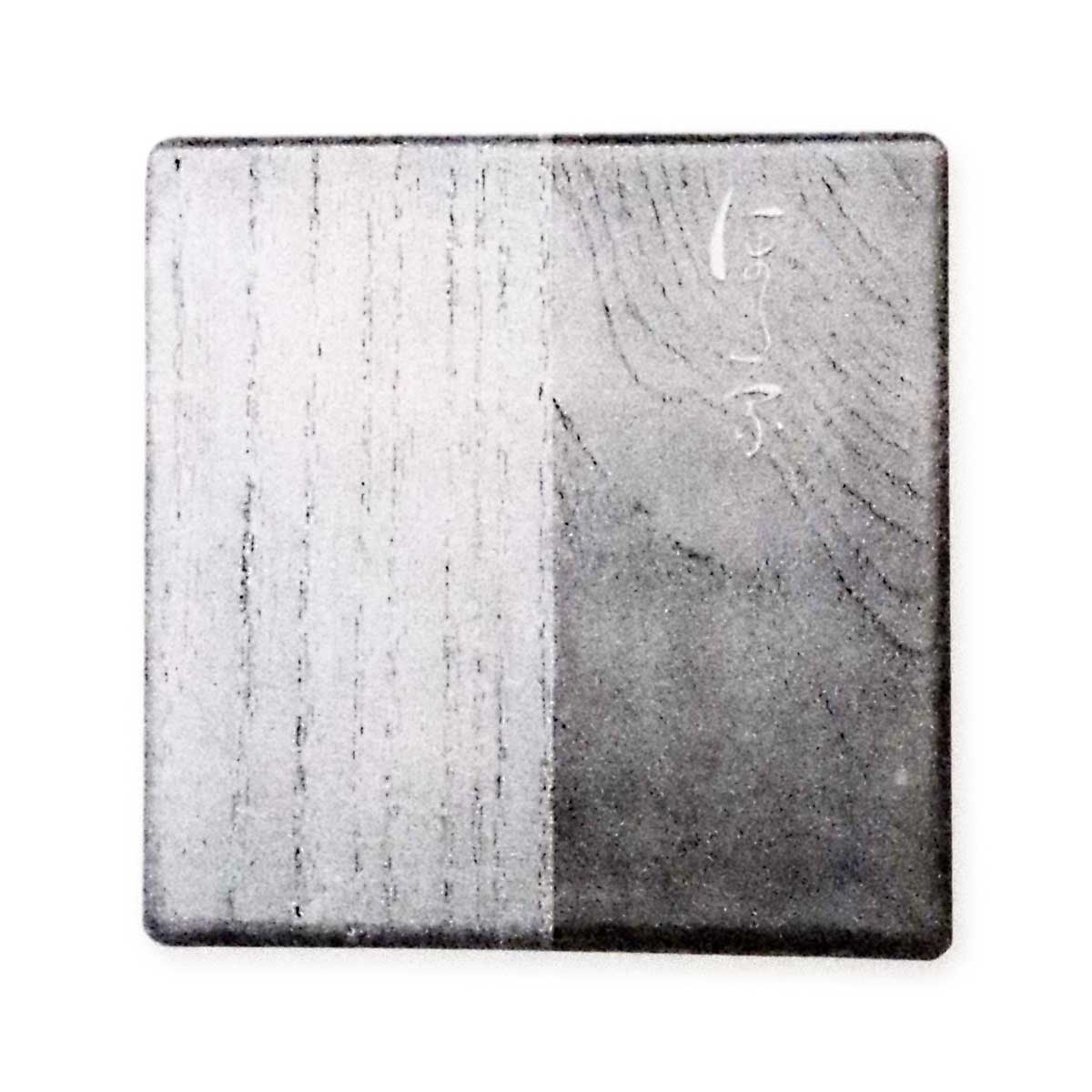
・Storage Box: Paulownia, natural wood
・Lining Paper: Inscriptions as follows
[Records of Attached Documents, Cover Pouches, Boxes, etc.]
・Cover Pouch Linings, etc.: White-ground Namesen-style Kogin Lattice (Lining: Ten-velvet Rabbit-Patterned Sea Yellow), Ancient-style Purple-Ground Angled Dragon Kogin Lattice (Lining: Moe-yellow Ten-velvet Rabbit-Patterned Sea Yellow)
・Wooden tube (for storing the cover and tea caddy): Made of rosewood
The character “Hotaru” (Firefly) inscribed in gold powder on the lid (with a certificate of authenticity by Kobori Enshū)
・Pouch: Nine-panel Tomoe sarasa pattern (lining: Mon-Junko; cord: brown)
・Inner box: Made of paulownia; lid is a laminated combination of paulownia and rosewood
“Hotaru” (Firefly): Rosewood with gold-powdered characters (calligraphy by Kobori Enshū)
・Accompanying hanging scroll (letter addressed to Ueda Sōko, written by Kobori Enshū):
“I have received and examined your letter and the Fujishirō tea caddy you sent. The craftsmanship is truly magnificent. The luster of the base glaze resembles fireflies, and the unpatterned glaze on the lid is intriguing, so I have named it ‘Hotaru’ (Firefly). The price of 500 kan is more than sufficient. In the future, it will likely be valued at 1,000 kan. As this is a truly magnificent and rare tea caddy, please keep this in mind as you cherish it. Respectfully submitted. March 18, Ko-Enshū-no-kami (Kobori Enshū) Seal / Addressed to Jō Sōkō (Ueda Sōko)”
[Miscellaneous Notes]
Firefly: Shunkei Hyōtan Coloration
(From the Kōnoike Collection Register, colophon dated Bunka 2)
[Explanation of the Tea Utensil (from Chaki Meibutsu Zui)]
Shunkei Hyōtan “Firefly.” The pouches feature an antique gold lattice pattern on a yellow background and an antique gold lattice pattern on a white background. Accompanied by one scroll of Enshū’s letter. The handle is black lacquered (a mistake for rosewood) with gold powder inscriptions.
Both the box and its lid bear calligraphy by Kobori Enshū.
[Provenance]
When Ueda Sōko owned this piece, Kobori Enshū named it “Firefly.” The exact date it entered the Kōnoike family’s possession is unclear. According to accounts by tea masters, “Ueda Sōko’s secular name was Motomizu; he initially served Akechi Mitsuhide, and after Mitsuhide’s defeat, he withdrew from the world to live in seclusion. Later, he distinguished himself in battle and served the Hiroshima Domain (the Asano family); though he was sometimes looked down upon as a tea master with a stipend of 10,000 koku, he redeemed himself through military exploits during the Siege of Osaka.”
[Record of Actual Observation (Record of observing the actual object)]
Observed on May 4, Taisho 9 (1920), at the residence of Baron Kōnoike Zen’emon in Kawara-yabashi, Minami Ward, Osaka City.
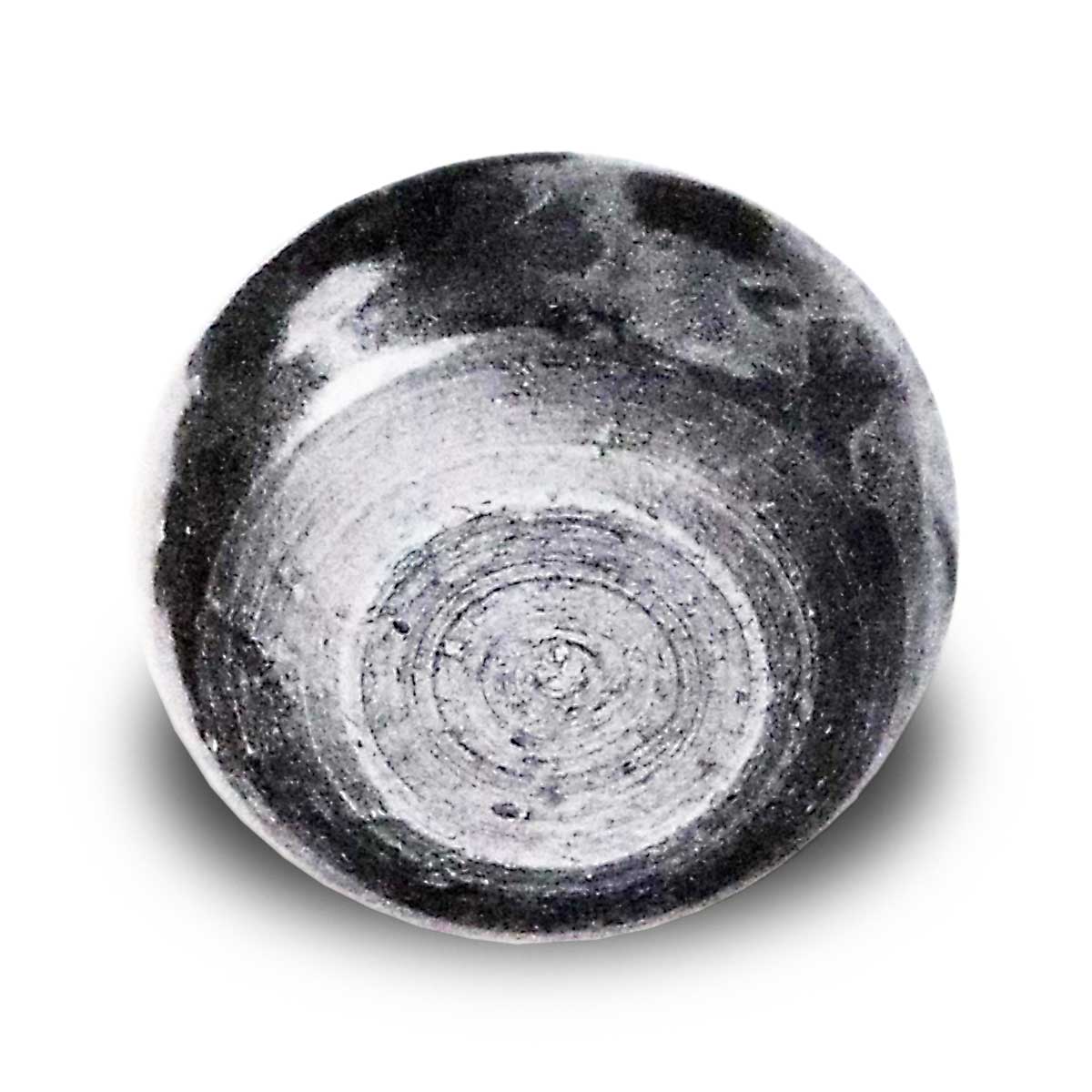
The rim has no turned-in edge; the gourd-shaped upper part appears to have been flattened, while the lower part bulges out significantly. Overall, against a rich background of “kaki-kin-ki” (a gold-toned glaze with a persimmon hue), mottling and textural variations appear around the body due to the black glaze. The “avalanche” of black glaze in the glaze pools—where the glaze has pooled or flowed and then stopped—contains a particularly high concentration of golden hues. Fine wheel marks run from the rim downward, and the base is made of a pale gray unglazed clay with a thread-cut finish. Inside, the glaze extends from the rim; below that, wheel marks run around the interior, and the center of the base forms a swirl pattern. Overall, it is free of flaws, though there are three small “hima” (unglazed areas) around the rim. With its large lower section and wide base, it sits firmly on the surface, making it a tea caddy with an interesting shape.
(Written by Ueno Uokichi, Kyoto)