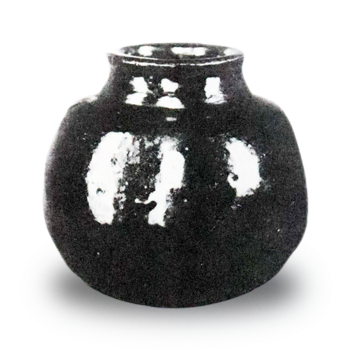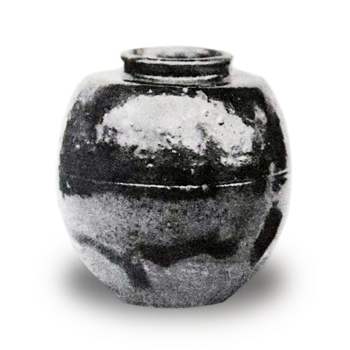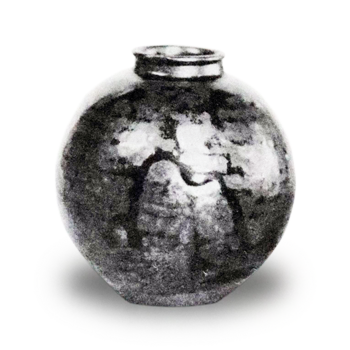
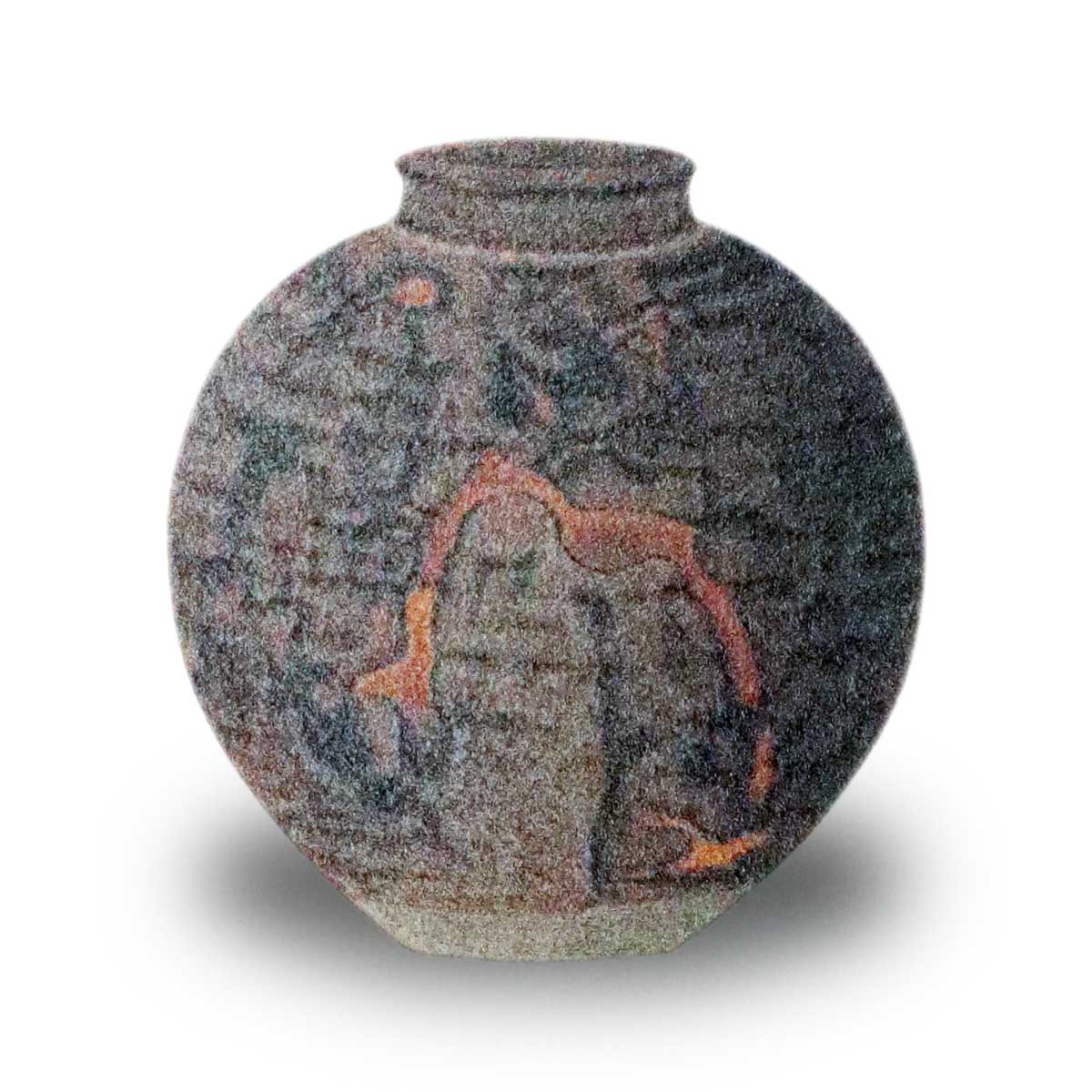
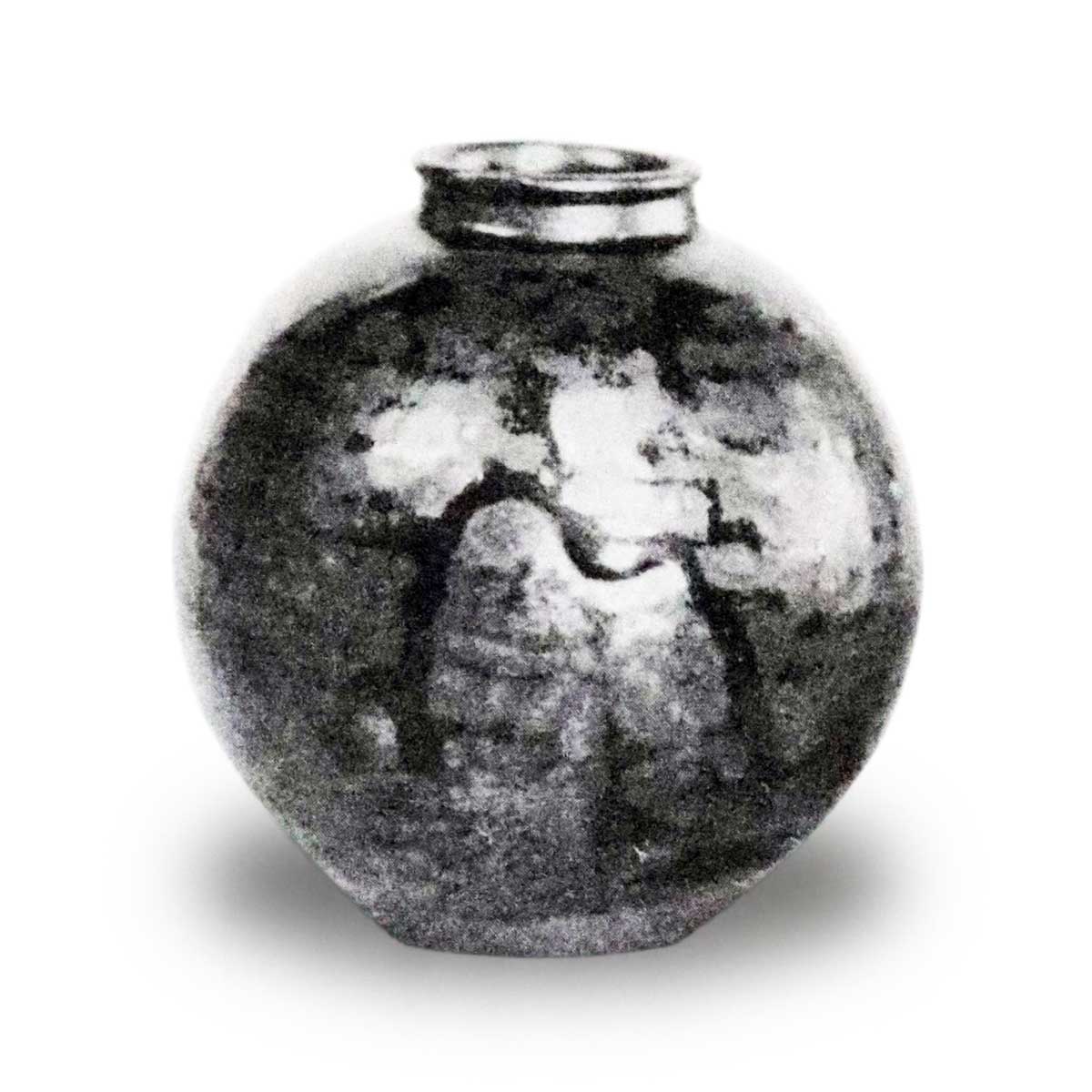
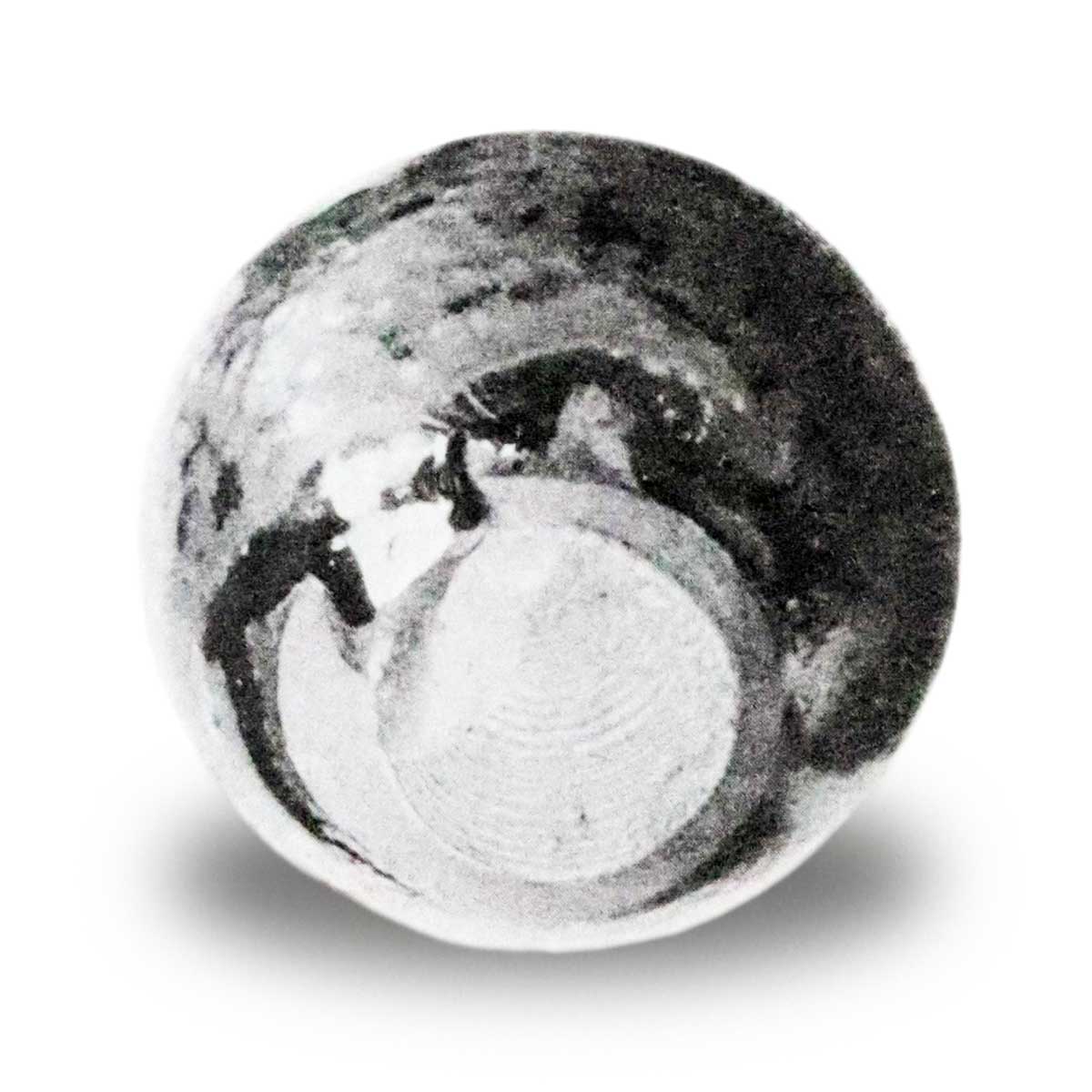
Made in China; a famous Meibutsu from the Zhongxing period; also known as: Joten Bunrin; Collection: Mr. Kanaya Sakamoto, Tokyo
Origin of the Name
The name “Iwaki” is believed to derive from the fact that it was once owned by Iwaki Sadataka, the ancestor of the current Iwaki Viscount family. The Hankanfu states: “Because Iwaki Sadataka did not side with the Tokugawa faction during the Battle of Sekigahara in the autumn of Keichō 5 (1600), his fief (100,000 koku in Iwaki District) was confiscated on May 8, Keichō 7, and he was transferred to Dewa Province (Akita Prefecture) and granted the Kameda domain (20,000 koku). He died on October 19, Genna 6 (1620), at the age of 39.” Therefore, there are currently no documents to prove whether this tea caddy was confiscated by the shogunate when Iwaki Sadataka’s lands were seized and subsequently bestowed upon the Date clan by the shogunate, or whether it was passed down directly from the Iwaki clan to the Date clan in Sendai.
Regarding its alternative name, “Bunrin,” there is a theory that this tea caddy earned this name because it was once presented to the Chinese emperor (the Son of Heaven) for his viewing; however, “Jōten” likely simply means “supreme.”
Dimensions (converted at 1 sun ≈ 3.03 cm)
Height: Approx. 6.48 cm (2 sun 1 bu 4 rin)
Body diameter: Approx. 6.30 cm (2 sun 8 rin)
Mouth diameter: Approx. 2.42 cm (8 bu)
Base diameter: Approx. 2.73 cm (9 bu)
Crack on the bottom (kiln damage): Length: approx. 2.12 cm (7 bu), Width: approx. 1.06 cm (3 bu 5 rin)
Height of the koshiki (rim): approx. 0.52 cm (1 bu 7 rin)
Weight: approx. 52.9 g (14 monme 1 bu *1 monme = 3.75 g)
Accessories
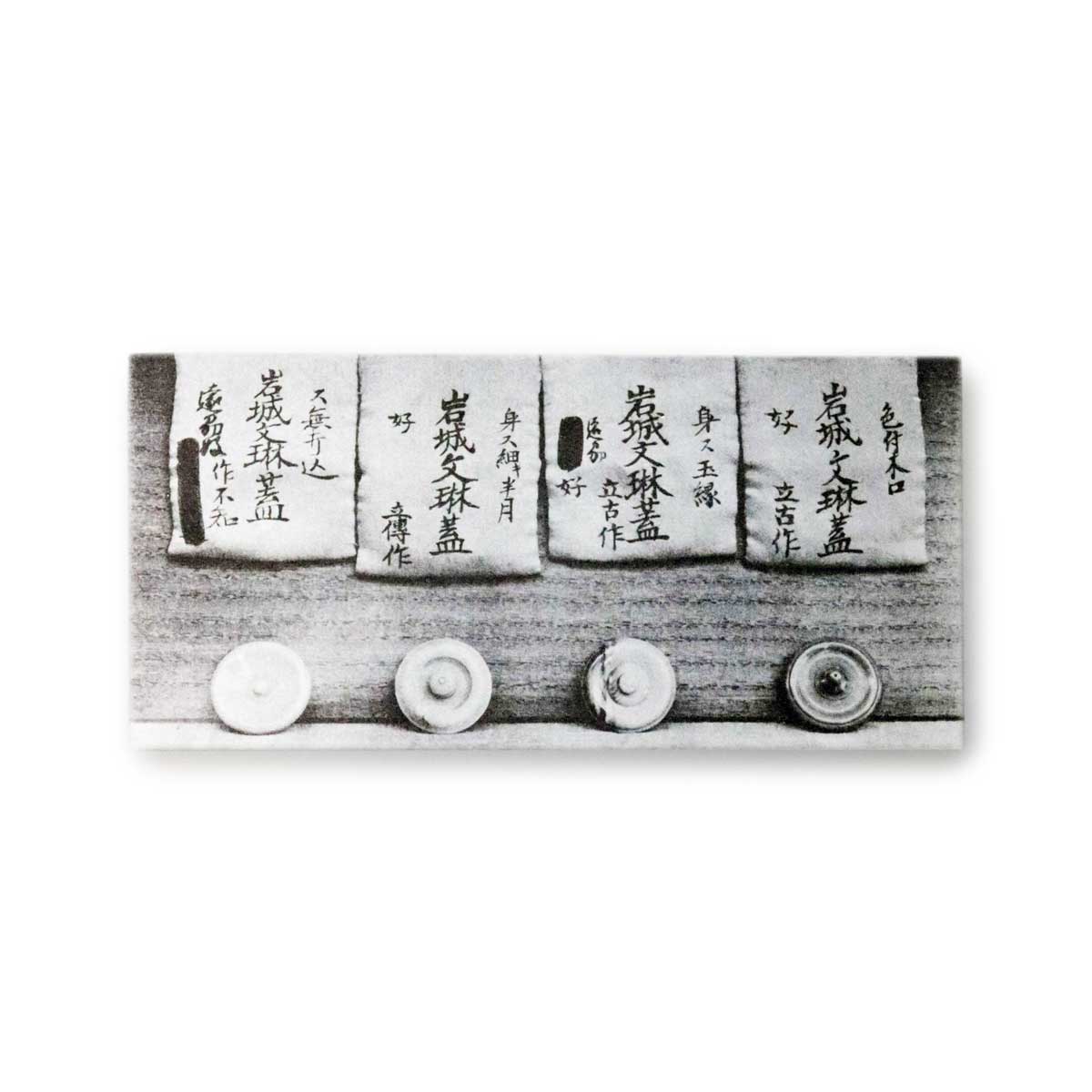
・Lids: 4 pieces (in the order shown in the photos)
Colored wood inlay: Made by Tachiko (artisan’s name)
Indented bead-edged rim: In the style of Kobori Enshu, made by Tachiko
Half-moon pattern: Made by Tachiden
Non-indented inlay (embossed): In the style of Kobori Enshu
・Storage bag (bag for the tea caddy): White chirimen silk, with a white cord
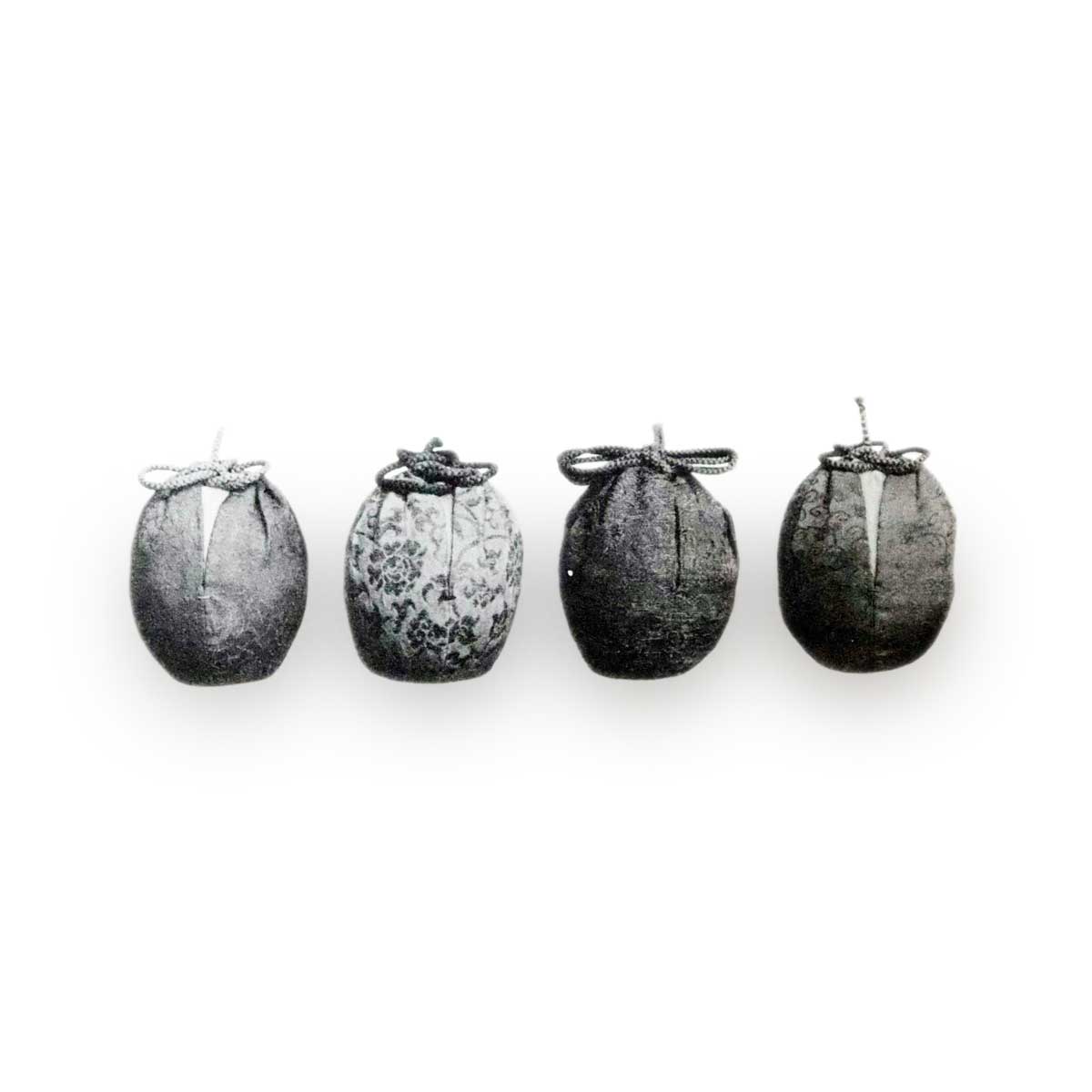
・Four protective covers (in the order shown in the photos)
Tori-dasuki (bird sash) pattern satin (lining: wall-patterned fabric with family crest, cord: purple)
Persimmon-colored Ouchi-hishi (diamond) pattern (lining: brown sea-mist pattern, long cord: purple)
White-ground antique Kinran (lining: iridescent kaiki, cord: purple)
Dark floral-patterned premium satin (lining: sakage-colored kaiki, cord: light green)
・Bag box: Unfinished paulownia wood (marked “Iwaki Bunrin Bag No. 4”)
The box is oblong with four compartments, designed to hold four bags, with four lids placed on top.
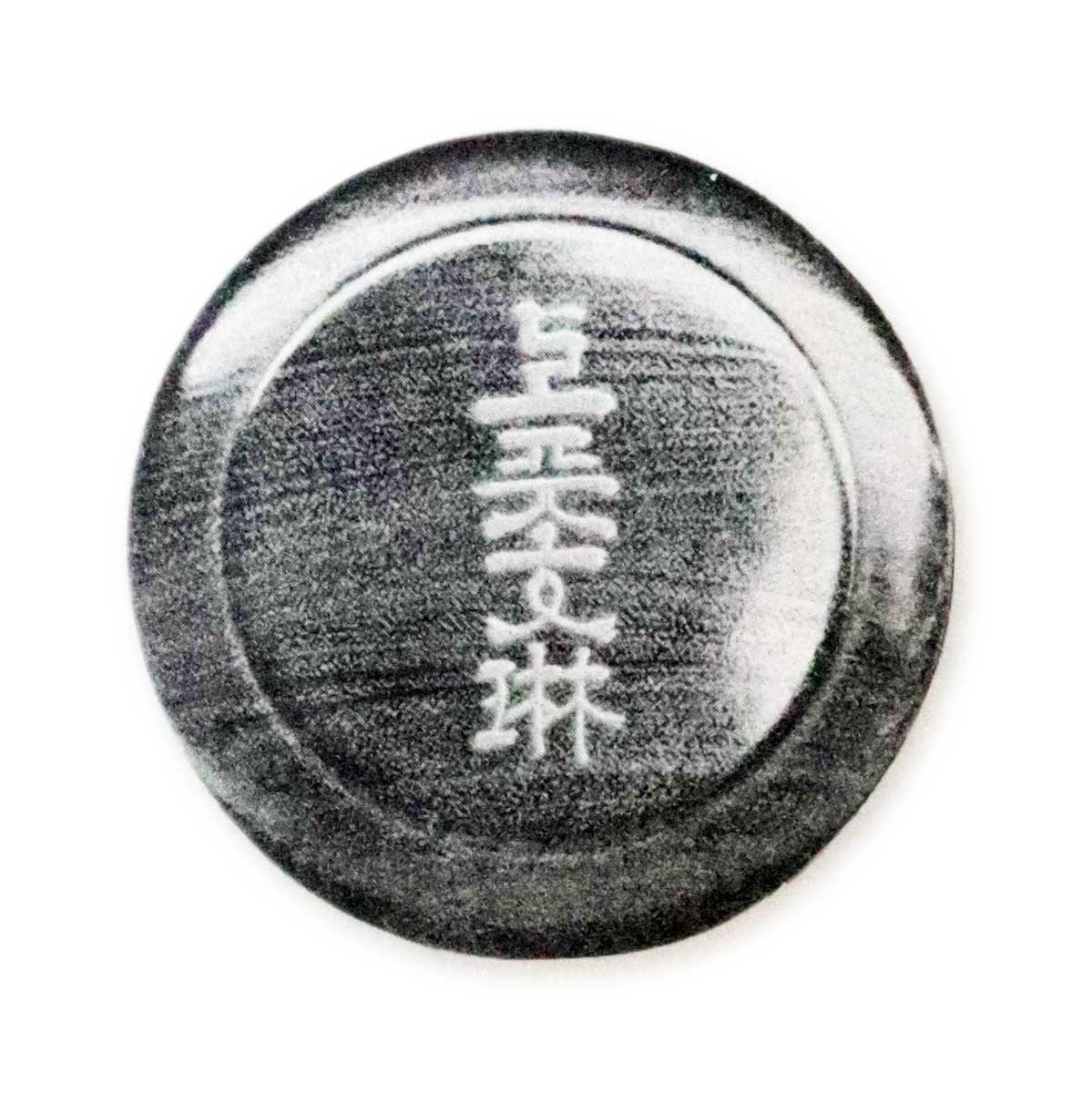
・Hikiya (a tube for storing a tea caddy): Made of ironwood (tagayasan), with an inscription by Kobori Gonshirō
The characters “Jō Bunrin” are written in gold powder.
Pouch: Red Western cotton (lining: pale green sea-green, cord: floral color)
Box: Unvarnished paulownia wood
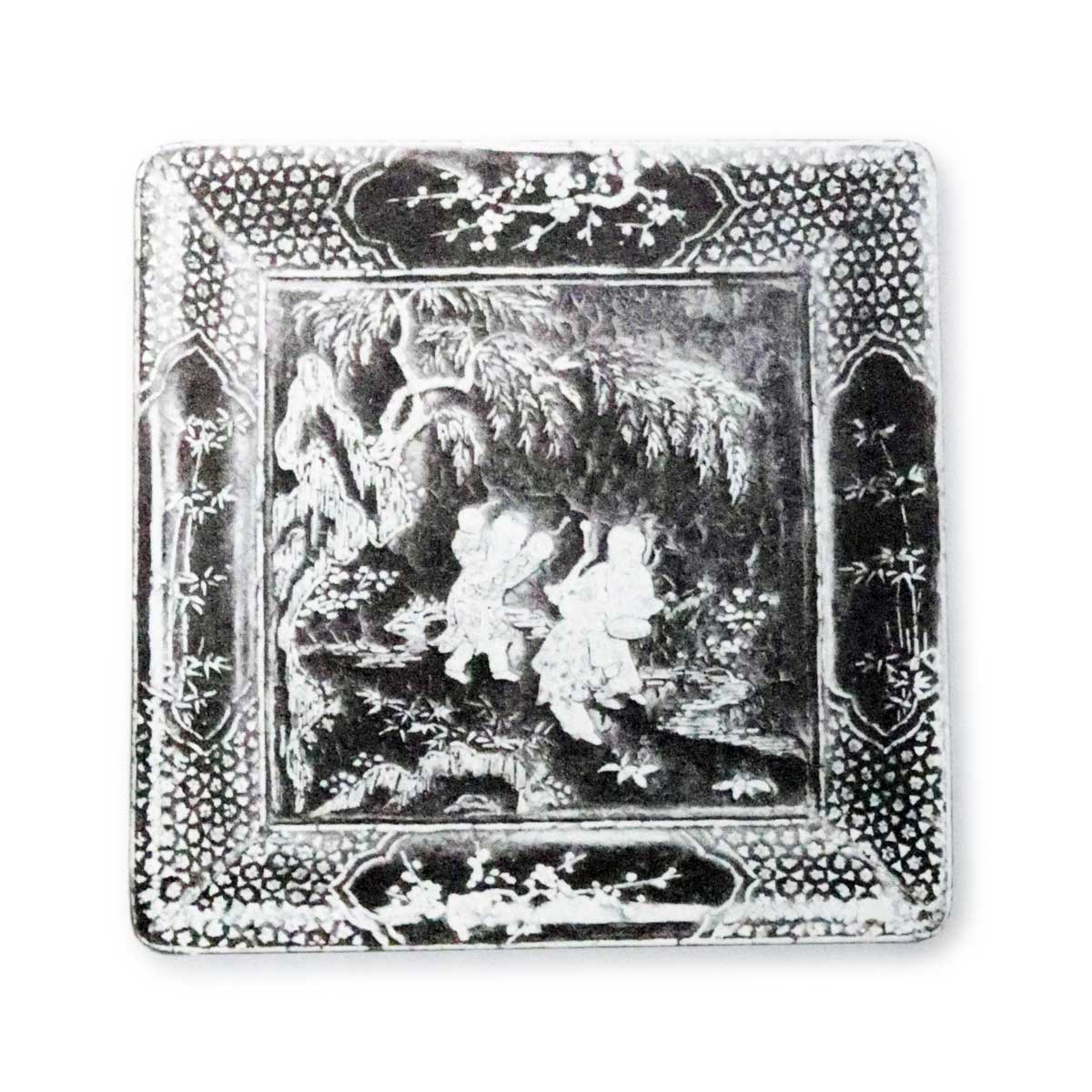
・Accompanying Tray: A square tray with mother-of-pearl (raden) inlay
The central recess (mirror) features a design of three Chinese children (karako) by a willow-lined pond; the outer rim on the front is decorated with plum and bamboo patterns, while the outer rim on the back features a arabesque floral pattern, all executed in raden.
Dimensions: Diameter approx. 19.09 cm (6 sun 3 bu), mirror diameter approx. 12.73 cm (4 sun 2 bu), base diameter approx. 13.33 cm (4 sun 4 bu), height approx. 1.97 cm (6 bu 5 rin).
Wrapping: Scarlet fukusa
Box: Unvarnished paulownia wood (inscribed “Gobon Shihō Aogai Karako”)
Miscellaneous Notes
Iwaki Bunrin. Owned by Matsudaira Mutsu-no-kami (Date clan). Borrowed and examined in July of Genbun 4 (1739). Height: approx. 6.48 cm; body diameter: approx. 6.30 cm; mouth diameter: approx. 2.55 cm; base diameter: approx. 2.58 cm; has a chip on the rim (kiln damage). There are four lids (one by an unknown artist, one in the style of Date Tadamune, one by Tateno, and one by Tatesa). There are four pouches (one with a white ground and Kinran, lined with iridescent green and tied with a purple cord; one made of the finest floral-patterned satin, lined with lizard-green silk and tied with a light green cord; one with a persimmon-colored ground and Ōuchi diamond pattern, lined with pale persimmon-colored silk and tied with a long purple cord; and one made of satin with a bird-shoulder-strap pattern, lined with persimmon-colored silk and tied with a floral-patterned cord). The Hikiya is made of rosewood, and the pouch is of Dutch weave (lined with sea-green, cord in floral color). It bears an inscription by Kobori Gonjūrō (Jō Bunrin). The box is of unpainted paulownia wood, accompanied by a square tray (approx. 19.09 cm in diameter) inlaid with blue mother-of-pearl (raden) in a Tang-style child motif. (Illustration of the tea caddy available)
(From Meibutsu)
Iwaki Bunrin. A “Chūkyō Meibutsu” (masterpiece of the revival period) made in China. Owned by Matsudaira Mutsu-no-kami. (The description of dimensions and accessories is the same as in Meibutsu-ki. Includes an illustration of the tea caddy.)
(From Kokin Meibutsu Ruiju)
Iwaki Bunrin. A “Daimeibutsu” (great masterpiece) made in China. Owned by Matsudaira Mutsu-no-kami. (The description of dimensions and accessories is the same as in Kokin Meibutsu Ruiju, but there is no illustration of the tea caddy.)
(From Rinpōkiryū)
Iwaki Bunrin. Owned by Matsudaira Mutsu-no-kami. (Descriptions of dimensions and accessories are the same as in Kokin Meibutsu Ruiju. Includes an illustration of the tea caddy.)
(From Chake Suiko Zatsu)
On April 10, Kanbun 9 (1669), a banquet was held to celebrate the completion of the construction of the Upper Residence. Guests included Lord Sakai Gagaku-no-kami, Lord Abe Bungo-no-kami, Lord Inaba Mino-no-kami, Lord Kuze Yamato-no-kami, and Lord Nagai Iga-no-kami. After the tea ceremony, at the guests’ request, Meibutsu tea caddies and incense boxes were displayed for their viewing.
These included a Yamai-style teapot, a Kogatatsuki-style teapot, a Monosho-style teapot, a piece by Iwaki Bunrin, a Kanrin-style tea bowl, and a kōgō (incense container) featuring a Hotei figure in tsuishu lacquer.
(From the Imperial University Historical Materials Collection, Records of Lord Date Kenzan)
Items exhibited at the Special Exhibition in April 1902 (Meiji 35). From the collection of Lord Date Muneoki.
Iwaki Bunrin. Four pouches (white ground with peony pattern, old Kinran on a purple ground with a lost sheep motif, white supreme satin, etc.). The Hikiya features gold-leaf lettering inscribed with “Enshu Jō Ten Bunrin.” The accompanying tray is made of Chinese blue shell (radan), featuring exquisite floral, rock, and butterfly motifs on the recessed corners of the square tray, with eight plum blossom motifs on the rim. (Image of the tea caddy available)
(From Tsukushi no Tomo by Matsuyama Seiko)
History
Originally owned by Iwaki Sadataka, the lord of Iwaki Province, it became a treasured possession of the Date clan (Sendai Domain) from the early Edo period. However, at the first auction of the Date clan’s collection held on May 14, 1916 (Taisho 5), the current owner (Mr. Kanaya Sakamoto) purchased it for 56,000 yen.
Record of Actual Viewing
On November 5, 1921, I had the opportunity to view this piece in person at the residence of Mr. Kanaya Sakamoto in Tamachi 2-chome, Akasaka Ward, Tokyo.
The rim is tight, with a shallow outward curve; there is a single indentation on the rim’s edge, over which the glaze has flowed. There is also one instance of “hitsuki” (a mark where the piece stuck to another vessel in the kiln). The top of the shoulder is rounded, and the body is bulging, creating an excellent shape; the section below the body tapers in a manner nearly identical to the upper part. The glaze extends somewhat lower down, revealing grayish-brown clay around the rim. Approximately 2.12 cm (7 mm) of the base is smooth, while the remaining approximately 0.91 cm (3 mm) has a chip (a flaw caused by the kiln). The smooth section is fine-grained, and the base has scattered traces of “hitsuki” (kiln adhesion), as well as small glaze splatters that partially conceal the smooth section.
The overall color is persimmon-brown with a metallic luster (a hint of gold), tinged with a touch of purple. A black-amber glaze with yellow undertones forms a fine, horizontal banded pattern across the entire surface. In some areas, the pattern resembles quail spots (uzura-bana), with patches of silver metallic luster appearing unevenly between them.
A black amber-colored line encircles the neck (shank). When viewed from the top of the body (the front view when placed), the so-called “Bunrin glaze”—a yellow glaze containing amber tones—flows down in a bow-shaped pattern that splits into two branches. Where the glaze stops at the rim, the yellow glaze becomes even more vivid and brilliant; in some places, it overlaps with the amber glaze and reveals a hint of blue lapis lazuli, the beauty of which is beyond words.
Inside, the glaze covers the rim of the mouth, while below that, coarse wheel marks spiral down to form a swirl at the center of the base.
Apart from a large chip in the clay on the base, there are absolutely no flaws. The lower part has a slight reddish tint, which complements the beautiful amber-yellow glaze, creating a richness of visual variation that is unparalleled. Both the form and the glaze color are superb; it deserves to be praised as the finest (outstanding) among Bunrin tea caddies, and it is likely due to this excellence that it is also known by the alternative name “Jō Tenbun Bunrin.”