Chinese-made (Made in China) Daimeibutsu Collection: Count Tadamasa Sakai
About the Name
This name derives from the fact that Takena-hanbei Shigeharu received this item as a gift from Toyotomi Hideyoshi.
Dimensions
Height: 2 sun (approx. 6.06 cm)
Body diameter: 1 sun 8 bu (approx. 5.45 cm)
Mouth diameter: 9 bu (approx. 2.73 cm)
Base diameter: 9 bu (approx. 2.73 cm)
Koshiki (the raised rim of the mouth) height: 1 bu 2 rin (approx. 0.36 cm)
Shoulder width: 1 bu 5 rin (approx. 0.45 cm)
Weight: 13 monme 3 bu (approx. 49.9 g)
Accessories
One lid: 1 piece, made of ivory
One storage pouch: Purple chirimen silk, with purple braided cord
Two pouches (covering bags): 2 pieces
Dragon-claw-patterned antique Kinran on a floral-colored ground: Lining is iridescent, braided cord is brown
Round-crested brocade on a brown ground: Lining is pale green sea-mist pattern, cord is purple
One storage box: Unfinished paulownia wood
One Hikiya: Ivory, chamfered with horizontal grooves
Pouch (cover): Arisugawa brocade on a brown ground, lining is tortoiseshell-patterned Fursu weave, cord is Enshū brown
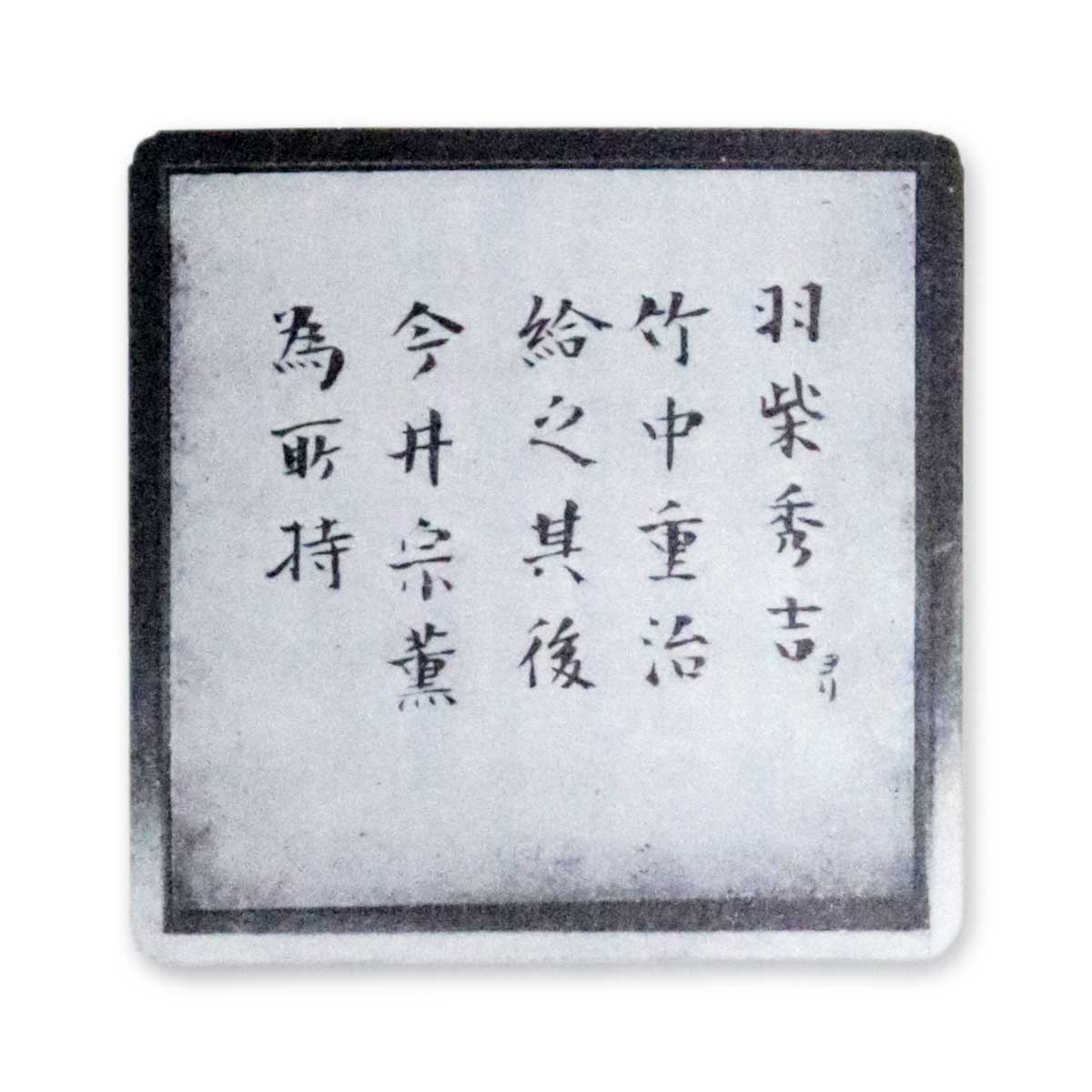
One inner box: made of isu wood; paper with an inscription attached to the underside of the lid
“Takeno Shigeharu’s Small Shoulder-Strike”
(Text on the paper: Bestowed by Hashiba Hideyoshi to Takeno Shigeharu. Later came into the possession of Imai Sōkun)
One outer box: paulownia wood with Shunkei lacquer finish, equipped with a lock
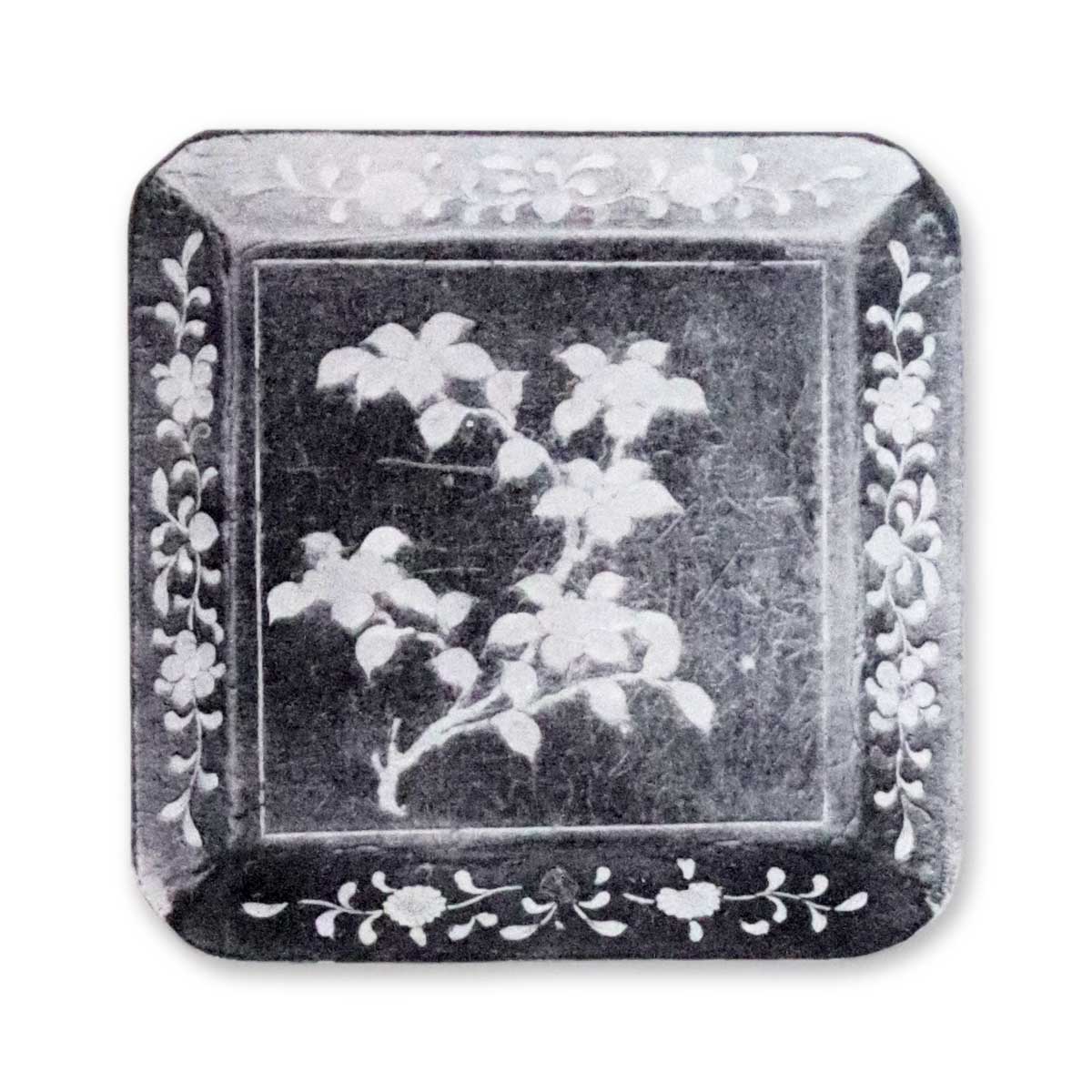
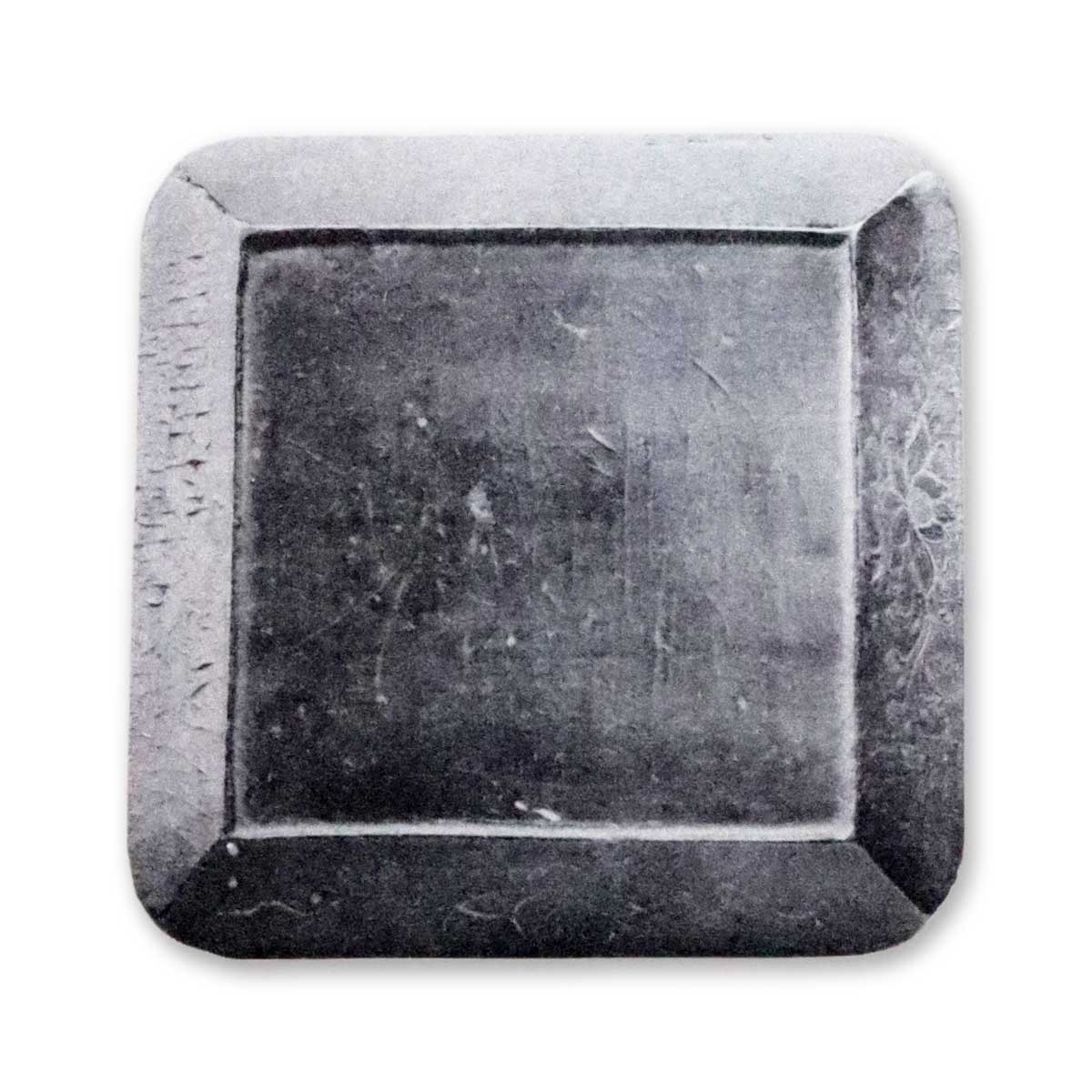
One accompanying tray: square tray with blue shell inlay, featuring a camellia design
Diameter: 5 sun 6 bu (approx. 17 cm); diameter of the mirror (flat inner surface): 4 sun 1 bu 5 rin (approx. 12.6 cm); base diameter: 4 sun 2 rin (approx. 12.8 cm); height: 7 bu (approx. 2.1 cm)
Pouch: Double-layered kimono (awase) in a floral-patterned Fursu weave; braided cord is brown
Box: Untreated paulownia wood
“Blue Shell Square Tray”
“Camellia”
Miscellaneous Notes
Takeno-no-Kata-tsuki, Takeno Chikugo-no-kami (possibly Shigeharu’s younger brother Shigenori, etc.).
(From the Higashiyama Imperial Treasures Supplementary Register)
Takeno-no-Kata-tsuki, Chinese import, Daimeibutsu, Inaba Jūzaemon.
(From the Collection of Famous Meibutsu Through the Ages)
Takeno-no-Kata-tsuki, Chinese-style small jar, owned by Kato Fuuan. Some versions list Inaba Jusaemon.
(From Ganka Meibutsu-ki)
Takeno-no-Kata-tsuki (Kata-tsuki), Daimeibutsu, Chinese-style, owned by Kato Fuuan, later by Inaba.
(From Unshu Meibutsu-ki)
Takeno small katatsuki. Height: 2 sun; width: 1 sun 8 bu; mouth diameter: 9 bu 5 rin; base diameter: 9 bu 5 rin. Features a hon-itokiri (traces of a formal thread-cutting). Comes with two pouches: one with a brown circular crest on a zazan-za weave ground, and one with a floral-colored ground featuring a square dragon pattern. The handle is made of ivory. On the back of the box is a label stating: a paper label with the inscription: “Presented by Hashiba Hideyoshi to Takenaka Shigeharu. Later came into the possession of Imai Sōkun” (with an illustration of the tea caddy).
(From Hōian Bunko, Series A, No. 17)
Reportedly a small shoulder-rest tea caddy belonging to Takenaka Chikushū (Governor of Chikugo). It came into the possession of Katata (a person or place) in this manner.
It is also said that one side of the base was scraped (shaved) down. It is said that Sōfu (Kobori Enshū) had one side scraped down to repair an area where the glaze had run, and had it repaired later.
(From the Sōyūki)
It is identical in both clay and workmanship to the Matsumoto Katatsuki. It is a katatsuki, and there is one like this among the Shogun’s personal possessions. The katatsuki found in the estate of Takenaka Saimei was also like this.
(From the Matsuya Diary)
History
Takekawa Hanbei Shigeharu received this as a gift from Taiko Toyotomi Hideyoshi. It was subsequently passed down to Imai Sōkō, Katō Fuan, and Inaba Jūzaemon, and later became part of the collection of the Sakai family, lords of the Himeji domain.
Record of Actual Viewing
On December 5, 1920, I had the opportunity to view this piece in person at the residence of Count Tadamasa Sakai in Haramachi, Koishikawa Ward, Tokyo.
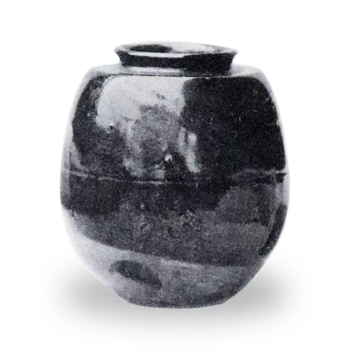
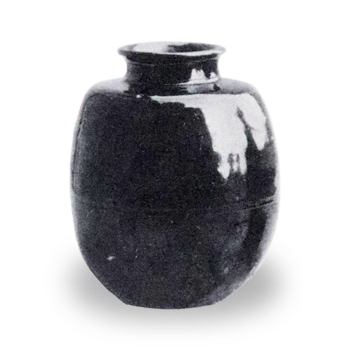
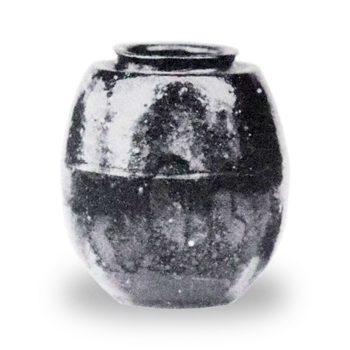
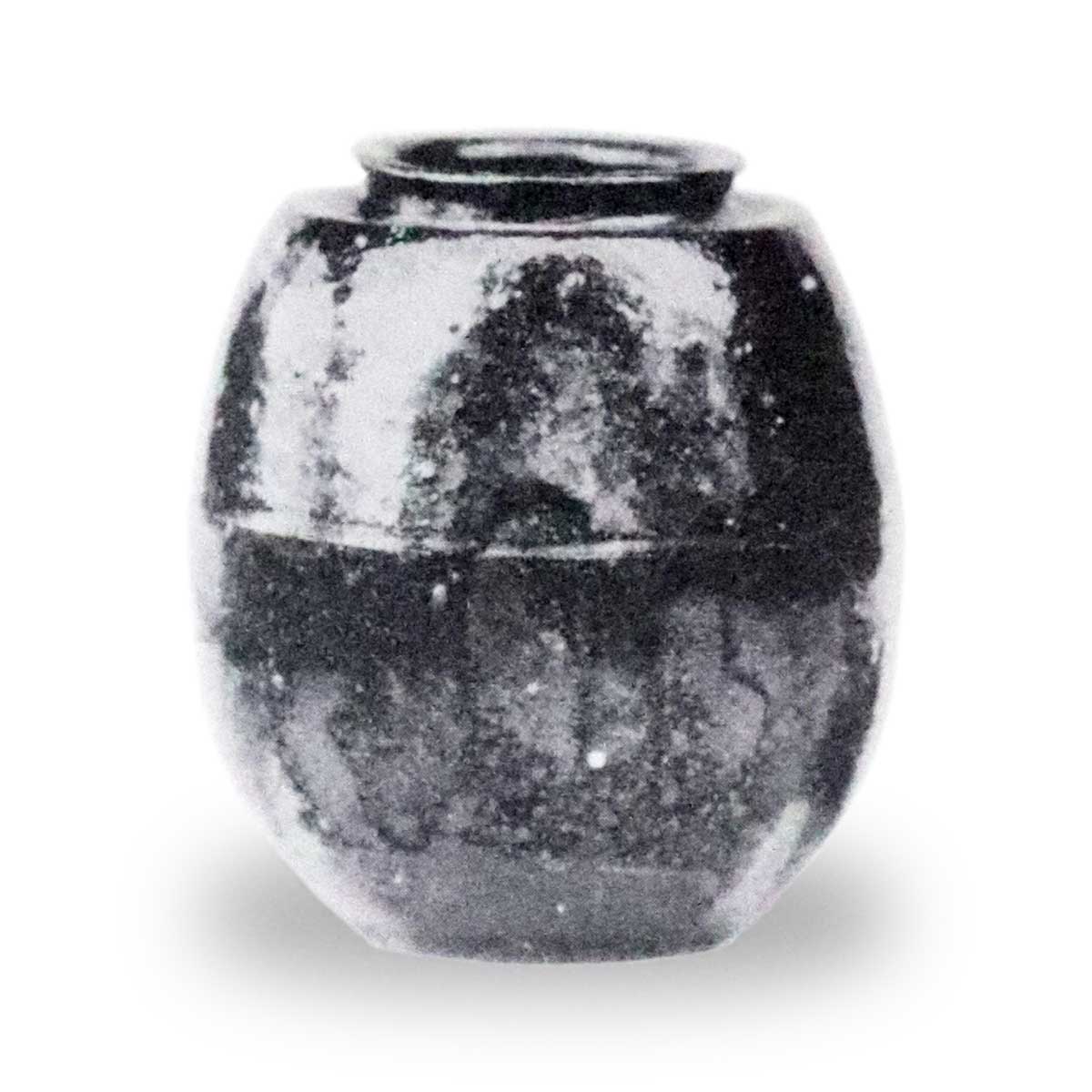
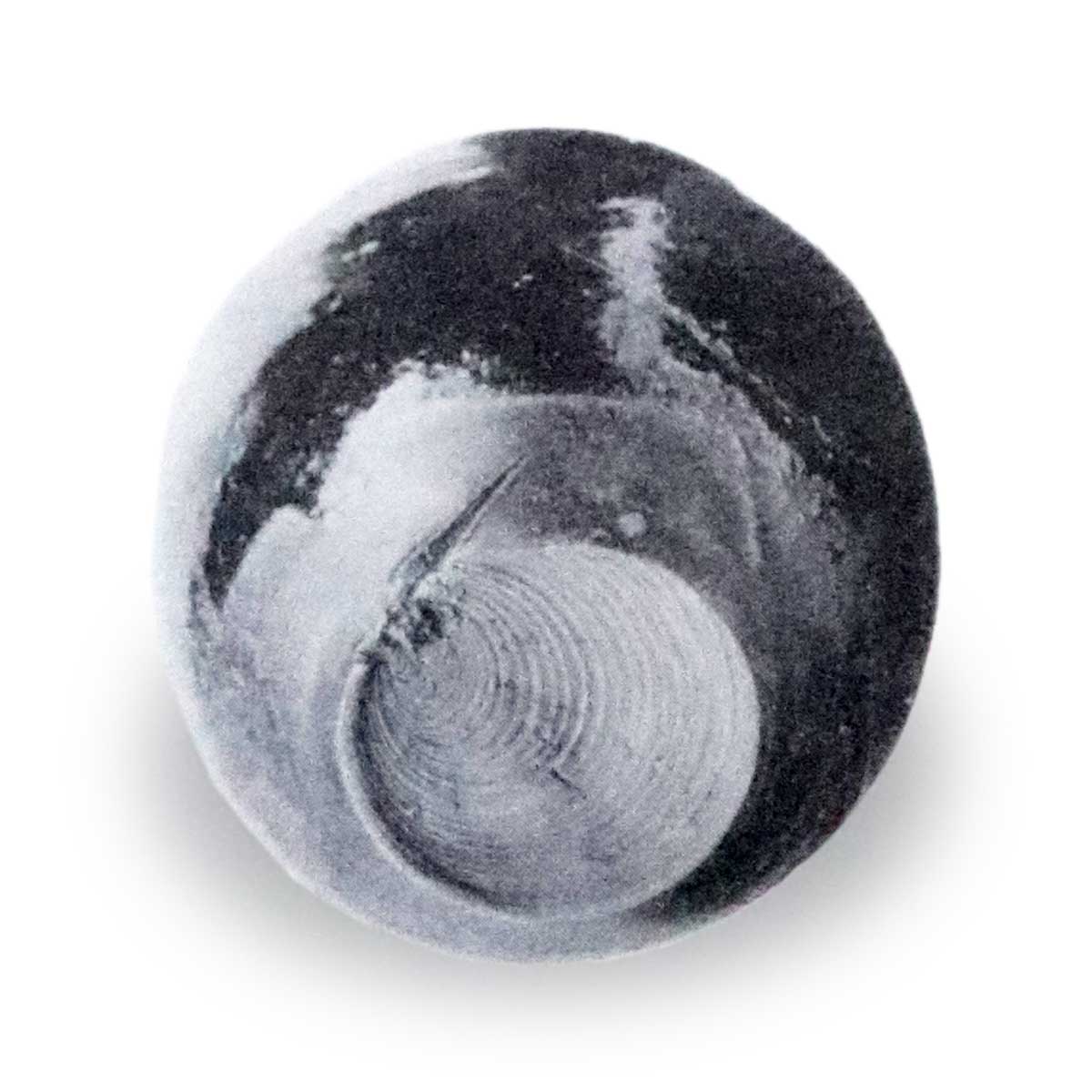
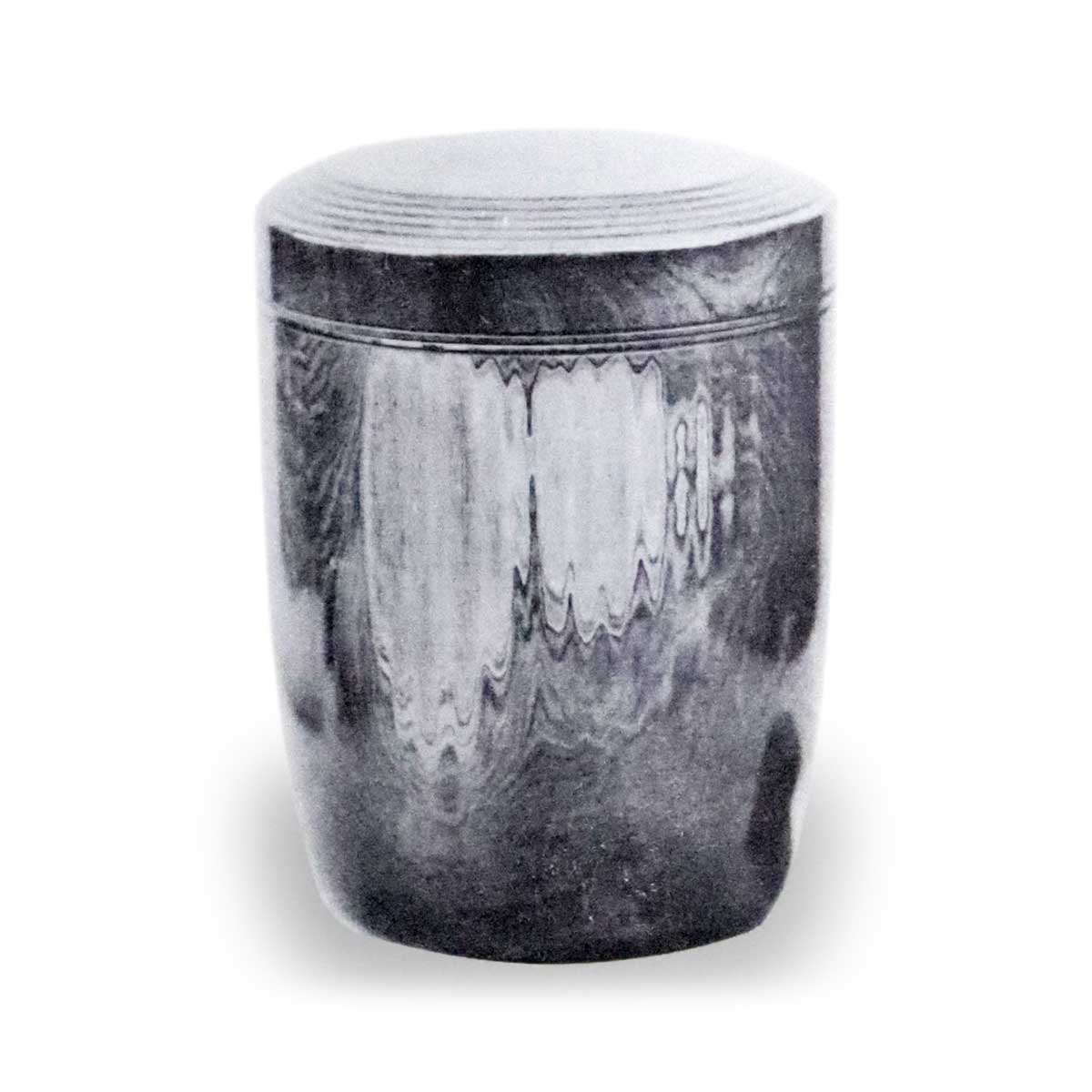
It is small with a wide mouth; the inward fold is standard, the rim (the raised part of the mouth) is extremely low, the area around it is slightly sunken, and the shoulders protrude distinctly. The body is rounded, with a single sunken ridge running all the way around; from the rim downward, it tapers sharply, revealing the vermilion-clay (reddish-brown) body. The thread-cutting marks on the base are fine, with a slight misalignment at the starting point, and there are splashes of glaze. There is a small piece of clay adhering to the base surface, partially obscuring the thread-cutting marks.
Overall, the piece is chestnut and adzuki bean brown, with fine, bumpy protrusions on the unglazed surface. There is also a single crack (kiln crack) running from the rim to the body. Below the cord-like ridge on the body, there is an area where the glaze has not adhered, revealing a persimmon-colored, metallic sheen, with a hint of blue-green visible around this unglazed area.
The overall color and luster of the glaze are beautiful, and the appearance of the persimmon-colored, metallic-hued unglazed area below the shoulder is so fascinating (rich in character) that it defies description. Inside, only the rim is glazed; below that, rough wheel marks spiral down, forming a swirl at the center of the base, which is slightly concave.
Although it belongs to the smallest category of Daimeibutsu tea caddies, it is a tea caddy of high dignity with a very interesting (highly appealing) appearance.